
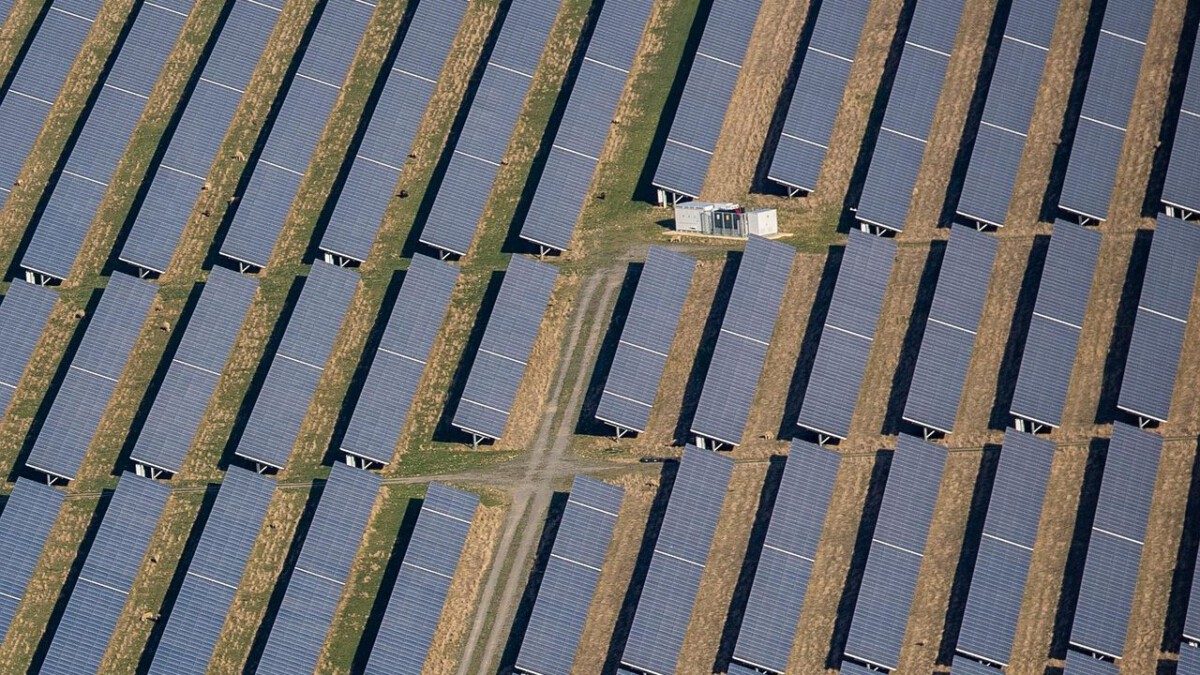
India’s renewable energy expansion may need 7 lakh acres by 2030 – Image for illustrative purposes only (Image credits: Pixabay)
India’s drive to scale up renewable energy capacity is projected to require roughly 700,000 acres of land by the end of the decade. The figure reflects the physical space needed for solar parks, wind farms and supporting facilities as the country works toward its climate commitments. At the same time, the rollout is expected to create fresh demand for supporting infrastructure in both established and growing urban centers.
Scale of the Land Requirement
The land estimate underscores how large-scale clean energy projects differ from conventional power plants in their spatial needs. Solar installations, in particular, spread across open areas to capture sunlight efficiently, while wind projects often occupy rural tracts with minimal overlap to agriculture. Meeting national targets therefore translates into a measurable claim on available land resources across multiple states.
Planners must balance these requirements against competing uses such as farming and conservation. Early identification of suitable sites can help reduce conflicts and speed up project approvals. The overall acreage figure serves as a planning benchmark rather than a fixed total, subject to adjustments as technology and policy evolve.
Knock-on Demand for Urban Infrastructure
Beyond the generation sites themselves, the expansion is also expected to boost demand for industrial warehousing, housing, office spaces and related infrastructure across major and emerging cities. Construction activity around renewable projects generates steady requirements for storage facilities that handle equipment and materials. Workers and technical staff need accommodation, while project offices and maintenance hubs add to the need for commercial real estate.
These secondary effects extend to transport links, power distribution networks and water supply systems that support the new facilities. Cities positioned near renewable clusters stand to see increased investment in these areas. The pattern mirrors earlier infrastructure waves tied to industrial growth, though the clean-energy driver introduces its own timeline and geographic spread.
Planning Considerations Ahead
Coordinated land-use policies will determine how smoothly the transition unfolds. States with clear renewable targets are already mapping zones that minimize overlap with sensitive ecosystems or high-value farmland. Such zoning can shorten approval cycles and lower overall project costs.
Private developers and government agencies alike are watching how these land and infrastructure needs interact with existing urban master plans. Timely integration of renewable-related demand into city-level strategies can prevent bottlenecks in housing and logistics. The coming years will test whether current frameworks can accommodate both the direct footprint of green energy and its wider economic ripple effects.