Spotlight on the Northeast Supply Enhancement Project (Image Credits: Pexels)
New York – Construction crews recently broke ground on a long-contested underwater pipeline segment off the coast of Brooklyn, marking a pivotal moment for the Northeast’s energy infrastructure. Williams Companies leads the charge to resurrect projects stalled for years by regulatory battles. These developments promise to deliver abundant Marcellus Shale gas to markets long starved for reliable supply.[1][2]
Spotlight on the Northeast Supply Enhancement Project
The Northeast Supply Enhancement, or NESE, project expands the existing Transco natural gas pipeline system across Pennsylvania, New Jersey, and New York. This initiative adds roughly 400,000 dekatherms per day of capacity, enough to meet the daily needs of about 2.3 million homes. A key 23-mile underwater loop runs beneath Raritan Bay, paralleling current infrastructure to channel gas toward the New York City metropolitan area.[3][4]
State regulators in New York and New Jersey granted crucial water quality permits in November 2025, reversing prior denials. The project faced cancellation in 2020 and 2024 amid environmental concerns. Now, with federal backing, teams target completion by late 2027, generating thousands of jobs and hundreds of millions in economic activity along the route.[4]
Constitution Pipeline Emerges from Hibernation
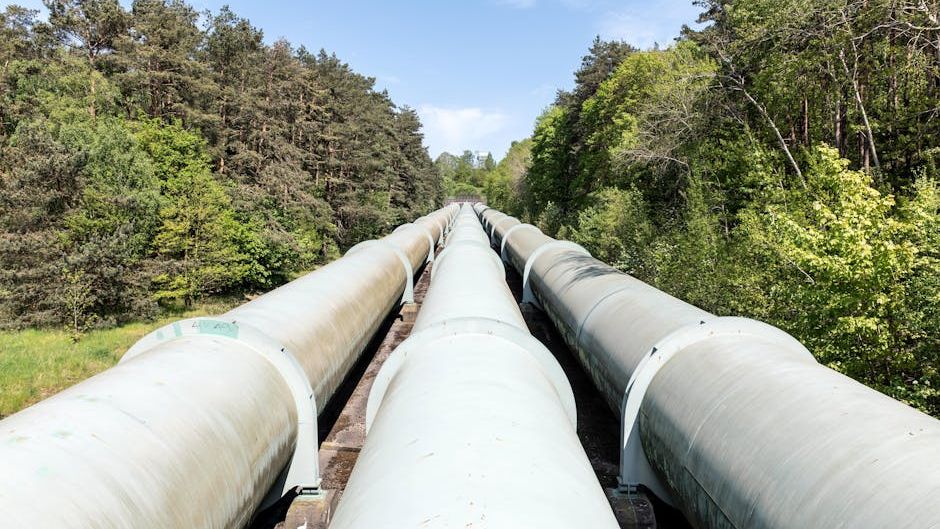
Parallel to NESE stands the Constitution Pipeline, a 124-mile, 30-inch line stretching from natural gas fields in northeastern Pennsylvania through New York’s Schoharie County. It connects to the Iroquois Gas Transmission System and Tennessee Gas Pipeline, offering up to 650,000 dekatherms per day of firm transport to New York and New England markets.[2][5]
Williams filed with the Federal Energy Regulatory Commission in December 2025 to reissue its certificate, following a 2020 cancellation after New York denied a key permit over stream impacts. The company had invested over $350 million before halting work. Revival efforts now leverage updated filings to secure approvals and restart development.[4]
Overcoming Years of Regulatory Resistance
Both projects encountered fierce opposition, with New York state’s use of Clean Water Act Section 401 certifications effectively vetoing federal approvals. Environmental groups highlighted risks to waterways and climate goals, urging governors to block revivals. Williams contested some denials as politically motivated, pursuing legal challenges.[2][4]
A turning point arrived with shifting political winds. Discussions between the Trump administration and Governor Kathy Hochul paved the way for permits. Federal officials, including Energy Secretary Chris Wright and EPA Administrator Lee Zeldin, attended the April 14, 2026, NESE groundbreaking, emphasizing swift execution. Zeldin recalled President Trump’s direct interest in accelerating the build.[1]
Surging Demand Fuels the Push Forward
Northeast consumers have endured some of the nation’s highest natural gas prices, exacerbated by pipeline constraints and winter peaks. Last January, hub prices soared to over $33 per million British thermal units at Algonquin Citygate, triple the national benchmark. The region increasingly turns to costlier LNG imports and fuel oil, straining reliability during cold snaps.[5]
Data centers, electrification drives, and retiring coal and nuclear plants amplify needs. U.S. dry gas production nears records at 111 billion cubic feet per day, yet bottlenecks persist without added takeaway. Analysts forecast up to 30% price drops from expansions, per S&P Global. Williams positions these lines as vital for affordability and grid stability, tapping low-cost Marcellus output.[2][4]
Broader federal initiatives, like the Department of Energy’s transmission funding, signal support for baseload infrastructure. Data center operators eye on-site gas generation near production hubs, underscoring pipelines’ role in economic growth. Together, NESE and Constitution could inject over 1 billion cubic feet daily into constrained corridors, redrawing supply maps from Appalachia northward.[2]
Key Benefits Projected:
- 2,000 jobs created across construction phases
- $548 million in economic activity
- $230 million in wages and benefits
- $38.6 million in state and local taxes
- Reduced reliance on imported LNG and fuel oil
What Lies Ahead for Regional Energy
Opponents remain vocal, with groups like Food & Water Watch vowing resistance over emissions and waterway threats. Yet momentum builds as states confront affordability crises. Connecticut’s governor has signaled openness to new resources.[4]
These revivals herald a new era for Northeast gas infrastructure. By bridging production heartlands to demand centers, they stand to lower costs, bolster security, and support industrial resurgence. As pipes lay and regulators convene, the region watches for tangible relief from enduring supply pressures.