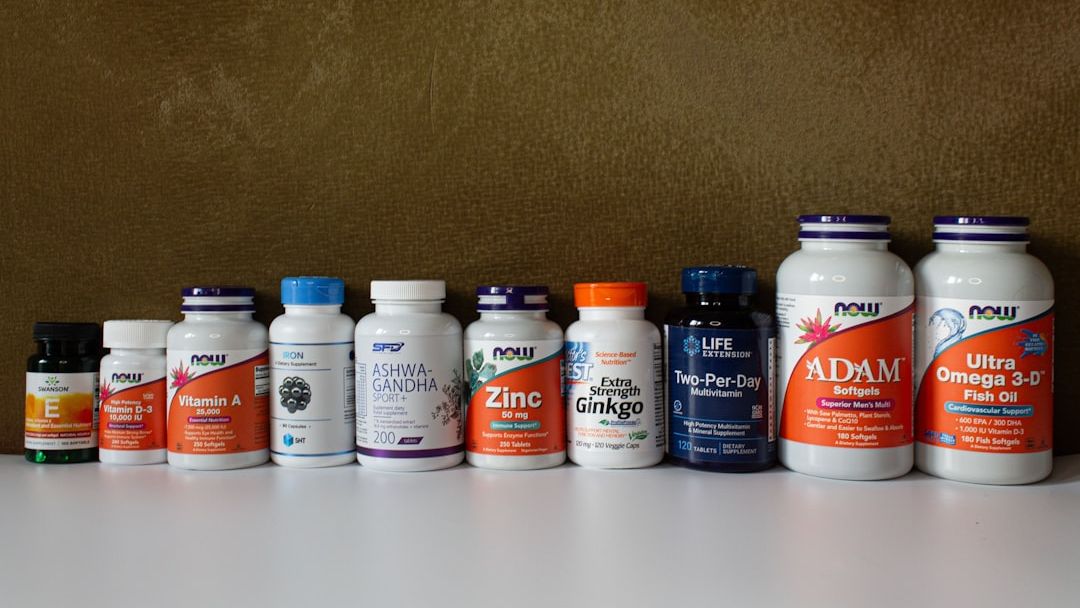
Many Seniors Are Combining Supplements With Prescription Drugs in Dangerous Ways – Image for illustrative purposes only (Image credits: Unsplash)
Many older adults arrange rows of prescription bottles alongside vitamin jars and herbal capsules each morning, viewing the routine as a straightforward step toward better health. Yet the overlap between these two categories of products often goes unexamined, even as medical professionals note rising reports of unintended effects. The issue stems less from any single product and more from how certain supplements alter the way the body handles prescribed treatments for common age-related conditions.
Herbal Products and Cardiovascular Treatments
Herbal supplements such as St. John’s wort, ginseng, and garlic extracts appear frequently in senior medicine cabinets. These items can change how the liver processes certain heart medications, sometimes reducing their intended strength or amplifying side effects. St. John’s wort, for instance, accelerates the breakdown of several drugs used for blood pressure or rhythm control, which may leave patients with less protection than their prescriptions were meant to provide.
Garlic supplements carry a separate concern when paired with anticoagulants. They may heighten the chance of bleeding events, though the degree of risk varies with dosage and individual metabolism. Physicians stress that the “natural” label does not guarantee compatibility with ongoing prescriptions, and they advise patients to list every product during routine visits so adjustments can be considered before problems arise.
Fish Oil and Clotting Medications
Fish oil supplements remain popular for their perceived heart benefits, yet higher doses can interact with blood thinners such as warfarin or antiplatelet agents. The combination may prolong bleeding time, leading to noticeable bruising or, in rarer cases, more significant hemorrhage. Patients often discover the link only after experiencing symptoms they initially attribute to aging or other factors.
Healthcare providers typically recommend discussing any new fish oil regimen in advance. They note that while moderate amounts may pose minimal concern for some individuals, the threshold differs widely, and consistent monitoring of clotting parameters becomes essential when both products are in use.
Minerals, Vitamins, and Absorption Challenges
Calcium and magnesium supplements, taken for bone strength or muscle comfort, can bind to certain prescription drugs in the digestive tract. Thyroid medications and some antibiotics lose effectiveness when taken too close in time to these minerals, requiring careful spacing of several hours. Similar interference appears with osteoporosis drugs and acid-reflux treatments, where timing rather than outright avoidance often resolves the issue.
Vitamin K presents another variable for those on warfarin. Sudden increases from supplements or concentrated green-food products can shift the medication’s impact on clotting factors. Doctors generally favor steady intake over abrupt changes, allowing predictable dose adjustments rather than repeated recalibrations.
Sedation Risks and Regulatory Gaps
Sleep-support supplements containing melatonin, valerian, or additional magnesium may intensify drowsiness when combined with prescription sleep aids, anxiety medications, or certain pain relievers. The resulting impairment raises fall probability, a particular worry for older adults whose balance and bone density already place them at higher risk of injury. Even modest increases in sedation can turn a nighttime trip to the bathroom into a serious incident.
Unlike prescription drugs, dietary supplements reach the market without pre-approval for safety or consistent potency. This regulatory difference means labels may not fully reflect actual contents or potential interactions, leaving both patients and clinicians to navigate uncertainty. Many seniors also omit supplements from medication lists during appointments, assuming the products fall outside medical relevance. Pharmacists and physicians report that full disclosure during reviews frequently uncovers combinations that warrant immediate changes in timing or dosage.
Practical Steps That Reduce Avoidable Harm
Bringing every container – prescription and supplement alike – to annual checkups allows providers to spot patterns quickly. Small adjustments, such as separating doses or substituting one product, often eliminate the interaction without discontinuing needed treatments. Experts continue to emphasize that abrupt cessation of prescriptions in favor of supplements carries its own documented risks and should occur only under direct supervision.
Key points to discuss with a healthcare provider include all current supplements, any recent changes in diet or products, and symptoms such as unusual bruising, prolonged bleeding, or excessive drowsiness.
Continued attention to these details supports safer management of multiple therapies as people age.