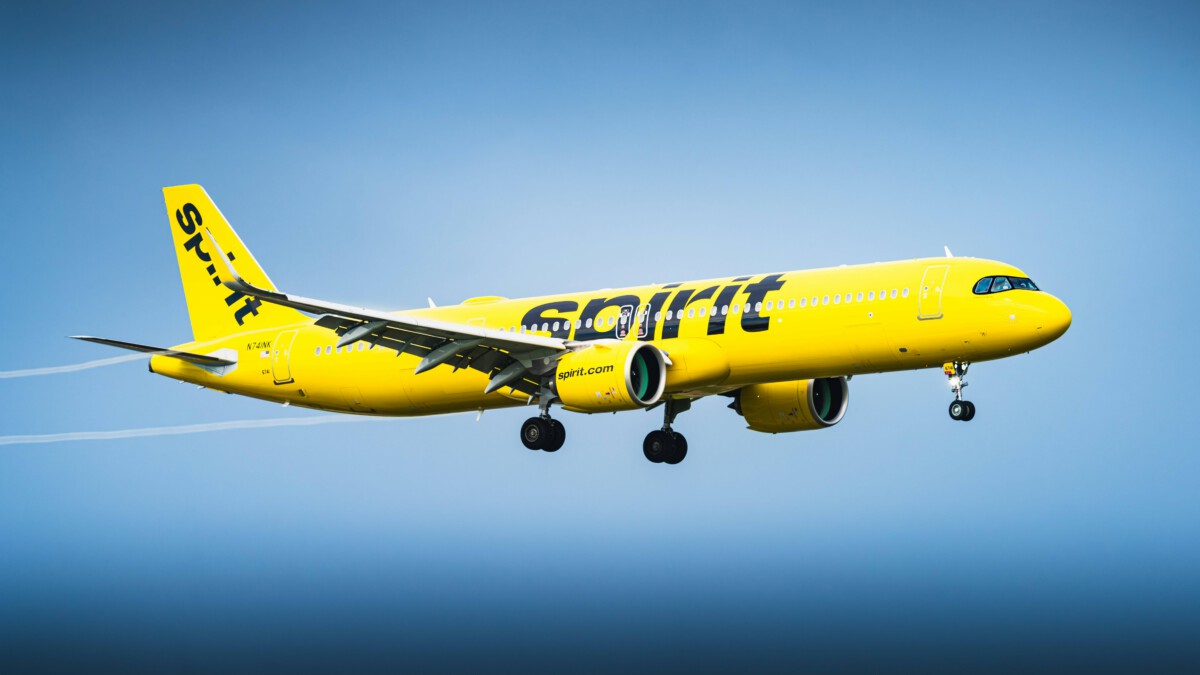
Spirit Airlines’ Demise Could Help Other Airlines – Image for illustrative purposes only (Image credits: Unsplash)
Final flights touched down across the U.S. on Saturday as Spirit Airlines initiated an orderly wind-down of operations, stranding thousands and marking the end of a major budget carrier. The airline cited surging jet fuel costs from the ongoing Iran war and failed bailout talks with the Trump administration as tipping points after years of financial strain. Even in its shrunken form, Spirit had compelled competitors to offer lower fares, a dynamic now poised to shift in favor of higher prices for everyday travelers.[1][2]
From Dominance to Demise
Spirit Airlines once commanded 3.4 percent of domestic flights in May 2024, but relentless losses forced drastic cuts. By the time of its closure, its schedule represented just 1.1 percent of U.S. domestic capacity, with half its fleet parked or sold off. The carrier filed for Chapter 11 bankruptcy twice in two years – first in late 2024 and again in 2025 – slashing nearly 4,000 jobs and abandoning 200 underperforming routes.[3][1]
A proposed $500 million federal rescue package, which would have granted the government a 90 percent stake, collapsed amid creditor disputes. Bondholders including Citadel and Ares Management opposed the terms, and talks ended without resolution. Spirit’s board concluded it could no longer sustain operations amid jet fuel prices that quadrupled projections, reaching $4.51 per gallon by late April.[3]
The ‘Spirit Effect’ on Airline Pricing
Spirit operated as an ultra-low-cost disruptor, pressuring larger carriers like American, Delta, United, and Southwest to match its bare-bones fares. Economists dubbed this the “Spirit effect,” where its presence at an airport lowered average ticket prices industry-wide. Aviation consultant Robert Mann explained, “It’s at the low-fare end of the spectrum where the market price is established. And it’ll make it easier for everyone else to raise prices at that level.”[1]
Without this competitive brake, remaining airlines face reduced pressure to discount. JetBlue, Frontier, Allegiant, and Breeze Airways overlap on many routes but contend with similar cost challenges. Larger networks hold spare capacity to absorb demand, yet experts anticipate gradual fare hikes as unprofitable seats vanish from the market.[1]
Basic economy offerings from majors already eroded some demand for pure budget options, but Spirit’s exit accelerates consolidation. Airports like Fort Lauderdale-Hollywood International, Spirit’s former hub, see rivals like JetBlue ramp up with new nonstops to 21 cities.[1]
Hard Data from Previous Exits Signals Trouble Ahead
Analyses of past route abandonments reveal clear patterns. A review of Cirium aviation data showed fares rose 23 percent – or about $60 per round-trip – after Spirit left markets, with passenger volumes dropping 20 percent.[2] Another examination of 90 routes exited between 2024 and 2025 found average increases of 14 percent, or $19 per ticket, versus 6-7 percent inflation elsewhere.[4]
| Route Example | Pre-Exit Fare | Post-Exit Fare | Increase |
|---|---|---|---|
| Oakland to Newark | ~$135 | ~$288 | 113% |
| Oakland to Houston | N/A | N/A | 25% |
| Fort Myers to San Juan | $92 | $219 | 138% |
| Las Vegas to Charleston | N/A | N/A | 15% |
These shifts occurred in 80 percent of cases, underscoring reduced seat supply’s role. Current fuel spikes exacerbate the outlook, with airlines already hiking prices since March.[4][1]
Stranded Passengers and Short-Term Relief
Immediate chaos hit ticket holders, though most qualify for refunds via credit card chargebacks under federal rules. Cash payers or those using points face bankruptcy proceedings. Carriers stepped in with capped “rescue fares”: United at $199-$299 one-way, JetBlue at $99 for 72 hours, and American, Delta, Southwest, Frontier, Allegiant, Avelo, and Breeze offering rebooks or discounts through early May.[2]
United rebooked 14,000 flyers in 12 hours alone. Job losses total 17,000, but United and American recruit pilots and crew. Assets like gates at LaGuardia, Las Vegas, and Miami enter bankruptcy auctions, potentially delaying full market adjustments for months.[1]
Key Implications for Travelers:
- Higher baseline fares likely within 3-6 months as rivals fill gaps slowly.
- Budget-conscious flyers hit hardest on regional routes like Latrobe, Pennsylvania, or Atlantic City.
- Fuel costs add upward pressure; monitor for summer surges.
Spirit’s departure underscores aviation’s fragility amid geopolitical shocks. While larger airlines gain breathing room, consumers lose a vital tool for affordable travel. The industry may stabilize with fewer low-margin seats, but at the expense of choice and cost control for millions relying on air travel.[2]