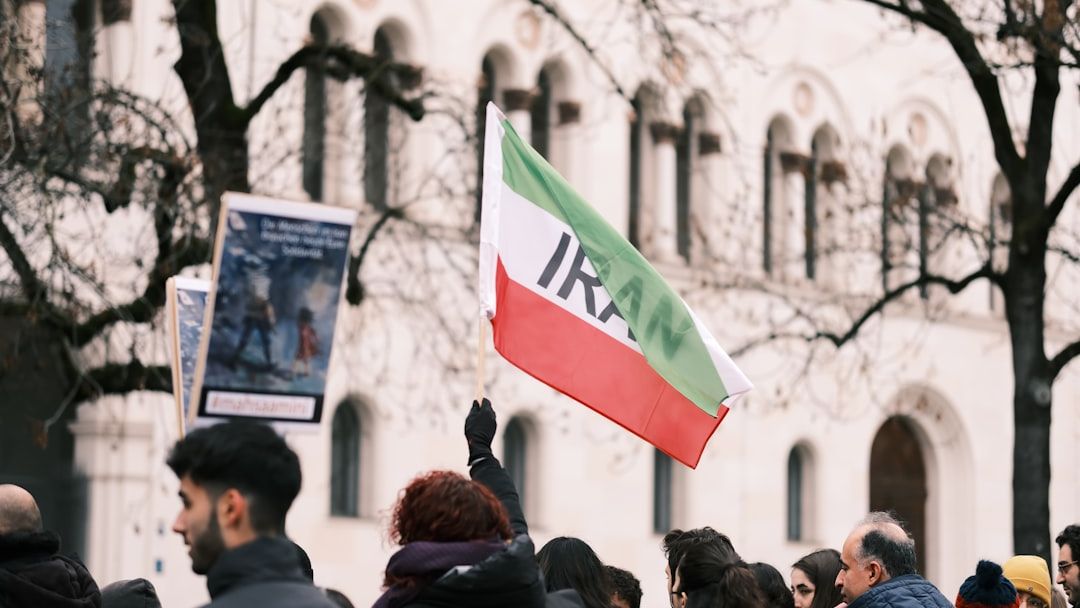
Escalating Economic Crisis Weakening Iran’s Position? – Image for illustrative purposes only (Image credits: Unsplash)
Tehran – War with the United States and Israel has intensified Iran's economic vulnerabilities, creating mounting pressure on leaders to reconsider their uncompromising approach. The conflict, now in its third month, has triggered severe disruptions including a naval blockade and widespread infrastructure damage. Tehran now faces critical choices as daily hardships deepen for millions.[1]
Timeline of the Conflict's Escalation
The war erupted on February 28, 2026, when U.S. and Israeli forces launched airstrikes targeting Iranian military and nuclear sites, including the assassination of Supreme Leader Ali Khamenei.[2] Iran retaliated with missile and drone attacks on regional targets, prompting the closure of the Strait of Hormuz on March 4 – a chokepoint for 20% of global oil flows.[2] This action stranded shipments and spiked energy prices worldwide.
By mid-April, the U.S. imposed a naval blockade on Iranian ports, further crippling exports. Strikes hit over 23,000 factories and key facilities like steel plants and oil infrastructure, leading to widespread shutdowns. The appointment of Mojtaba Khamenei as new Supreme Leader signaled continuity in hardline policy, yet economic fallout has tested regime cohesion.[1]
Severe Economic Indicators Signal Collapse
Iran's economy, already strained by sanctions and inflation above 50% in 2025, contracted sharply under war pressures. The International Monetary Fund projected a 6.1% GDP shrinkage for 2026, with inflation reaching 73.5% overall and 115% for food and beverages.[3][1] The rial, or toman, plummeted 22% in recent days to around 190,000 per U.S. dollar on open markets, eroding purchasing power.
Oil export revenues, vital for government finances, dropped by at least $175 million daily due to the blockade. Job losses exceeded 1 million from factory strikes, while an internet shutdown lasting months devastated digital businesses, with sales falling 40-50% for major platforms serving 50-60 million users. Drought in 10 provinces, including a sixth year around Tehran, compounded food shortages.
| Key Metric | Pre-War/Recent | Current/War Impact |
|---|---|---|
| GDP Growth | Stagnant | -6.1% (IMF 2026 est.)[3] |
| Inflation | 50%+ (2025) | 73.5%; Food 115%[1] |
| Currency (Toman/USD) | ~1.65M rials | 190,000+; up 8% daily[4] |
| Job Losses | N/A | 1M+ from strikes[1] |
Pressures Mount on Negotiations and Internal Stability
Tehran's April 26 proposal demanded an immediate end to hostilities and U.S. blockade removal before nuclear discussions, offering no concessions – a stance reflecting hardliner influence from IRGC commanders.[5] U.S. officials rejected it, insisting on addressing Iran's nuclear program upfront. State media, unusually blunt, warned of crisis in essentials like rice and medicine, with monthly inflation at 7% and point-to-point at 67%.[4]
Key Pressures on Tehran:
- 4.1 million more in poverty (UN est.).[1]
- Minimum wage at $92/month amid tripled medicine costs.
- Risk of protests over fuel, internet, and food shortages.
- Splits in regime: pragmatists vs. ultrahardliners opposing talks.
Deputy ministers reported infrastructure damage nine times last year's budget. Reformist voices highlighted internet and economic woes as threats to stability, while hardliners like Saeed Jalili's allies resisted negotiation teams. The Supreme National Security Council prepared for unrest amid gasoline crises and sector collapses.
Path Forward Remains Uncertain
Practical consequences ripple through stakeholders: ordinary Iranians face one-meal-a-day realities and evictions, while the regime balances security with economic survival. Global partners like China issued counter-measures to U.S. sanctions, but offered limited aid. Tehran's elite must weigh whether prolonged defiance risks collapse or if concessions could stabilize the battered economy. Outcomes hinge on blockade duration and internal resolve.