
The Birth of Choice Overload Theory
The idea gained traction through Barry Schwartz’s work. He highlighted how endless options often lead to less satisfaction. People feel more anxious when faced with abundance. This paradox challenges the assumption that more is always better. Schwartz’s insights reshaped how we view decision-making.
His findings point to a core human limit. Too many paths create doubt. Satisfaction drops as expectations rise. Anxiety builds from the fear of missing out. This sets the stage for everyday struggles.
The Jam Experiment Revelation
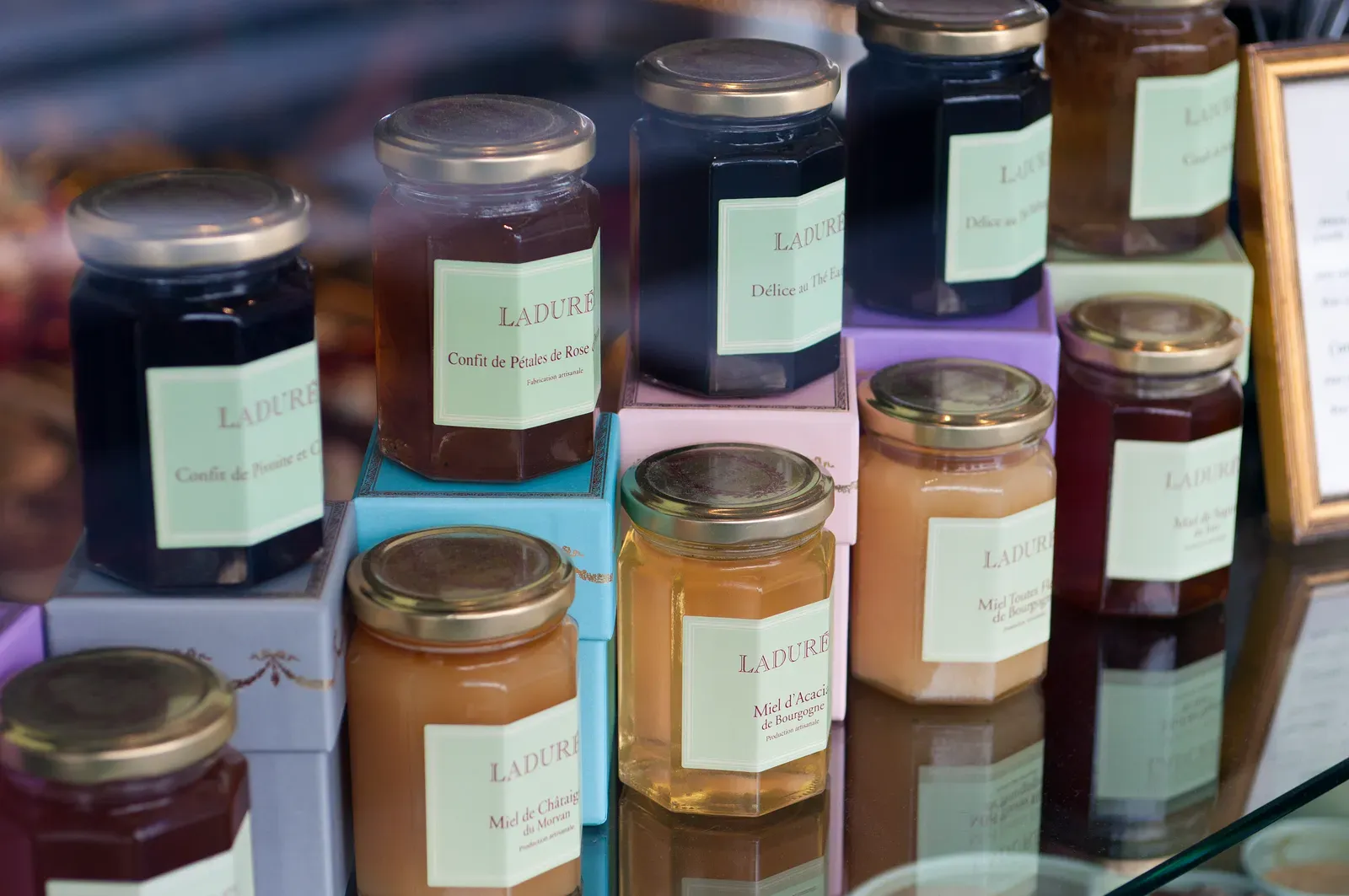
Sheena Iyengar’s study at a grocery store tested this directly. Shoppers saw either six or twenty-four jam varieties. Tastings drew crowds for both setups. Yet purchases told a different story. Those with fewer options bought ten times more often.
The limited display sparked quicker decisions. Abundance led to browsing without commitment. People walked away empty-handed. This showed overload in real time. It proved fewer choices boost action.
Supermarkets’ Product Explosion
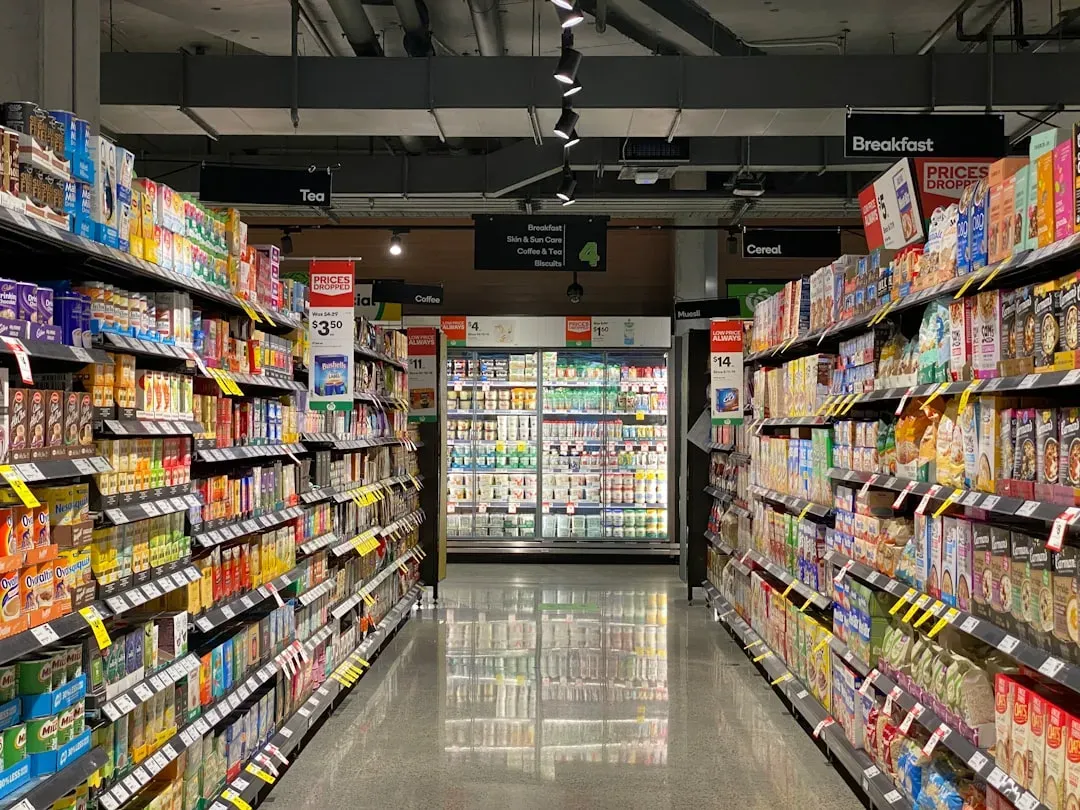
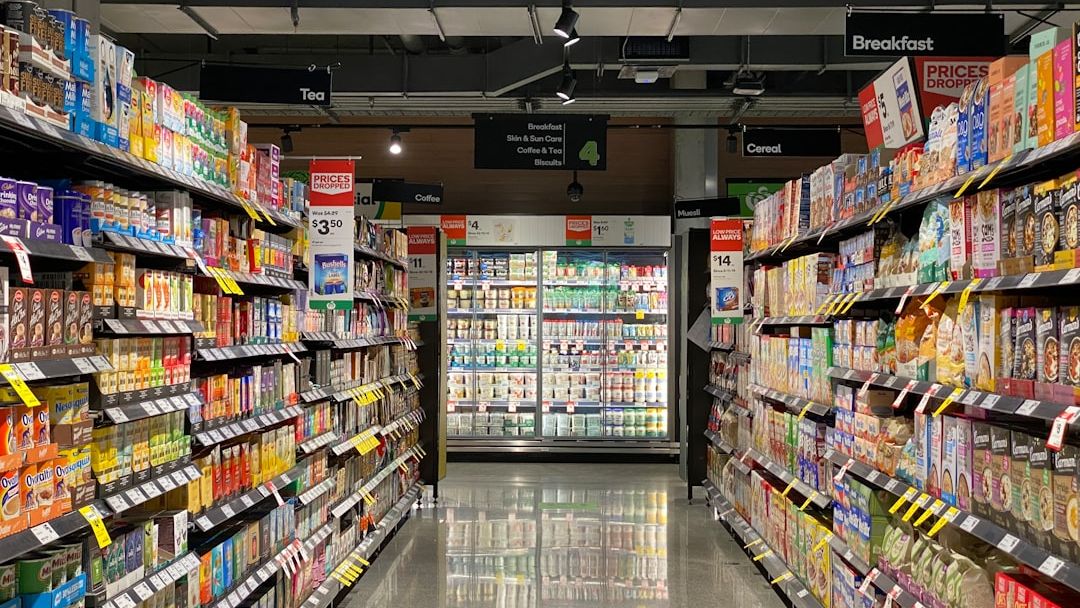
Stores stocked around 9,000 items in the 1970s. Today that number exceeds 30,000. Shelves overflow with varieties of everything. Cereals alone fill entire aisles. Shoppers navigate a maze of brands.
This growth aims to please everyone. Instead it overwhelms the average cart-pusher. Time spent choosing drags on. Mental energy drains fast. The result mirrors Iyengar’s jams on a massive scale.
Online Shopping’s Endless Scroll
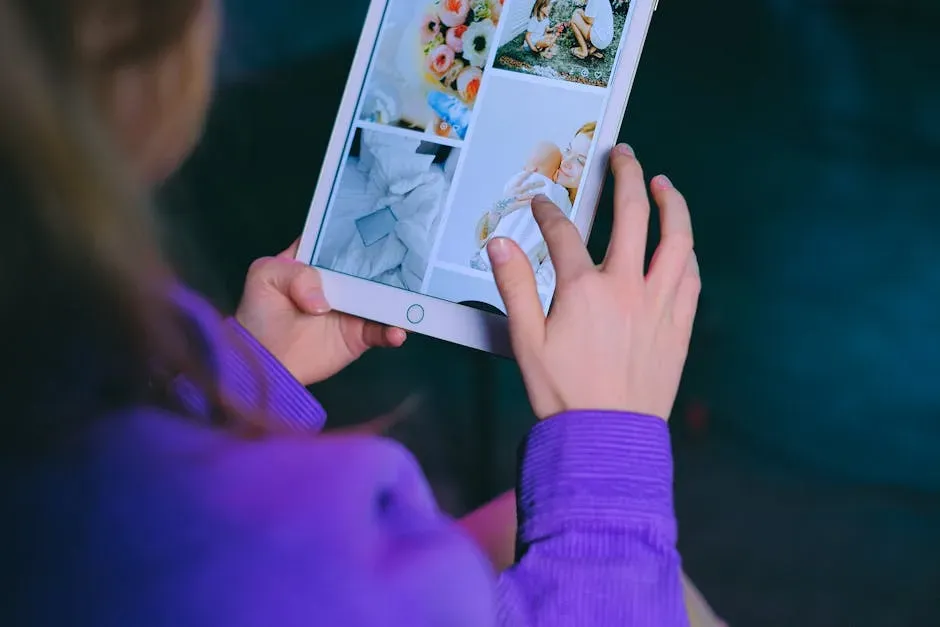
A 2023 study revealed 64 percent feel swamped by digital options. E-commerce sites offer infinite filters and suggestions. Colors, sizes, and reviews multiply choices. What starts as a simple buy turns endless. Carts fill then empty as doubt creeps in.
Decision time stretches longer. Up to 40 percent more in some cases. Fatigue sets in from constant comparison. Many abandon purchases altogether. The screen’s glow hides growing frustration.
Streaming Services’ Watchlist Woes
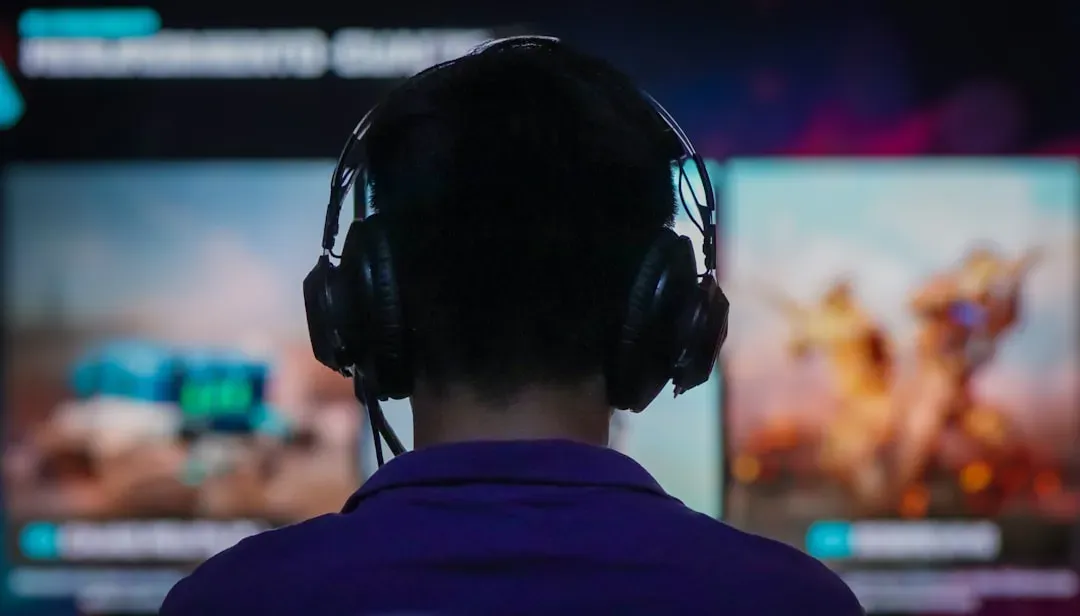
Platforms like Netflix hold thousands of titles. Users average seven to ten minutes just picking. Thumbnails blur into sameness. Genres overlap confusingly. The perfect show feels always one scroll away.
This ritual kills spontaneous joy. Time meant for viewing slips by. Overload turns relaxation into work. Minds race through what-ifs. Evening plans stall in paralysis.
Decision Paralysis Takes Hold
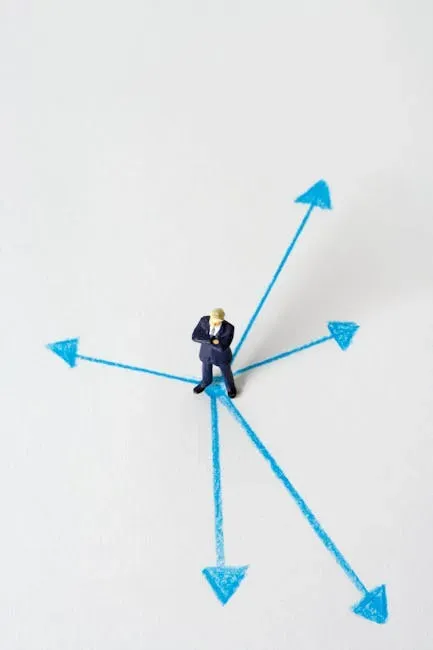
Too many options freeze people in place. Research confirms lower rates of any choice at all. The brain shuts down under pressure. No decision feels safer than a wrong one. This stalls life big and small.
Work choices suffer too. Menu planning becomes a chore. Even coffee orders overwhelm. The phenomenon spares no corner. Daily rhythms slow to a crawl.
Post-Choice Regret Amplifies Pain

More options breed second-guessing. People dwell on untaken paths. Regret spikes as imagined alternatives shine brighter. Satisfaction fades post-purchase. Joy from the pick diminishes quickly.
This cycle erodes confidence. Next decisions carry extra weight. Patterns of doubt repeat. Emotional toll mounts over time. Happiness slips through overthinking fingers.
Combating Overload with Simplicity
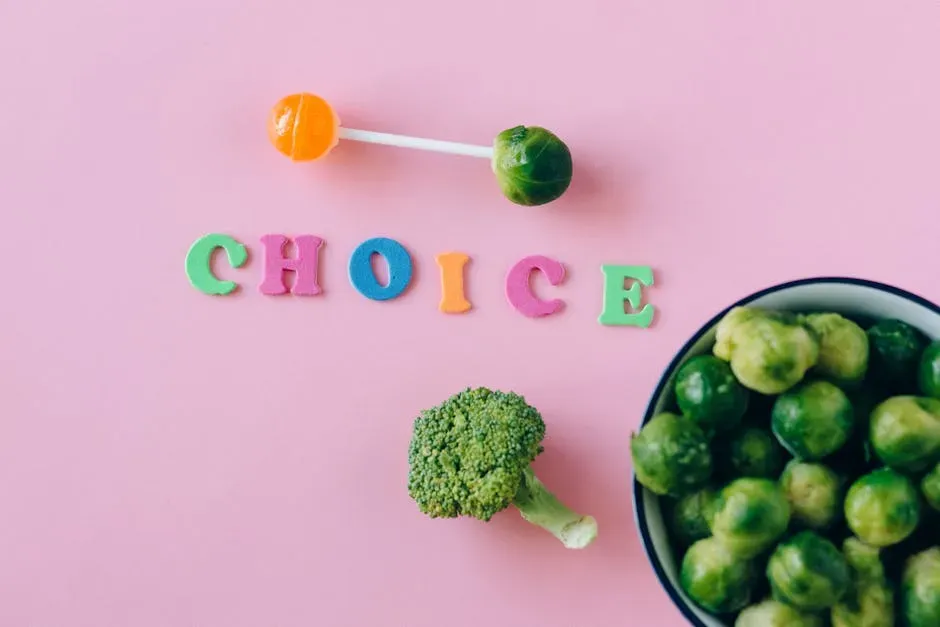
Limiting to three to five options works wonders. Studies show higher satisfaction then. Confidence in picks rises sharply. Decisions flow faster and firmer. Mental fatigue eases noticeably.
Quality improves by avoiding exhaustion. Up to 25 percent better over repeated choices. Curation beats chaos every time. Embrace constraints for real freedom. Joy returns when paths narrow.