
The Wellness Obsession Boom
Over 301 million people worldwide deal with anxiety disorders, marking it as one of the top mental health issues today. Many chase perfect health through apps and routines, thinking it will calm their minds. Instead, this drive often amps up stress levels without them noticing. Around one in five adults links their anxiety symptoms directly to everyday choices like diet tweaks or screen time. Fitness trackers buzz with data, promising control, yet they pull people into a cycle of constant checking. That little ping for steps or calories starts feeling like a demand. Before long, relaxation slips away as numbers take center stage. Simple joys get overshadowed by the quest for optimization.
Rigid wellness plans sound great on paper, but they build quiet pressure over time. Folks dive into health podcasts or challenges, seeking that edge. What starts as motivation turns into a mental load, especially with social feeds full of glowing transformations. Nearly everyone in strict routines feels the weight to keep going, even when it hurts. About 60 percent admit the strain affects their peace. Flexible approaches work better for lasting calm, studies show. Dropping the all-or-nothing mindset lets real health stick around. Balance beats burnout every time.
Why Tracking Feels Like a Win at First
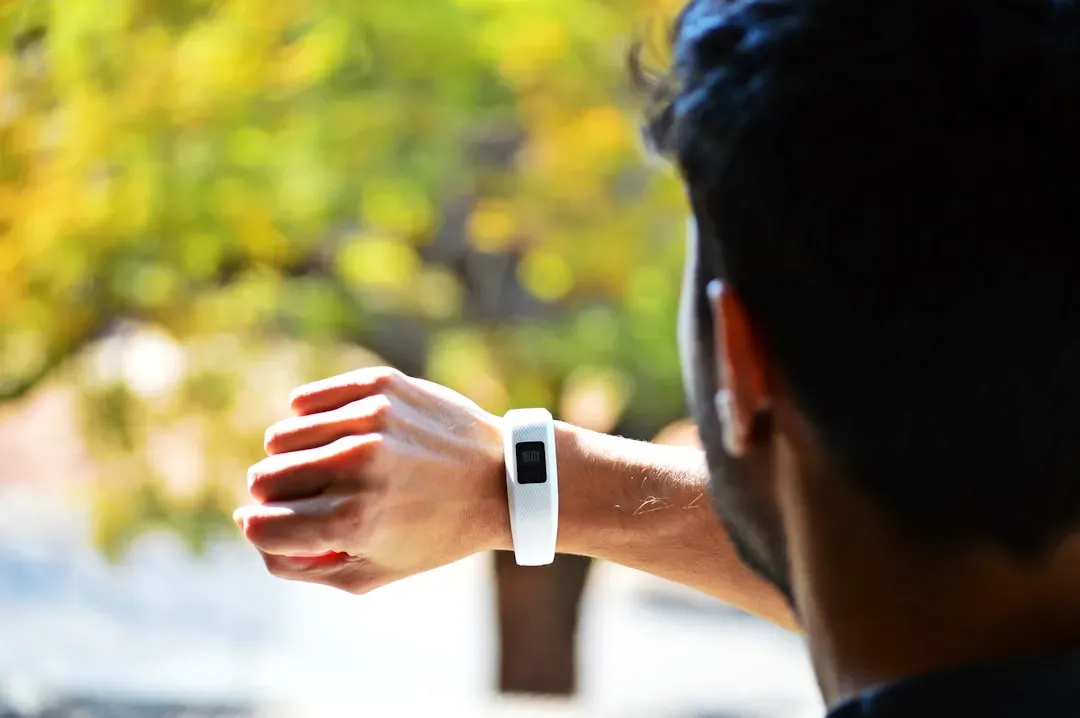
Health apps promise insight into your body, from heart rate to hydration levels. People strap on watches or log meals, feeling empowered right away. That initial rush comes from seeing progress in graphs and badges. Excessive tracking ties straight to higher stress, though, as obsessive patterns creep in. Thoughts loop around hitting targets, leaving little room for downtime. One study points out how this mirrors addictive behaviors in other areas. Users check devices dozens of times a day, turning rest into review sessions. The habit sneaks up, disguised as self-care.
Daily life shifts when every bite or step gets measured. Friends notice you skipping fun plans to stay on track. Anxiety simmers under the surface, fed by fear of falling short. Moderate use helps, but most slide into overdrive without realizing. Data overload clouds judgment, making small slips feel huge. Stepping back reveals how much mental energy it drains. Natural cues from your body work fine without the tech chorus. Listening inward beats staring at screens outward.
Clean Eating’s Hidden Obsession

Rigid clean eating pushes people toward only “pure” foods, chasing vitality. Labels get scanned for hidden sugars or additives everywhere. This focus spikes risks for orthorexia nervosa, where healthy turns harmful. Meals become battles, joy fades from eating. Social circles reinforce it with recipe shares and challenges. Bodies need variety, not restrictions that tighten like a vice. What feels disciplined often isolates and exhausts. Balance in the plate mirrors balance in the mind.
Orthorexia sneaks in through wellness influencers and trends. Rules multiply, from no grains to perfect portions. Anxiety flares when real life doesn’t fit the plan. About one in five ties anxiety to these diet habits now. Flexibility lets nutrients flow without the mental tug-of-war. Experimenting keeps food fun again. Dropping perfection opens doors to sustainable energy. Health thrives on ease, not enforcement.
Caffeine’s Role in the Anxiety Spike

Coffee flows freely in fitness circles, hailed as a productivity booster. Mornings start with double shots for that alert edge. High intake ramps heart rates and mimics panic in sensitive folks. Jitters blend with real worry, hard to tell apart. Gym culture pairs it with pre-workouts, doubling the dose. Bodies adapt, but crashes follow, feeding the cycle. Moderation keeps benefits without the buzz gone wrong. Swap for herbal options on edgy days.
Sensitivity varies, some thrive on a cup, others unravel after two. Wellness routines overlook this, pushing endurance drinks. Anxiety symptoms like racing thoughts trace back to that brew often. Cutting back reveals clearer focus underneath. Hydration steps in as the quieter hero. Listen to your pulse before pouring more. Steady energy builds without the wired edge. Calm routines honor your unique wiring.
Social Media’s Wellness Comparison Trap

Feeds overflow with six-pack abs and green smoothie bliss. Scrolling health content over three hours daily hikes anxiety through endless comparison. Perfect poses spark self-doubt, especially for young adults. Filters hide struggles, showing only highlights. Time slips away in likes and saves, minds racing to match up. Real progress gets buried under curated lives. Curate your own feed with real talk instead. Step away to reclaim your pace.
Idealized routines pressure viewers to copy overnight. Anxiety brews from feeling behind the glow-up. One in five adults feels this lifestyle pinch hard. Algorithms feed more of the same, deepening the loop. Balance comes from muting the noise makers. Your journey doesn’t need viral validation. Local walks beat influencer workouts for peace. Authenticity fuels true wellness glow.
Sleep Trackers Breeding Restless Nights

Apps promise better sleep with rings and scores each morning. Bands track every toss, aiming for deep stage perfection. This leads to orthosomnia, anxiety over ideal metrics. Perfect rest becomes the new obsession, ruining actual downtime. Wake-ups check data before coffee, stress mounting early. Natural sleep rhythms vary, tech ignores that nuance. Ditch the device for deeper drifts. Trust your body’s quiet wisdom.
Users fixate on numbers, tweaking routines endlessly. Bedtime rituals turn into experiments gone stressful. Anxiety lingers from “bad” nights logged forever. About 60 percent in strict wellness feel this trap. Unplugging restores the mystery of rest. Morning light and wind-downs work wonders sans screens. Cycles even out without the watchful eye. Peaceful slumber favors freedom over figures.
The Pressure of Perfect Routines

Strict wellness demands consistency, no off days allowed. Missing a workout or treat sparks guilt waves. This rigidity boosts stress, clashing with life’s flow. Around 60 percent report mental hits from upholding it. Bodies crave rest, minds need play too. Perfection pursuits drain more than they deliver. Ease in habits builds resilience instead. Flow with days, not fight them.
Routines lock in, flexibility fades out. Social proof from challenges keeps the grind going. Anxiety fills gaps when plans bend. Moderate paths lower stress long-term, data confirms. Tweak as needed, listen close. Joy sneaks back into movement and meals. Sustainable health hugs humanity. Let go to hold on better.
Flexible Habits for Real Calm

Moderate wellness shines brighter than rigid rules. Flexible eating and moving adapt to moods and needs. This cuts anxiety risks, fostering steady well-being. One in five avoids lifestyle pitfalls this way. Listen to hunger, not apps alone. Variety keeps interest alive and fresh. Bodies thank the trust with energy. Minds settle into grateful grooves.
Swap obsession for intuition daily. Walks when sunny, rest when weary work fine. Studies back this for mental wins. Pressure lifts, enjoyment lands. Build habits around life, not against it. Small shifts compound to big peace. Wellness whispers when you ease the grip. Thrive light, not loaded.