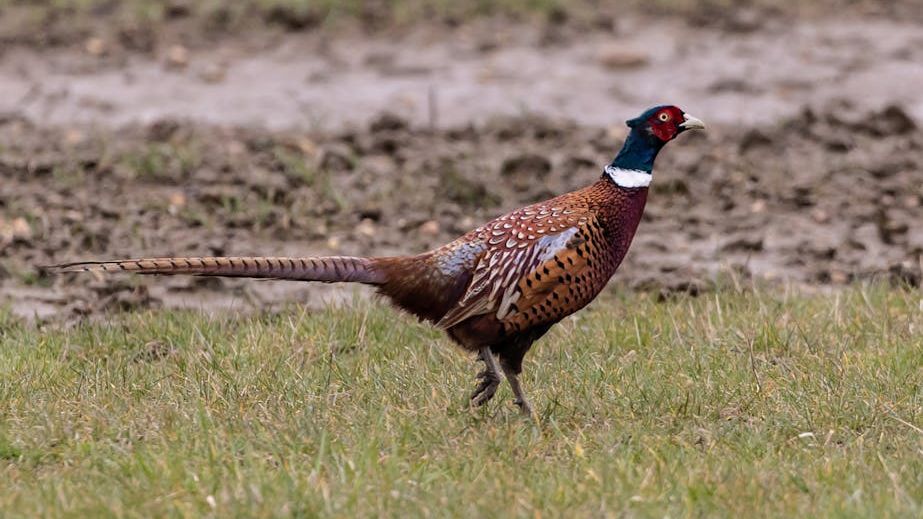
Mansion XVII – Wèi (Stomach) – Image for illustrative purposes only (Image credits: Pexels)
Farmers in ancient China scanned the night skies for reassurance before the harvest season. The glow of certain stars in the seventeenth lunar mansion, Wèi – known as the Stomach – promised full granaries and prosperous times. This celestial feature, part of the White Tiger’s western domain, linked the cosmos directly to human sustenance and fate.[1][2]
Celestial Position and Ancient Framework
Chinese astronomers established the 28 lunar mansions over 4,500 years ago to track the moon’s sidereal journey along the ecliptic. Wèi occupied the seventeenth slot, spanning roughly from 16 Taurus 56 to 29 Taurus 25 in modern terms, though sources vary slightly on exact boundaries.[1] It formed the third segment of the seven mansions governed by the White Tiger, a guardian of the west associated with autumn and metal energies.
The mansion drew stars from Aries, Taurus, Cetus, and Perseus, blending into a cohesive stellar granary. Observers noted its Earth element alignment within the Five Elements system, emphasizing stability and nourishment. This positioning allowed ancient stargazers to correlate lunar phases here with seasonal rhythms on earth.
Seven Key Asterisms Within Wèi
Wèi encompassed seven distinct asterisms, each contributing to its overarching theme of storage and preservation. These groupings totaled 39 stars, forming a rich tapestry of celestial imagery from barns to boats.
| Asterism | Meaning | Stars | Modern Constellation |
|---|---|---|---|
| Wèi Su | Stomach | 3 | Aries |
| Tiānlǐn | Celestial Foodstuff | 4 | Taurus |
| Tiānqūn | Circular Celestial Granary | 13 | Cetus |
| Dàlíng | Mausoleum | 8 | Perseus |
| Tiānchuán | Celestial Boat | 9 | Perseus |
| Jīshī | Piled Corpses | 1 | Perseus |
| Jīshuǐ | Stored Water | 1 | Perseus |
These asterisms evoked a scene of heavenly logistics: granaries stocked with grain, tombs safeguarding the dead, and boats navigating cosmic rivers. Such vivid depictions reinforced Wèi’s role as a storehouse in the sky.[1][3])
Symbolism Rooted in Sustenance
Early texts dubbed Wèi the “Heavenly Granary,” mirroring the human stomach’s function as a receiver and processor of food. Bright stars within signaled bountiful harvests and societal stability, while dimness foretold famine or disorder. The pheasant emerged as its guardian animal, embodying vigilance over provisions.
Historians like Ma Duanlin described how the mansion’s luminosity reflected earthly granaries: vibrant lights promised peace and plenty, whereas conflicts among planets brought eclipses and calamity. This symbolism extended to the mansion’s indigestion-like clustering of stars, hinting at overabundance or unresolved tensions. Cultivating harmony here, observers believed, ensured personal and communal resilience.[1]
Astrological Omens and Influences
In traditional astrology, Wèi carried a lucky omen, tied to Saturn and spanning mid-May dates. It governed wealth accumulation, prisons, executions, and water management like reservoirs. Individuals connected to this mansion often displayed unyielding strength, though they navigated life’s ups and downs through relationships.
Marriages under Wèi promised children shielded by influential protectors. Earth-related pursuits thrived: investments, banking, digging, and funerals all found favor. Yet, interpretations warned of ruthlessness if interpersonal bonds weakened, underscoring balance in ambition.[2]
Guidance from Classical Tong Shu
The Tong Shu almanac offered practical directives for Wèi days. Favorable actions centered on harvest, grain storage, warehouse openings, and ceremonial food preparation. Accounting and stocktaking aligned perfectly with its granary essence.
Cautions applied to travel, hasty decisions, and ventures demanding quick reflexes without preparation. As part of the White Tiger quadrant, Wèi emphasized judgment and martial readiness, best approached with deliberation. Layering these with personal charts refined timing for rituals and daily affairs.[4]
Long after ancient granaries filled under Wèi’s watchful stars, this lunar mansion reminds us of the sky’s subtle guidance over human endeavors. Its legacy persists in astrology enthusiasts who seek prosperity amid uncertainty, proving celestial wisdom endures.