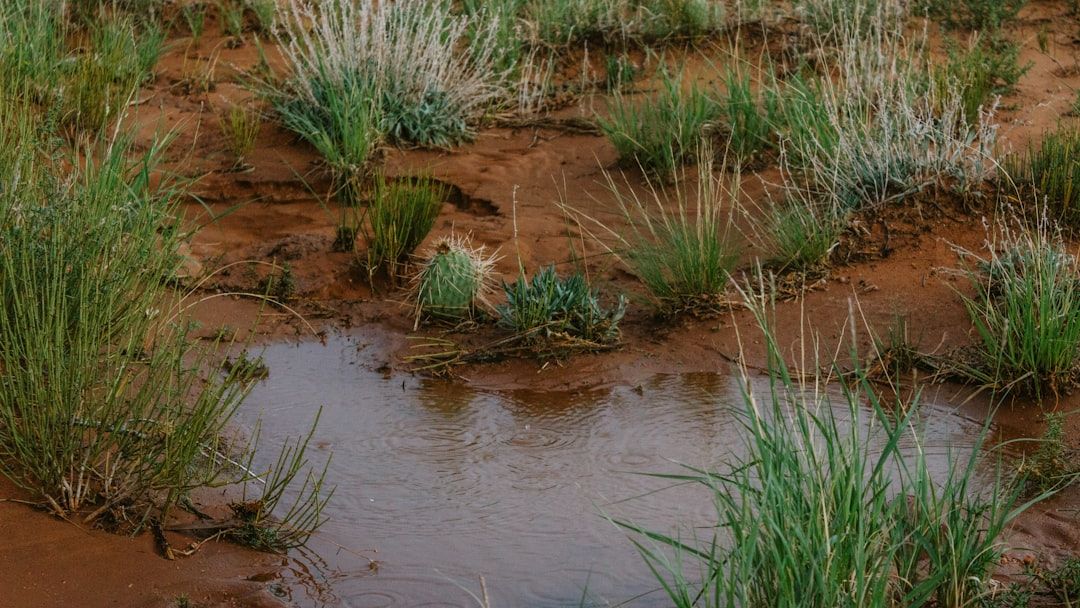

Across the U.S., drought conditions cover more than 60 percent of the lower 48 states as of early 2026, yet some shortages feel hidden from national headlines.[1][2] Groundwater depletion and low soil moisture create pressures that don’t always show cracked earth or empty reservoirs. Four states stand out for local water rationing measures that fly under the radar, driven by these subtler deficits.
Colorado, Texas, Florida, and Nevada face ongoing restrictions amid broader dryness. Officials implement limits on usage without fanfare, focusing on agriculture and urban supplies. These steps highlight a creeping crisis tied to evaporation, overpumping, and weak snowpacks.
What Makes a Drought “Invisible”?
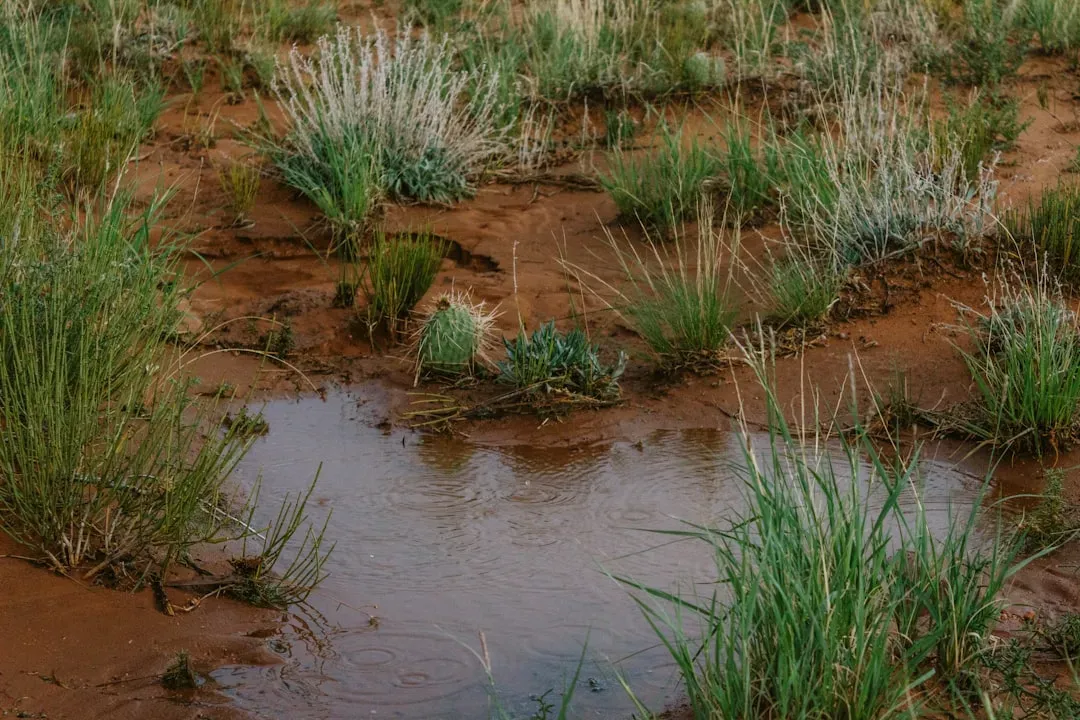
Traditional droughts grab attention with parched landscapes, but invisible ones strike through soil moisture shortfalls even amid occasional rain. High evaporation rates pull water from the ground faster than it replenishes, stressing crops and aquifers without obvious signs.[3] In the U.S., this shows up in groundwater declines across the Southwest and Plains.
Satellite data reveals vast drying trends over decades, with fresh water losses accelerating since 2000. States deal with it quietly via pumping limits rather than emergency declarations. The effect builds slowly, hitting wells and rivers before headlines catch up.[4]
Colorado’s Low Snowpack Squeeze
Colorado entered 2026 with record-low snowpack after an unusually warm winter, prompting water managers to enact use restrictions across the state. Cities and farms now face mandatory cuts to prepare for a dry summer, with reservoirs dipping below normal. This snow drought remains less visible than summer heat waves.[5][6]
Topsoil moisture rates 95 percent very short to short in farm areas, per USDA reports. Local districts enforce odd-even watering days and irrigation caps. Without quick rains, broader rationing looms for the Front Range.
Texas Towns on the Edge
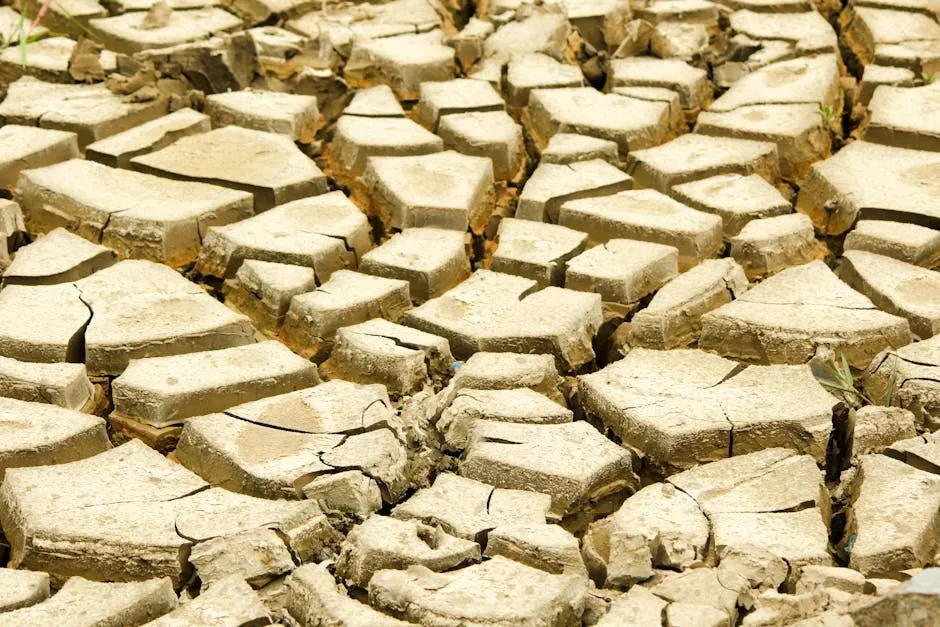
Towns like Mathis in Texas watch their sole reservoirs shrink, leading to strict local rationing as intakes near sludge levels. Prolonged dryness has forced exploration of new wells and reclaimed water to avert shutdowns. These measures stay contained to communities, avoiding statewide alerts.[7]
Statewide, winter wheat suffers with over half rated poor, tied to groundwater strains in the Plains. Cities impose fines for excess use amid broader drought expansion. The High Plains aquifer depletion adds a hidden layer to surface woes.
Florida’s Conservation Mandates
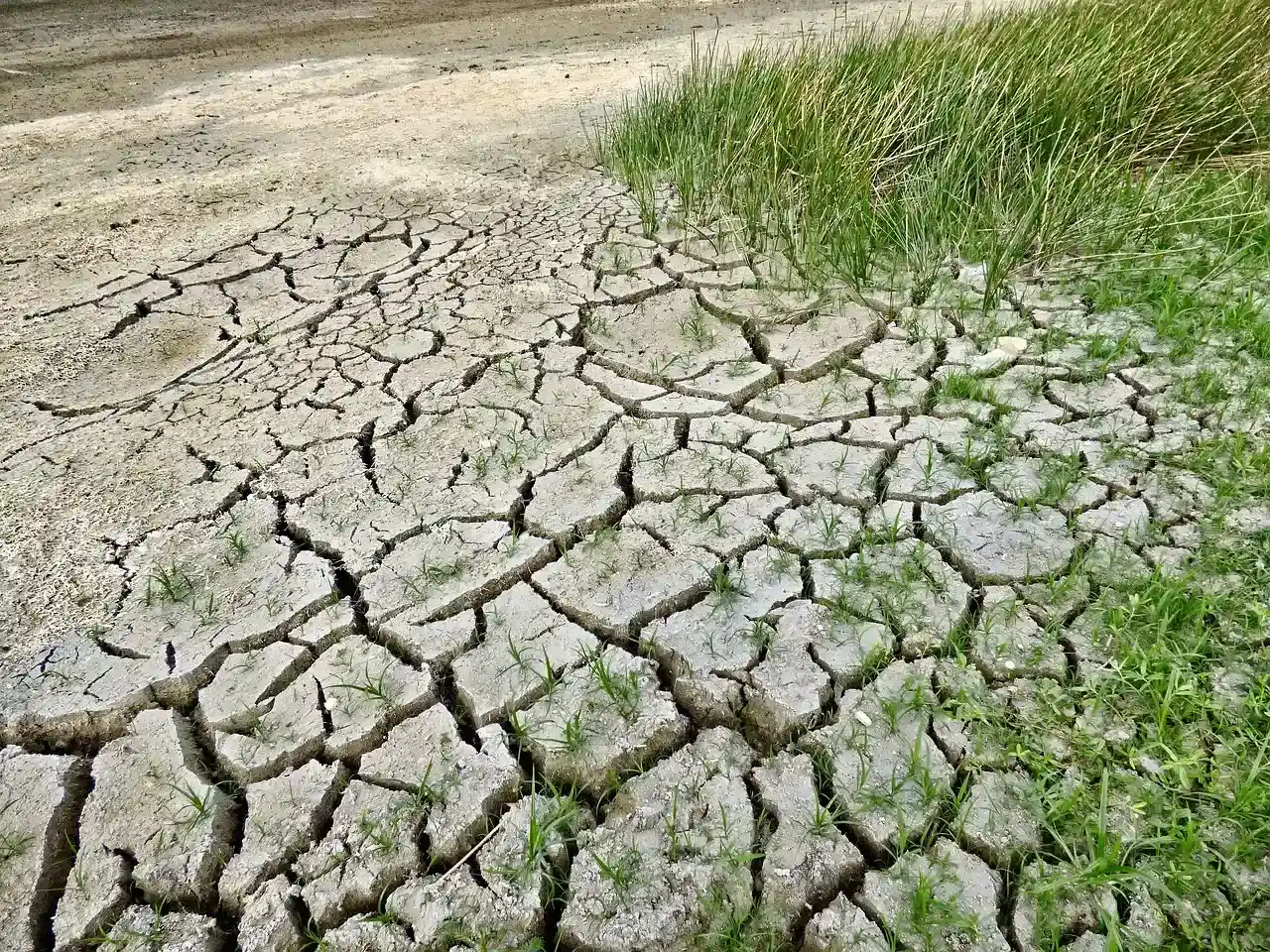
All five Florida water management districts maintain conservation rules for parts of the state, responding to low groundwater and dry conditions stretching into 2026. Urban and rural users cut back on lawns and pools to preserve supplies. These ongoing restrictions blend into daily life without dramatic cutoffs.[8]
Southeast dryness covers nearly all the region, with Florida seeing below-normal levels in key aquifers. Agriculture feels the pinch through reduced irrigation allowances. Officials monitor closely as demand rises with warmer months.
Nevada’s Tiered Shortages
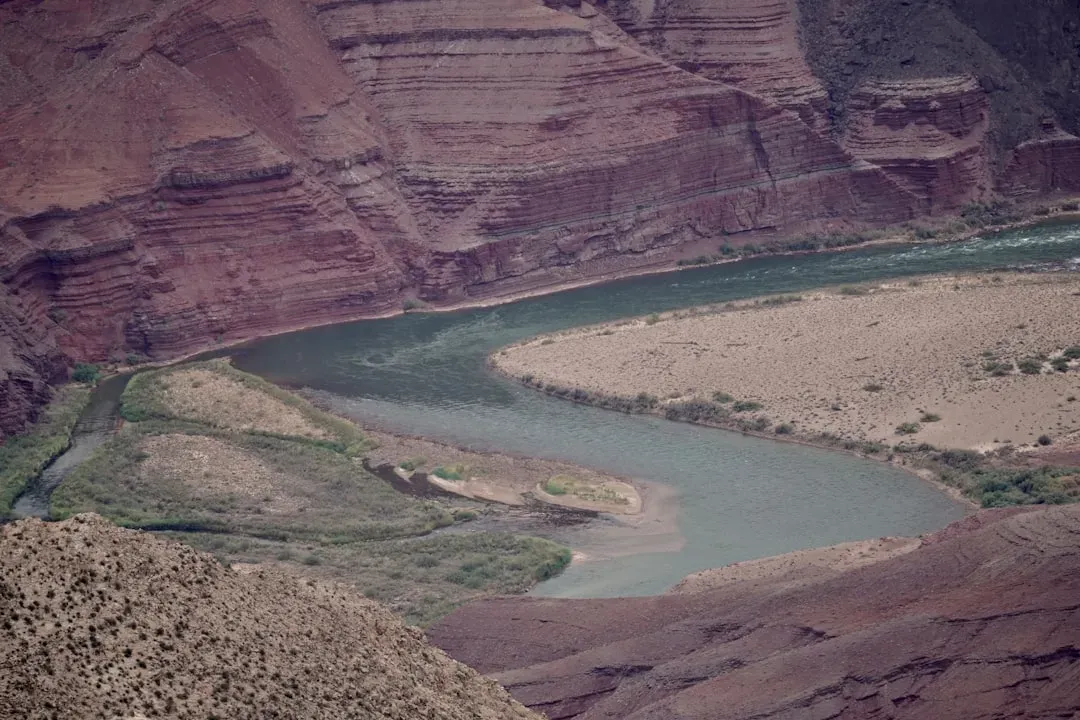
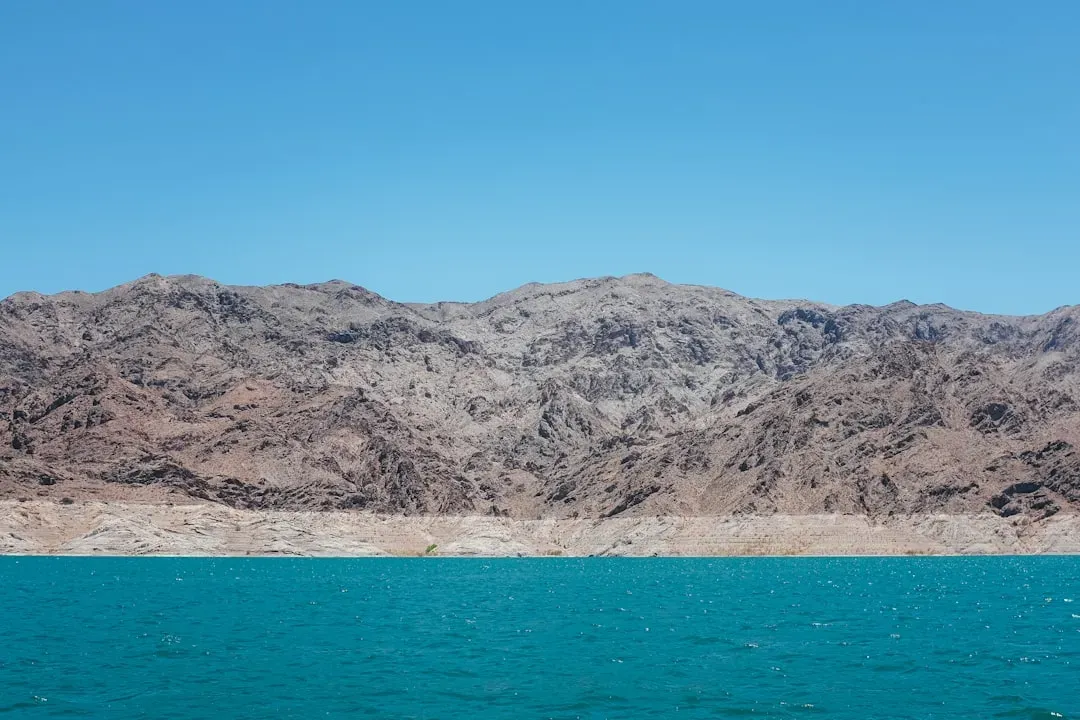
Southern Nevada started 2026 under Tier 1 water shortage rules from the Colorado River, mandating cuts for Hoover Dam dependents. Las Vegas suppliers enforce lower allocations quietly to stretch supplies. The basin’s overall deficit keeps pressures steady but subdued.[9]
Negotiations among basin states faltered without new cuts agreed, heightening local rationing. Residential and commercial users adapt through rebates and tech upgrades. Groundwater backups fill gaps left by river declines.
Groundwater: The Hidden Culprit
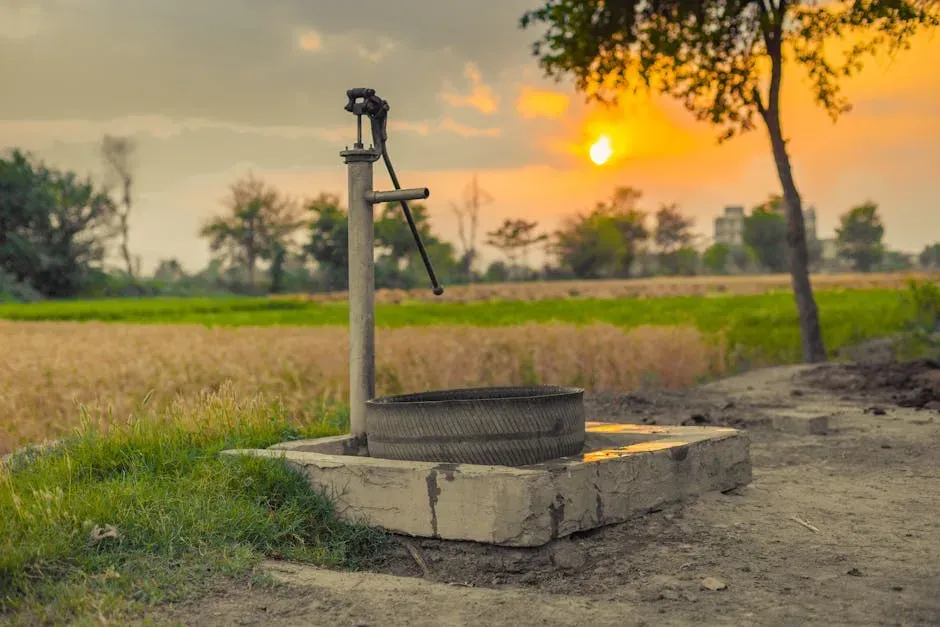
Aquifer overpumping across the Southwest creates mega-drying zones, with satellite tracking showing steady losses. States like these four rely heavily on underground stores that recharge slowly. Depletion leads to well failures and subsidence without fanfare.[10]
New Mexico reservoirs lost over 70 percent since 2000, a trend echoed nearby. Pumping limits now common in permits. This invisible drain sustains surface rationing needs.
Climate’s Role in the Strain
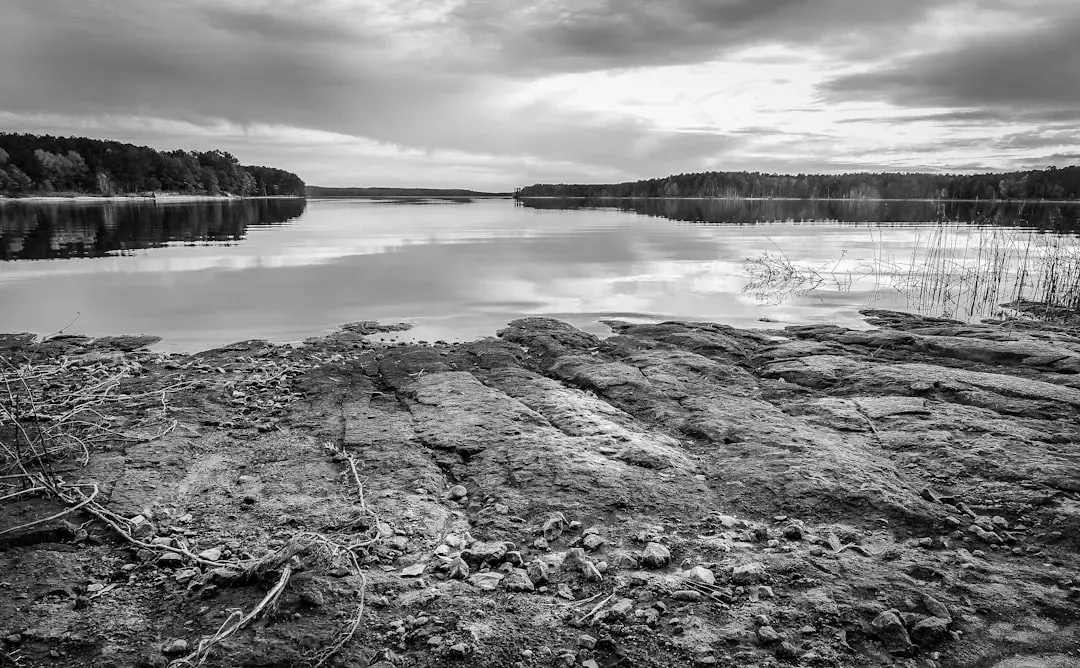
Warm winters cut snowpack in the Rockies, mimicking drought even with average rain. Higher temperatures boost evaporation everywhere, worsening soil deficits. The Southeast’s record spring dryness ties to similar patterns.[11]
Over 97 percent of the Southeast sits in severe drought, fueling quiet restrictions. West faces two-thirds coverage. These shifts demand adaptive measures now routine.
Agriculture Feels the First Pinch
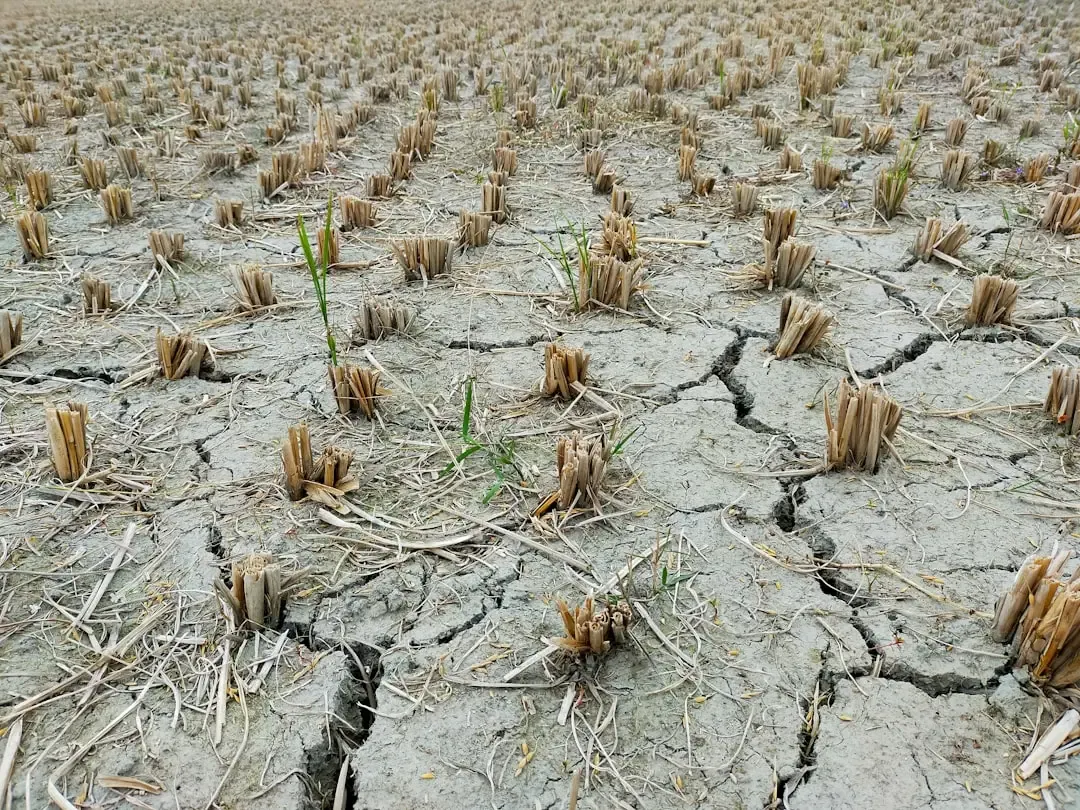
Farms in affected states cut irrigation amid low moisture, with topsoils critically short. Colorado wheat and Texas crops suffer poor ratings from USDA tallies. Yields drop without public outcry.
Water rights battles intensify over groundwater pulls. Restrictions prioritize drinking over fields. Long-term shifts to drought-resistant varieties emerge slowly.
Urban Adaptations Under Way
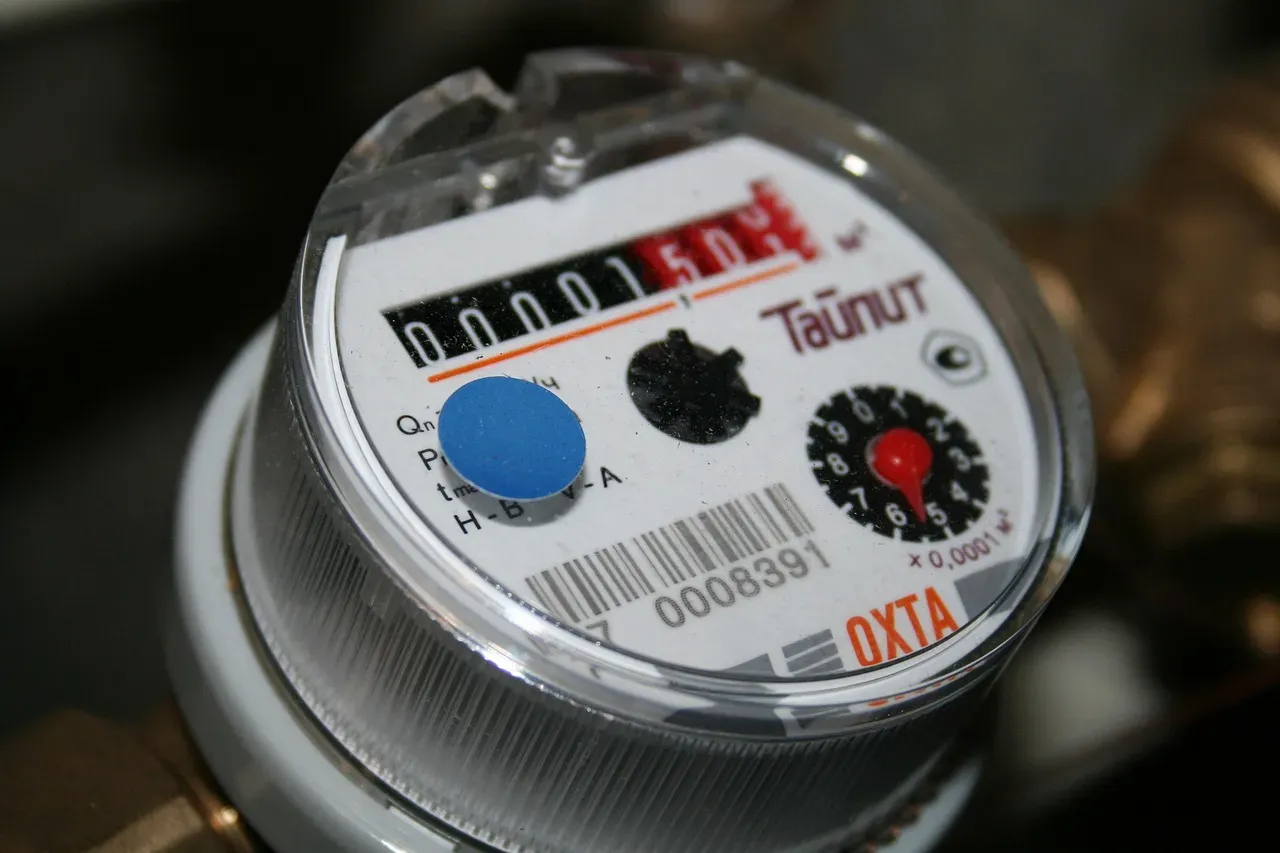
Cities roll out tiered fines and smart meters to curb waste. Nevada rebates push low-flow fixtures. Florida districts track usage hourly for compliance.
Public awareness grows through apps and alerts, yet compliance varies. Reuse plants expand to offset shortfalls. These steps keep taps flowing amid deficits.
Looking Ahead: Tougher Choices Loom
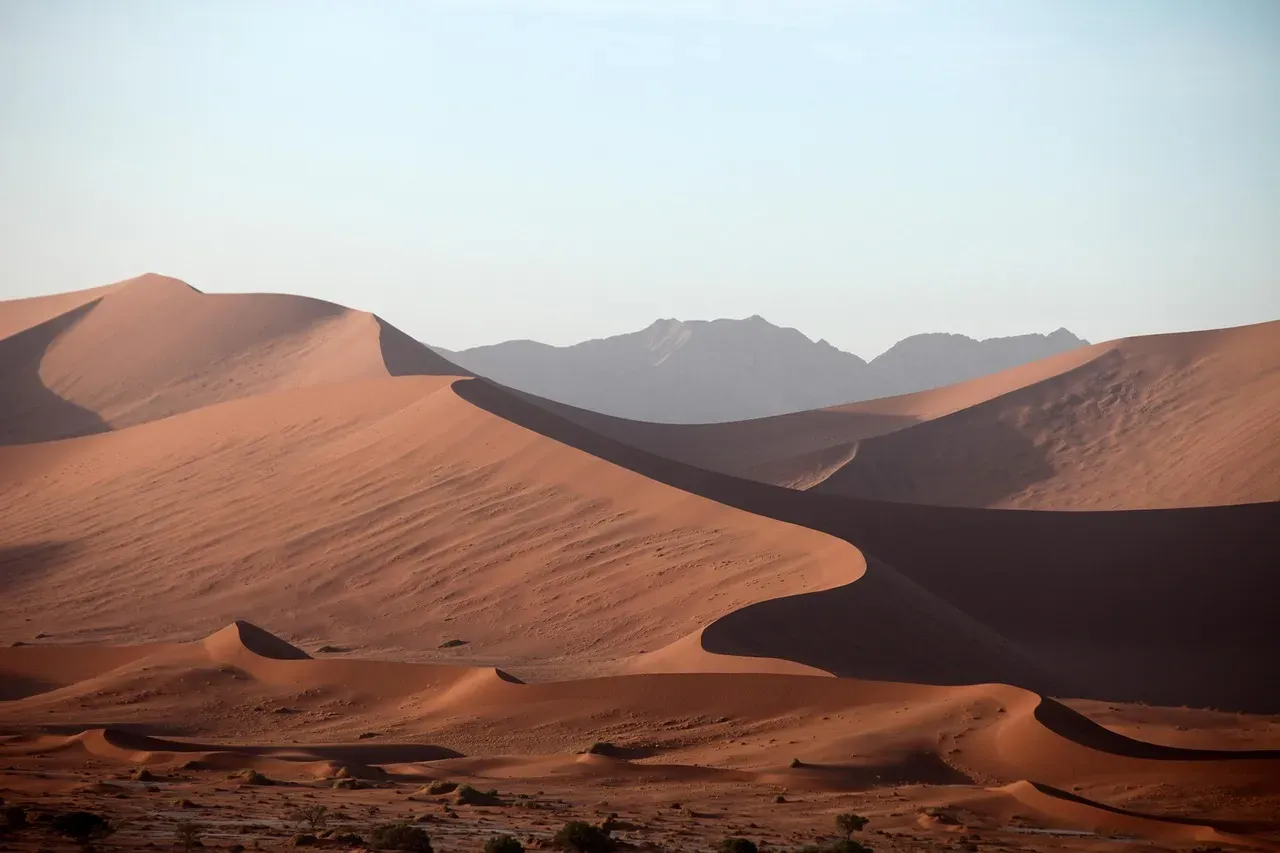
Forecasts warn of expanding dryness without relief, potentially tightening rations. Federal plans for river shares spark debates among states. Investments in storage and efficiency gain urgency.[12]
Communities test limits now to build resilience. Early action today spares crises tomorrow. The invisible threat demands steady vigilance.