
Deeper Details on Lee Harvey Oswald’s Activities Before the Assassination
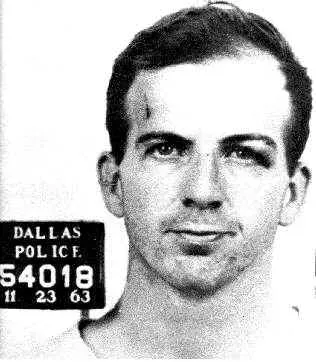
The latest batch of documents from 2025 sheds fresh light on Lee Harvey Oswald’s travels and contacts in the months leading up to November 1963. They describe his time in Mexico City with more precision than earlier releases, including specific meetings and movements that had stayed murky for decades. These pages also trace his earlier interactions with various groups and individuals, painting a clearer picture of how he spent his final year. Historians note that the new material fills in gaps without overturning the basic timeline of events.
Still, the files show how closely intelligence agencies tracked Oswald once he returned from the Soviet Union. They include routine surveillance reports that reveal the extent of monitoring on someone already flagged as a potential risk. This level of detail helps explain why certain agencies kept such close watch on him in the weeks before the Dallas motorcade. The overall effect is a more complete personal record rather than a sudden revelation of hidden motives.
Expanded View of Cold War Surveillance Operations
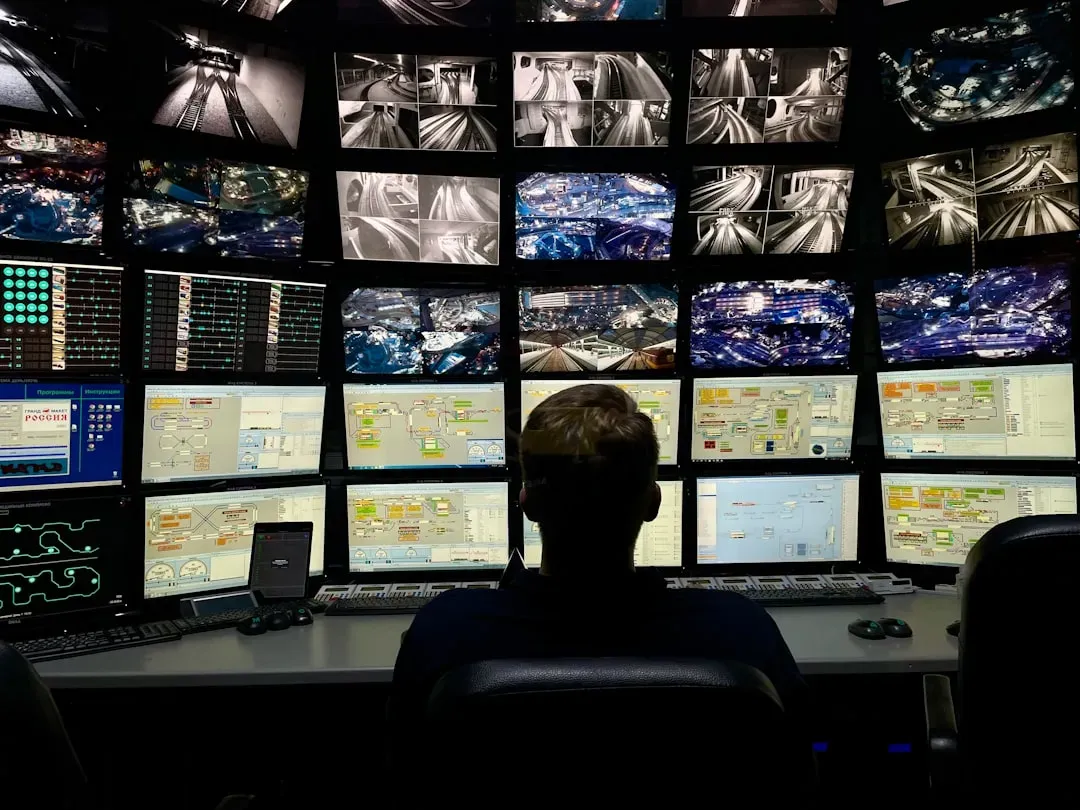
Many of the newly opened pages focus on the broad surveillance programs run by U.S. agencies during the early 1960s. They outline operations aimed at Cuba and the Soviet Union, showing how intelligence resources were stretched across Latin America and beyond. These records describe routine monitoring of diplomatic channels and suspected agents, giving a sense of the daily workload at the height of tensions. The material underscores how the assassination occurred against a backdrop of intense global scrutiny.
Readers can see the scale of these efforts through references to specific listening posts and information-sharing agreements between agencies. The documents also note how concerns about communist influence shaped priorities in the months before and after the events in Dallas. This context makes the era feel more immediate and helps explain why some files stayed sealed for so long. The result is a richer understanding of the environment in which the tragedy unfolded.
No Definitive Proof of a Larger Conspiracy Emerges

Historians who have examined the 2025 releases have been clear that nothing in the new pages supplies conclusive evidence of a wider plot. The documents continue to point toward the same core findings reached decades ago, even as they add layers of operational detail. They do not introduce new suspects or alter the established sequence of the shooting itself. This consistency has been noted across multiple reviews of the material.
At the same time, the files highlight how national security concerns once justified withholding certain pages. Agencies cited risks to methods and sources when deciding what to keep closed. The gradual release process shows how those concerns have eased over time without changing the central conclusions. The absence of smoking-gun evidence has left many long-standing questions still open for further study.
The Sheer Volume of Released Material and Its Impact
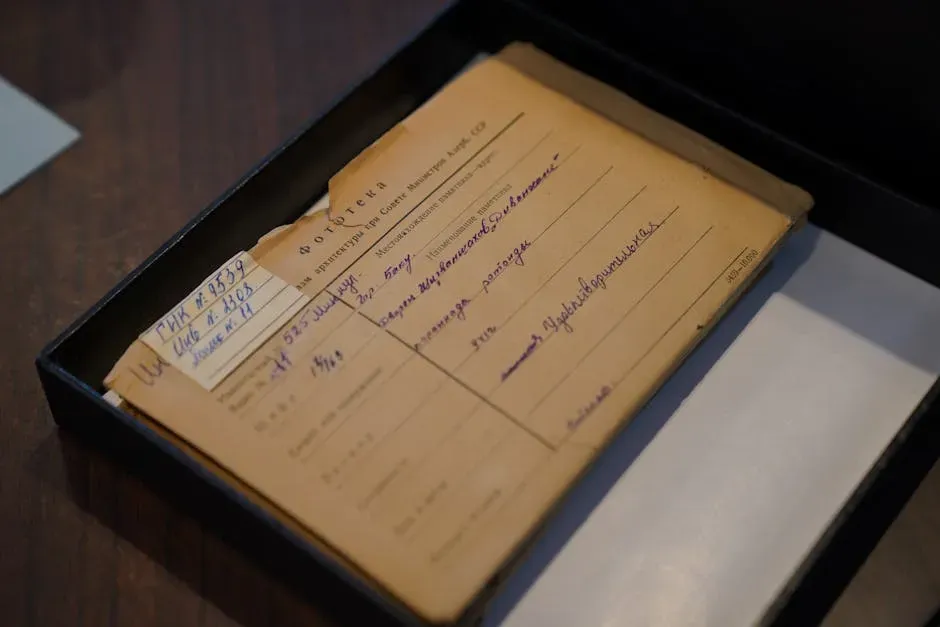
The National Archives has now made public more than 99 percent of the roughly five million pages tied to the assassination investigation. The 2025 unsealing added thousands of additional documents after years of public requests for greater openness. This brings the total released far beyond what was available even a decade ago. The sheer number of pages allows researchers to cross-check details across many different sources.
Earlier laws, including the 1992 JFK Records Act, set the stage for this steady flow of information. Each new batch has required careful review to balance transparency with lingering security considerations. The result is an archive that grows more complete with every round of releases. People interested in the case now have access to a much larger body of primary material than previous generations did.
Persistent Public Doubts Despite the New Information
Polls taken over many years continue to show that most Americans suspect more than one person was involved in the assassination. The latest documents have not shifted that majority view in any dramatic way. They add context and operational color but leave room for the same questions that have lingered since 1963. This steady skepticism reflects how deeply the event affected national trust.
The files also illustrate the wide reach of U.S. monitoring of communist activities across Latin America during the Cold War. Such details help explain why some citizens still wonder whether every angle was fully explored at the time. The ongoing release process keeps the conversation alive without settling every debate. In the end, the records serve as a reminder that historical clarity often arrives in small increments rather than all at once.