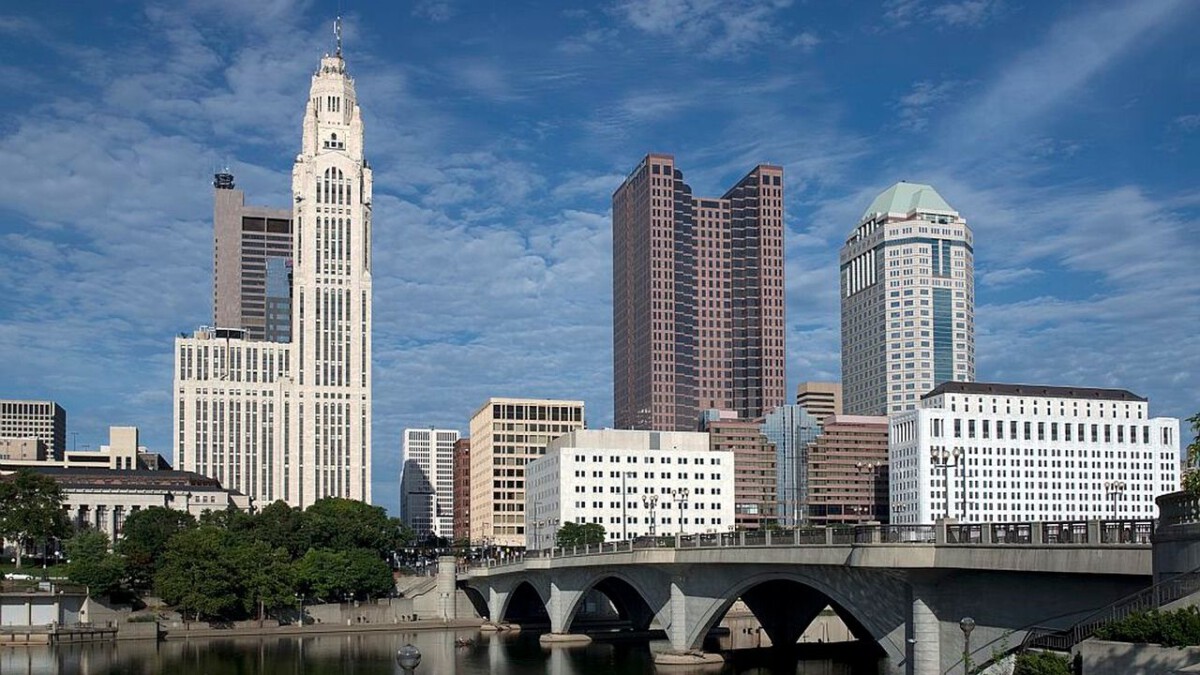

Cleveland, Ohio: Rust Belt Revival Meets Remote Dream
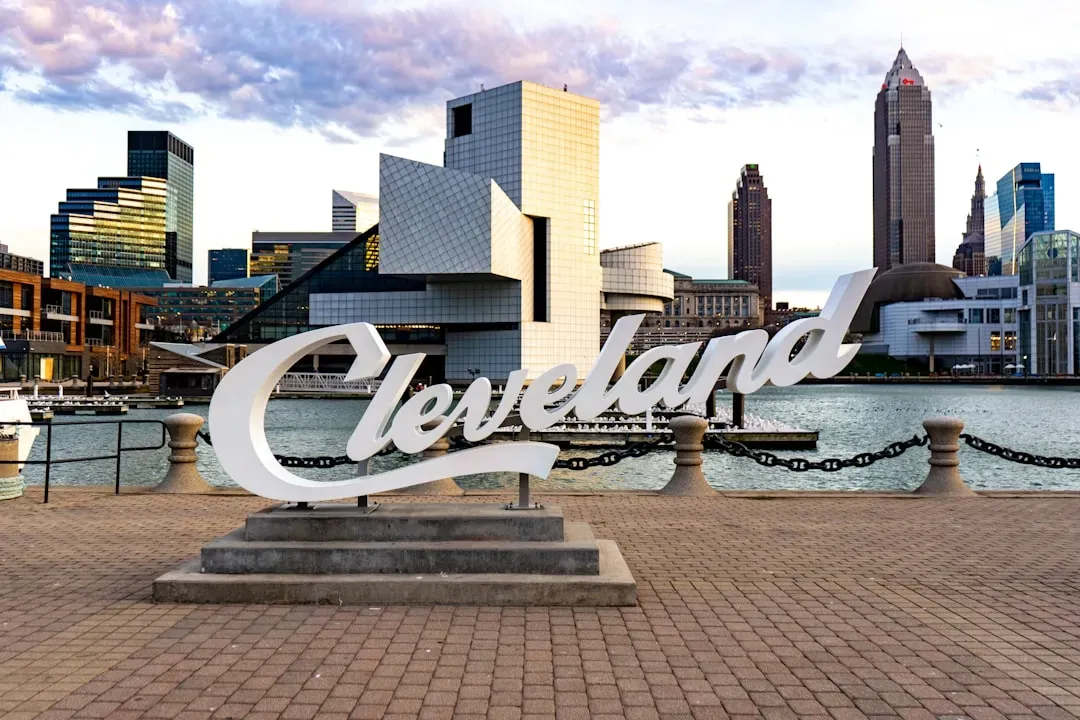
Remote workers have discovered Cleveland as a prime spot for affordable living without sacrificing city perks. Median home prices here hover well below $250,000, letting people snag spacious houses that would cost a fortune on either coast. The city’s net migration turned positive between 2020 and 2023, bucking decades of decline as folks chase lower costs. With over 90% broadband coverage now standard, logging into jobs from Lake Erie feels seamless. Cost of living runs 20 to 30% under the national average, freeing up cash for local eats or weekend getaways. Safety ranks high too, drawing those tired of urban chaos elsewhere. Hybrid setups suit about a quarter of U.S. workers, and Cleveland’s vibe fits perfectly.
Financial perks sweeten the deal, with incentives up to $12,000 for newcomers in some programs. Remote relocators save over $10,000 yearly on housing alone versus pricey spots like San Francisco. The job scene bolsters this, as Columbus nearby adds to regional appeal with its growth. Quality of life surveys show smaller cities like this edging out big metros in satisfaction. Population shifts from pandemic-era outflows from New York funneled talent here. Families love the space, and young pros dig the revitalized waterfront. It’s no wonder Cleveland feels like a hidden gem in this Midwest shift.
Detroit, Michigan: Gritty Charm and Bargain Basements
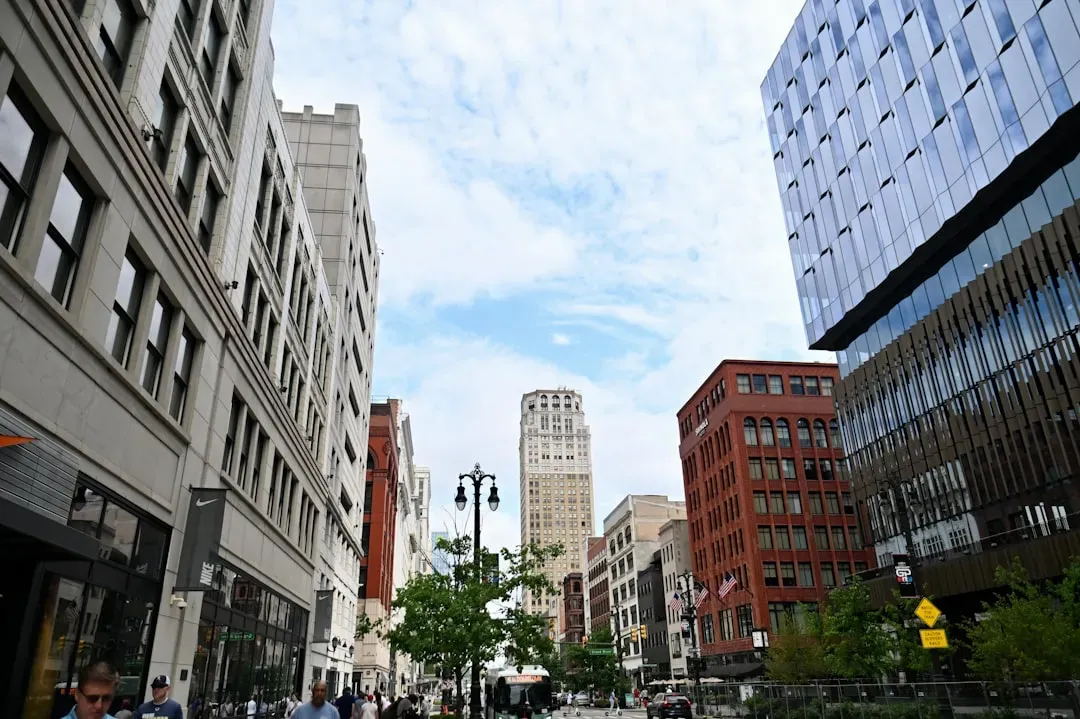
Detroit stands out with median homes under $250,000, a steal compared to coastal averages topping $700,000. Net migration gains hit during 2020 to 2023, signaling a turnaround for the Motor City. Remote work thrives thanks to widespread broadband, covering over 90% of households. Living costs sit 20 to 30% below national norms, especially on housing and transit. About 12 to 13% of full-time U.S. employees go fully remote, and Detroit’s low barriers make it ideal. Outbound moves from San Francisco poured into such affordable zones post-pandemic. Safety and lifestyle priorities match what remote folks seek most.
Incentives reach $5,000 to $12,000 for remote workers settling in, easing the transition. Annual housing savings top $10,000 for those fleeing high-rent cities. The area’s revival brings cultural spots and green spaces that surprise newcomers. Hybrid models, embraced by over 25% of workers, pair well with Detroit’s improving infrastructure. Studies highlight higher satisfaction in these mid-sized hubs over massive metros. Population trends show steady influx, driven by value and vibe. It’s reshaping the narrative from decline to destination.
Columbus, Ohio: Growth Engine for Digital Nomads
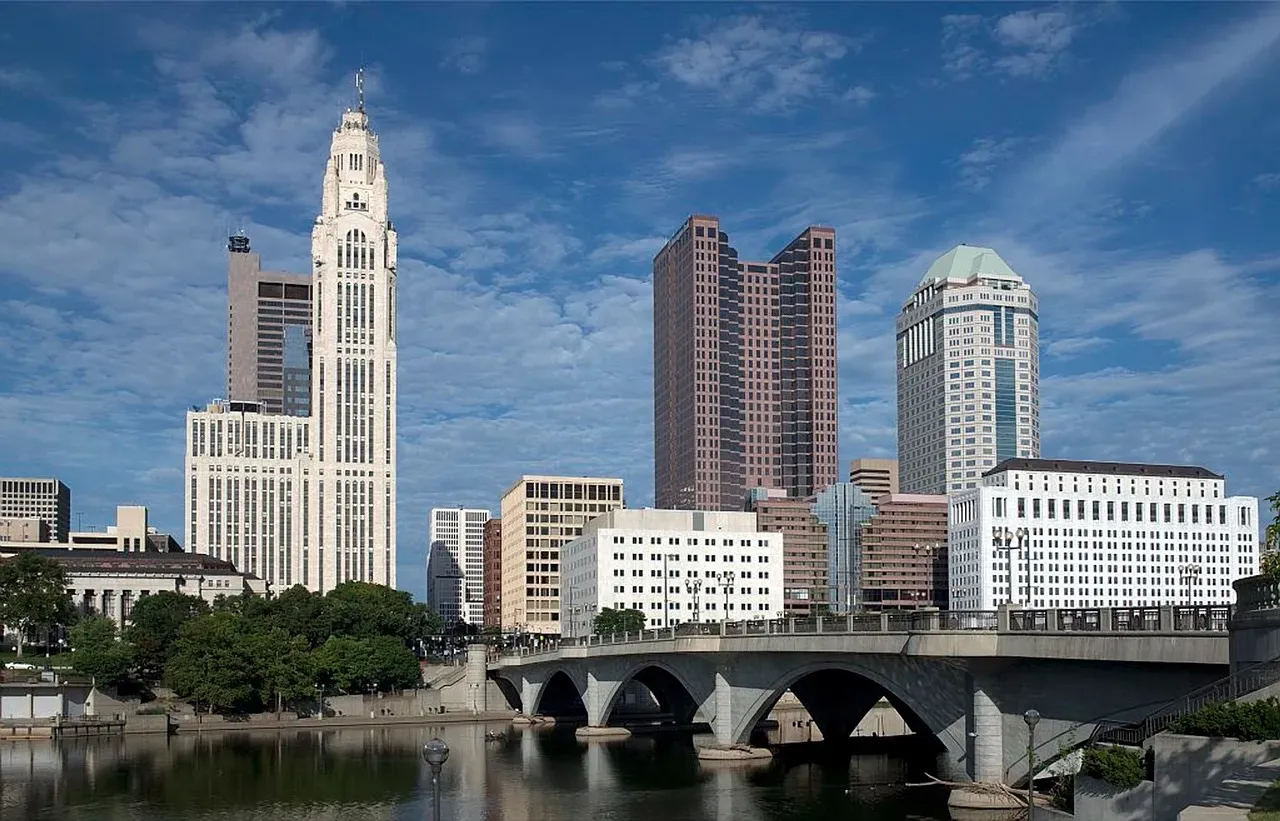
Columbus boasts over 10% population growth in the last decade, fueled by jobs and cheap living. Median homes stay affordable, far from coastal excesses over $700,000. Broadband blankets over 90% of homes, supporting the remote wave where 12 to 13% work fully from home. Cost of living lags 20 to 30% behind the U.S. average, hitting housing and transport hardest. Pandemic migrations from New York boosted this steady riser. Hybrid work, at over 25%, thrives in its balanced scene. Remote savers pocket $10,000 plus yearly on rent or mortgages.
Local incentives offer $5,000 to $12,000 to lure remote talent, stacking with natural affordability. Quality of life leads in surveys, prioritizing safety and ease over big-city grind. Net gains in migration since 2020 underscore the pull. The city’s mix of tech jobs and culture keeps newcomers hooked. Families and pros alike rate it high for overall satisfaction. This growth spotlights why Midwest hubs are winning the remote race. It’s practical paradise without the premium price tag.