
What Pilots Are Seeing
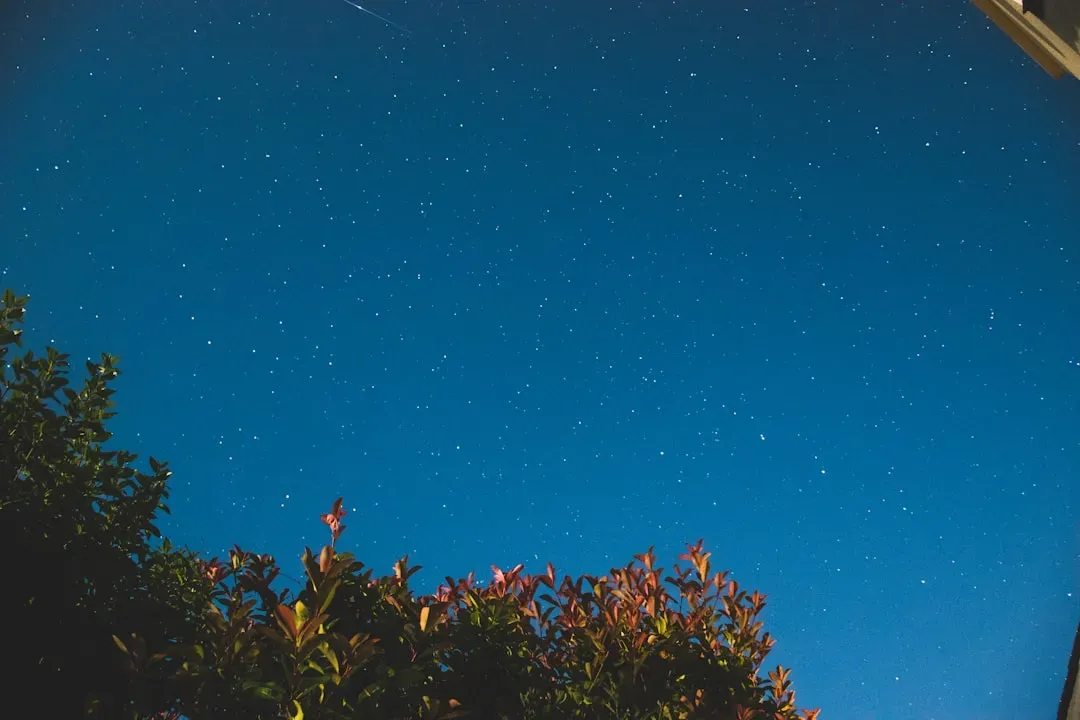
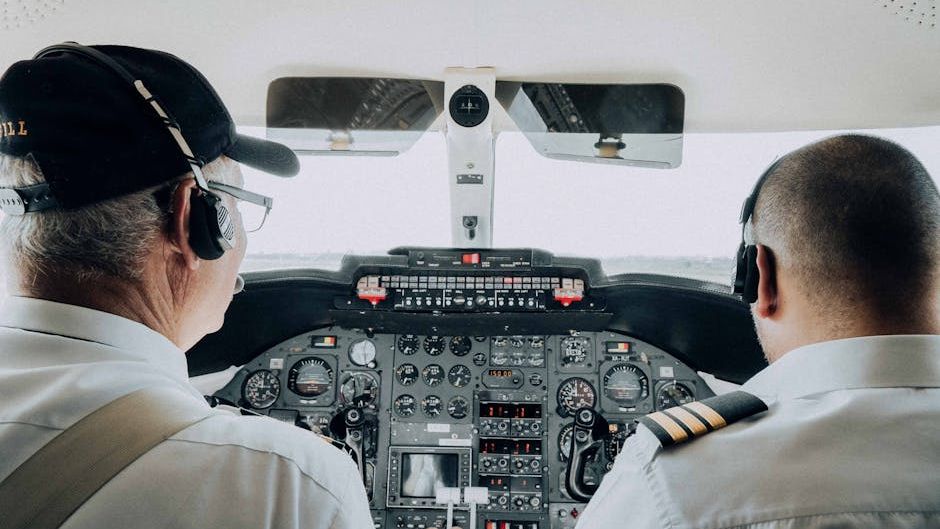
Pilots flying over the Mojave Desert have described bright, erratic lights that appear suddenly in the night sky. These phantom lights often move in ways that defy conventional aircraft patterns, zipping side to side or hovering motionless before vanishing. Commercial flights from Los Angeles to Las Vegas frequently pass through this region, putting crews in prime position to spot them. Reports mention clusters of up to five lights at once, glowing white or orange against the dark horizon. Air traffic controllers sometimes confirm the sightings on radar, though the objects rarely show clear signatures. Since 2023, such accounts have ticked up, with pilots noting the lights pace their planes for minutes at a time. The dry, clear air of the desert amplifies visibility, making even distant phenomena stand out sharply. One common thread ties many sightings to altitudes around 30,000 feet, right in busy commercial corridors.
Federal Aviation Administration logs capture these events precisely, including timestamps and coordinates near military zones like Edwards Air Force Base. Crews report no noise from the lights, adding to the eerie quality of encounters. Some pilots radio in calmly, while others express concern over potential collision risks. Data from 2024 shows a notable cluster over the western Mojave, coinciding with high-traffic hours after sunset. Controllers advise pilots to maintain course, as the lights typically fade without incident. Ground witnesses from remote highways occasionally corroborate the aerial reports, describing similar unpredictable maneuvers. The consistency across multiple flights suggests something repeatable in the area. FAA quarterly summaries through early 2026 highlight how these remain a puzzle despite routine monitoring.
FAA’s Latest Data Drops
The FAA released updated UAP notices in September 2025, outlining new protocols for air traffic control to handle unidentified anomalous phenomena reports. These documents shift terminology from UFOs to UAP, stressing structured logging for all pilot inputs. Mojave-area data from 2023 to 2025 shows over 100 relevant entries in FAA’s public UAS sighting spreadsheets, many describing light formations. Quarterly reports from January 2025 onward list surges in visual contacts near restricted zones, with pilots filing details on speed and color. The agency cross-references with military NOTAMs, yet dozens stay uncategorized due to sparse sensor data. Nationwide, FAA tracked 757 aerial incidents from mid-2023 to mid-2024, a chunk involving lights in remote skies. Mojave logs specifically note peaks during military exercise windows, blending routine ops with oddities. Controllers now must notify tactical integration cells promptly, per the 2025 guidance.
Excel files downloadable from FAA sites break down sightings by quarter, revealing Mojave’s role in broader trends. Early 2025 saw drone-like incursions jump 26 percent nationally, mirroring desert reports. Pilots submit via dedicated forms, ensuring anonymity and focus on safety. The data underscores how most resolve as balloons or flares, but a persistent fraction defies easy labels. Cross-checks with infrared feeds help, though remote desert gaps persist. Public access to these summaries fuels analysis by enthusiasts and researchers alike. FAA emphasizes no evidence of extraterrestrial origins, pointing instead to prosaic culprits. Still, the raw numbers keep the conversation alive into 2026.
Why Reports Are Climbing
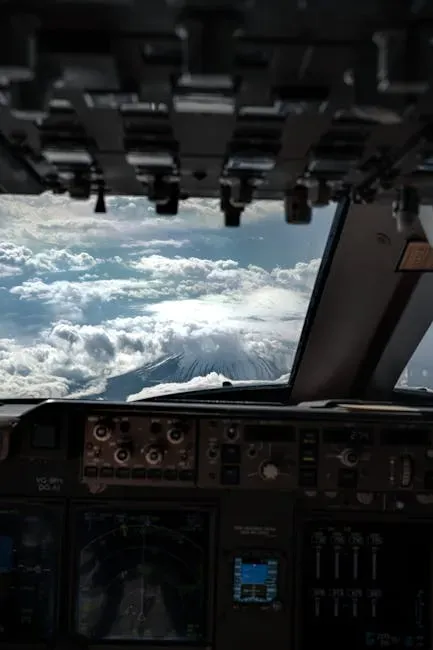
Unidentified light sightings by U.S. pilots have risen sharply since 2020, with FAA data showing steady increases through 2025. Commercial and private aviators cite reduced stigma around reporting, thanks to government nudges. Mojave flights logged dozens more in 2024 alone compared to prior years, per quarterly tallies. Factors like busier skies post-pandemic contribute, exposing more eyes to anomalies. Night operations over the desert spike during winter, aligning with peak sighting windows. Controllers note patterns tied to clear weather nights, when visibility stretches for miles. The uptick mirrors national trends, with states like Nevada boasting 411 verified UAPs since 2023 at the highest per capita rate. Pilots now file without hesitation, bolstering the dataset.
Enhanced awareness from media coverage plays a role too, priming crews to notice subtleties. FAA’s 2025 notices encourage detailed logs, capturing nuances like light intensity changes. Desert routes see heavier scrutiny due to proximity to test ranges. Reports often cluster within hours, suggesting transient events. Ground-based apps let civilians contribute, overlapping with pilot views. The volume strains analysis resources, yet yields richer patterns over time. No single cause explains the surge, but combined pressures amplify documentation. Into 2026, the trend holds firm across western airspace.
Mojave’s Military Hotspot
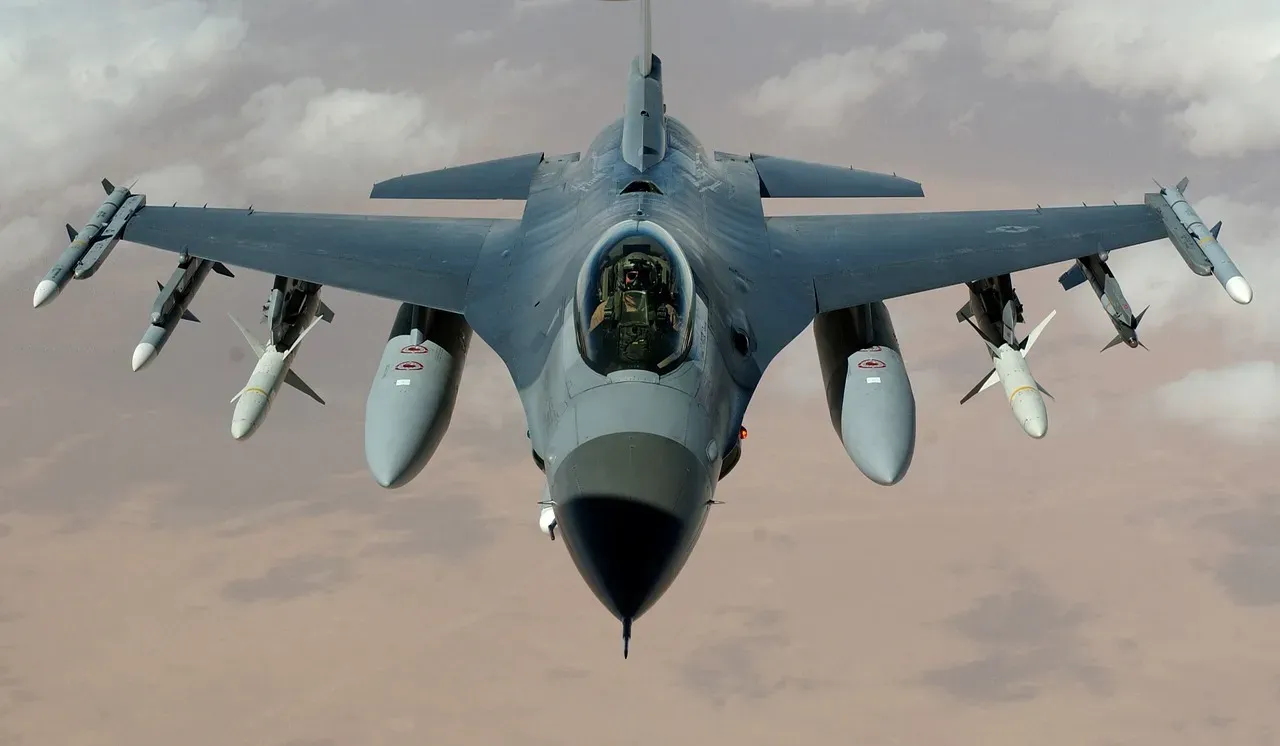
The Mojave Desert hosts vast restricted airspaces for military testing, including Nellis and Edwards bases nearby. Flares from exercises often mimic phantom lights, dropping slowly with bright trails. Pilots steer clear of these zones, but spillover visuals occur on approach paths. Data from 2023-2025 ties many sightings to known ops, like night maneuvers with pyrotechnics. The area’s secrecy fuels speculation, as civilians glimpse only fragments. High-speed jets and drones add to the mix, reflecting lights unpredictably. FAA collaborates with DoD to declassify where possible, resolving cases post-event. Still, active tests leave gaps in public explanations.
Restricted zones cover thousands of square miles, limiting sensor coverage. Pilots report lights emerging from these boundaries, heightening intrigue. Historical patterns show spikes during annual exercises, matching recent logs. Military assets like the Tonopah range extend influence into Nevada skies. FAA data flags overlaps precisely, aiding quick attributions. Yet, not all align perfectly, leaving room for questions. The desert’s isolation suits classified work, blurring lines with civilian flyovers. Ongoing coordination keeps safety paramount amid the activity.
Atmospheric Optical Tricks
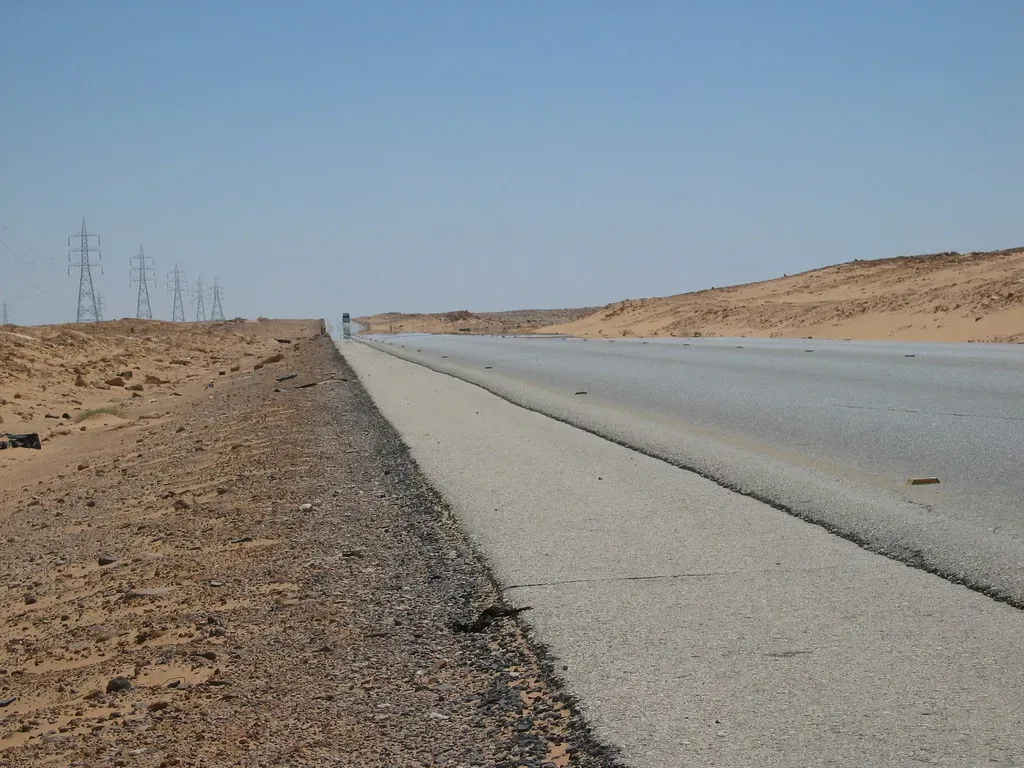
Desert conditions bend light through refraction and mirages, turning distant sources into dancing apparitions. Temperature inversions common in the Mojave warp views, making flares or vehicles pulse erratically. Clear, dry air scatters less, sharpening illusions over vast distances. Pilots at altitude catch these effects amplified, as horizons stretch endlessly. Studies note how dust layers refract aircraft lights into clusters. Nighttime cooling creates superior mirages, lifting images skyward. These phenomena explain many unresolved FAA entries without exotic causes. Ground thermals add vertical motion to the show.
Wind shear over rocky terrain distorts paths further, mimicking intelligent control. Satellite data confirms inversion layers frequent in winter Mojave nights. Pilots trained in meteorology often self-debrief on these, per logs. Combined with low humidity, effects persist for hours. FAA analysts factor weather in reviews, resolving chunks accordingly. Rare humidity spikes alter patterns, but baselines hold. The desert’s unique profile sets it apart from coastal skies. Understanding these layers demystifies much of the data.
Satellites and Space Traffic
Low Earth orbit constellations like Starlink streak brightly over deserts, fooling observers with steady glides. Reflections off panels create flare-like bursts, especially during dawn or dusk passes. Mojave’s dark skies highlight these, with pilots mistaking formations for locals. FAA data from 2024 notes alignments with known satellite tracks in several cases. Thousands launch yearly, swelling visible traffic. Train effects from multiples mimic clusters chasing planes. Apps predict passes, aiding post-sighting checks. Ground stations track them rigorously, but real-time pilot views lag.
Iridium flares, though rarer now, still pop occasionally with intense strobes. Reentries add fireballs, trailing debris lights across horizons. Mojave’s longitude catches Pacific launches visibly. Data cross-matches resolve many 2025 reports this way. Pilots note silent, predictable fades matching orbital decay. SpaceX ops correlate with peaks, per timelines. The boom in satellites outpaces awareness, filling logs. FAA integrates space data feeds for better triage.
Push for Open Reporting
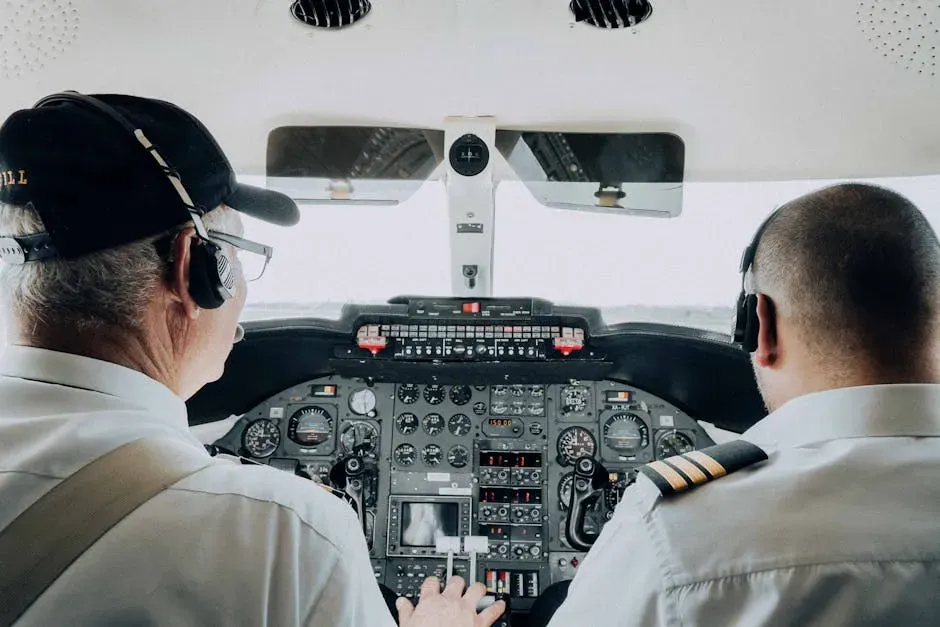
U.S. agencies now urge pilots to report oddities freely, dismantling old stigmas. FAA’s 2025 UAP notices formalize this, mandating ATC relays. Mojave crews benefit from streamlined forms, boosting 2023-2025 volumes. No career risks attach, per guidelines, encouraging detail. Training modules cover recognition, yet flag unknowns promptly. National campaigns echo DoD efforts, normalizing dialogue. Resulting data sharpens safety protocols across routes. Pilots appreciate the shift, citing clearer comms.
Anonymous channels protect sources, vital in military-adjacent zones. Quarterly reviews share trends without identifiers. Mojave-specific briefings warn of test overlaps. The approach yields actionable insights, like evasion maneuvers. Public trust grows with transparency glimpses. Controllers gain tools for real-time handling. The framework evolves yearly, adapting to volumes. Safety drives it all, amid curiosity.
Unresolved Cases Linger
Many Mojave lights evade categorization due to data shortages in remote expanses. FAA logs label them unresolved when radar blanks out. 2024-2025 tallies show about one in five persisting this way nationally. Sensor limits in deserts hinder multispectral grabs. Pilots provide visuals, but lack instrumentation. Military non-disclosures compound gaps. Analysts prioritize safety over origins, archiving rest. Patterns emerge over time, hinting clusters.
Insufficient evidence doesn’t imply aliens, just observational shortfalls. Infrared upgrades help marginally in trials. Ground corroboration rare due to sparsity. FAA stresses prosaic leans where possible. Ongoing logs build baselines for future matches. Public datasets invite scrutiny, fostering debate. The fraction stays small amid resolutions. Patience marks the process.
Tech Boosts Detection
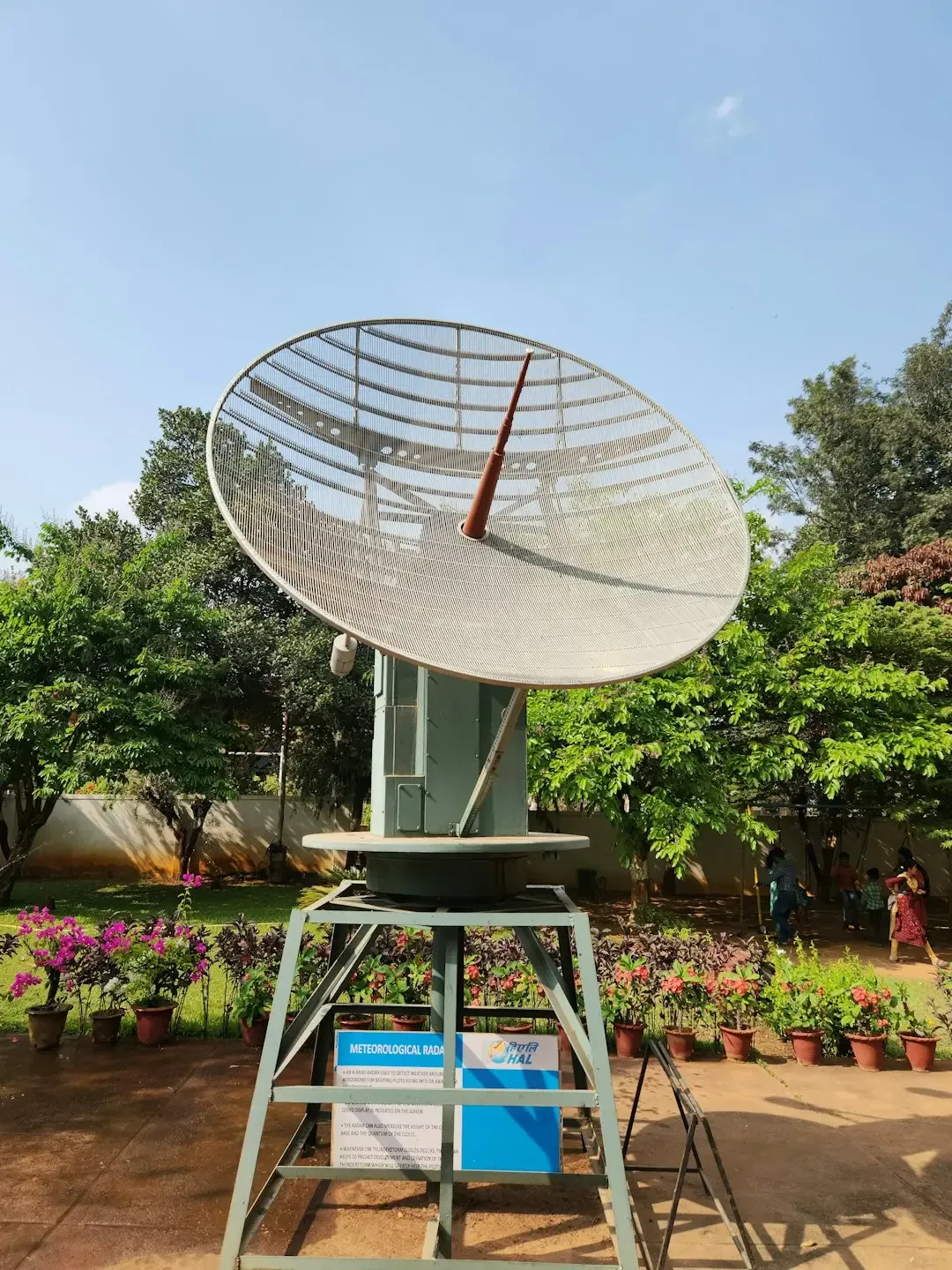
Radar and infrared advances spot more objects, though desert challenges remain. FAA integrates multisensor nets, capturing heat signatures missed visually. 2025 trials over Mojave test drone IDs via AI. Resolutions climb with better feeds, per data. Gaps persist in clutter-heavy nights. Pilot cams supplement, feeding databases. Military shares select tracks, aiding FAA. The toolkit sharpens yearly.
Limitations hit hardest off-grid, where coverage thins. Portable units mount on key towers now. Data fusion algorithms parse lights from clutter. Early 2026 reports show gains in attribution rates. Cost barriers slow full rollout. Pilots plug gaps with eyes and logs. Synergies promise fewer unknowns ahead. Incremental wins build confidence.
Public Buzz and Reactions

Interest exploded post-disclosures, with Mojave tales dominating forums. Social media amplifies pilot clips, drawing millions of views. 2025 TikToks from desert flights went viral, sparking debates. Locals host watch parties, logging personal sights. Media dives in, blending facts with speculation. Enigma Labs pegged Nevada tops for per capita UAPs since 2023. Enthusiasts crowdsource analyses, pressuring transparency. The fervor drives citizen science apps.
Skeptics counter with flare vids, tempering hype. Balanced coverage notes military contexts. Public pushes congressional hearings, echoing 2024 pushes. FAA data fuels both sides equally. Families near bases share stories casually. The mix keeps skies under watch. No panic, just heightened vigilance. Curiosity endures as the real constant.
Looking Ahead
FAA’s ongoing releases and tech pushes promise clearer pictures over time. Mojave remains a focal point, blending military, weather, and skies. Reports will keep coming, refined by better tools. Safety stays the north star amid wonders. Public engagement shapes policy subtly. Desert nights hold more answers yet. The data trail lengthens steadily. Watchfulness pays off quietly.