
National parks draw millions of visitors each year with their sweeping views and quiet trails. Yet every season brings reports of people who enter these protected areas and never return. The pattern has drawn attention for decades, with some cases clustering around particular features in the landscape.
Official records from the National Park Service show thousands of search and rescue operations annually, though most end quickly. A smaller number remain open, prompting questions about why certain spots seem to appear more often in the files. Observers have pointed to recurring details in the locations where people were last seen.
Near Granite Boulders in Yosemite National Park
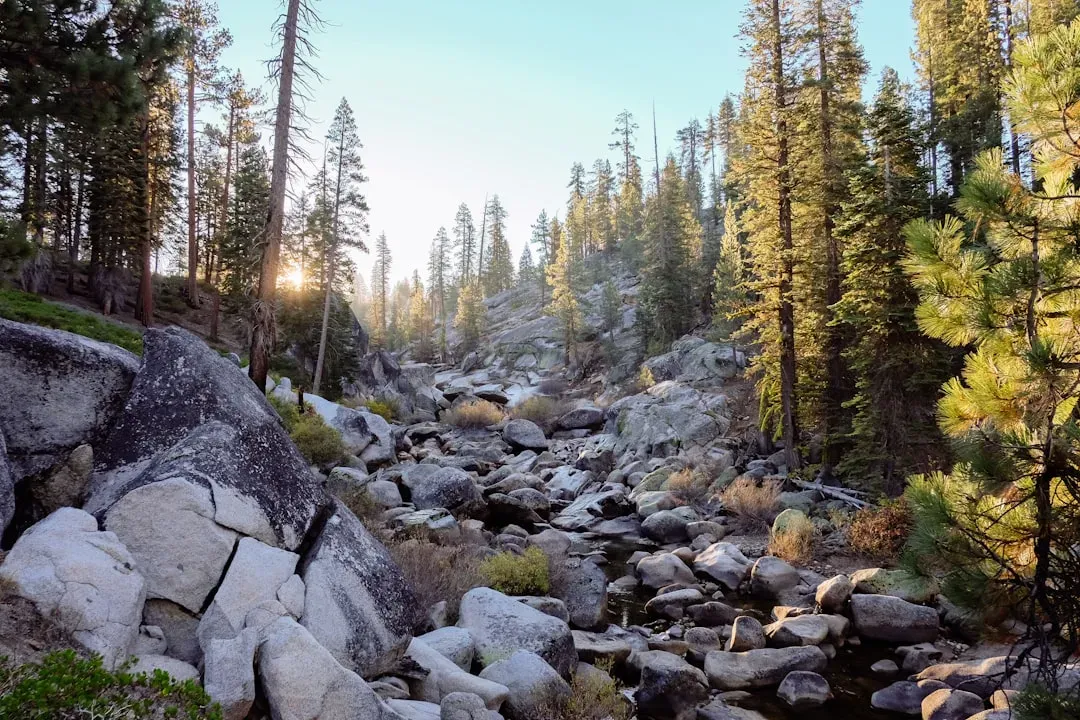
Yosemite sees dozens of missing person reports each decade, and several involve areas with large granite formations. These boulders create natural shelters and can alter local weather patterns in ways that confuse hikers. Records indicate that some individuals were last spotted near such outcrops before vanishing from contact.
Search teams often note how the rock surfaces reflect sound and make navigation harder once someone steps off marked paths. Data compiled over the years shows a handful of cases where remains or belongings turned up close to these features rather than farther afield. The terrain itself demands careful planning, especially for solo travelers.
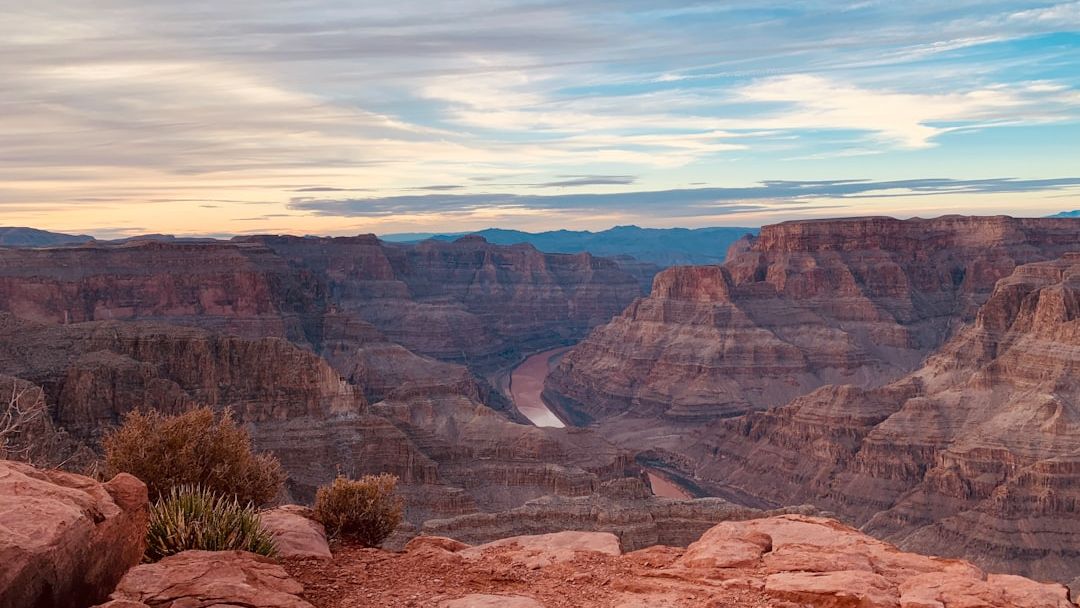
Along Riverbanks in Grand Canyon National Park
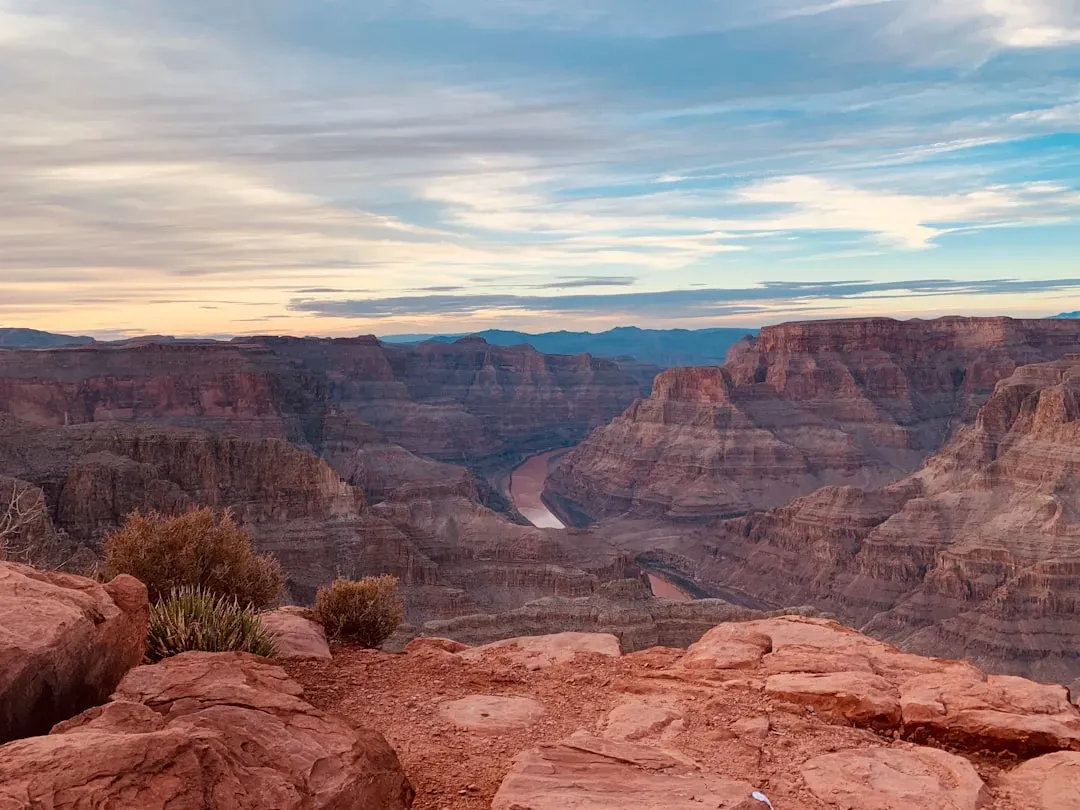
The Grand Canyon has logged dozens of missing persons since 2018 alone, with several tied to locations near the Colorado River and its tributaries. Sudden drops in temperature near water and the steep drop-offs can catch people off guard. Park reports describe how flash floods and shifting sand make recovery difficult in these zones.
Recent incidents from 2025 and 2026 include hikers who left the rim and were later found near river level after extended searches. The combination of isolation and changing water levels adds layers of complexity for responders. Families often wait months for any update in these river-adjacent cases.
Close to Waterfalls in Great Smoky Mountains National Park
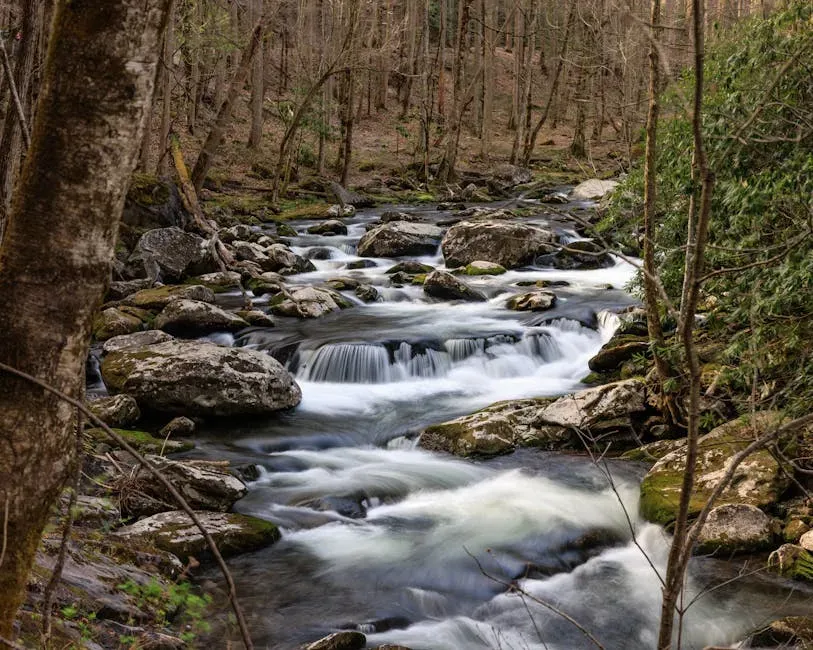
Great Smoky Mountains holds one of the highest totals of documented missing cases among all parks, with many occurring near cascading waterfalls. The mist and roar of falling water can mask calls for help and distort distance estimates. Trails leading to these spots see heavy foot traffic, yet some visitors still wander into side areas.
Park statistics reveal that a notable share of searches begin after people fail to return from waterfall viewpoints. Dense undergrowth around the bases of these features slows ground teams and limits visibility. Most incidents resolve within days, but a few stretch into longer mysteries.
In Dense Forests Near Trailheads in Glacier National Park
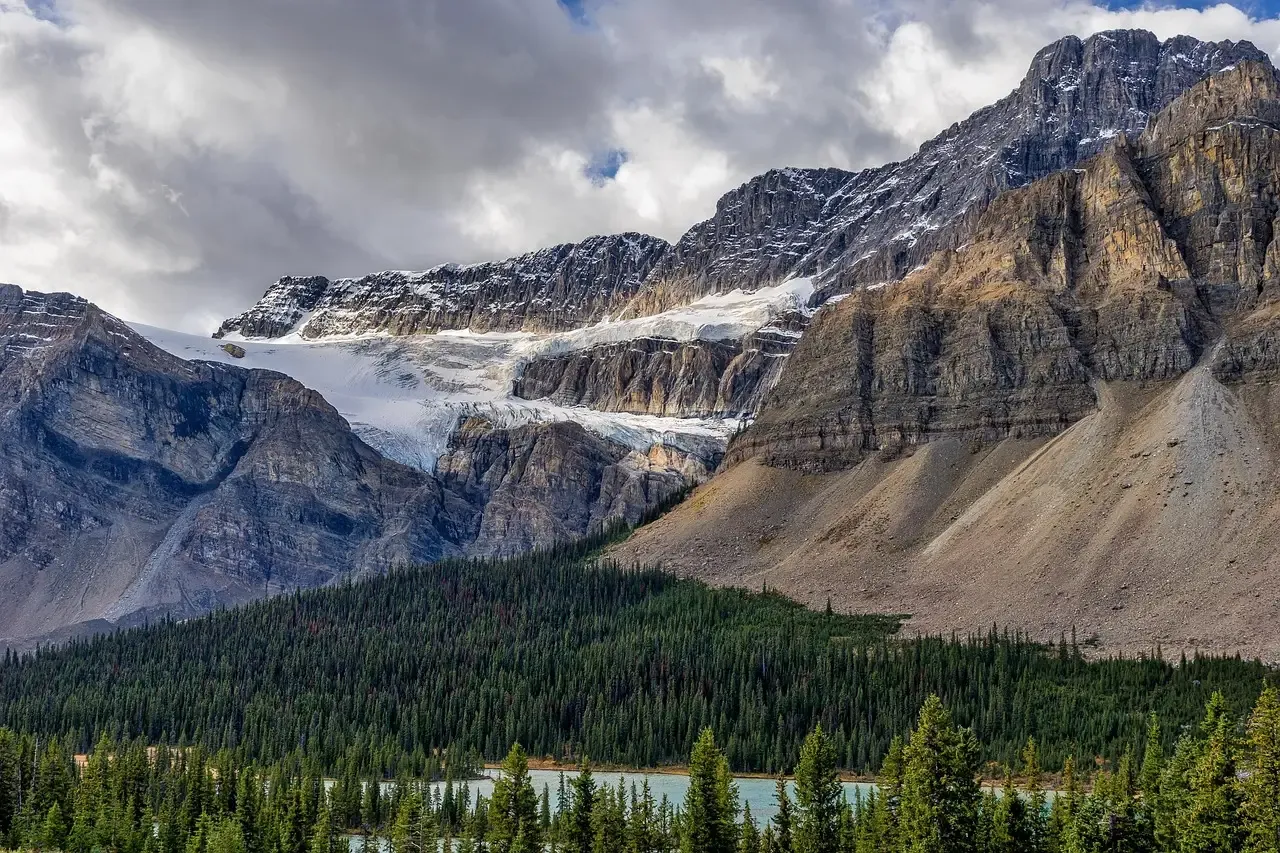
Glacier National Park has recorded cases where hikers disappeared shortly after leaving trailheads into thick stands of trees. The canopy blocks signals and makes it easy to lose bearings even with maps. Recent searches in 2026 located remains in wooded sections off established routes.
Wildlife encounters and sudden weather shifts contribute to the challenges in these forested zones. Data from the National Park Service shows that many lost visitors in Glacier were within a mile of a trail when last seen. The overlap between popular entry points and remote-feeling woods creates a deceptive sense of safety.
Around Volcanic Rock Fields in Yellowstone National Park
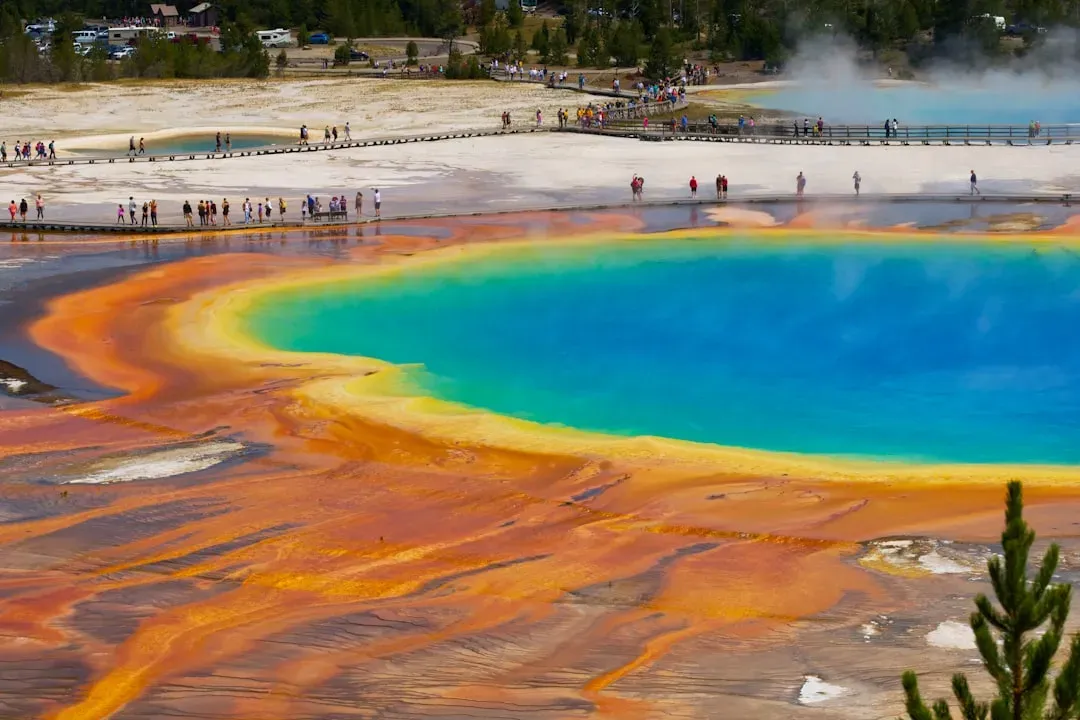
Yellowstone features geothermal areas and lava rock formations that have appeared in several missing person accounts. The uneven ground and hidden steam vents can lead to quick disorientation. Park logs note that some individuals were observed heading toward these distinctive rock fields before contact was lost.
Thermal activity changes the landscape over time, erasing tracks and complicating later searches. Visitors often underestimate how quickly conditions shift in these zones. A handful of cases from the past decade remain unresolved despite extensive efforts.
Near Cave Entrances in Carlsbad Caverns National Park
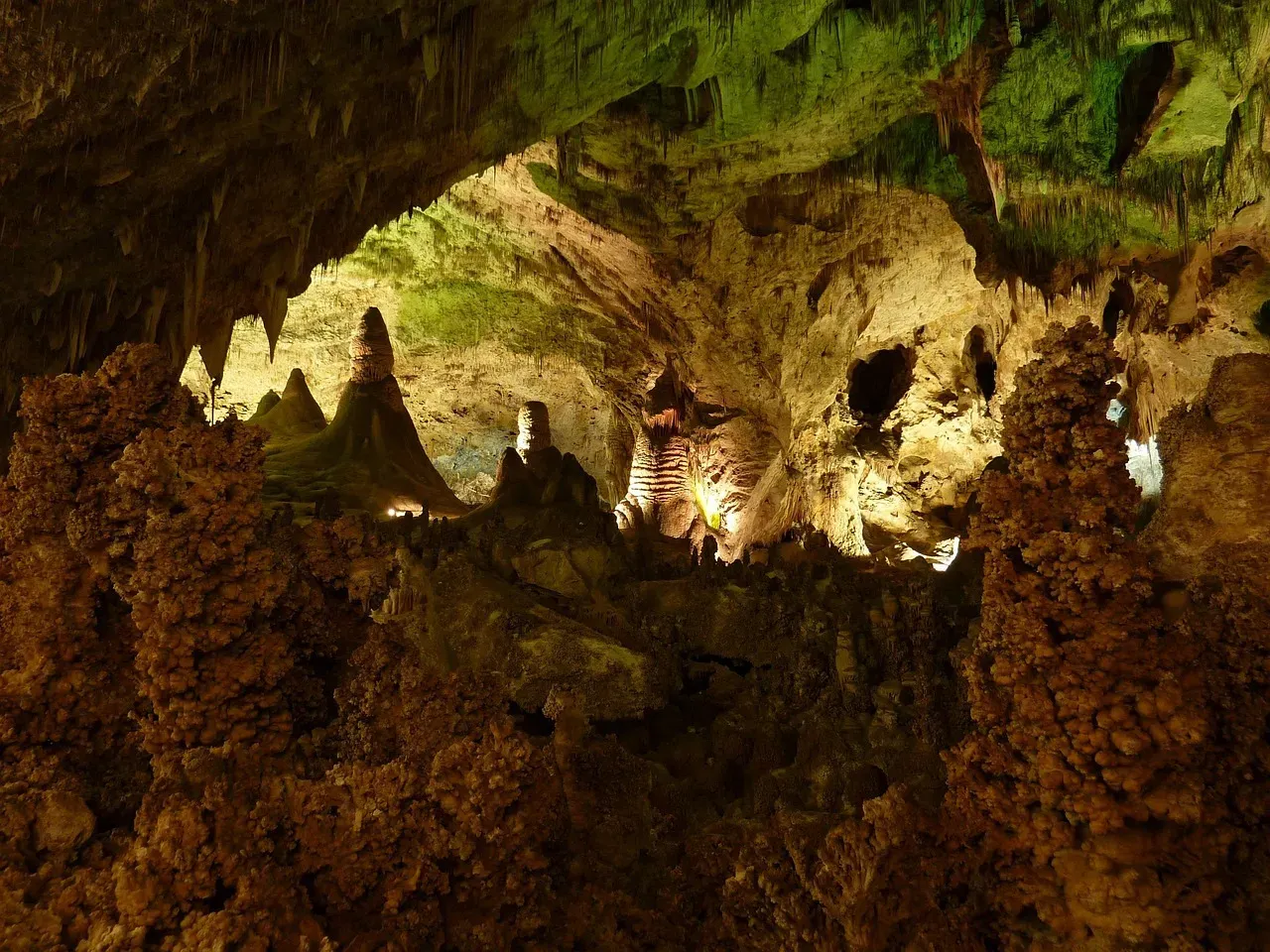
Carlsbad Caverns draws attention for its underground systems, and a few reports link disappearances to spots close to known cave openings. The transition from surface light to total darkness happens abruptly. Rangers have responded to incidents where people ventured near these entrances without proper gear.
Exploration of side passages carries risks that multiply once someone moves beyond marked areas. Records show that most cave-related searches end with the person located, yet the potential for extended isolation remains. The park emphasizes guided tours to reduce these risks.
By Alpine Lakes in Olympic National Park
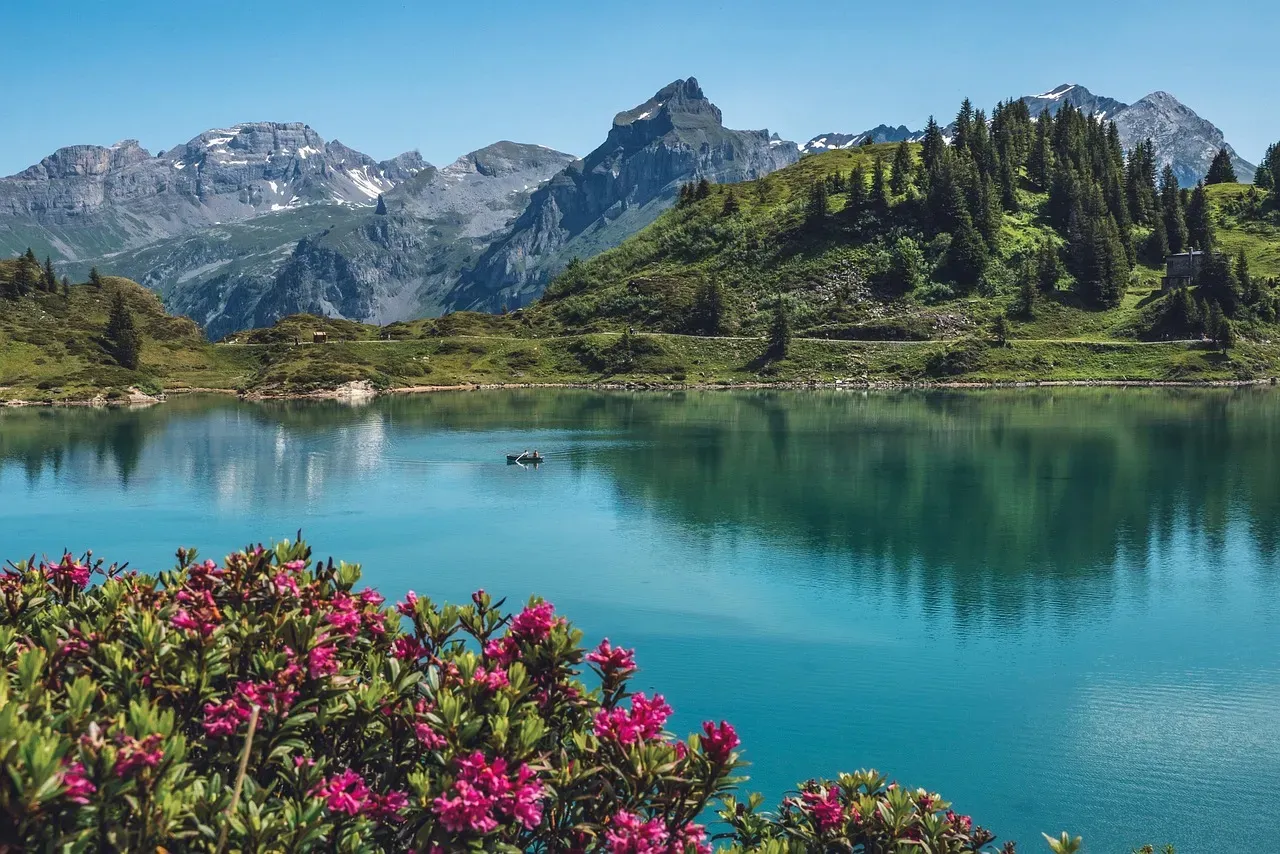
Olympic National Park includes high-elevation lakes surrounded by rugged terrain where several hikers have gone missing. Sudden fog and steep drop-offs around the water can separate groups quickly. Search data indicates that some last known positions were along lake shores or nearby ridges.
The remote access to these spots means help can take hours to arrive. Weather patterns in the Olympics shift rapidly, turning clear days into whiteouts. A number of cases from recent years highlight how even short side trips near these lakes can lead to prolonged searches.
On Exposed Ridges in Rocky Mountain National Park
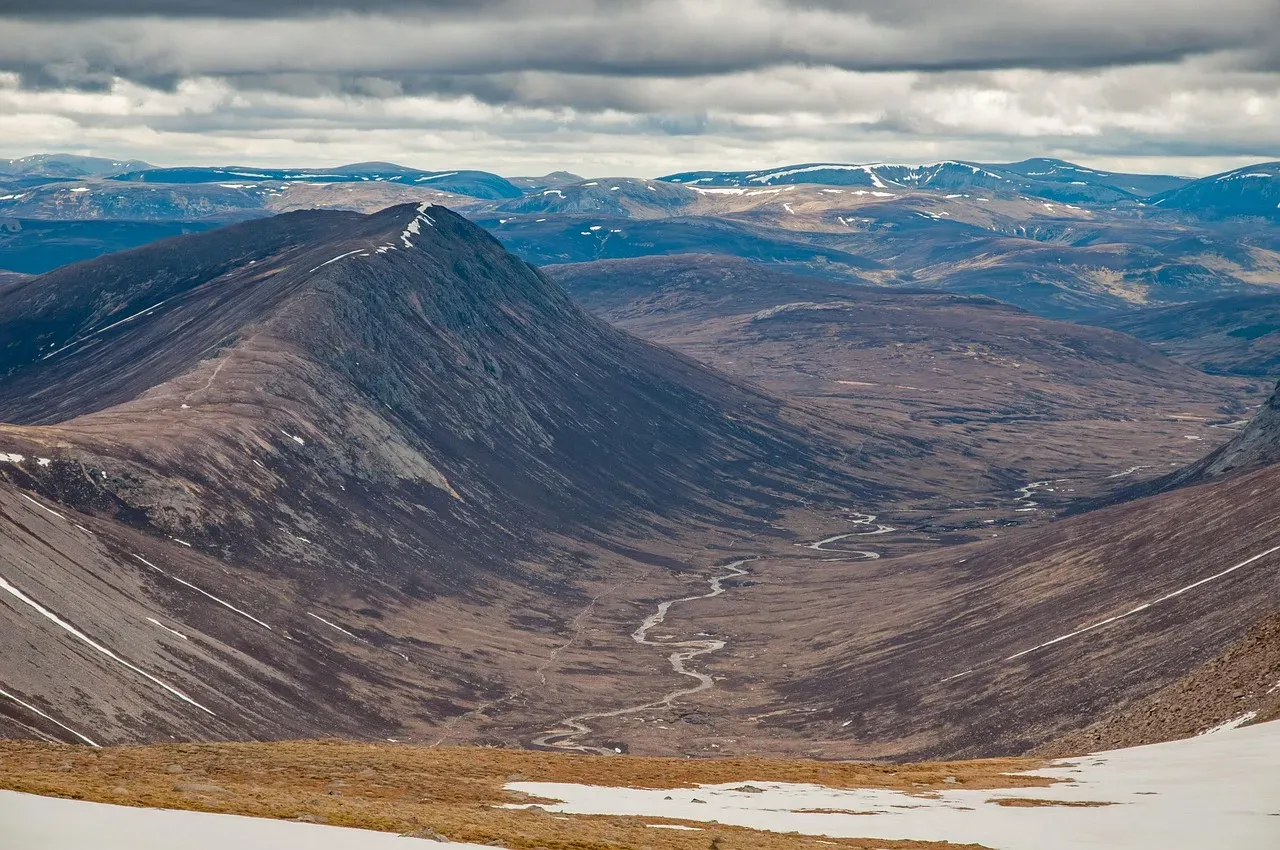
Rocky Mountain National Park sees disappearances reported near high ridges and exposed summits. Strong winds and lightning risks increase once people leave sheltered trails. Park records show several instances where individuals were last sighted on these elevated features.
The thin air at altitude affects judgment and stamina for some visitors. Rescue operations in these areas often involve helicopters due to the steep slopes. Most people return safely, but the handful of open cases underscore the need for weather awareness.
Within Canyon Narrows in Zion National Park
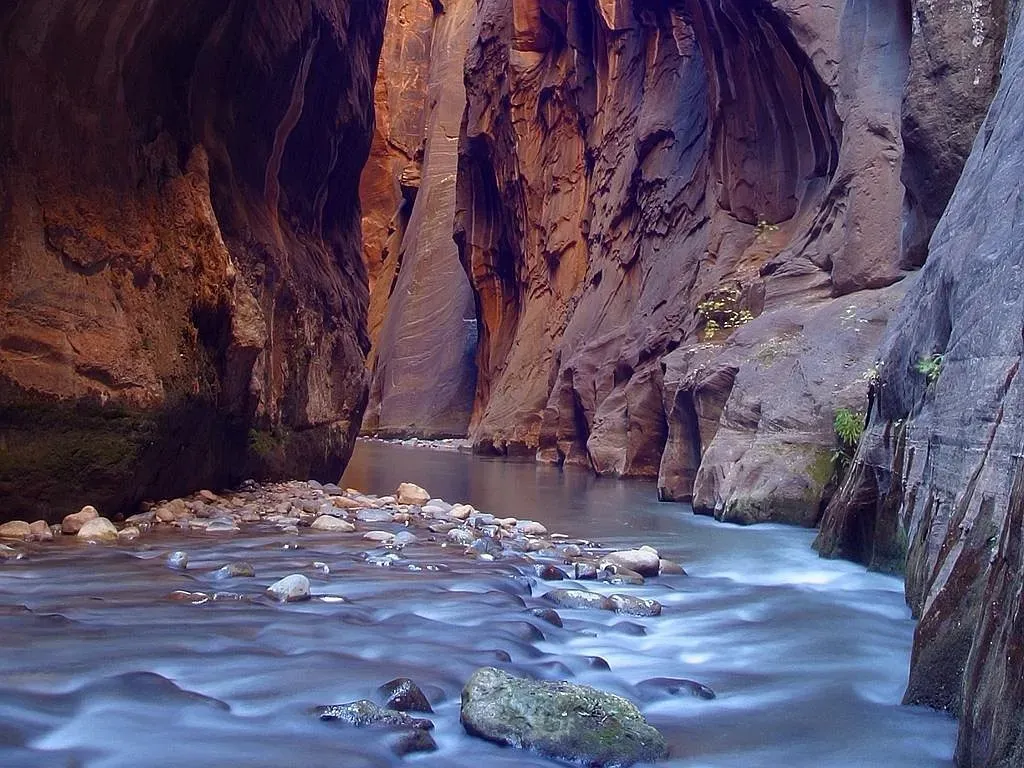
Zion National Park has documented missing persons near the narrow slot canyons that define much of its landscape. Flash flood potential and limited escape routes create hazards in these confined spaces. Reports from the past few years include hikers who entered side canyons and did not emerge.
The dramatic walls block cell signals and make it hard for others to hear distress calls. Park staff track seasonal water levels closely because of these risks. A steady number of searches each year focus on these distinctive narrow passages.
Patterns and Practical Lessons from the Records
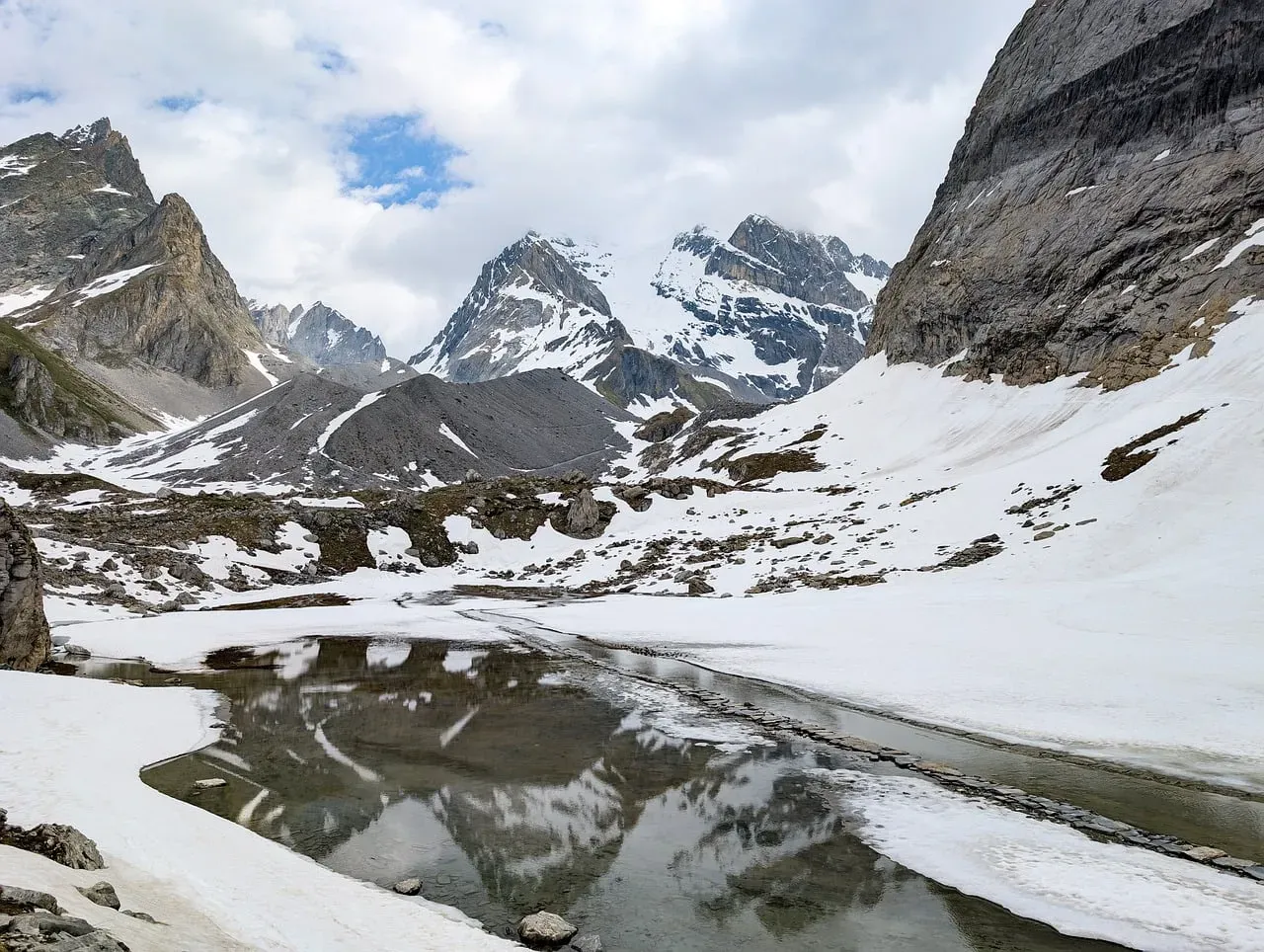
Across these locations, the common thread in many reports involves people stepping slightly off marked paths near distinctive natural features. National Park Service data from 2024 through 2026 shows that the vast majority of incidents resolve with the person found safe, often within hours. Still, the unsolved cases continue to draw interest because of their shared details.
Preparation remains the clearest factor in avoiding trouble. Checking weather, carrying navigation tools, and sticking to established routes reduce risks in every park. The landscape itself does not change, yet awareness of how quickly conditions shift near these landmarks helps visitors return home as planned.