

Picture this: you’ve cleared security, grabbed a coffee, and headed to your gate for an international flight. Everything seems set until the agent scans your passport and shakes their head. In 2026, more travelers face this moment over a longstanding but strictly enforced document check.
Airlines now deny boarding routinely if passports don’t meet destination rules, even when the document appears valid on the surface. This stems from carrier liability for passengers turned away at borders.[1][2]
Understanding the Six-Month Validity Rule

Many countries demand passports remain valid for six months beyond your planned stay or departure date. This buffer accounts for potential delays or emergencies that could extend your trip. Airlines access databases like IATA Timatic to confirm compliance before issuing boarding passes.
Falling short by even one day triggers denial, as carriers risk heavy fines otherwise. The rule applies to the entire itinerary, including any layovers.[2]
Why Airlines Enforce It at Check-In
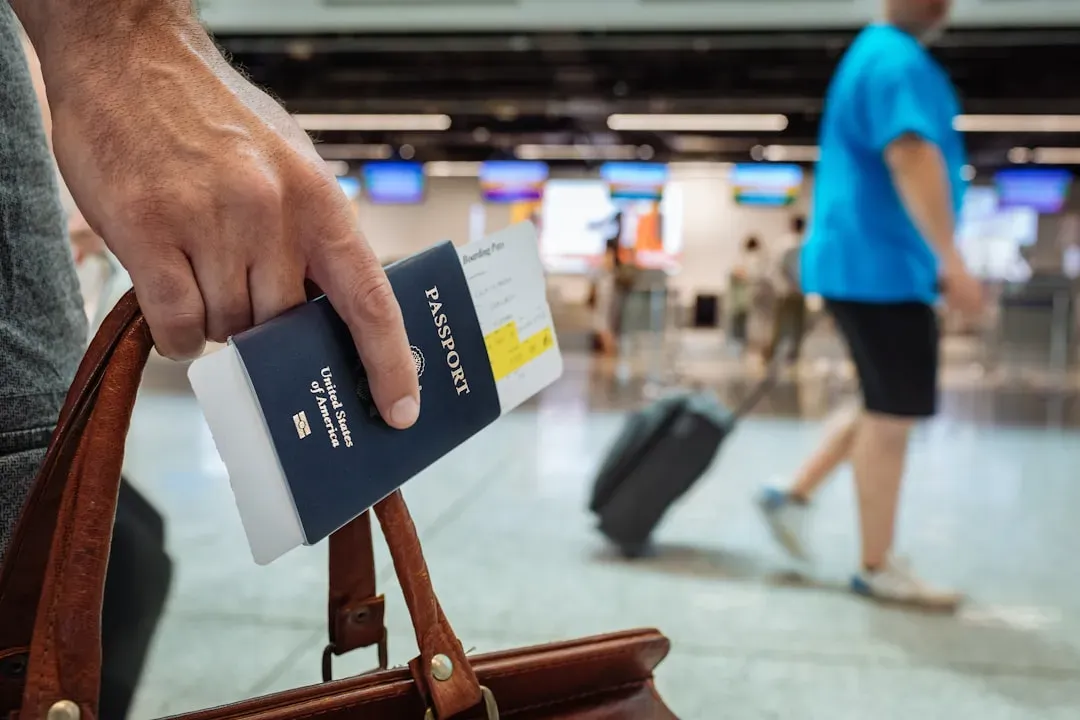
Carriers bear full responsibility for flying undocumented passengers, facing penalties up to thousands per case. They scan passports against global rules at the first departure point to avoid issues downstream. No exceptions for close calls; systems flag automatically.
This practice protects airlines financially but catches travelers off guard. Agents rarely override Timatic results, prioritizing compliance over pleas.[1]
Countries with Strict Six-Month Requirements

Nations like China, Russia, and Brazil enforce the full six months from entry. Others, such as those in the Schengen Area, require three months past exit. Requirements vary by your nationality and route, complicating checks.
Even popular spots like Thailand or Indonesia apply it rigidly. Always verify per destination, as rules shift with diplomatic ties.[2]
The Impact of Transit Stops

A layover in a strict-rule country triggers the same scrutiny for your whole journey. Airlines apply the toughest standard across all segments to stay safe. Short connections amplify risks if documents fail midway.
Travelers often overlook this, assuming only the final stop matters. Timatic pulls every link in the chain.[2]
Blank Pages: A Hidden Pitfall

Some destinations mandate two or more blank pages for visas and stamps. Full books lead to outright refusals at borders or gates. Agents spot this during scans, halting boarding instantly.
Stamps bleeding over or no full pages count against you. Renew early if your passport looks crowded.[3]
Passport Issue Date Restrictions

Schengen countries reject passports issued over ten years prior, regardless of expiry. This catches older documents mid-validity period. Check both dates before packing.
Similar limits exist elsewhere, tied to security standards. A quick glance reveals if renewal looms.[2]
Damage That Invalidates Your Passport

Worn covers, water damage, or unclear text render passports unacceptable. Airlines and borders view these as tampering risks. Even minor tears prompt denials.
Inspect yours under good light before travel. Replace proactively to dodge surprises.[4]
U.S. CBP’s Recent Exempt List Update
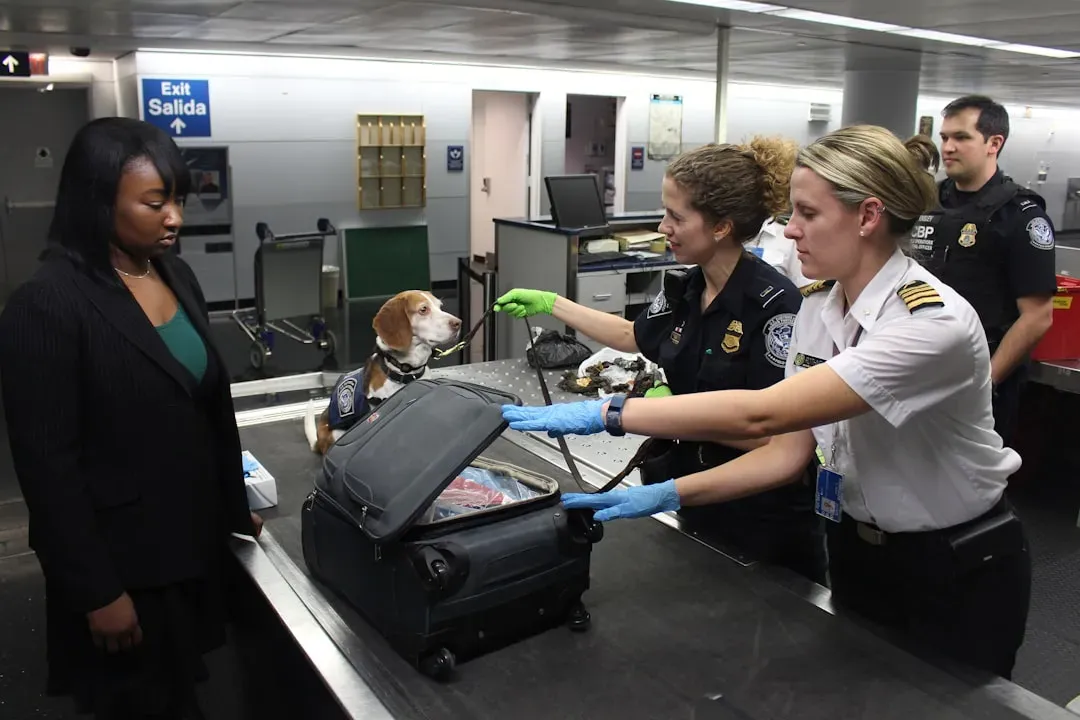
For U.S. entry, visitors need six months validity unless from exempt nations. CBP refreshed the list in December 2025, adding clarity for over 100 countries like Canada and Japan. Non-exempt travelers face entry blocks.
This affects inbound flights too, with airlines checking outbound from origin. Stay current via official bulletins.[5][6]
Tools to Check Rules Before You Fly

Use Timatic or airline websites for instant itinerary scans. Government travel advisories list per-country needs. Apps from IATA simplify verification.
Cross-check multiple sources, as data lags occasionally. Better safe hours before departure than stranded later.
Steps If Denied at the Gate

Request the exact violation in writing from the agent. Explore same-day renewals or alternatives if nearby. Airlines may rebook under policies, but expect fees.
Contact embassies for emergencies. Document everything for potential refunds. Prevention trumps reaction every time.[1]
A simple passport review months ahead keeps gates open. Travel smoother comes from diligence, not luck. Safe journeys start with the right stamp of approval.