
Fiscal Drag: Unadjusted Tax Brackets Pull You Higher
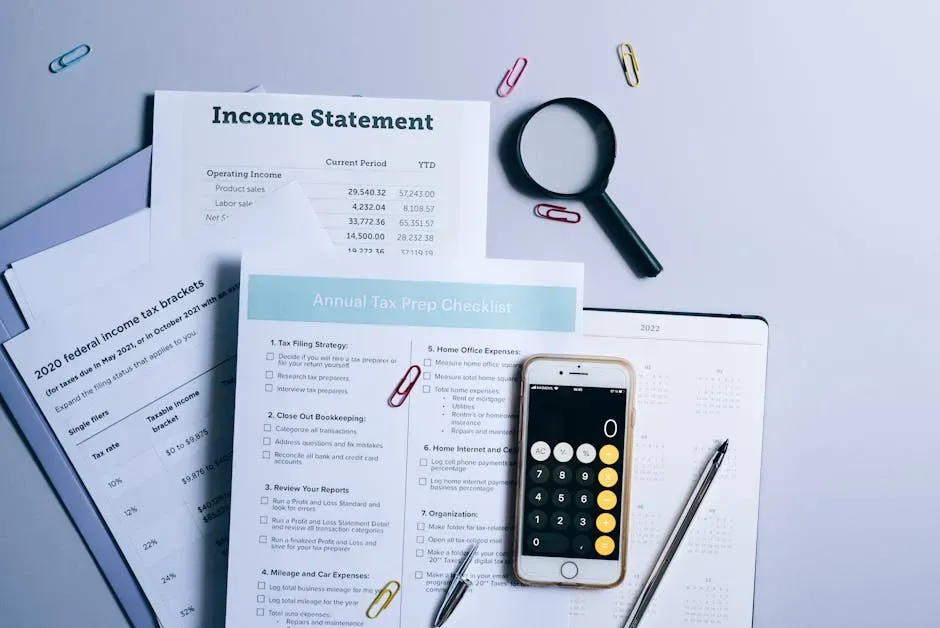
Fiscal drag sneaks up on workers when governments freeze income tax thresholds despite rising inflation. Wages might go up a bit each year, but if those brackets stay put, more of your paycheck slips into higher tax bands without you noticing. Between 2021 and 2025, millions of people in various countries ended up paying steeper effective rates even as their real buying power stayed flat. This happens because inflation pushes nominal incomes over static lines, like a treadmill speeding up under your feet. Middle-income families feel it most, especially those with steady jobs seeing modest raises. You can spot it by checking your tax code against last year’s pay stub; if your rate jumped without a promotion, that’s fiscal drag at work. To fight back, track your effective tax rate yearly and push for bracket adjustments through local reps. Planning ahead with side gigs or deductions helps too, keeping more in your pocket before it vanishes.
This stealth tax hit hard in 2024 when inflation hovered around 3 percent in many places, yet thresholds barely budged. Workers earning about 40,000 dollars saw their take-home pay eroded by up to 2 percentage points more in taxes. Families with two earners get squeezed twice as bad, losing thousands annually to the creep. Everyday folks overlook it because paychecks still feel bigger nominally. Recognize it by using online calculators that factor in inflation-adjusted brackets from past years. Respond by bunching deductions or timing bonuses to stay under thresholds. Over five years through 2025, this dragged in billions extra for governments without rate hikes. Stay vigilant, or it keeps silently fattening public coffers at your expense.
Inflation-Fueled VAT and Sales Tax Surges
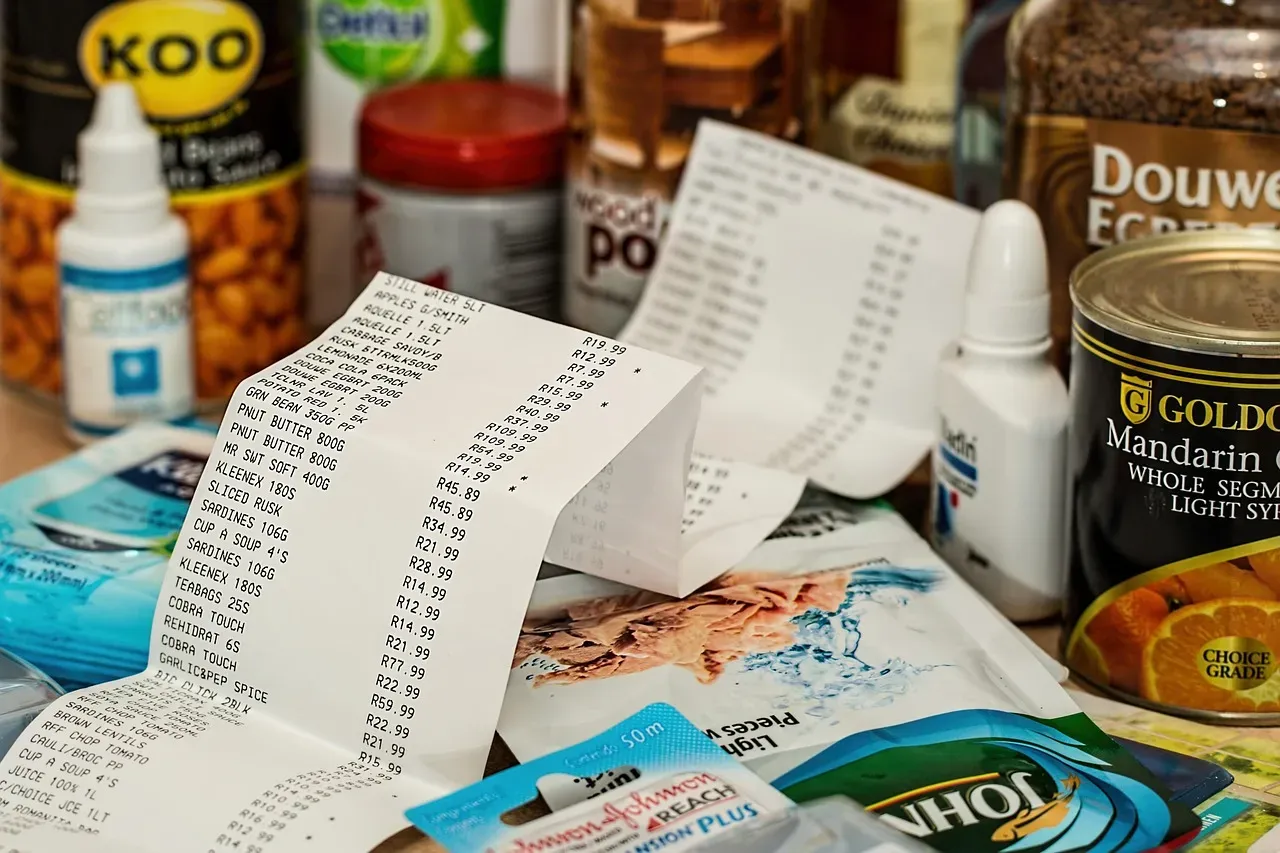
Inflation does the government’s heavy lifting on value-added taxes and sales taxes, boosting revenue without touching rates. As prices climb, people spend more just to buy the same stuff, handing over bigger VAT chunks automatically. In 2023 and 2024, this pulled in extra billions across economies where these indirect taxes make up over 20 percent of total revenue. Grocery bills, fuel, and clothes all carry that hidden sting, hitting lower-income households hardest since they spend most of their money on basics. You notice it at checkout when totals creep higher year over year, even if your shopping list stays the same. Track it by comparing receipts from the same store over months; steady prices plus steady rates mean inflation’s tax grab. Shop smarter with bulk buys or loyalty programs to ease the bite. Governments love this because it feels like regular shopping pain, not a tax rise.
By 2025, high inflation periods saw VAT collections jump nearly 10 percent in some nations without policy changes. Urban dwellers pay more as city living costs inflate faster, amplifying the effect on rent-tied expenses. Rural areas see it in farm goods and transport fuel, where levies stack up quietly. Families with kids feel the pinch deepest, with school supplies and diapers taxed relentlessly. Spot the pattern by reviewing annual spending logs against inflation reports. Counter it by seeking tax-free zones or secondhand markets where VAT skips. This method keeps governments flush through 2026 booms or busts. Awareness turns passive payers into savvy dodgers of the inflation tax trap.
Proliferating Fees, Levies, and Sin Taxes
Governments pad budgets with fees, surcharges, and sin taxes that dodge the “tax” label but empty wallets just the same. Alcohol, tobacco, and sugary drinks face hikes, raking in billions yearly as rates climb steadily. Energy levies and green charges on utilities rose through 2024 and 2025, tacking extras onto household bills. Digital service taxes on tech giants trickle down as higher app or streaming prices for users. Local property charges and parking fees inch up too, often buried in fine print. Smokers and drinkers bear the brunt, but everyone pays via pricier power and council demands. Check bills for new line items monthly; unexplained jumps signal these stealth hits. Trim usage or switch providers to reclaim control over these nickel-and-dime drains.
In 2023, sin taxes alone generated tens of billions globally, with increases targeting health costs. Environmental fees doubled in spots by 2025, affecting electric bills by 15 percent or more for average homes. City renters see property-related levies passed through landlords sneakily. Young adults partying or vaping get nailed hardest by vice surcharges. Unpack statements with apps that flag fee creep over time. Respond by cutting taxed habits or hunting fee waivers for low-income qualifiers. These tools let governments skirt voter backlash while revenue flows. In 2026, expect more as budgets tighten, so proactive scanning keeps your finances intact.