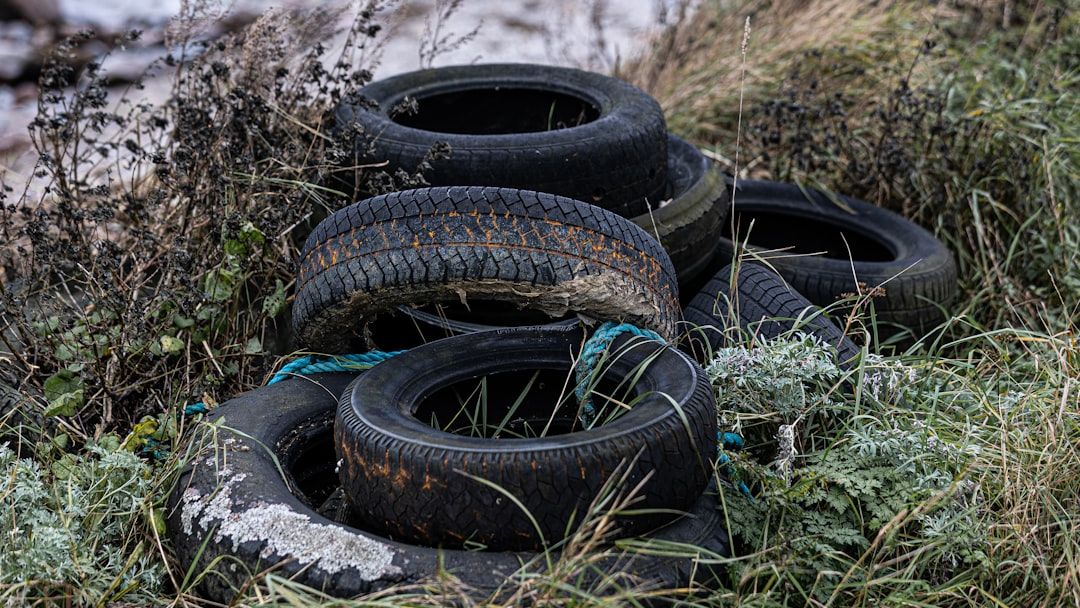

#1. Old Tires
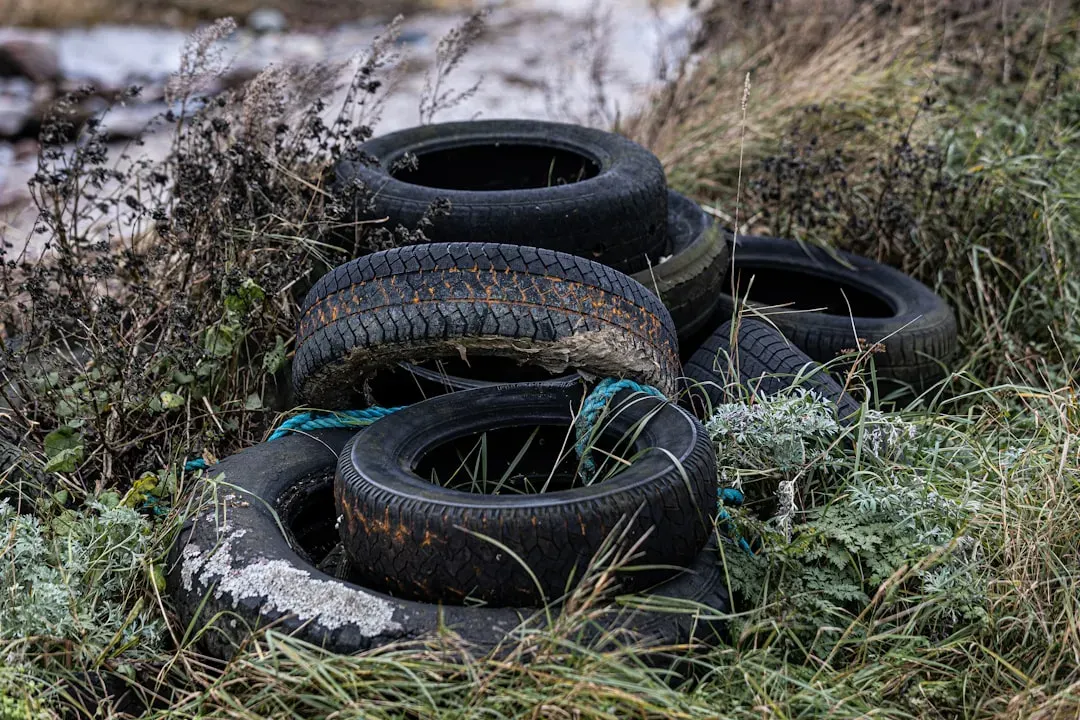
Tires left underground trap air and water in ways that encourage mosquito breeding and methane buildup over time. Many states explicitly ban this practice because the rubber breaks down slowly and releases chemicals into the surrounding soil. Property owners who ignore the rules can end up with persistent odors and structural issues years later when the tires shift or surface again.
Local health departments have documented cases where buried tires contributed to standing water problems that affected nearby wells. The material does not decompose like organic matter, so it stays in place and creates long-term disposal headaches. Checking with county waste programs before any burial attempt saves both money and future headaches.
#2. Lead-Acid Car Batteries
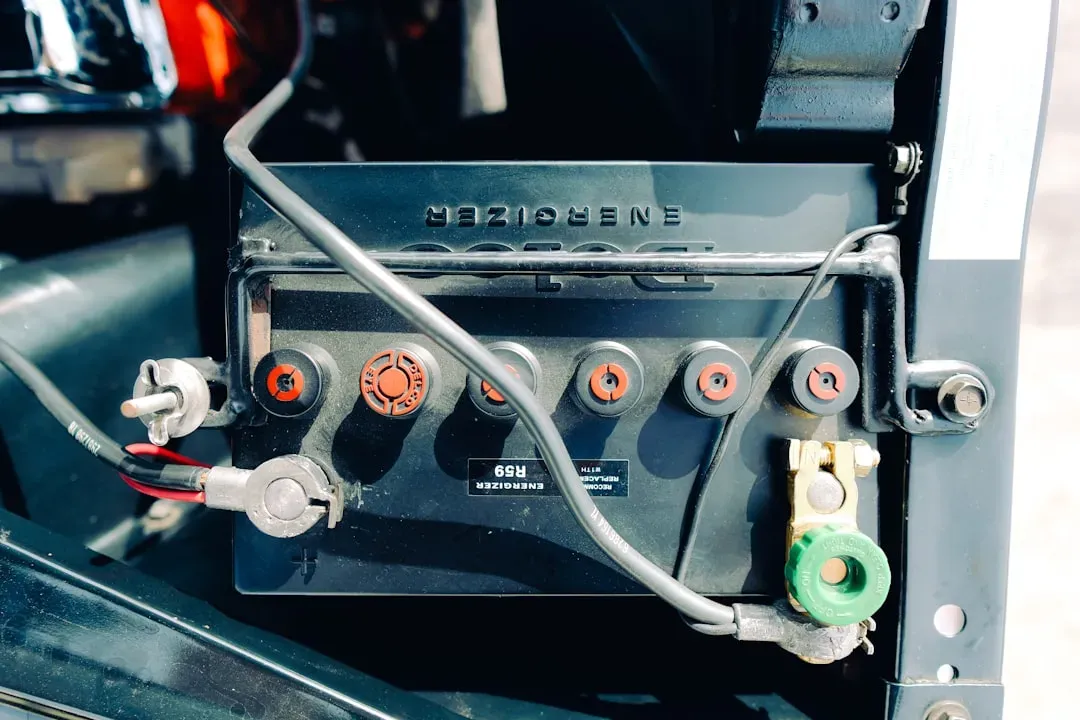
These batteries hold sulfuric acid and lead that leach into groundwater when buried, creating contamination that spreads through soil layers. Regulations in most areas classify them as hazardous waste that requires special handling at recycling centers. A single buried battery can affect drinking water sources for an entire neighborhood if the acid reaches an aquifer.
Environmental agencies track these incidents because the metals persist in the environment and accumulate in plants and animals. Homeowners who dispose of batteries this way often discover the violation only after a neighbor reports strange tastes in well water. Recycling programs accept them free in many communities, making the legal route far simpler than dealing with remediation orders.
#3. Electronics and E-Waste
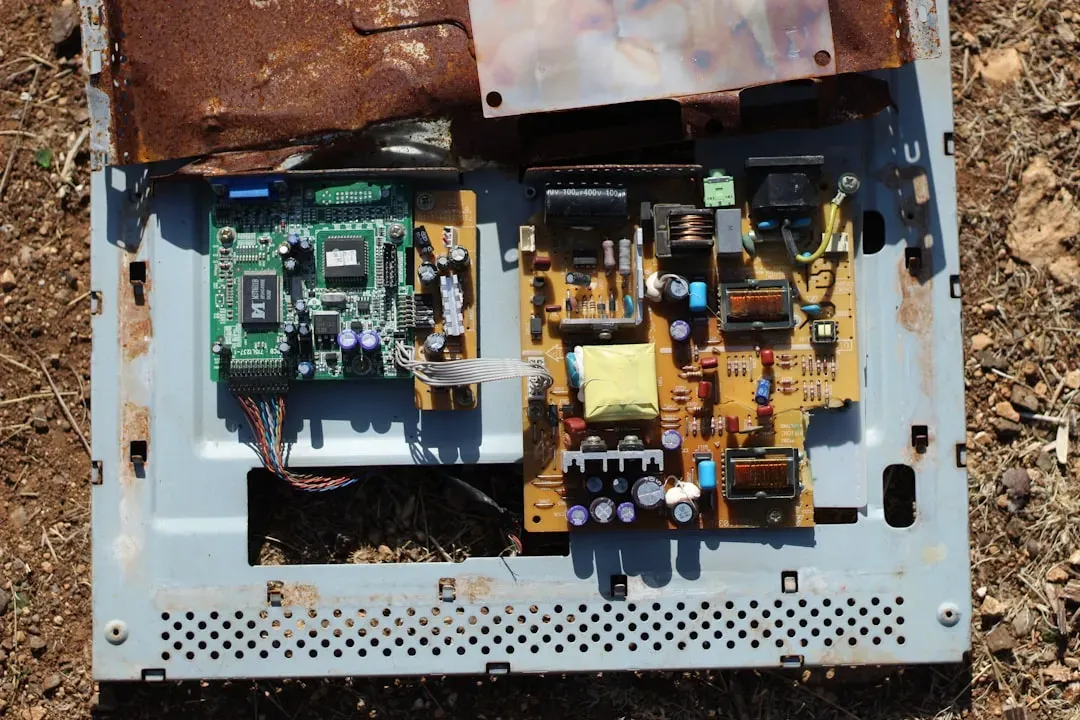
Old computers, phones, and appliances contain heavy metals and flame retardants that do not stay contained when placed in the ground. Federal rules under the Resource Conservation and Recovery Act treat many of these items as items that cannot be landfilled on private land. Once buried, the components can release toxins that travel through rainwater into streams and wells.
Communities have seen rising reports of soil tests showing elevated levels of lead and mercury near former burial sites. The slow release means problems may not appear for a decade or more, yet liability remains with the current owner. Certified e-waste recyclers handle these materials safely and provide documentation that protects against future claims.
#4. Paint, Thinners, and Solvents
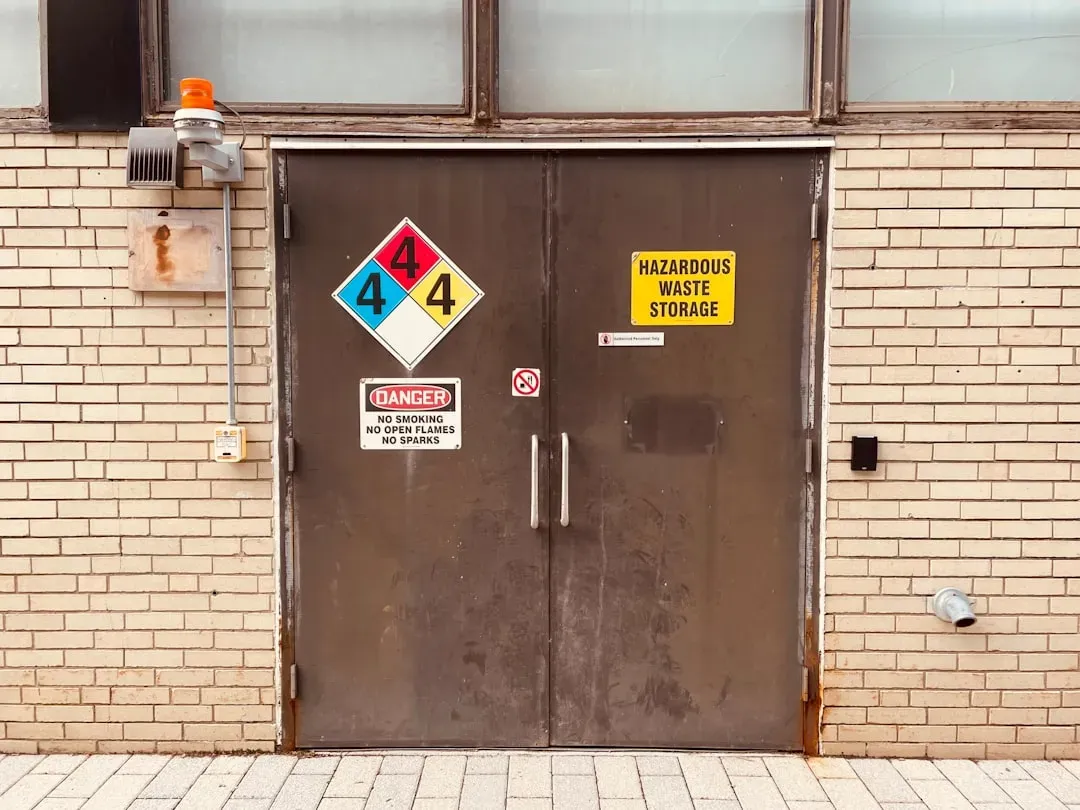
Used paint products and solvents carry volatile organic compounds that evaporate or seep into the earth when buried. State environmental offices list these as household hazardous waste that must go to designated collection events. Burial allows the liquids to migrate toward foundations or septic systems, creating both health and structural concerns.
Records from cleanup sites show that even small amounts can require professional soil removal once detected. The chemicals do not break down quickly in typical backyard conditions, so they remain a source of ongoing pollution. Many counties now offer free drop-off days that make proper disposal straightforward and avoid any risk of enforcement action.
#5. Pesticides, Herbicides, and Motor Oil
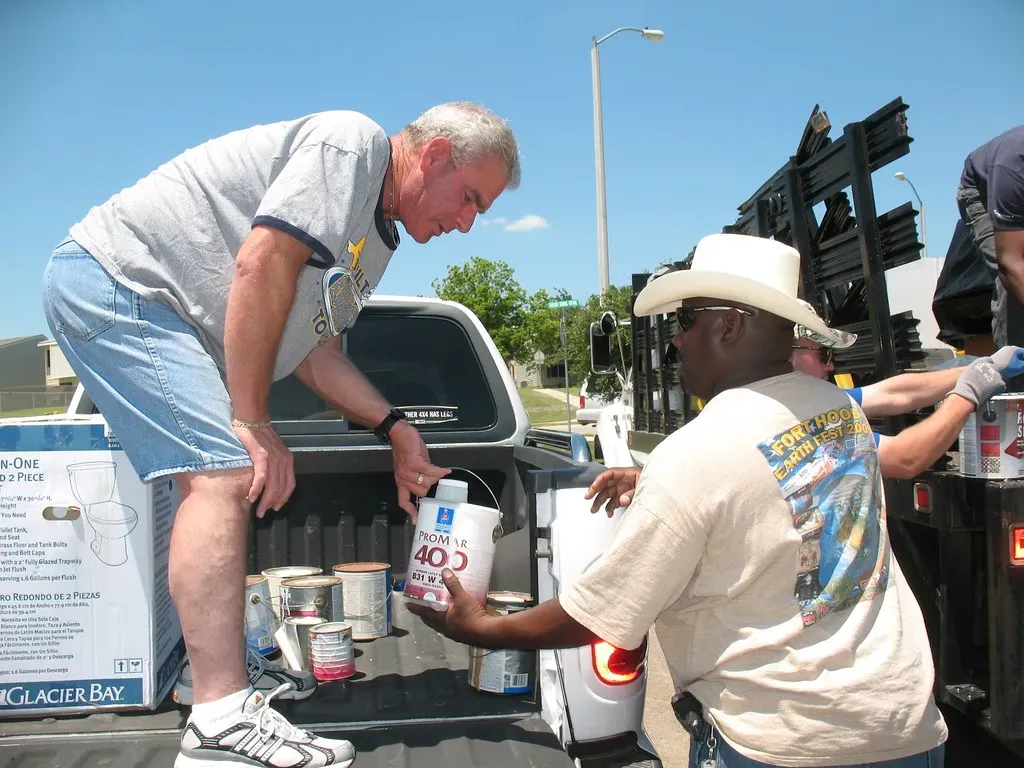
These liquids and powders contain active ingredients designed to kill organisms, which makes them dangerous when released into soil without controls. Regulations require them to be taken to hazardous waste facilities rather than buried or poured out. Once in the ground, they can travel through drainage and affect gardens, pets, and local wildlife.
Groundwater studies have linked improper disposal of these products to measurable increases in chemical residues in private wells. The persistence of some compounds means a single incident can trigger testing requirements for years afterward. Collection programs run by local governments accept these materials at no cost and ensure they are processed according to current safety standards.
Fines and Daily Penalties
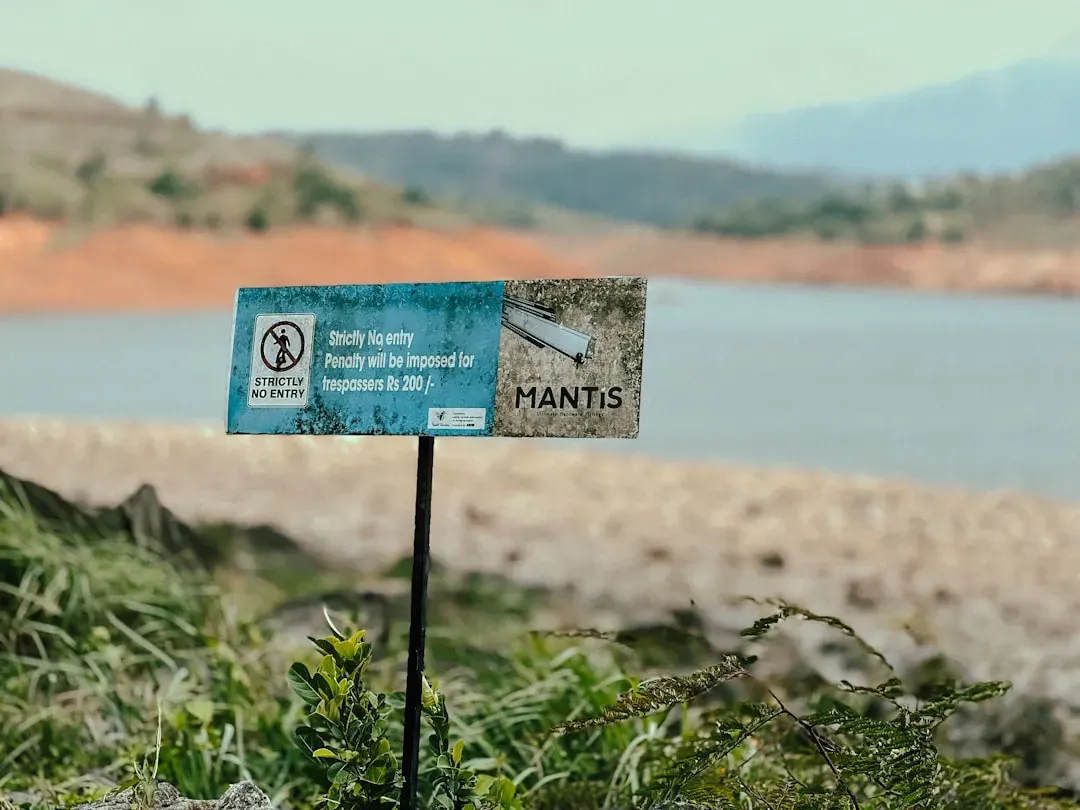
Violations of waste burial rules often carry fines that start in the hundreds and can climb quickly with each day of noncompliance. Environmental agencies issue these penalties after inspections or neighbor complaints reveal the issue. In some documented cases, repeated offenses have led to liens placed on the property until cleanup is complete.
The cost adds up because regulators treat each buried item as a separate infraction in many jurisdictions. Homeowners who receive notice usually have a short window to correct the problem before additional charges apply. Consulting local ordinances ahead of time prevents these escalating expenses from becoming a surprise.
Liability Under Federal Laws

Federal statutes such as CERCLA hold current property owners responsible for contamination even if they did not create it. This strict liability means a buyer or heir can inherit cleanup obligations from previous improper burials. Courts have upheld these requirements in cases where hazardous substances reached public water supplies.
The law focuses on the presence of the material rather than intent, so ignorance offers little protection. Professional environmental assessments before property transfers help identify risks early. Avoiding burial altogether eliminates this chain of potential responsibility that can span decades.
Groundwater Contamination Risks
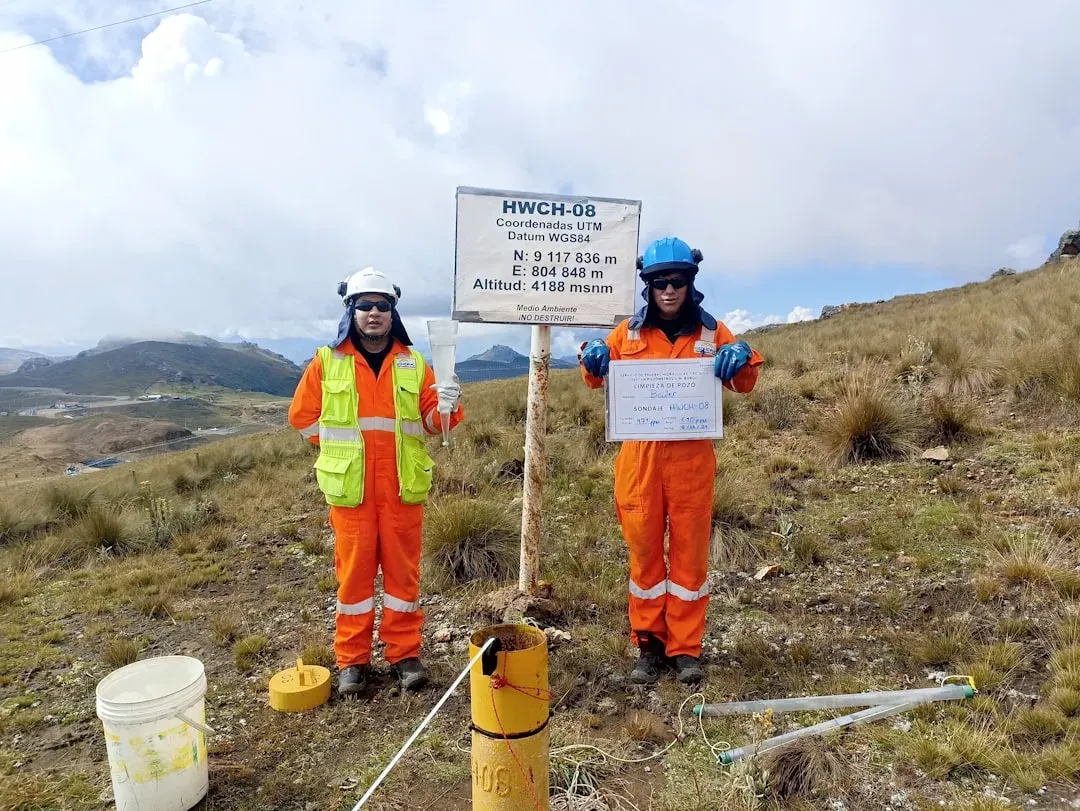
Buried waste can migrate into aquifers that supply drinking water for thousands of households in rural areas. EPA monitoring shows that even modest amounts of certain chemicals can exceed safe limits once they reach underground sources. The movement happens slowly through soil, which delays detection until routine testing or health complaints arise.
Remediation of affected groundwater often requires pumping and treatment systems that cost far more than proper disposal would have. Communities near known burial sites have reported higher monitoring expenses as a direct result. Keeping these materials out of the ground protects both personal wells and shared resources downstream.
Property Value and Sale Impacts

Disclosed contamination from buried items can reduce market value and complicate financing for future buyers. Lenders frequently require environmental reports when past waste practices are suspected. Sellers who fail to address these issues may face lawsuits from purchasers who discover problems after closing.
Appraisers note that properties with documented cleanup histories sell more slowly than comparable clean sites. The stigma lingers even after remediation because records remain public. Routine proper disposal avoids these complications and keeps transactions straightforward.
Practical Alternatives and Local Resources
Most areas maintain household hazardous waste collection sites that accept the very items discussed here at little or no charge. These programs operate on scheduled days and provide receipts that document legal handling. Checking city or county websites reveals the nearest location and accepted materials list.
Some retailers also partner with take-back programs for batteries, electronics, and oils. Using these options keeps waste out of the ground while supporting recycling streams that recover valuable components. The small effort of a drop-off visit prevents the much larger costs associated with environmental violations and restores peace of mind about the land.