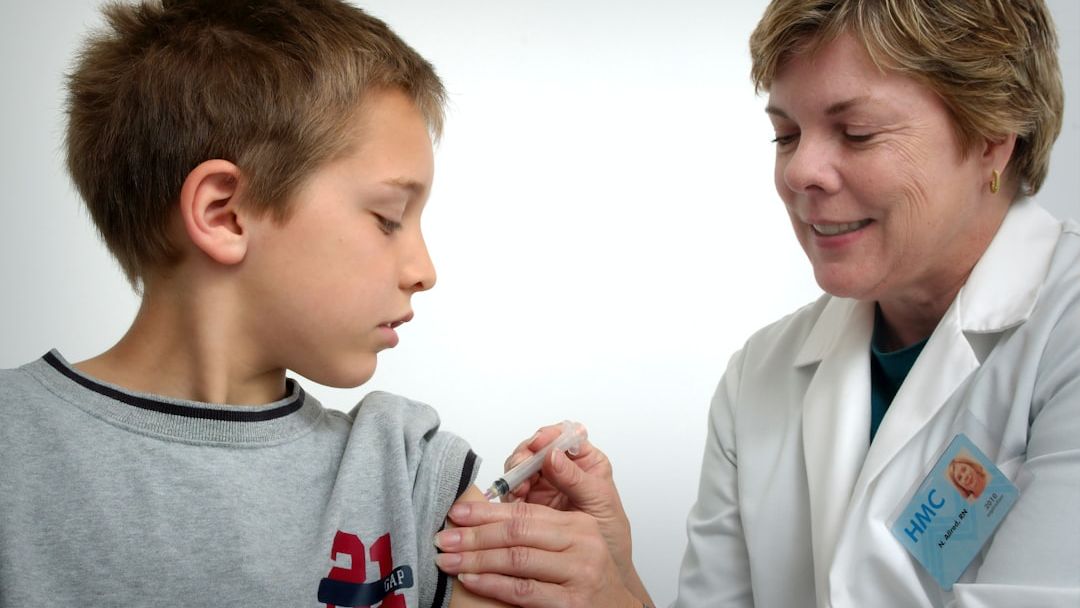
An Unreleased Lyme Disease Vaccine Is Already Sparking False Conspiracy Theories – Image for illustrative purposes only (Image credits: Unsplash)
Farmers across the Midwest supposedly stumbled upon sealed boxes brimming with ticks this spring, or so claims circulated wildly on social media platforms. These reports, lacking any verifiable proof, quickly fused with news of an impending Lyme disease vaccine, fueling fears of a government-orchestrated plague to drive vaccinations. The narrative gained traction amid rising tick-borne illnesses, tapping into deep-seated distrust of medical interventions.
Tracing the Spark of the Tick Tales
The story began with an Iowa-based herbalist and nutritionist, Sarah Outlaw, who shared a video in late March asserting that farmers had uncovered containers of ticks in their fields. She described unusual sightings and a surge in Lyme cases, alpha-gal allergies, and chronic symptoms observed in her practice. Outlaw attributed the information to discussions at a private seminar involving a rural Missouri community, but offered no names, photos, or documents to back it up.
Fact-checkers at Snopes investigated extensively, contacting public health officials across Missouri and beyond. They found zero confirmations of such discoveries. Outlaw declined to share contact details for the supposed witnesses, citing privacy concerns. Despite the void of evidence, her post amassed over 10 million views, propelling the rumor forward.
From Ticks to Vaccine Suspicions
Wellness influencers amplified the claims, drawing direct lines to a Lyme vaccine developed by Pfizer and Valneva. The companies reported strong results from earlier trials, with the shot preventing about 70 percent of cases, though a late-stage study fell short due to fewer infections than anticipated during the trial period. Developers remain optimistic about regulatory approval and a possible 2027 launch.
Posts on platforms like X and Telegram warned of engineered tick outbreaks to boost vaccine uptake. One video, reshared by influencer David Avocado Wolfe, implied a familiar “playbook” with the vaccine announcement’s timing. Phrases like “SHOCKING TIMING EXPOSED” racked up millions of impressions. The MAHA Mom Coalition, focused on medical freedom, publicly sought out the phantom farmers to validate the story.
A Troubled Vaccine Legacy
Lyme disease has no approved human vaccine in the U.S. since LYMErix withdrew in 2002. That earlier product, about 75 percent effective, faced lawsuits alleging autoimmune side effects – claims never conclusively proven – and faltered after a cautious CDC recommendation left it vulnerable to liability. GlaxoSmithKline discontinued it amid mounting legal costs.
Cases have climbed steadily since, influenced by climate shifts expanding tick habitats and increased human exposure. Tick-related alpha-gal syndrome, causing red meat allergies, has also surged, marked by its first reported U.S. fatality in late 2025. Patient advocacy has flourished, alongside debates over “chronic Lyme,” a condition not medically recognized though post-treatment symptoms persist for some.
Enduring Bioweapon Narratives
Conspiracy currents run deeper, with figures like Health Secretary Robert F. Kennedy Jr. endorsing theories that Lyme originated from military experiments at Plum Island. Tucker Carlson’s 2024 program alleged government labs weaponized ticks decades ago, drawing nearly 8 million X views. Politifact countered with evidence of the bacterium’s ancient presence and its unsuitability as a bioweapon due to slow transmission and low lethality.
Congress weighed in too: Rep. Chris Smith secured a mandate in the National Defense Authorization Act for the Government Accountability Office to probe potential U.S. military tick weaponization. Books and podcasts have sustained these ideas, often critiqued for sensationalism over science. Infectious disease researcher Laurel Bristow noted the toll on patients, warning that unproven remedies peddled by influencers exacerbate risks without reducing tick-borne threats.
Dr. Paul Offit, who advised on LYMErix during his CDC tenure, reflected on the era’s dynamics. “We live in a time where conspiracy sells,” he observed. He highlighted how soft endorsements doomed the prior vaccine and expressed concern over parallels to COVID-19 shots, battered by origin and safety doubts. Bristow urged patience for more data on the new candidate, noting ACIP’s role in recommendations remains entangled in disputes.
Navigating Distrust Ahead
Experts like Offit worry the current climate could sabotage Pfizer and Valneva’s efforts before approval. Outlaw, promoting natural protocols via direct messages, funnels interest toward unaccredited supplements from brands like Cellcore – products Bristow deems ineffective against actual infections. Quantum University, source of her “doctorate,” disclaims equivalence to licensed medical degrees.
With tick season underway and no vaccine imminent, public health voices call for evidence-based prevention. Bristow hopes interim research builds confidence, but Offit laments a landscape where “people create their own truths.” The interplay of genuine disease fears and unchecked narratives underscores the challenge in advancing protections against Lyme’s spread.