
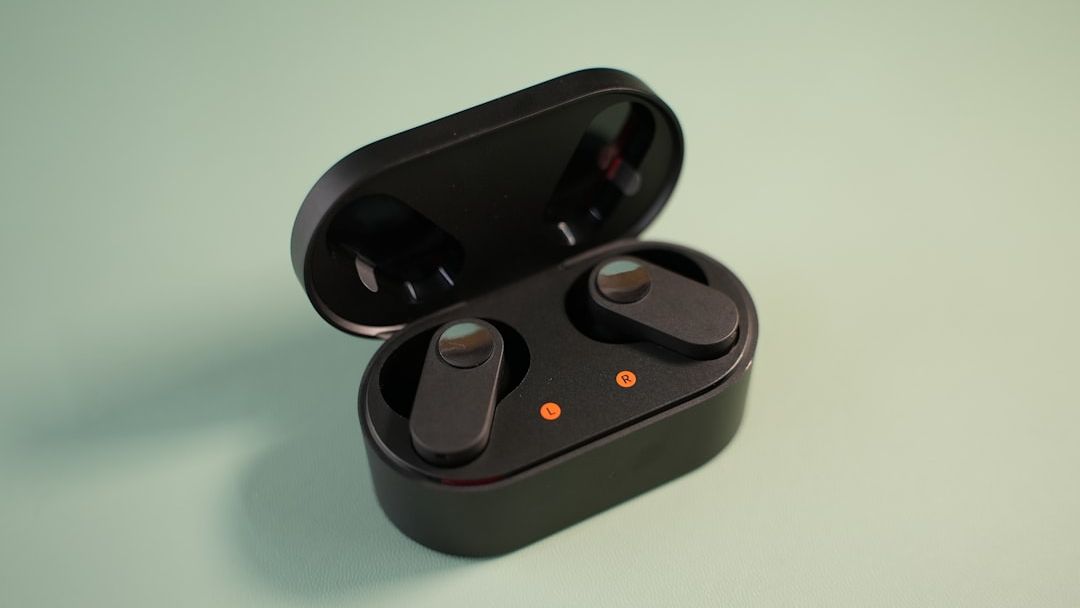
Stop Language Barriers from Ruining Your Trip – Translation Earbuds Seniors Trust – Image for illustrative purposes only (Image credits: Unsplash)
Retirees today are booking more international trips than previous generations, from river cruises along the Danube to family visits in Asia. Language differences, however, can quickly turn those plans into sources of stress, especially when medical needs, directions, or simple transactions arise. Translation earbuds address this gap by delivering real-time conversations directly into the ear, allowing older travelers to stay independent without relying on phone screens or interpreters. The result is greater confidence and fewer disruptions during what should be rewarding experiences.
Why Language Barriers Create Extra Risks for Older Travelers
Isolation during an emergency ranks among the most serious concerns for seniors traveling alone. A sudden need for medical assistance or transportation becomes far more complicated when neither party shares a common language. Translation earbuds ease that pressure by supporting immediate back-and-forth dialogue, eliminating the need to hand a device back and forth in crowded terminals or unfamiliar streets.
Many models now include noise cancellation and offline modes that perform reliably in airports, train stations, and busy tourist zones. These capabilities prove especially valuable when internet connections are unreliable or costly abroad. Travel technology reviews note that the strongest options combine fast response times with clear speech recognition, helping users maintain natural flow even in noisy environments.
Features That Matter Most When Choosing Earbuds for Travel
Comfort stands out as the top priority for extended wear during flights and walking tours. Open-ear designs allow seniors to remain aware of their surroundings while still receiving translations, reducing fatigue over long days. Battery life comes next, with several current models delivering six to eight hours of continuous use plus extra charges from the carrying case.
Simple controls and quick app pairing also rank high. Tiny touch gestures often frustrate users who prefer straightforward one-touch translation. Offline support adds another layer of reliability when data roaming proves expensive or unavailable. Models that double as regular wireless headphones further increase value by handling music, family calls, and airport announcements without extra devices.
Standout Options for Different Travel Needs
The Timekettle W4 Pro earns frequent praise for its dedicated translation focus and natural conversation pacing. Reviewers highlight its simultaneous interpretation modes and strong performance in crowded settings, making it suitable for frequent international travelers who value smooth exchanges at restaurants or hotels.
For those seeking a more affordable entry point, the Timekettle M3 balances translation support with standard Bluetooth functions. Its lightweight build suits occasional trips without overwhelming users who travel only once or twice a year. The Vasco Translator E1, meanwhile, excels in group settings such as cruises and guided tours, where multiple participants can join real-time conversations.
Looking Ahead to More Accessible Journeys
Translation technology continues to lower the threshold for older adults who once avoided overseas trips due to language concerns. Devices that integrate seamlessly into daily routines give retirees the freedom to explore new destinations while preserving independence. The practical payoff appears in reduced anxiety and more memorable experiences, whether ordering meals in Rome or navigating Tokyo transit.
With retirees embracing international travel at higher rates, these tools represent a modest yet meaningful step toward safer, more enjoyable adventures. A well-chosen pair can transform potential obstacles into opportunities for connection, helping seniors focus on the journey rather than the barriers.