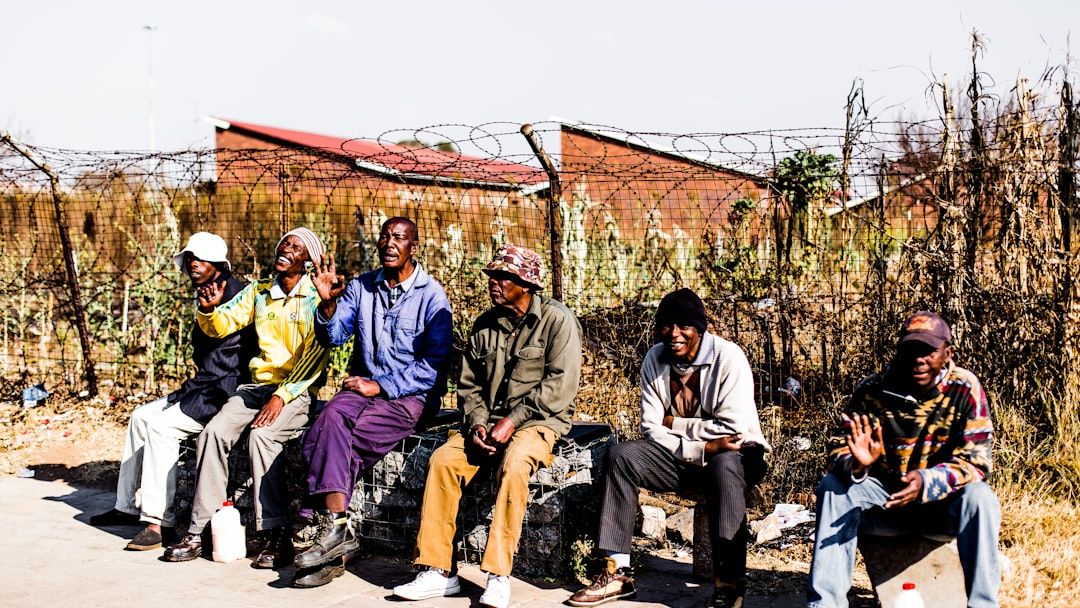
Trump Moves to Admit 10,000 More White South Africans as Refugees – Image for illustrative purposes only (Image credits: Unsplash)
The Trump administration has submitted a formal proposal to Congress that would increase the annual refugee admissions ceiling and direct the additional openings toward Afrikaners facing what officials describe as an emergency situation in South Africa. The plan would raise the current cap of 7,500 refugees to 17,500 for the fiscal year, with the extra 10,000 places reserved for this specific group. Officials estimate the expanded intake would require roughly $100 million in federal funding. The move comes at a time when the broader U.S. refugee program remains sharply limited compared with previous years.
Details of the Proposed Expansion
Under the plan submitted on Monday, the administration argues that conditions in South Africa have created an urgent need for additional refugee admissions focused on Afrikaners. The proposal frames the increase as a targeted response rather than a broad reopening of the refugee system. Documents reviewed by officials indicate that the extra slots would be filled exclusively through this channel, leaving admissions from other countries unaffected by the change. The administration has emphasized that the adjustment addresses a narrow set of circumstances. By tying the higher ceiling directly to the South African situation, the proposal maintains the overall low level of refugee entries while carving out space for the designated group. Congressional review of the submission is expected in the coming weeks.
Arguments Presented for the Emergency Designation
Administration officials have described the situation in South Africa as an “emergency refugee situation” that justifies the special allocation. The justification centers on claims of persecution and discrimination directed at Afrikaners, a population primarily of Dutch descent. This characterization allows the administration to route the additional admissions through existing refugee authorities without altering the general cap for other nationalities. The emergency label carries practical weight because it permits faster processing and dedicated resources. Supporters of the approach say it reflects a realistic assessment of risks faced by the targeted community. Critics, however, have questioned whether the designation meets the legal threshold typically required for such exceptions.
Projected Costs and Implementation Timeline
The State Department has calculated that resettling the additional 10,000 Afrikaners would cost approximately $100 million. This figure covers screening, transportation, initial housing support, and other resettlement services. The funding would come from existing refugee program appropriations, though lawmakers may need to approve supplemental measures if costs exceed current allocations. Implementation would begin once Congress completes its review and the administration finalizes operational details. Officials expect the first arrivals under the expanded quota to occur later this fiscal year, which ends in September. The timeline aligns with standard refugee processing procedures while prioritizing the new group.
Impact on the Overall U.S. Refugee Framework
The proposal highlights a shift in how the United States allocates its limited refugee capacity. By concentrating the increase on one population, the administration is effectively creating a parallel track within an otherwise restricted system. This approach has drawn attention from resettlement organizations and advocacy groups that monitor global refugee flows. Stakeholders including state and local governments that host new arrivals will need to prepare for the additional caseload. Service providers anticipate adjustments in language support, job placement, and community integration programs to accommodate the incoming Afrikaners. The focused nature of the expansion means these preparations can be tailored to the specific needs of this group. The administration maintains that the measure responds directly to documented concerns in South Africa while preserving fiscal responsibility. As the proposal moves through Congress, further details on selection criteria and support services are likely to emerge.