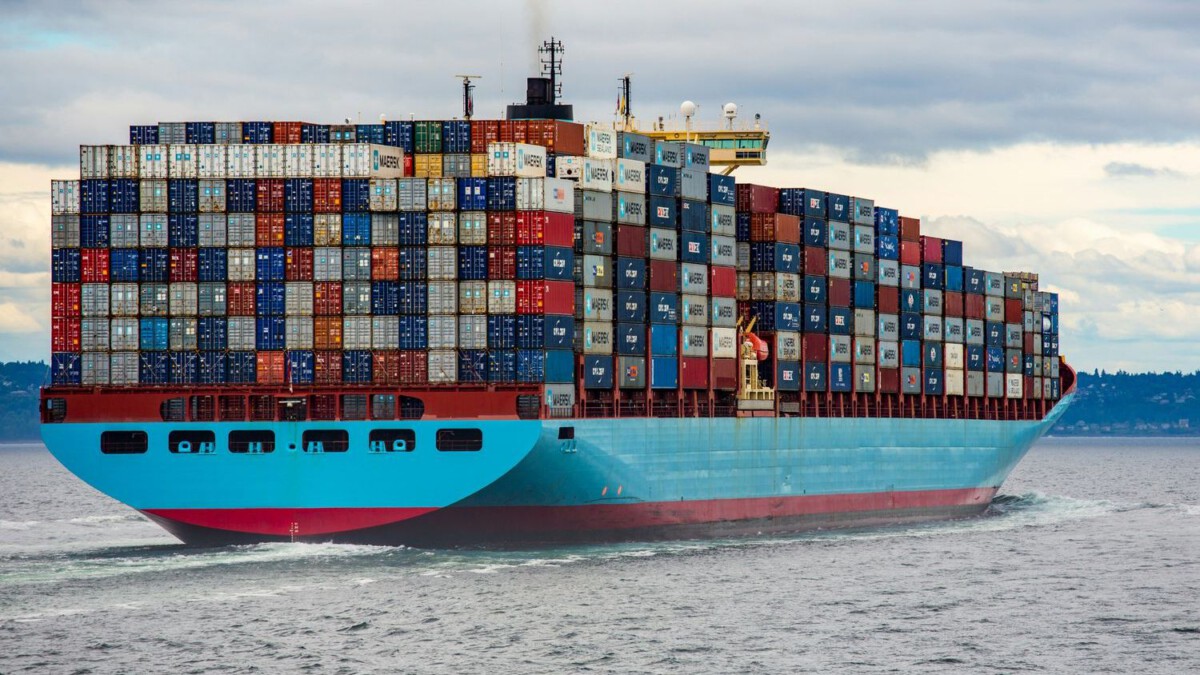
What the Jones Act Means for Domestic Shipping (Image Credits: Unsplash)
Gas prices have climbed sharply for American drivers amid disruptions from the war in Iran, prompting President Donald Trump to extend a key shipping waiver. The move allows foreign-flagged vessels to transport oil, fuel, and other essentials between U.S. ports for an additional three months. Families and businesses stand to benefit if it eases supply bottlenecks and steadies energy prices at the pump and beyond.[1][2]
What the Jones Act Means for Domestic Shipping
The Jones Act, a century-old law enacted in 1920, mandates that goods moving between U.S. ports travel on American-built, owned, flagged, and crewed vessels. This requirement supports a domestic maritime industry but can limit capacity during crises, driving up transportation costs for commodities like fuel.[3]
Trump first suspended these rules on March 18 for 60 days to address fuel shortages triggered by the conflict, which severed about one-fifth of global oil supplies. The extension, announced on April 24, pushes the relief through mid-August, starting at midnight Eastern Time on May 18. White House officials described it as a step to maintain vital supplies of energy products, industrial materials, and agricultural goods.[1][2]
Why Now? Global Tensions Drive the Decision
The Iran war has rattled energy markets worldwide, with blockages in key routes like the Strait of Hormuz complicating oil flows. U.S. fuel prices surged as a result, putting pressure on household budgets just months before midterm elections. Trump cited ongoing volatility as the reason for prolonging the waiver, part of several administration efforts to blunt the economic fallout.[2]
Early results from the initial waiver offered encouragement. More than 40 tankers utilized the flexibility, boosting transport availability between ports by over 70 percent. This enabled roughly 9 million barrels of U.S. oil to reach domestic facilities more quickly, according to White House data.[1] Press secretary Taylor Rogers noted that new figures showed supplies arriving faster, providing “certainty and stability for the U.S. and global economies.”[1]
Such measures target specific pain points. For instance, foreign vessels like the Panama-flagged Rishiri Galaxy have docked to offload oil near Texas refineries, helping redistribute products nationwide.[2]
Real-World Effects on Energy Prices and Wallets
Households feel the pinch most directly at gas stations and utility bills. The waiver aims to cut shipping delays, potentially trimming costs for fuel distribution from Gulf Coast hubs to distant regions like the Northeast. Proponents argue this added capacity counters upward price pressures from global shocks.[4]
Yet questions linger about the scale of relief. Analysts from groups like the Center for American Progress estimated the initial waiver might shave just 3 cents per gallon off East Coast prices, though Gulf areas could see slight increases. Prices have risen in some markets despite the first phase, highlighting limits to the strategy.[3]
- Oil and refined fuels: Faster movement to high-demand areas.
- Fertilizer: Supports farmers amid ag supply strains.
- Industrial materials: Aids manufacturing and construction.
Recent polls indicate voters link these costs to broader economic concerns, amplifying the stakes for everyday consumers.[2]
Industry Pushback and Broader Concerns
Not everyone welcomes the change. Maritime groups warn that prolonged waivers erode U.S. shipbuilding and jobs, creating reliance on foreign operators with lower standards. The American Maritime Partnership called it a “historically long and ineffective” policy that undercuts American workers.[2]
California Rep. John Garamendi labeled the extension a “desperate attempt” that weakens national defense by sidelining domestic vessels. Critics like the American Offshore Maritime Association pointed out no gasoline price drops occurred, with benefits flowing instead to foreign shippers.[1][5] They advocate building more U.S. capacity over temporary fixes.
What Lies Ahead for American Families
The waiver runs through summer, a peak driving season when demand tests supply chains. If global tensions ease, prices may stabilize naturally; otherwise, this flexibility could prove vital. For now, motorists watch pumps closely as the policy plays out its course.
Ultimately, the extension underscores trade-offs between short-term consumer relief and long-term industry health. Americans navigating higher costs will track whether foreign ships deliver meaningful savings before the measure expires.[3]