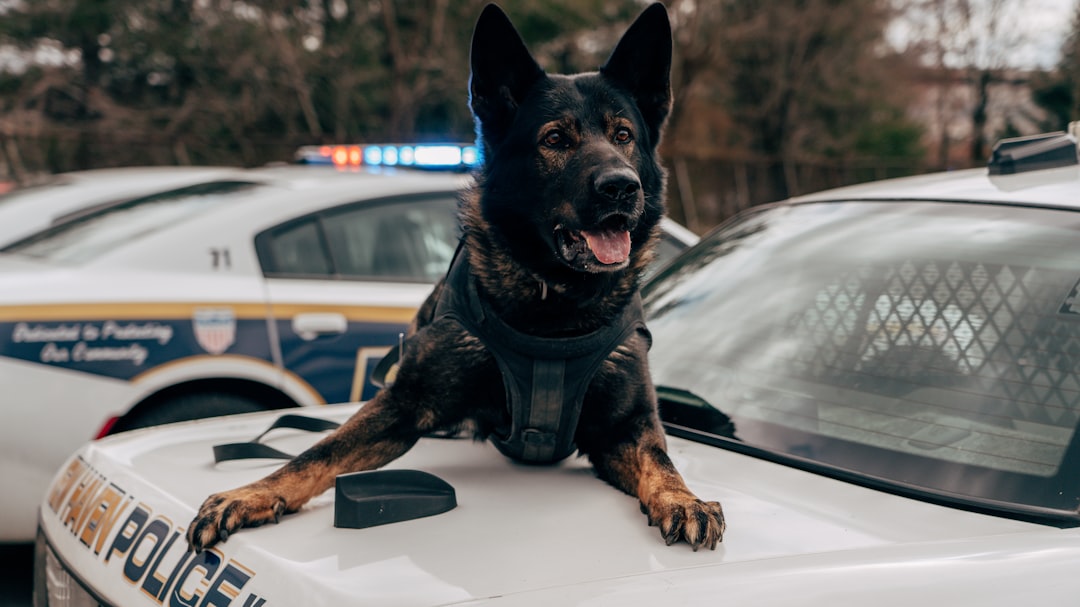
How 2 dogs are making big busts in the Chicago suburbs – Image for illustrative purposes only (Image credits: Unsplash)
In the Chicago suburbs, investigators continue to confront cases involving child exploitation where suspects attempt to conceal electronic devices. Two trained Labradors now provide a practical edge in these searches. Their ability to detect a specific chemical compound allows them to locate items that might otherwise stay hidden from traditional methods.
Specialized Training for a Narrow Task
Enzo and Grip work with local detectives on targeted operations. Handlers prepare the dogs to recognize TPPO, a chemical applied during the manufacturing of certain electronics. This scent lingers on devices even after they have been wiped or stored away.
The training focuses on controlled environments that mirror real search conditions. Dogs learn to signal when they pick up the odor without disturbing the scene. Their work complements forensic teams rather than replacing them.
Results That Shift Case Outcomes
Departments report that the dogs have contributed to several successful recoveries of storage media. In one recent operation, the animals identified devices tucked inside household items that officers had already examined visually. Those finds supplied additional evidence that strengthened ongoing prosecutions.
Officials note that the animals reduce the time spent on exhaustive manual searches. This efficiency matters in time-sensitive investigations where delays can affect victim safety or evidence preservation. The approach has drawn interest from other agencies facing similar caseloads.
Why the Method Matters Now
Digital evidence plays a central role in exploitation cases, yet suspects increasingly attempt to hide or destroy hardware. Traditional tools such as metal detectors or visual sweeps sometimes miss items placed in unusual locations. The dogs fill that gap with a sense of smell far more sensitive than any current scanner.
Training programs emphasize consistency and handler safety. Both Enzo and Grip undergo regular evaluations to maintain accuracy. Their handlers stress that the animals serve as one tool among many in a broader investigative process.
Key points from recent operations:
- TPPO detection works on a wide range of consumer electronics.
- The dogs operate in homes, vehicles, and storage areas.
- Each find undergoes standard forensic verification before use in court.
Continued investment in canine programs reflects a broader effort to adapt investigative techniques to evolving technology. Enzo and Grip demonstrate how specialized animals can support law enforcement without drawing attention away from the human teams leading each case. Their contributions remain focused on one clear objective: helping locate evidence that might otherwise stay out of reach.