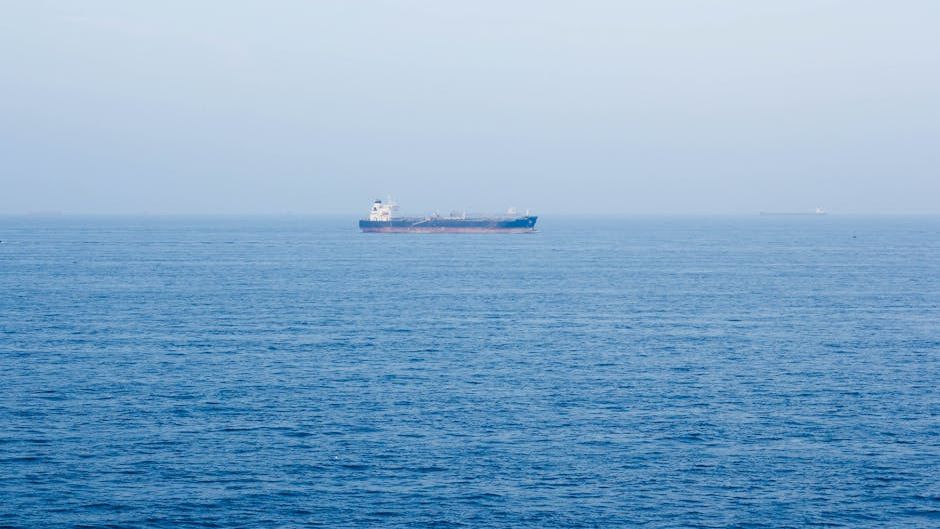
UAE says Iran cannot be trusted over Hormuz, peace efforts at an impasse – Image for illustrative purposes only (Image credits: Pexels)
Dubai – Global oil prices climbed above $111 a barrel on Friday as a senior United Arab Emirates official delivered a blunt assessment of Iran’s reliability over the Strait of Hormuz. The waterway, a chokepoint for 20 percent of the world’s energy supplies, remains largely sealed off two months into the conflict with Iran.[1] UAE presidential adviser Anwar Gargash emphasized that only international law and collective resolve could secure navigation there, casting doubt on any pledges from Tehran alone.
Gargash’s Direct Rebuke
Anwar Gargash, a close adviser to UAE President Sheikh Mohamed bin Zayed Al Nahyan, took to social media to voice the Gulf state’s position. He argued that the “collective international will and provisions of international law” served as the true safeguards for free passage through the strait.[1] In a pointed remark, Gargash added that no unilateral Iranian arrangements could be trusted or relied upon after Tehran’s “treacherous aggression against all its neighbors.”
This statement arrived amid heightened anxiety in Gulf capitals. Regional leaders have watched Iran’s actions closely since the war erupted, with the UAE bearing significant blows from drone and missile barrages on its infrastructure. Gargash’s words underscored a broader sentiment of eroded confidence following those assaults.
Flashpoint: The Strait’s Closure
The Strait of Hormuz has sat at the heart of the crisis since late February. Iran imposed a blockade in retaliation for U.S. and Israeli airstrikes, while the U.S. Navy countered by halting Iranian crude exports. Commercial shipping has ground nearly to a halt, with only Iran-linked vessels navigating the channel.[1]
A fragile ceasefire took hold on April 8, yet the standoff persists. Tehran maintains its grip on the strait as leverage, activating air defenses in anticipation of renewed strikes. Iranian officials have warned of “long and painful” responses to any U.S. moves, signaling no quick concessions.[2]
Energy Markets Reel from Supply Squeeze
The blockade’s fallout has rippled through global energy markets, driving Brent crude futures to $126 a barrel on Thursday – the highest since March 2022 – before settling slightly lower.[1] With the strait handling one-fifth of worldwide oil and gas flows before the war, the disruption has fueled fears of a broader economic slowdown. Gasoline prices in the U.S. have surged, drawing scrutiny ahead of midterm elections.
U.S. President Donald Trump highlighted the strain on Iran’s economy, calling it a “disaster” while insisting Tehran sought a deal. Yet analysts note that while sanctions and blockades bite, Iran appears positioned to endure the pressure for now. The UAE, a major producer, recently exited OPEC, citing the war’s upheaval as a factor in reshaping alliances and production strategies.[3]
Markets stayed volatile into Friday. Traders eyed potential U.S. options, from extending the naval blockade to forming a new coalition for maritime security. France and Britain have signaled readiness to contribute once hostilities fully cease, but no timeline emerged.
- 20% reduction in global oil and gas supplies due to Hormuz closure.
- Brent crude weekly gain projected at 5.7% amid impasse.
- U.S. gasoline costs rise, pressuring consumers and politics.
- UAE’s OPEC departure accelerates shift in energy dynamics.
Diplomatic Deadlock Looms Large
Peace efforts mediated by Pakistan have faltered, with no new talks scheduled after Trump rejected Tehran’s latest proposal. A U.S. deadline under the 1973 War Powers Resolution arrived Friday, mandating an end to hostilities or congressional approval for continuation. The administration sidestepped it by declaring the April ceasefire marked the conflict’s termination.[1]
Iran’s Foreign Ministry spokesman urged patience, cautioning against expectations of swift resolutions. Internal rifts in Tehran, including moves to oust the foreign minister, complicate matters further. Trump reiterated that Iran would never acquire nuclear weapons, tying the issue to broader demands on missiles and the strait.
As the war claims thousands of lives – mostly in Iran and Lebanon – the Gulf states prioritize reopening the waterway. Gargash’s intervention highlighted their insistence on multilateral guarantees over solitary assurances from a foe they now view with profound skepticism.
The impasse over Hormuz tests not just regional foes but the global economy’s resilience. Until trust rebuilds or force prevails, energy markets will grapple with uncertainty, and the strait remains a powder keg in plain sight.