
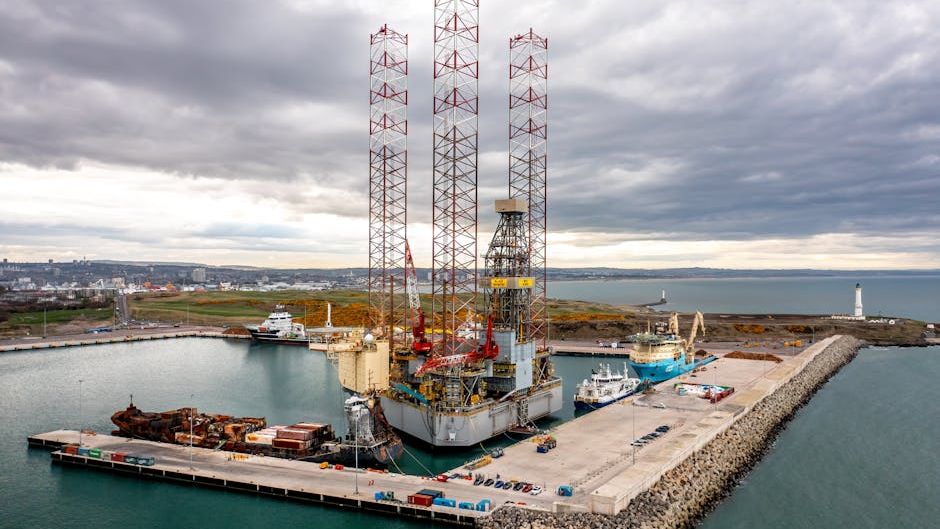
Ukraine ally Britain eases sanctions on Russian oil as fuel prices surge over Iran conflict – Image for illustrative purposes only (Image credits: Pexels)
London – The United Kingdom has introduced a temporary adjustment to its sanctions on Russian oil, allowing limited imports of refined products to shield consumers from sharp increases in fuel costs.
The change responds directly to disruptions in global oil supplies following the closure of the Strait of Hormuz. Officials framed the step as a short-term response to immediate market pressures rather than a broader policy shift.
Scope of the New Import License
A trade license that took effect this week permits the import of Russian crude oil after it has been processed into jet fuel and diesel in third countries. India and Turkey are among the locations where such refining can occur under the new rules.
The measure applies only to these specific refined fuels and remains in place for a defined period. Treasury minister Dan Tomlinson emphasized that the adjustment addresses a narrow issue without altering the overall sanctions framework.
Domestic refiners and airlines stand to benefit most immediately from greater access to these products. The policy aims to stabilize supply chains that have faced strain from recent events in the Middle East.
Global Supply Pressures Driving the Move
The Strait of Hormuz normally carries roughly one-fifth of the world’s oil shipments. Its closure has contributed to higher prices for gasoline, diesel, and aviation fuel across multiple markets.
Concerns over potential shortages of jet fuel have grown particularly acute for airlines and logistics operators. The U.K. decision seeks to ease these pressures while maintaining pressure on Russia’s broader energy sector.
Energy analysts note that even modest increases in available refined products can help moderate price spikes in the short term. The adjustment reflects the government’s priority on protecting household budgets during periods of elevated living costs.
Reactions from Ukraine Supporters and Allies
Britain has maintained its position as one of Ukraine’s most consistent backers since Russia’s full-scale invasion began in 2022. Government statements continue to describe the sanctions regime against Russia as among the strictest in place anywhere.
Emily Thornberry, who leads Parliament’s Foreign Affairs Committee, warned that the change risks disappointing Ukrainian officials. She argued that sustained pressure on Russia’s oil revenues remains essential to weakening its economic position.
Similar steps have appeared elsewhere. The United States extended a 30-day waiver allowing purchases of Russian oil shipments already at sea, while finance ministers from the Group of Seven nations reaffirmed their joint commitment to imposing costs on Russia for its actions in Ukraine.
Key elements of the adjustment
- Temporary license for refined jet fuel and diesel only
- Processing must occur in third countries such as India or Turkey
- Time-limited scope tied to current supply conditions
- Core sanctions on Russian crude remain in force
Outlook for Energy Markets and Policy
The move illustrates the tension governments face between supporting allies and managing domestic economic impacts. Further adjustments could follow if supply disruptions persist or if prices continue to climb.
Market participants will watch closely for any signs that the temporary license influences longer-term supply patterns. Officials have signaled that the core sanctions architecture directed at Russia will stay intact.