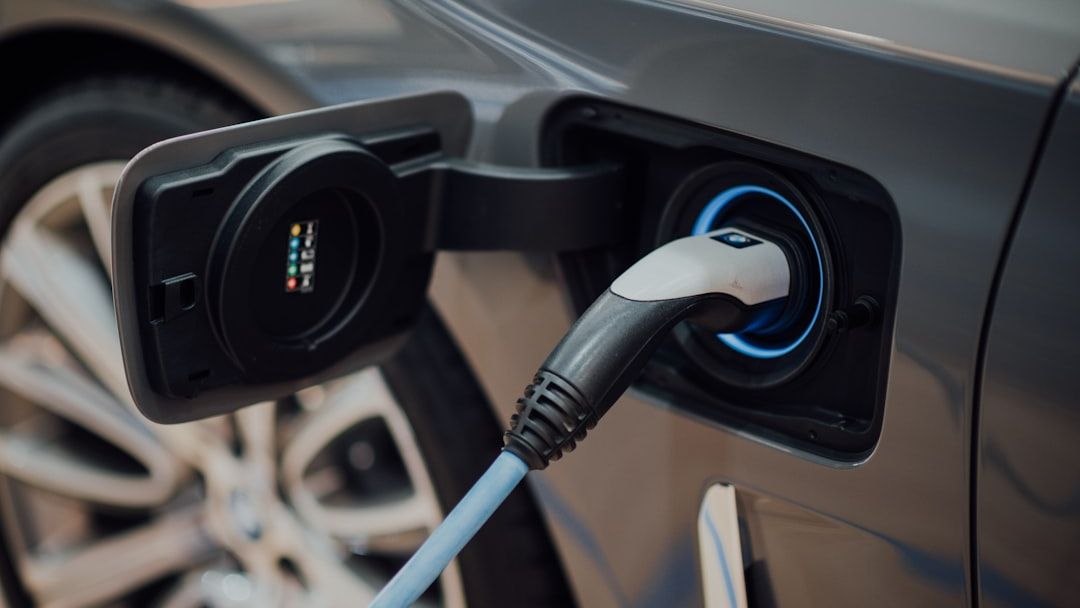
Warm Weather Boosts EV Range: How Drivers Can Maximize Performance – Image for illustrative purposes only (Image credits: Unsplash)
As much of the United States moves past a cold winter, electric vehicle drivers are beginning to see measurable gains in how far their cars can travel on a single charge. The change stems directly from rising temperatures, which accelerate the chemical reactions inside lithium-ion batteries. This natural shift reduces charging times and improves overall efficiency without any changes to driving habits or vehicle settings.
Why Temperature Matters for Battery Chemistry
Battery performance in electric vehicles depends on the speed of internal chemical processes that store and release energy. In colder months, these reactions slow down, which limits how much power the battery can deliver and how quickly it can accept a charge. Warmer conditions reverse that effect by allowing ions to move more freely within the battery cells.
The result is a more responsive system that converts stored energy into motion with less waste. Drivers who experienced reduced range during winter months often notice the difference as soon as daytime temperatures climb consistently above freezing. No additional equipment or software updates are required for these gains to appear.
Practical Gains Drivers Can Expect
Shorter charging sessions represent one of the most immediate benefits. A battery that accepts energy more readily means less time spent at public stations or plugged in at home. At the same time, the improved energy conversion allows vehicles to cover greater distances before needing a recharge.
These advantages appear across a wide range of models because the underlying chemistry responds similarly regardless of brand or battery size. Fleet operators and individual owners alike report more predictable daily ranges once spring arrives. The effect builds gradually as average temperatures continue to rise through the season.
Seasonal Context for EV Ownership
Electric vehicles have grown more common in recent years, making seasonal performance variations more noticeable to a larger group of drivers. The current transition out of winter highlights how external conditions influence real-world results even when vehicles are designed for year-round use. Understanding this pattern helps owners plan trips and charging routines more effectively.
While extreme heat later in summer can introduce its own challenges, the moderate warmth of spring and early summer typically delivers the clearest improvements. Many drivers find the period offers an ideal window to maximize the efficiency their vehicles were built to provide.