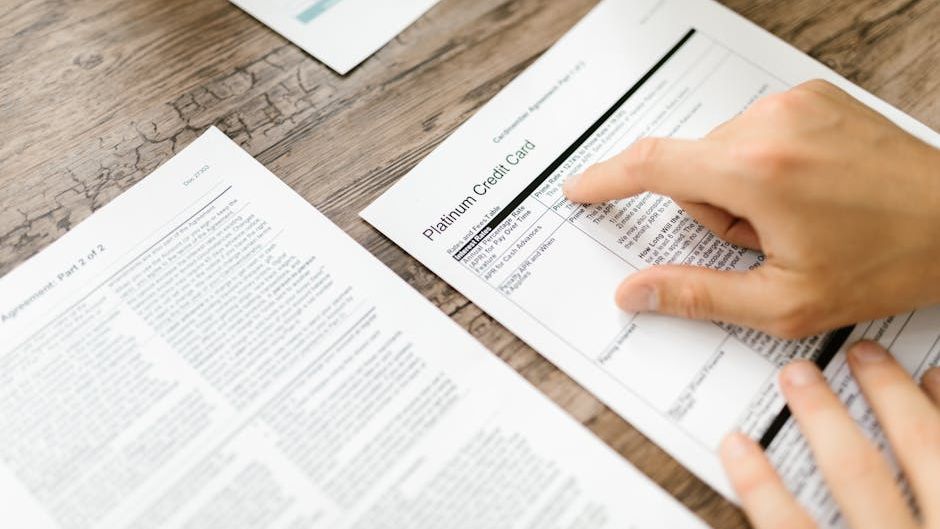

Bank customers across the country have grown used to certain charges that quietly add up over time. One fee in particular has drawn fresh attention after recent federal changes removed earlier limits on how banks can apply it.
Overdraft fees stand out as the charge that fits this description most closely. They kick in when an account dips below zero, and the rules around them shifted noticeably in the past year.
What Overdraft Fees Actually Cover

These charges apply when a bank pays a transaction even though the account lacks sufficient funds. The fee typically ranges from a few dollars up to around thirty or more depending on the institution and account type.
Banks view the service as a short term loan that prevents checks from bouncing or debit cards from being declined. Customers often see it as an unexpected hit that can compound quickly if multiple transactions occur in one day.
How Federal Rules Changed Recently

In late 2024 the Consumer Financial Protection Bureau issued a rule that would have capped overdraft fees at five dollars for large banks or required them to tie the charge strictly to actual costs. Congress stepped in during 2025 and used the Congressional Review Act to overturn that limit before it took full effect.
The reversal means large banks can once again set their own overdraft pricing without the new federal restrictions. Smaller institutions were already operating under fewer constraints, so the change mainly affects the biggest players in the market.
Why the Fee Returned to the Spotlight

Overdraft revenue has long been a steady source of income for many banks, sometimes totaling billions of dollars industry wide each year. When the proposed cap disappeared, several major institutions announced they would keep or even adjust their existing fee schedules rather than lower them.
Consumer advocates point out that the average household that pays these fees can lose hundreds of dollars annually. The shift back to higher limits has prompted renewed calls for state level protections in places where none currently exist.
How the Charge Affects Everyday Banking

Many people discover the fee only after a small purchase pushes their balance negative. A single overdraft can lead to additional charges if the account stays negative for several days or if more transactions post.
Some banks offer overdraft protection programs that link a savings account or line of credit, yet those options often carry their own costs or eligibility requirements. Customers without such safeguards face the full fee each time the account goes negative.
State Level Variations Across the Country

While federal rules set the broad framework, individual states retain authority to impose their own limits or disclosure requirements. A handful of states already cap overdraft fees or require clearer warnings before a charge applies.
In the remaining states the absence of specific caps leaves banks free to follow their standard pricing. This patchwork means the same bank can charge different amounts depending on where a customer lives and which state laws apply.
Real World Examples From Recent Data

Surveys of checking account fees show that the average overdraft charge at many institutions still sits well above the five dollar level once considered in the proposed rule. Households that encounter these fees multiple times a year report noticeable strain on their monthly budgets.
Industry reports indicate that overdraft income remains significant even as some banks have moved toward no fee checking options to attract new customers. The contrast highlights how the fee continues to play a role in overall revenue strategies.
Ways Customers Can Reduce Exposure
Setting up low balance alerts through mobile banking apps helps catch problems before they trigger a fee. Linking a savings account for automatic transfers offers another layer of protection without relying on the bank to cover the shortfall.
Reviewing account agreements and asking about courtesy pay programs can reveal whether a bank offers grace periods or reduced fees for first time occurrences. Some institutions now provide one free overdraft per year as a goodwill gesture.
Broader Trends in Bank Fee Structures

Monthly maintenance fees and out of network ATM charges have also risen in recent surveys, yet overdraft fees remain among the most variable and potentially costly. Banks continue to balance competitive pressure for free accounts against the need to cover service costs.
Digital tools that track spending in real time have made it easier for customers to avoid negative balances altogether. Still, unexpected expenses or timing issues can catch even careful account holders off guard.
What to Watch for in the Coming Months

State legislatures in several places have begun discussing new disclosure rules or modest caps in response to the federal rollback. Any changes would likely take effect gradually and apply only within those specific states.
National banks must still follow general consumer protection laws that require clear fee schedules and reasonable notice. Monitoring account statements and contacting customer service directly remains the most reliable way to stay informed about current policies.
Practical Steps for Account Holders

Start by checking your bank’s website or app for the latest overdraft policy and any available alternatives. Comparing options at credit unions or online banks that advertise no overdraft fees can reveal lower cost choices if the current arrangement no longer fits.
Keeping a small buffer in the account or using direct deposit timing to align with bill due dates reduces the chance of accidental overdrafts. These habits, combined with regular reviews of statements, help keep unexpected charges to a minimum over time.
Staying aware of how one common fee operates after the recent rule change gives consumers more control over their banking costs. Small adjustments in daily habits often make the biggest difference in avoiding repeated charges.