Your home feels safe. That’s the whole point of it, right? A place to unwind, cook dinner, do laundry, maybe watch some TV. Honestly, most of us never stop to think twice about the appliances humming quietly in our kitchens, laundry rooms, and basements. They just work. Until they don’t.
Here’s the thing though: the very devices that make modern life comfortable are also responsible for thousands of deaths, injuries, and fires every single year across the United States. Some of the risks are obvious, and some are invisible, literally. So before you dismiss this as just another safety article, consider how much time you spend around these machines every single day. Let’s dive in.
1. Electrical Malfunctions: The Silent Fire Starter Hidden in Your Walls and Appliances
Most people picture house fires as dramatic events caused by something obvious. The reality is far more mundane and, frankly, more terrifying. Overloaded circuits, outdated wiring, and malfunctioning appliances are often to blame for electrical fires. These fires can smolder inside walls for hours before anyone notices a thing.
The U.S. Consumer Product Safety Commission reports that home electrical malfunctions cause about 51,000 fires each year in the United States, leading to roughly 500 deaths and more than $1.3 billion in property damage annually. That’s a fire starting somewhere in America every single day from causes we rarely think about. Electrical fires are the cause of more than 1,400 injuries per year, and these injuries can range from minor burns to more severe complications.
2. The Kitchen Stove and Oven: America’s Number One Fire Hazard
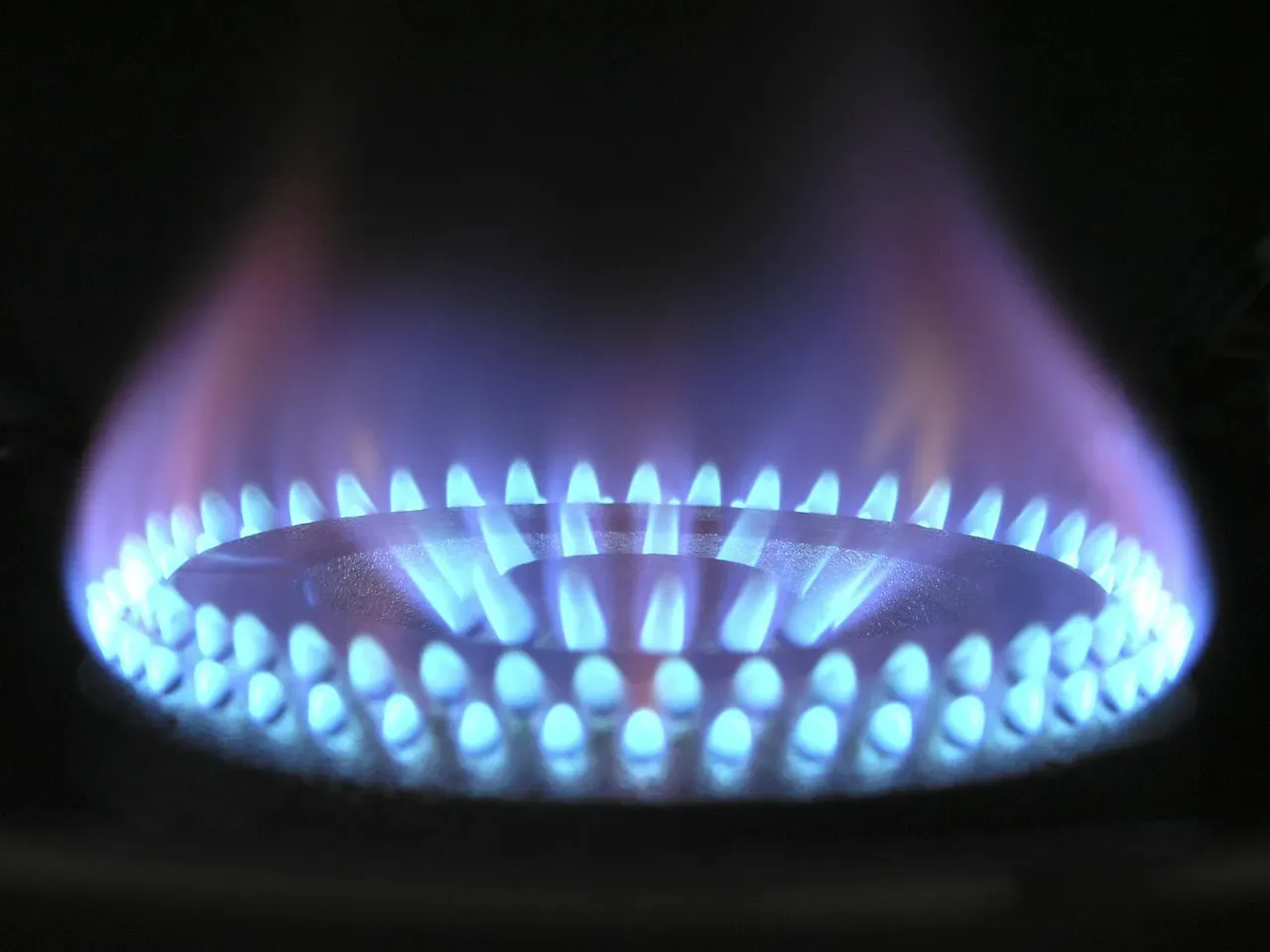
Let’s be real: the kitchen is probably where you spend the most active time in your home. It’s also statistically the most dangerous room. Cooking is the leading cause of house fires, according to the NFPA. That’s not a small claim. That’s the single biggest fire risk sitting right in your kitchen every night at dinnertime.
The numbers behind this are genuinely eye-opening. Cooking led to an estimated average of 158,400 home fires each year from 2017 to 2021, according to NFPA data. Oven ranges or cooktops cause roughly more than half of all reported home cooking fires, and homes with electric ranges are at a greater risk of kitchen fires than those with gas ranges. And the biggest single trigger? Walking away. Unattended cooking causes about one-third of all cooking fires, making it a leading and entirely preventable factor in residential fire risk.
3. Gas Stoves and the Invisible Carcinogen You Didn’t Know You Were Breathing

Beyond fire risk, gas stoves are now under scrutiny for something even more alarming. In 2023, a Stanford-led research team found that cooking with gas raises indoor levels of benzene, a known carcinogen linked to leukemia, sometimes above the benzene levels in secondhand cigarette smoke. Think about that for a second. Cooking a meal could expose your household to air quality worse than a room filled with cigarette smoke.
Natural gas and propane stoves emit benzene, a known carcinogen, through combustion. One study evaluated population-level benzene exposure and associated health risks for the 6.3 million U.S. residents exposed to the top five percent of highest benzene-emitting gas stoves. The findings were troubling, especially for children. Children inhale more benzene per body weight than adults, making their cancer risk from gas stove-attributable benzene exposure nearly twice that of adults, and in homes without ventilation, children’s cancer risk from gas stoves were up to 16 times higher than the WHO’s recommended limit. Opening a window while cooking is not a luxury. According to this research, it’s a genuine health measure.
4. The Clothes Dryer: A Fire Waiting to Happen in Your Laundry Room

Most people clean the lint trap after a load and consider the job done. It turns out that’s not nearly enough. The National Fire Protection Association reports that dryers and washing machines cause an average of 15,970 fires each year, with dryers causing 92% of them and an average of $200 million in property damage. That’s an astonishing number for an appliance most households run multiple times a week without a second thought.
The NFPA reports that failure to clean the dryer accounts for 34% of dryer fires, while failure to clean the venting system contributes to another 28% of fires. That means well over half of all dryer fires are directly linked to skipped maintenance. Research shows that only about a third of dryer owners clean their dryer vents annually, which is the recommended frequency by safety experts, and around 17% of dryer owners admit to never cleaning their vents at all. It’s a surprisingly easy fix for a surprisingly dangerous problem.
5. Carbon Monoxide from Gas Furnaces and Water Heaters: The Killer You Can’t See
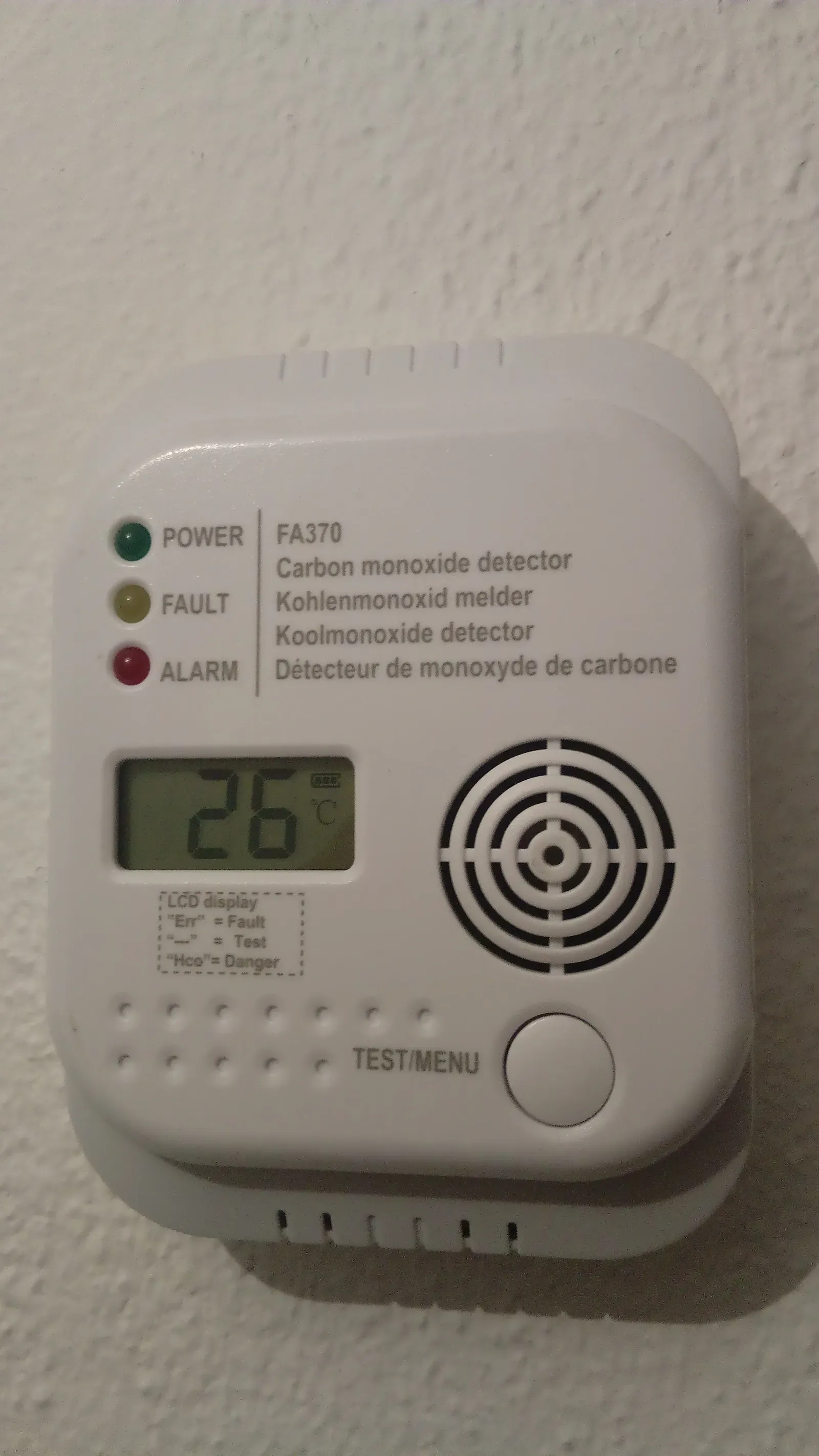
Carbon monoxide is an odorless, colorless gas that can cause sudden illness and death if inhaled. You cannot smell it, you cannot see it, and by the time you notice symptoms, it may already be too late. This is not an exaggeration. According to the Centers for Disease Control and Prevention, accidental CO poisoning brings approximately 50,000 people to the emergency department and causes more than 400 deaths each year across the nation.
Many household items including gas- and oil-burning furnaces, portable generators, and charcoal grills produce this poison gas. The appliances that keep your home warm in winter are the very ones most likely to leak it. Furnace heat exchangers can crack, vents and chimneys can become blocked, disconnected or corroded, and inadequate air supply for combustion appliances can cause conditions that force CO-contaminated air back into the home. Annual professional servicing of these appliances is not optional. It’s life-saving.
6. Space Heaters: Warm, Convenient, and Dangerously Misused
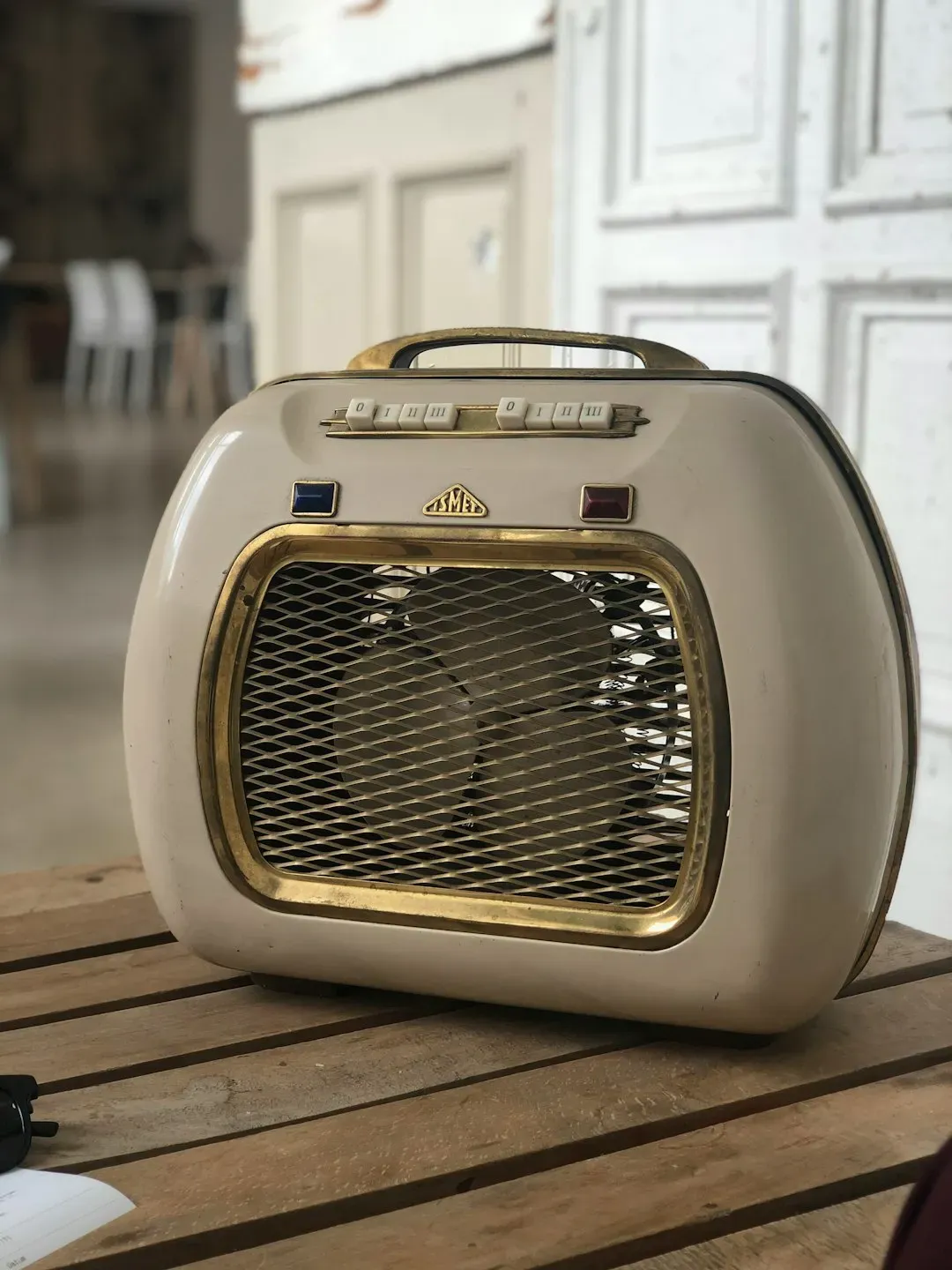
Space heaters feel harmless. They’re small, they’re portable, and they take the chill off a cold room. However, they are responsible for a shockingly high share of home heating fires. The National Fire Protection Association reports that portable heaters cause about 44% of home heating fires, often when placed too close to furniture or fabrics. Nearly half of all heating fires from a device that fits under your desk.
According to NFPA data, U.S. fire departments responded to an annual estimated average of 38,881 home heating equipment fires from 2019 to 2023, resulting in 432 civilian deaths, 1,352 injuries, and $1.1 billion in property damages. Safety guidance from the NFPA recommends keeping anything that can burn at least three feet away from all heating equipment, including furnaces, fireplaces, wood stoves, and space heaters. Most people do not follow this rule, and many don’t even know it exists.
7. Electrical Distribution and Overloaded Outlets: When Too Many Plugs Become Dangerous
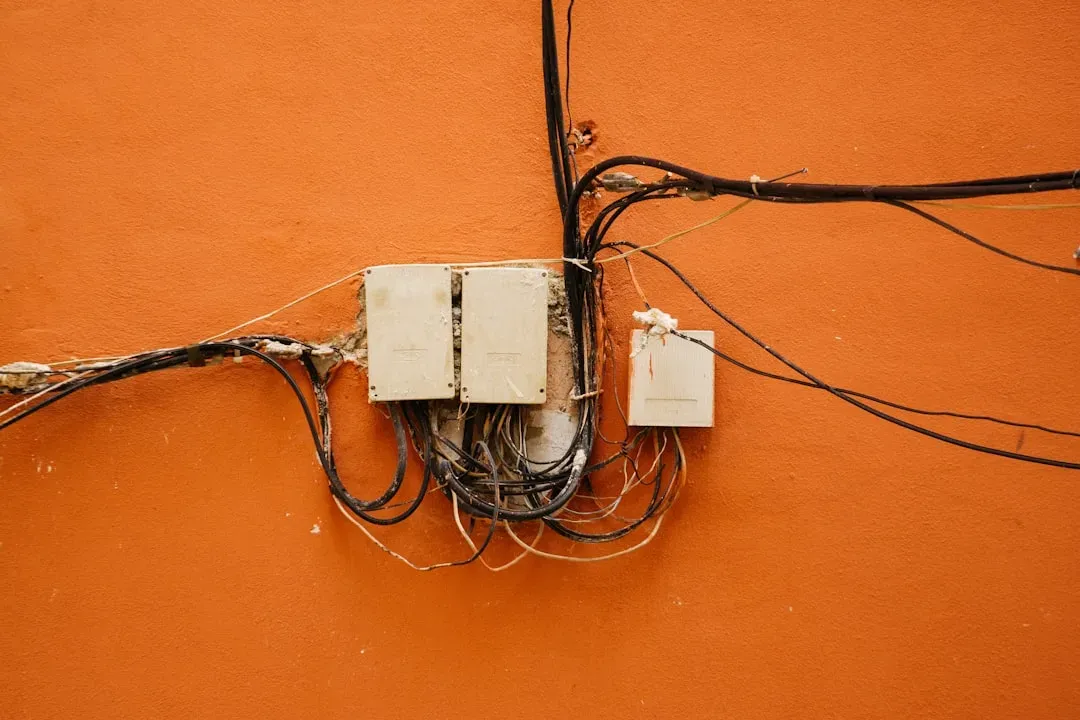
Think about how many things you have plugged into a single power strip right now. A TV, a gaming console, a lamp, a phone charger. Maybe more. Electrical fires can start at various sources, including faulty wiring, overloaded circuits, or malfunctioning appliances. The risk grows quietly, invisibly, often for years before anything goes wrong.
According to the Electrical Safety Foundation International, electrical distribution systems and lighting equipment cause more than 30,000 home fires annually in the U.S., many linked to overloaded outlets or aging wiring connected to appliances. Signs that something may already be wrong in your home include a tingling feeling when you touch an electrical appliance, a discolored or warm wall outlet, a burning or rubbery smell coming from an appliance, flickering or dimming lights, or sparks from an outlet. Any one of these should be taken seriously and inspected immediately.
8. The Microwave: Burns, Fires, and Emergency Room Visits
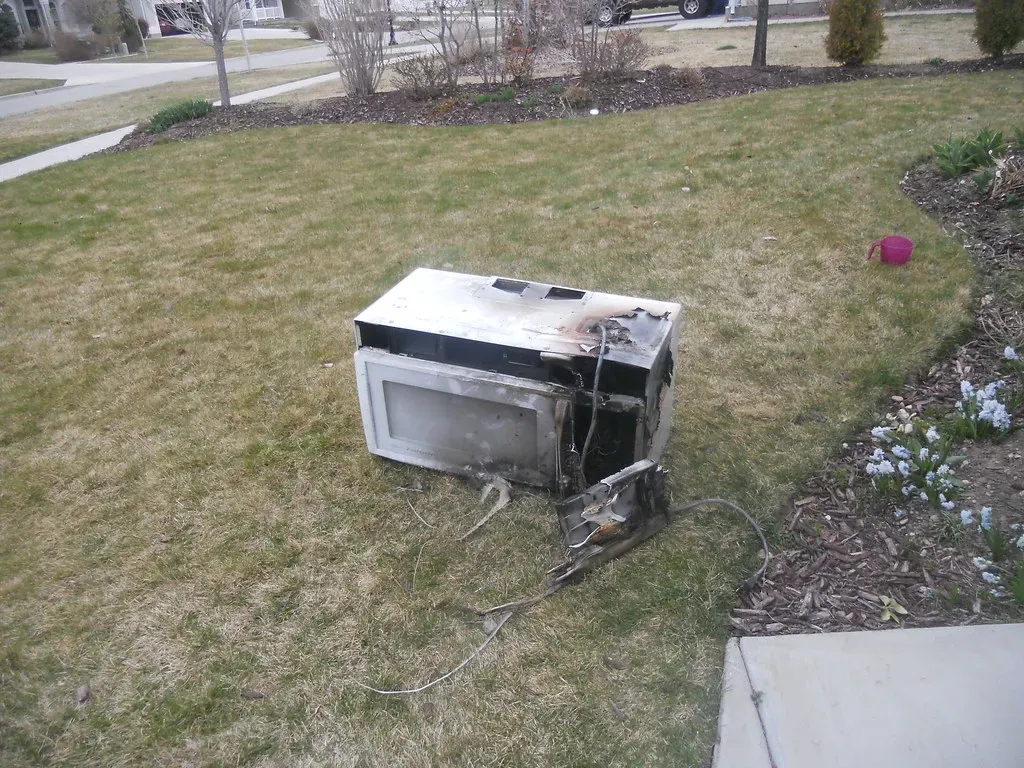
The microwave is perhaps the most underestimated appliance in terms of hazard potential. It’s fast, it’s easy, and we use it daily without much thought. However, the U.S. Consumer Product Safety Commission has warned that microwaving certain materials or overheating food can cause burns or fires, which contribute to thousands of emergency-room visits each year. The danger isn’t just the dramatic case of metal in the microwave. It’s the everyday scenario of overheated liquids, improperly sealed containers, and unapproved materials that can superheat or ignite.
Superheating, for instance, is a real and underappreciated risk. It happens when plain water is heated past its boiling point without actually showing bubbles, only to erupt violently when disturbed. I think a lot of people have never even heard of this, yet it sends people to emergency rooms every year with serious burns to their hands and faces. Following manufacturer guidelines on approved containers and heating times is genuinely important, not just bureaucratic caution.
9. The Refrigerator: A Fire Risk That Runs 24 Hours a Day
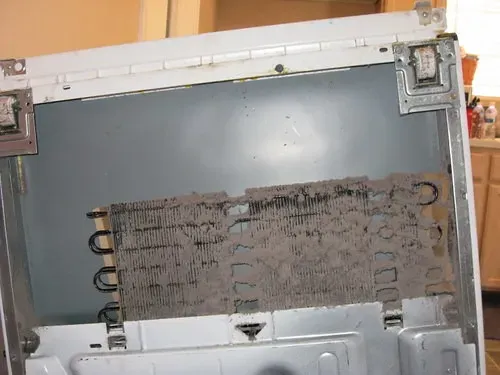
This one surprises most people. Your refrigerator never turns off. It runs silently, day and night, every day of the year. The U.S. Department of Energy notes that refrigerators and other continuously running appliances can pose fire risks if compressors, wiring, or coils overheat, especially when ventilation is blocked or maintenance is neglected. Because the risk is gradual and quiet, it rarely gets treated with the urgency it deserves.
Dust accumulation on the coils at the back or bottom of your refrigerator is not just an aesthetic issue. It forces the compressor to work harder and run hotter. According to the NFPA, house fires cause on average $9 billion of property damage every year in the U.S., in 2023 dollars after adjusting for inflation. Appliance-related fires are a meaningful slice of that figure, and the refrigerator’s constant operation makes it a uniquely persistent risk compared to appliances used only occasionally. Cleaning the coils and ensuring adequate ventilation behind the unit is a simple step that most homeowners skip entirely.
10. Smoke Alarm Failures: The Danger That Makes Every Other Risk Worse
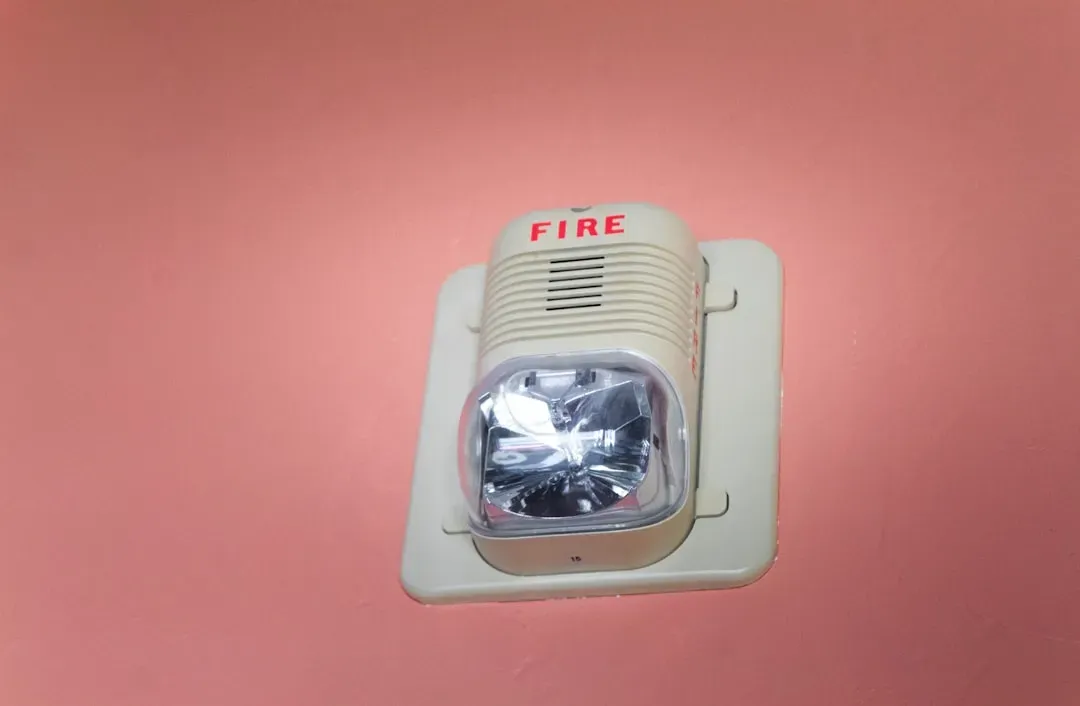
Here’s a sobering thought to tie everything together. Every single fire risk above is made dramatically worse if your smoke alarm doesn’t work. Fires in homes without working smoke alarms account for nearly three out of five fire deaths, with 43% occurring in properties lacking smoke alarms and 16% in homes where alarms failed to operate, according to the NFPA. That’s not a small percentage. That’s the majority of fire deaths happening in homes where a working detector might have made all the difference.
Nearly one in five households that assumed all their alarms were functional had at least one with a malfunction, such as dead batteries, and depending on the margin of error, as many as roughly one in five households may lack at least one working alarm, per the CPSC. There is a fire-related death on average every three hours in the United States. A working smoke alarm costs very little and takes five minutes to install. It’s genuinely one of the most important safety decisions a homeowner can make, and it remains the most overlooked one.
The Takeaway: Everyday Appliances Deserve More Than Everyday Attention
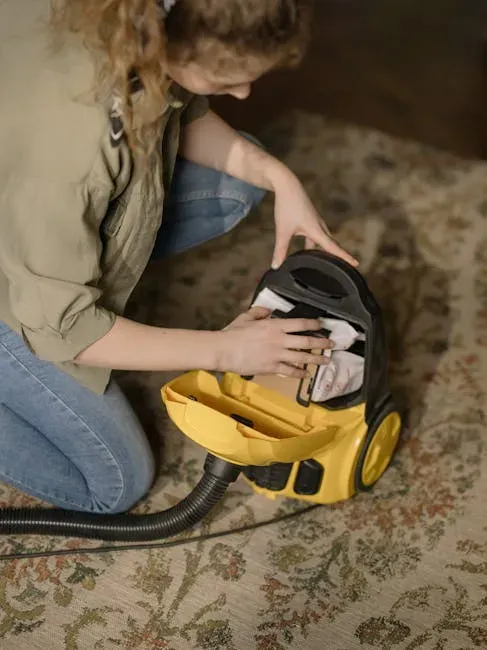
The patterns are clear across all ten of these dangers. Neglected maintenance, blocked ventilation, overloaded circuits, unattended appliances. Most of these risks are preventable. Not through expensive upgrades or specialized knowledge, just consistent attention to things we tend to ignore because they’re familiar.
It’s hard to say for sure which of these risks affects your home most right now. However, the data from the NFPA, CPSC, CDC, and independent researchers all point to the same uncomfortable truth: the greatest dangers in your home are often the quietest ones, the appliances you trust without question.
Take a walk through your home today. Check that lint trap. Look at what’s behind the refrigerator. Test the smoke alarm. It’s a small investment of time that the statistics suggest is very much worth making. What would you have guessed was the biggest hidden danger in your home before reading this? Tell us in the comments.