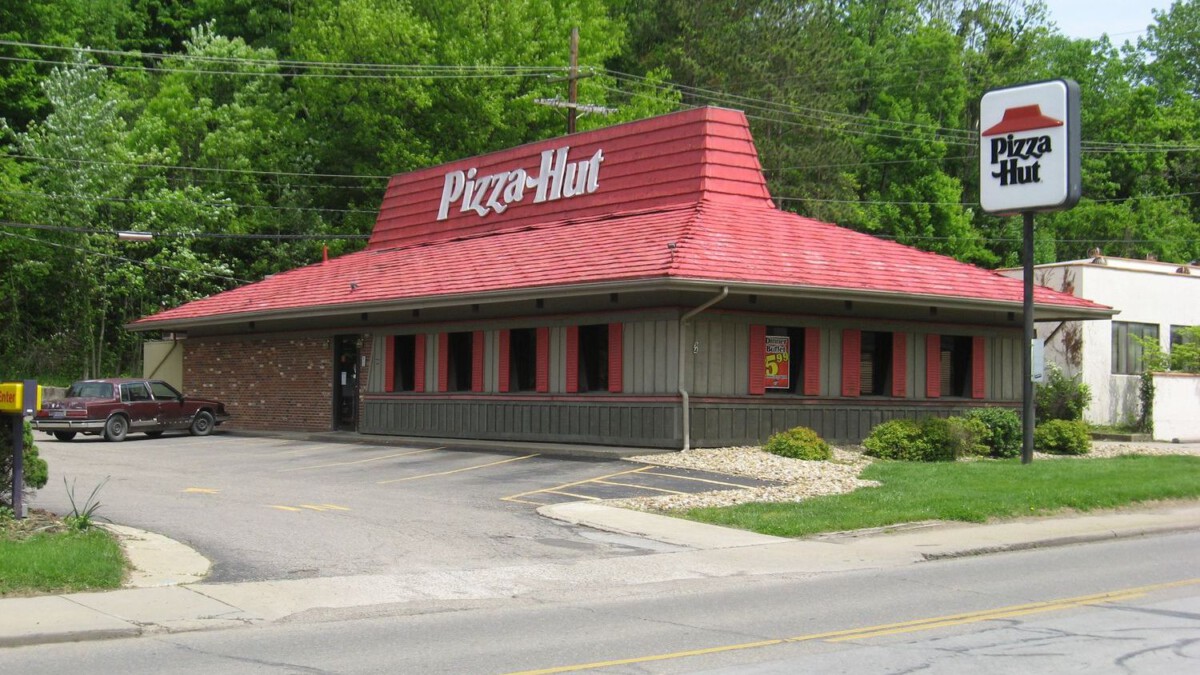

The Origins of the Iconic Red Roof
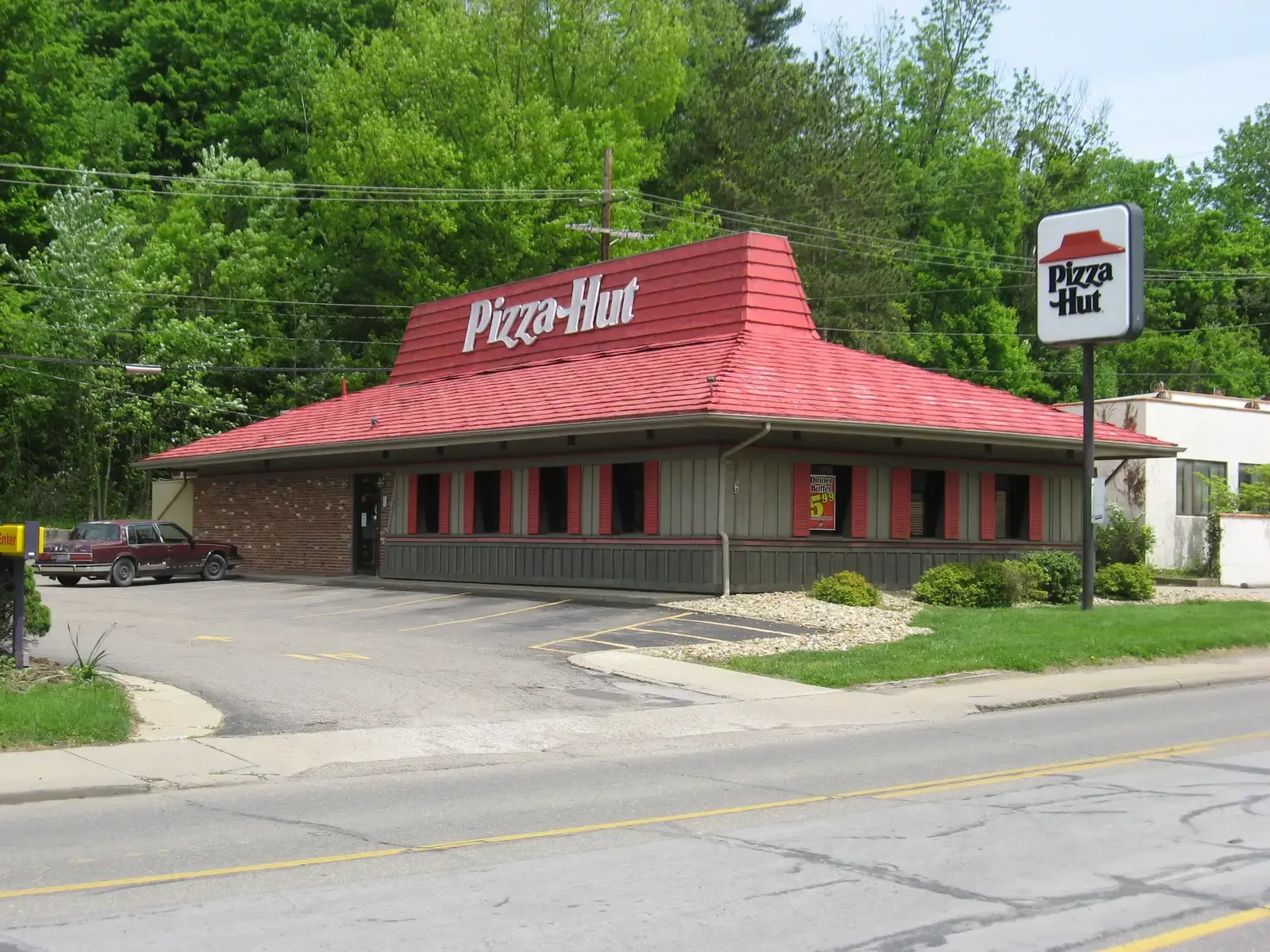
Pizza Hut rolled out its distinctive red roof design back in the late 1960s. This move came as part of a push to standardize branding across the growing chain in the United States. The roofs quickly became a symbol of casual family dining, dotting suburbs and highways alike. By the early 1970s, Pizza Hut had surged to become the top pizza chain, with the red roof even making its way into the logo. Architects drew from a mansard-style roof, tweaking it for bold visibility from afar. These structures popped up by the thousands, turning ordinary strip malls into recognizable landmarks. Travelers spotted them easily long before GPS changed everything. The design evoked warmth and invitation, pulling in hungry drivers off the road.
That era saw Pizza Hut expand rapidly, especially in the Midwest. The red roofs numbered around 6,300 at their peak in the decades following. They blended French architectural flair with American commercial hustle. Each building promised pizza, arcade games, and a lively dine-in vibe. Standardization helped franchisees build fast and keep costs somewhat in check. Yet the roofs required upkeep, from shingles to the signature fiberglass edges. Nostalgia now clings to those early days when the chain defined roadside eats. Photos from back then show endless seas of red against blue skies.
Early Shifts Away from the Classic Look
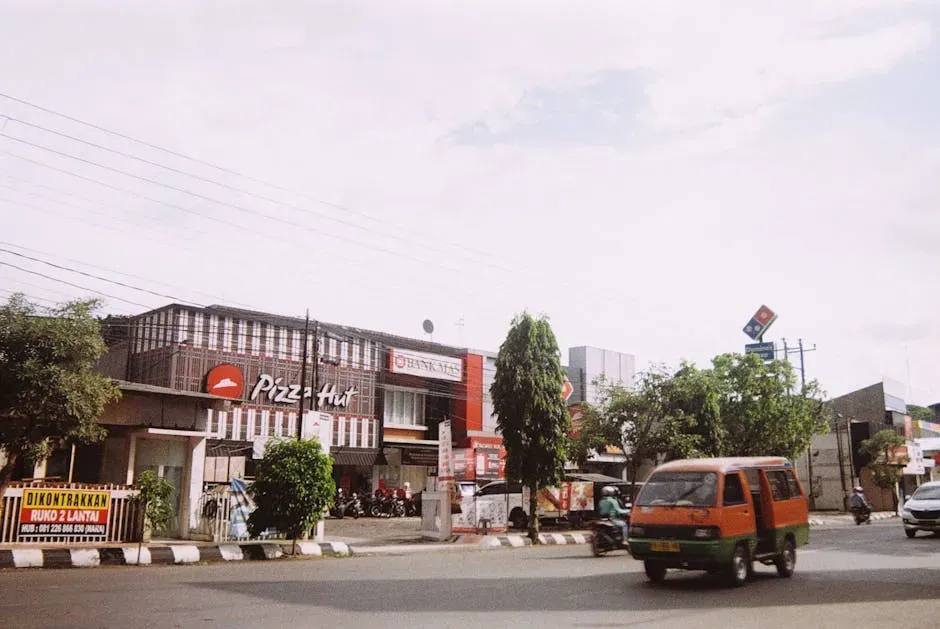
Cracks appeared in the 1980s as Pizza Hut tested sleeker prototypes. Dine-in trends held strong then, but costs nagged at operators. Some locations swapped roofs for simpler profiles to trim build expenses. The chain still prized the red roof in branding, baking it into logos. Yet prototypes hinted at a future less tied to mansards. Expansion slowed slightly, prompting efficiency tweaks. Franchises in high-growth areas led the quiet experiments. By decade’s end, whispers of change circulated among insiders.
The 1990s brought more pressure from rising real estate prices. Pizza Hut hovered around top spots but faced Domino’s delivery push. Roofs stayed iconic, yet new builds occasionally skipped them. Maintenance bills piled up on older sites, from leaks to fading paint. Company memos urged modernization without ditching heritage entirely. Suburban sprawl demanded adaptable footprints. Still, most spots clung to tradition. The slow fade set the stage for bigger overhauls.
The 2000s Boxy Revolution
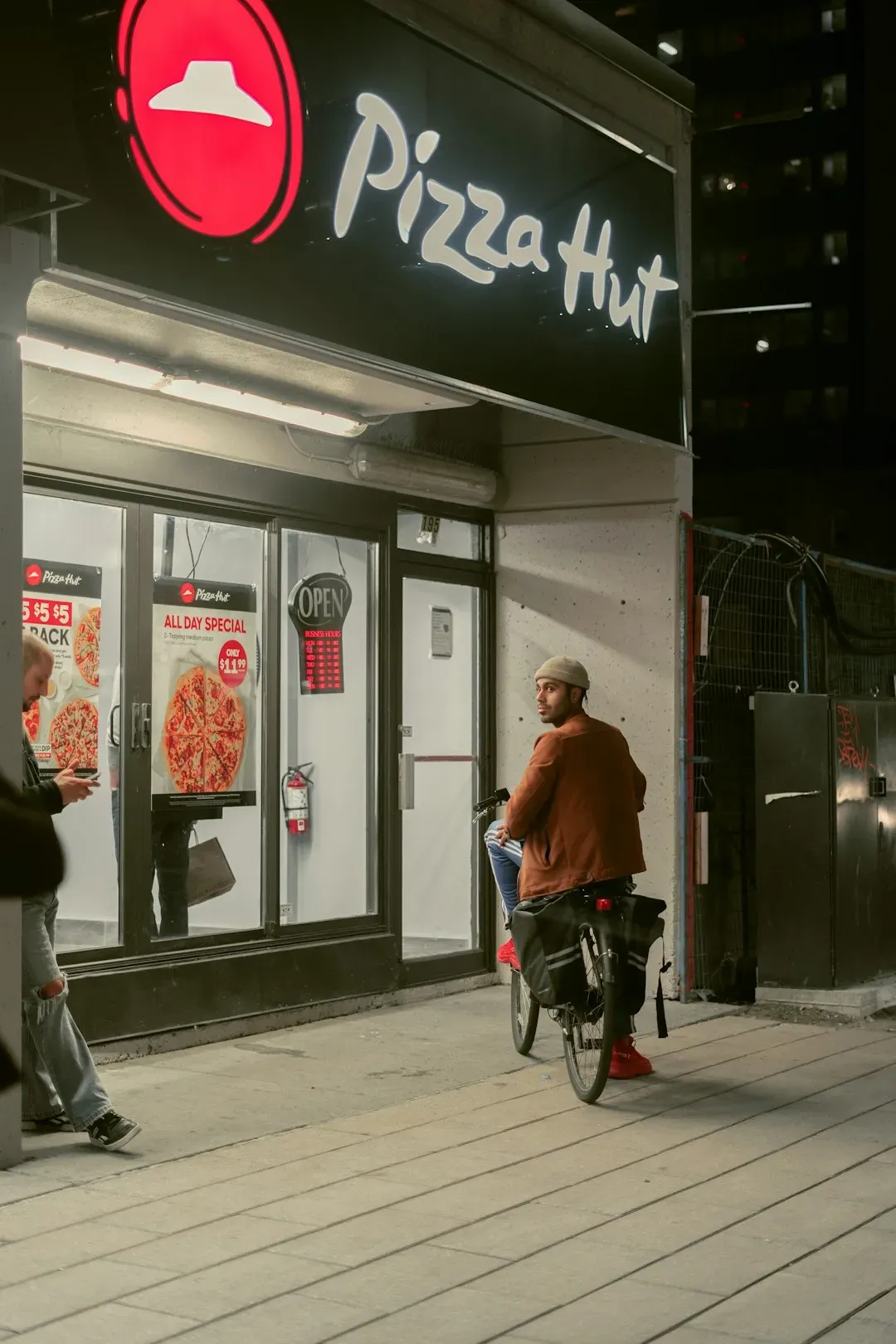
Into the early 2000s, Pizza Hut accelerated the pivot to box-style buildings. These flat-roofed units slashed construction costs dramatically. Dine-in sales dipped below 10 percent of revenue, favoring carryout focus. Spacious interiors gave way to compact kitchens and pickup windows. Thousands of red roofs lingered, but new opens favored efficiency. The shift mirrored broader fast-food trends toward simplicity. Cities saw fewer standout roofs, blending into neutral strips. Operators celebrated quicker turnarounds on builds.
By mid-decade, box designs dominated fresh locations. They allowed flexible leasing in strip centers. Roofless profiles cut material needs by significant margins. Pizza Hut’s U.S. count held steady around 7,000, but classics aged out. Demolitions ramped up in underperforming spots. Survivors dotted older neighborhoods, evoking past eras. The change streamlined operations amid competition. Visual identity softened as roofs vanished from horizons.
Unpacking the American Classic Redesign
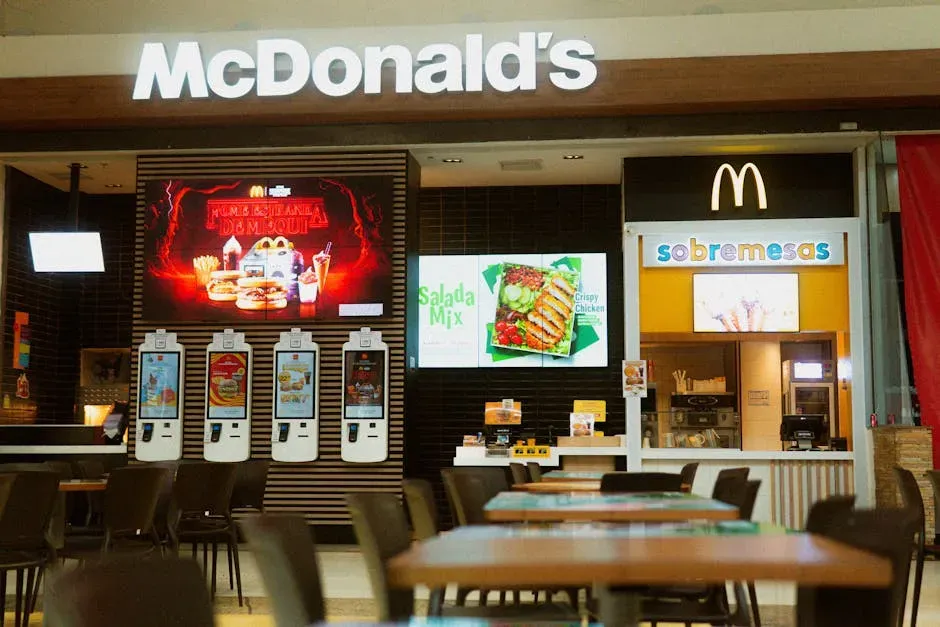
The 2010s “American Classic” initiative modernized without full roof revival. It targeted prototypes blending nostalgia with practicality. Flat roofs persisted, but facades nodded to heritage colors. Rollouts aimed at refreshing hundreds of sites yearly. Costs dropped versus full teardowns, appealing to franchisees. The plan phased out most remaining mansards systematically. U.S. locations numbered over 7,000 then, with steady tweaks. Branding leaned on logo revivals instead of structures.
By 2016, traditional red roofs dwindled to about 3,000 nationwide. The redesign prioritized delivery hubs over dining halls. Interiors got open layouts for hybrid service. Exterior simplicity aided quick pivots to trends. Company reports touted savings in upkeep alone. Critics noted the loss of skyline character. Yet sales stabilized amid the flux. The era marked a firm goodbye to roof dominance.
Thousands of Repurposed Roof Survivors
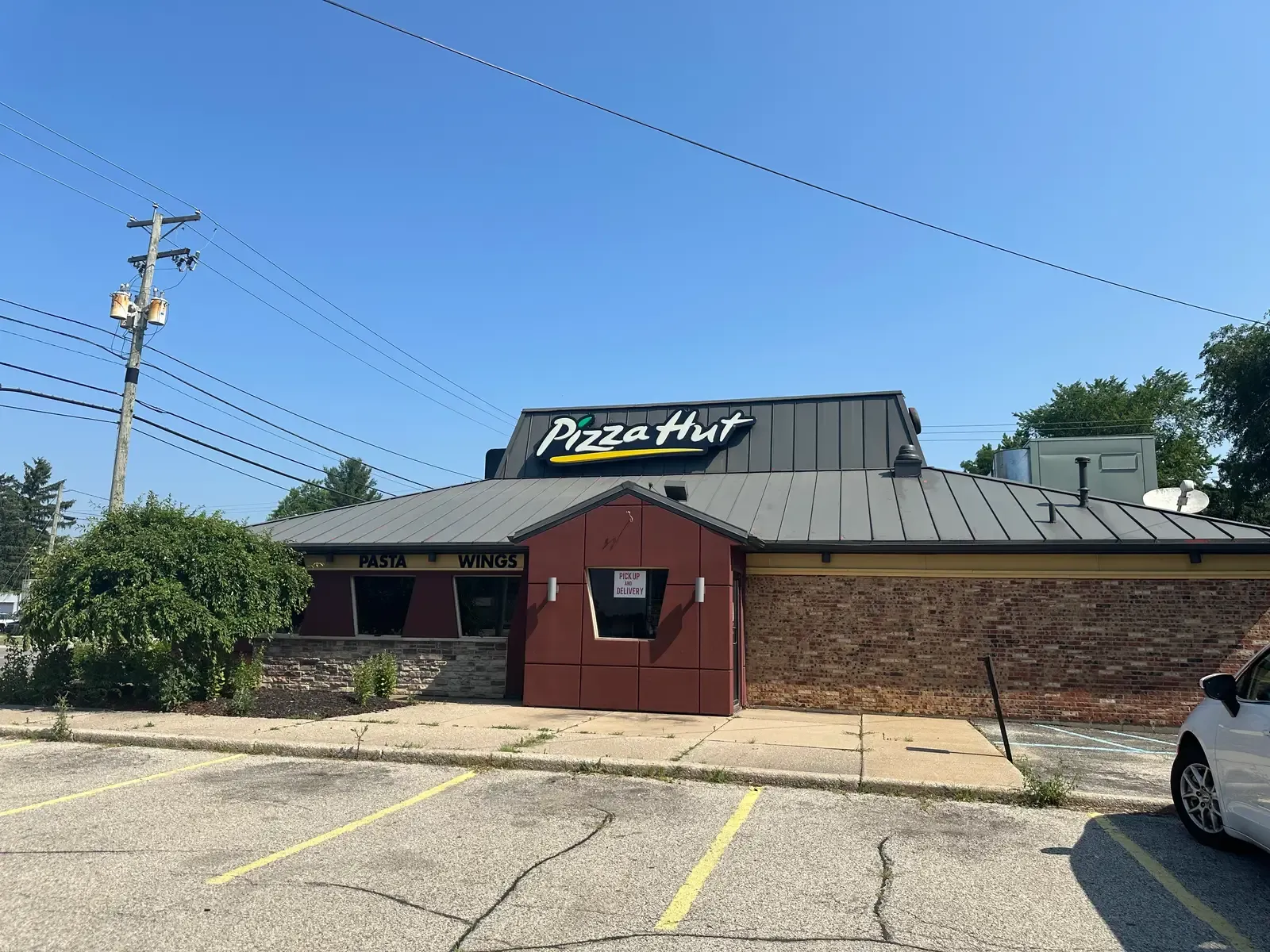
Today, thousands of former Pizza Hut buildings stand repurposed nationwide. Banks, churches, and taquerias claim many, roofs intact for instant charm. Online maps reveal them in every state, from rural edges to city fringes. Preservation feels accidental, driven by sturdy bones. Some keep red tiles, fooling passersby at first glance. Demolition skips these due to reuse value. Communities embrace the quirks, turning relics into locals. Spotting one now feels like time travel.
By 2024, Pizza Hut U.S. sites hit around 6,700, mostly roofless. Repurposed classics number in the thousands still. Forums document over a thousand verified cases alone. Banks favor the secure vault-like bases. Churches add steeples atop mansards. Independent eateries paint over logos subtly. These holdouts preserve architectural DNA. They whisper of pizza buffets past amid modern blandness.
Chain Designs and Suburban Identity
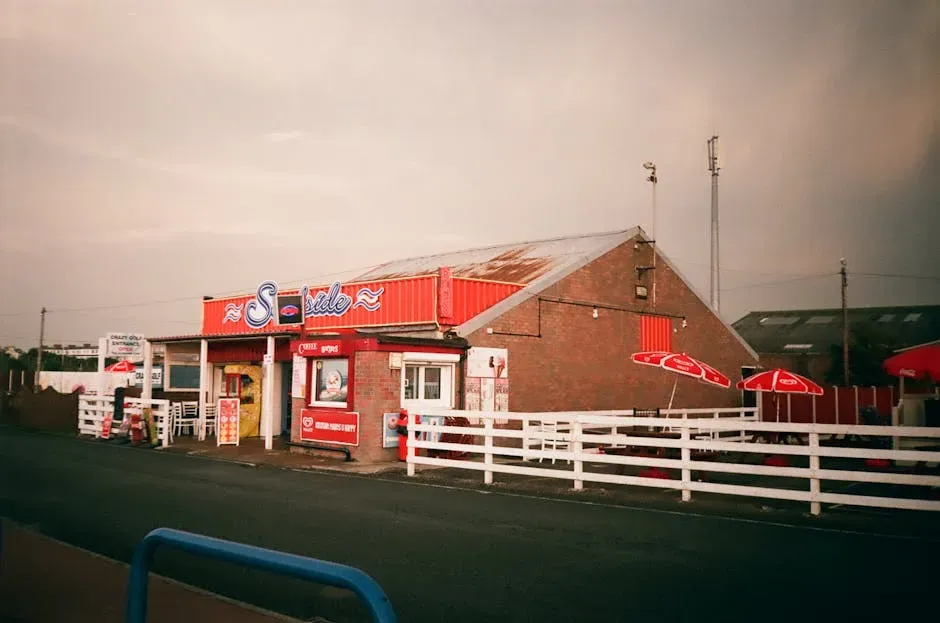
Chain architecture once defined suburban navigation pre-apps. Red roofs signaled rest stops amid endless exits. Studies show they built quick recognition, boosting loyalty. Golden arches and Colonel portraits worked similarly. These icons created mental maps for families road-tripping. Uniformity across states fostered trust. Skylines gained personality from such markers. GPS eroded that need by the 2010s.
Urban planners note the void left behind. Strip malls now blur into sameness. Nostalgic drives seek out survivors. Chains like Pizza Hut pioneered themed builds for scale. They turned eating into landmarks. Today, apps handle spotting, freeing designs for function. Yet the loss flattens visual stories. Suburbs feel less like adventures now.
Minimalism’s Rise in the 2020s
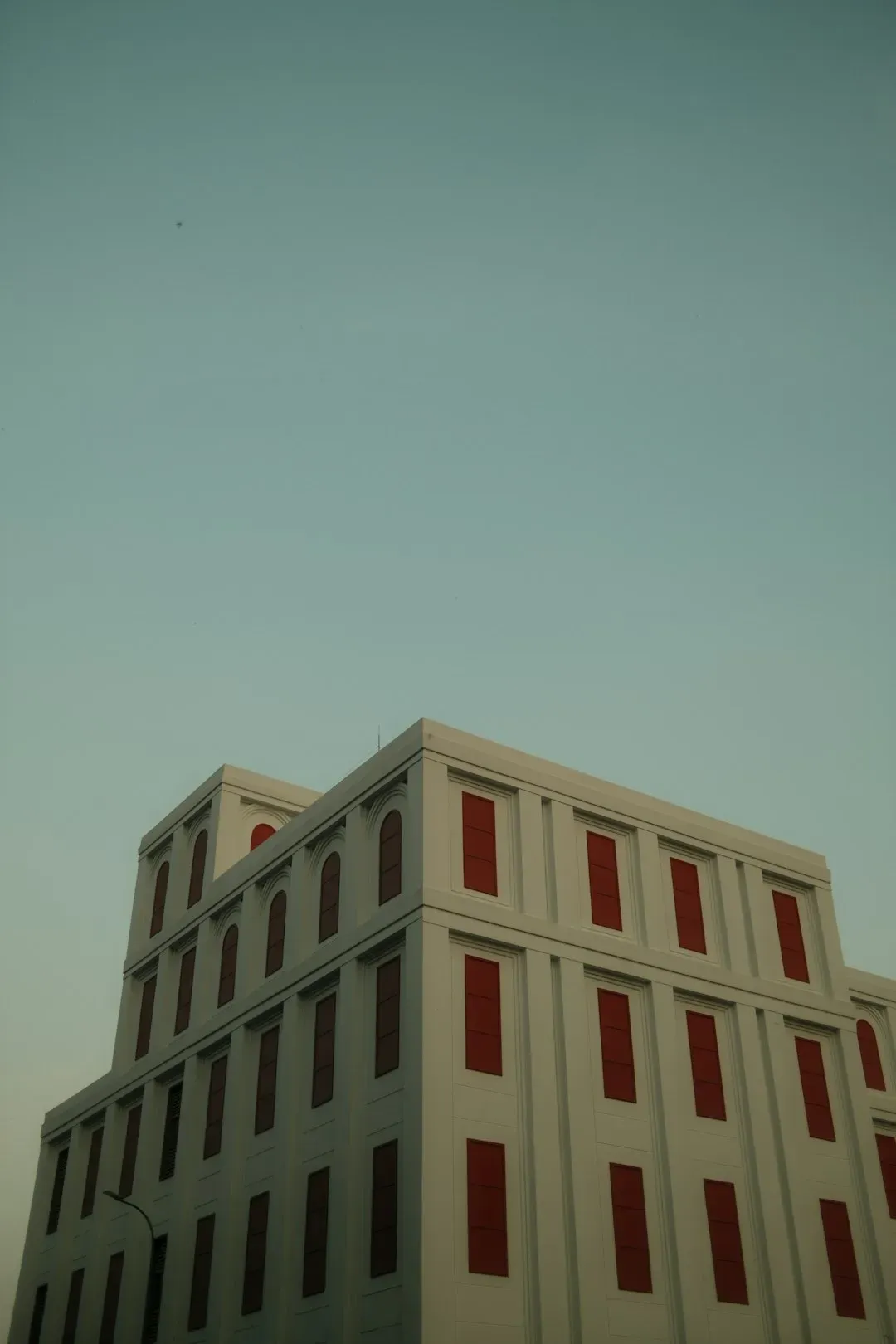
Since 2020, minimalist commercial builds have surged. Flat roofs and neutrals dominate new fast-food sites. U.S. flat roofing markets grew to billions by 2024, eyeing double by 2033. Efficiency trumps flair in tight budgets. Pizza Hut’s count dipped to 6,500 by late 2024 amid closures. Flexible layouts suit delivery booms. Cities adopt the look for zoning ease. Skylines trend toward invisible chains.
Trends favor spray foam and single-ply for low maintenance. Neutral palettes blend with warehouses nearby. Chains prioritize interiors over exteriors now. Data shows two-thirds of roofers report rising commercial demand in 2025. Cost pressures accelerate the shift. Iconic elements fade further. Urban “blanding” critics point to lost character. Functionality reigns supreme.
Why Costs Sealed the Roof’s Fate
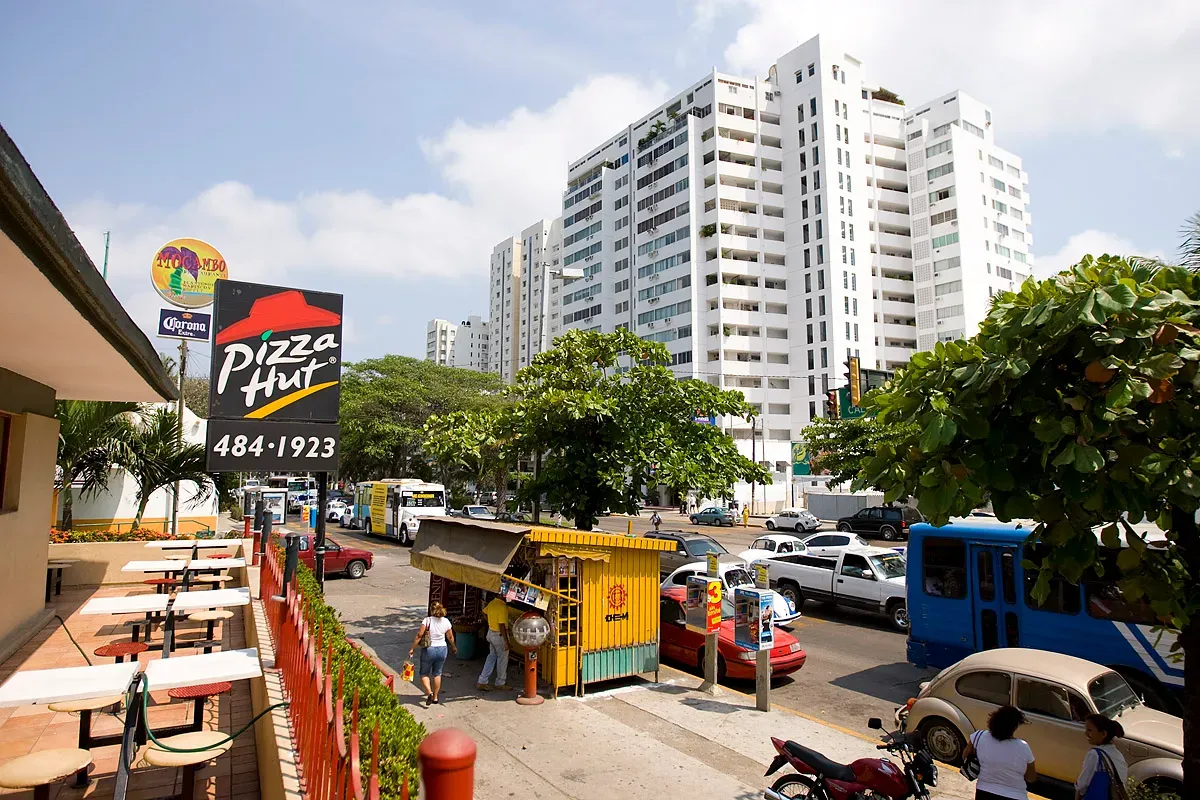
Renovating themed roofs costs far more than box rebuilds. Industry figures peg full overhauls at hundreds of thousands per site. New flat-roof constructs finish quicker, under budget strains. Pizza Hut operators chose savings as dine-in waned. Maintenance on mansards added yearly hits from weather wear. Prefab boxes assemble in weeks versus months. Franchises weighed profits over sentiment. The math favored erasure.
By 2025, U.S. Pizza Hut neared 6,400 amid ongoing trims. Renovation versus new gaps widened with material hikes. Flat designs dodge steep pitch repairs. Chains like it for lease flexibility too. Older sites lingered only where reuse paid. Economics trumped aesthetics decisively. Survivors prove exceptions, not rules. Icons bowed to bottom lines.
Nostalgia and the Fight to Remember
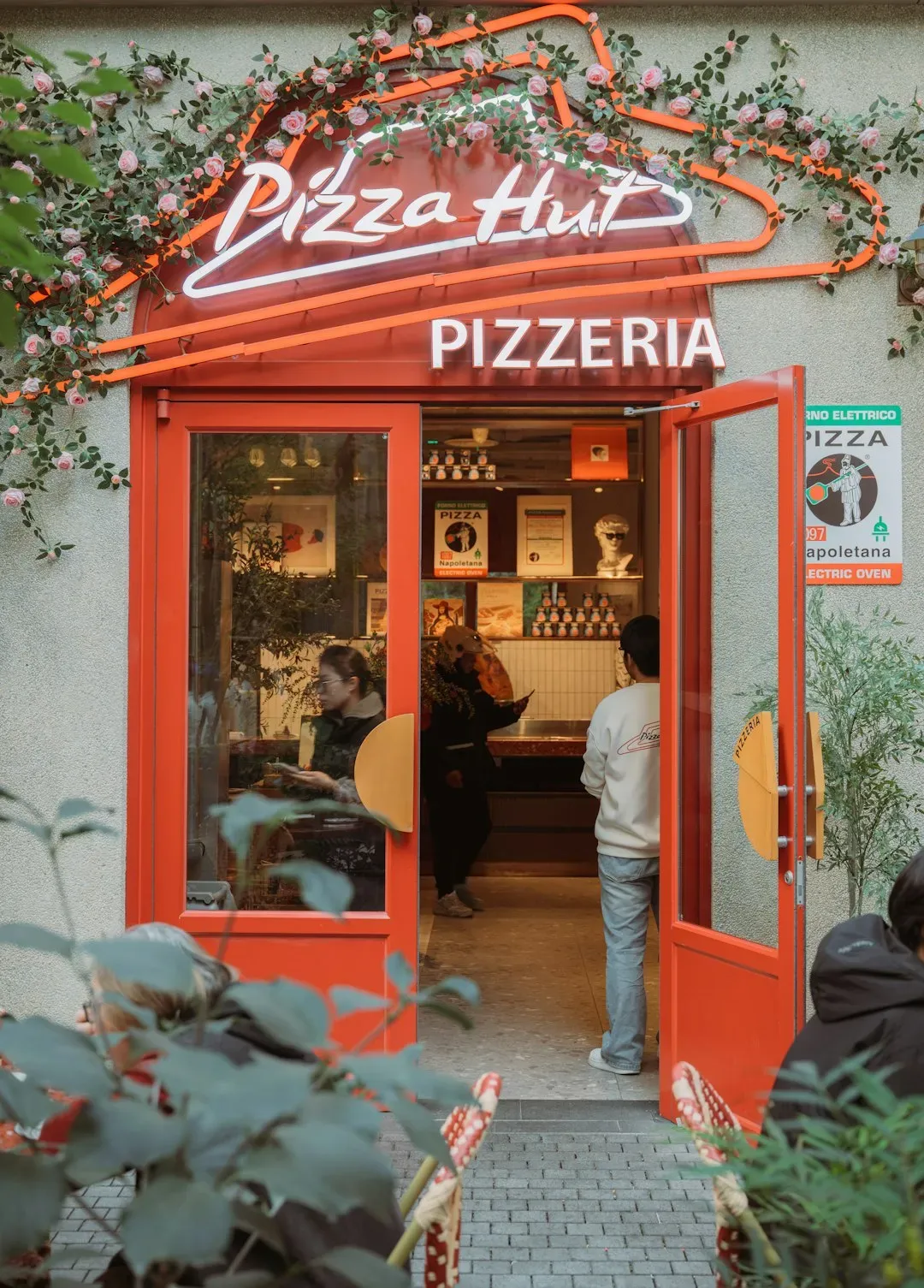
Online groups now catalog former Pizza Huts passionately. Subreddits and sites map thousands of repurposed gems. Fans share street-view hunts and demolition alerts. Preservation whispers grow amid “blanding” gripes. Documentaries spotlight the afterlives lately. These efforts romanticize late-20th-century commercial vibes. Roofs symbolize simpler branding eras. Communities bond over the hunt.
Broader shifts see critics lament uniform streets. Minimalism efficiencies clash with visual heritage. Pizza Hut logo nods back occasionally, sans structures. Nostalgics push for landmark nods rarely granted. Social media keeps memories pixel-alive. The roofs endure in photos, not steel. Cultural footnotes persist doggedly. They remind us of bolder builds once.
A Fading Skyline Legacy
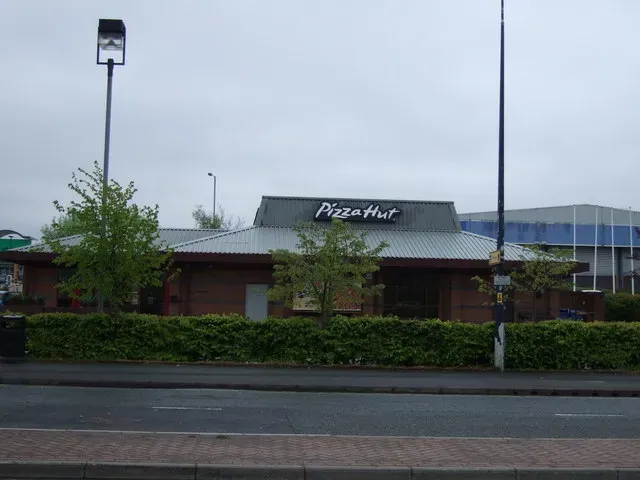
The Pizza Hut roof’s demise mirrors American architecture’s pivot to plain. Cities lose quirky anchors as chains streamline. Thousands repurposed stand as quiet testaments. Nostalgia blooms online, but trends march on. Flat roofs forecast dominance through 2030s markets. Visual identity yields to apps and efficiency. Suburbs blend further into haze. Yet spotting a red survivor still delights. The strange death leaves echoes worth chasing. Drive around, and you might find one yet.