
Power grids across the U.S. face growing pressure from extreme weather and higher demand. Utilities struggle to keep up without massive infrastructure spends. Homeowners hold a key solution through one everyday device that stabilizes supply.
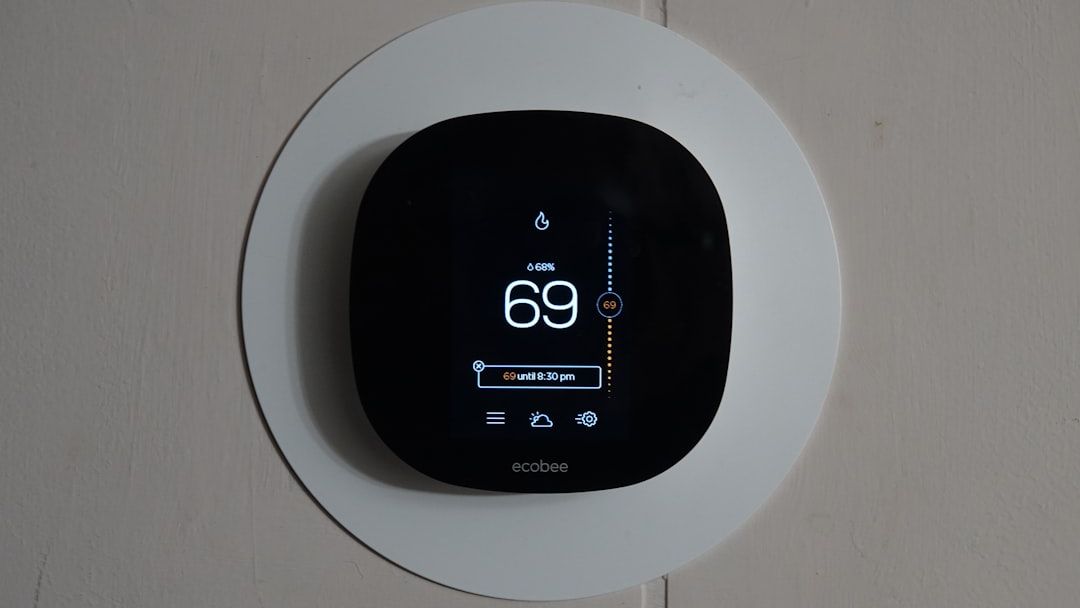
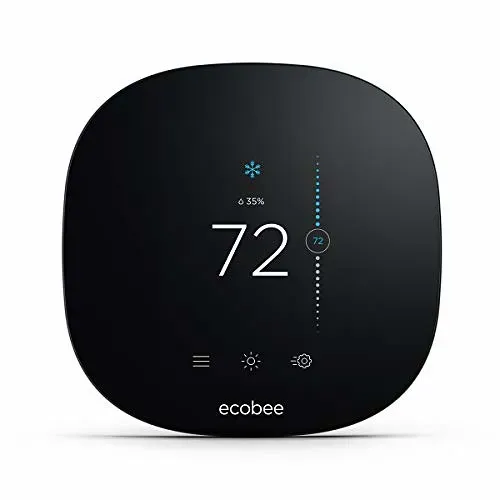
Smart thermostats like Nest or Ecobee catch the eye of energy providers. These companies cover installation costs or hand out rebates to get them in homes. The payoff comes in smarter energy management for everyone involved.
Peak Demand Relief
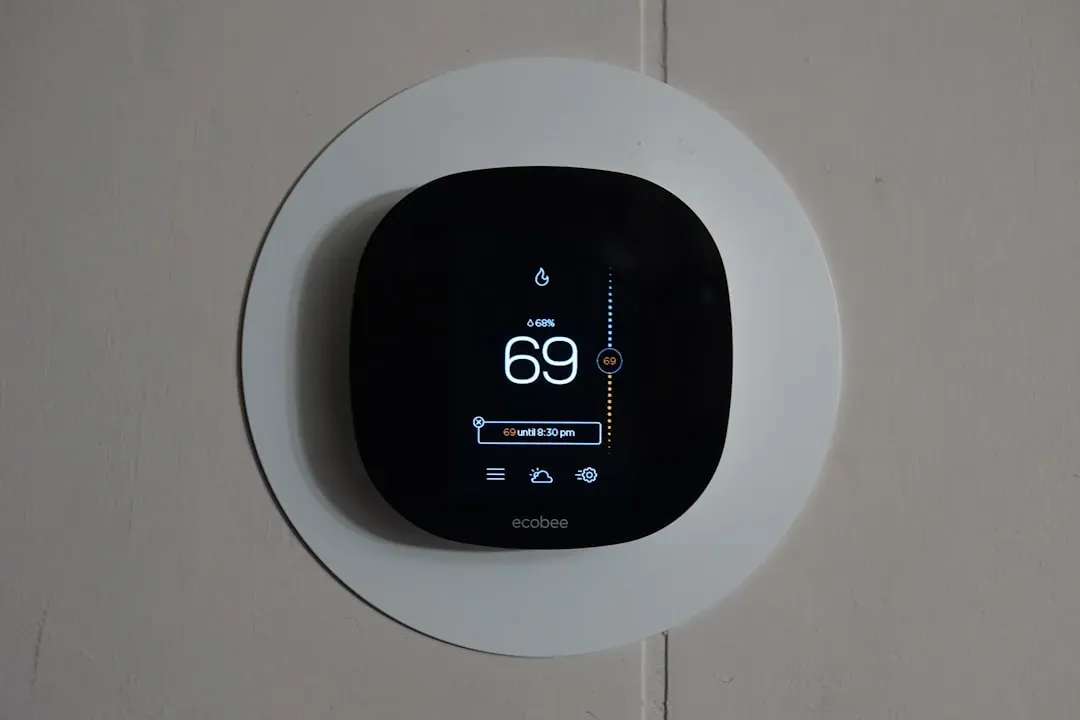
Grids hit overload during hot afternoons when air conditioners blast everywhere. Smart thermostats let utilities nudge temperatures up a degree or two with homeowner okay. This cuts peak usage without blackouts.[1]
Programs like ConnectedSolutions from National Grid enroll users for such shifts. Participants earn credits on bills for their flexibility. Results show real strain eased on systems nationwide.[2]
Free Devices and Setup
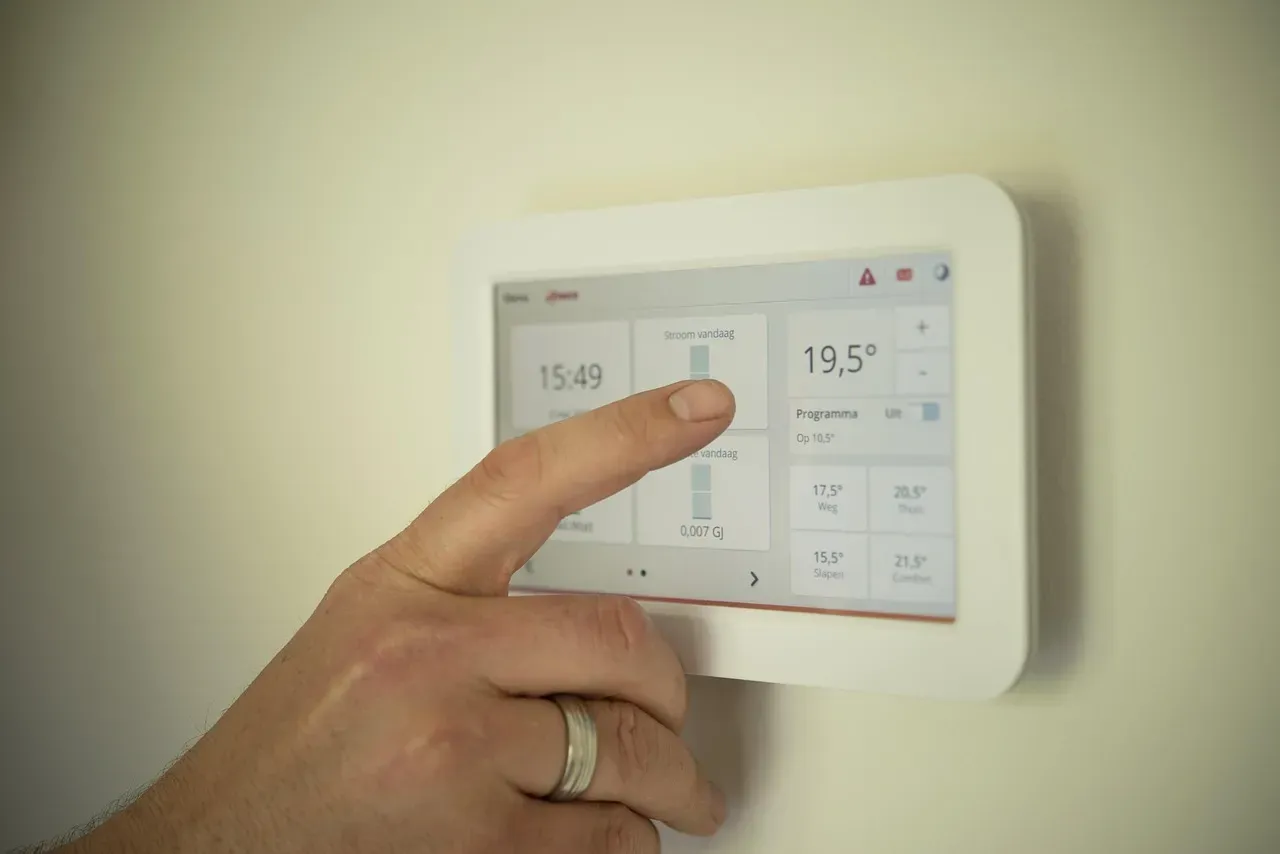
NV Energy hands out up to four smart thermostats free, including pro installation worth $300 each. No strings beyond agreeing to occasional adjustments. Homeowners skip the upfront buy and get efficiency right away.[3]
OPPD offers Google Nest thermostats at no cost with free shipping. Demand stays high, so spots fill quick. This direct support makes adoption seamless for families.[4]
Similar deals pop up coast to coast through rebate finders. Utilities budget millions yearly for these pushes.
Ongoing Bill Credits
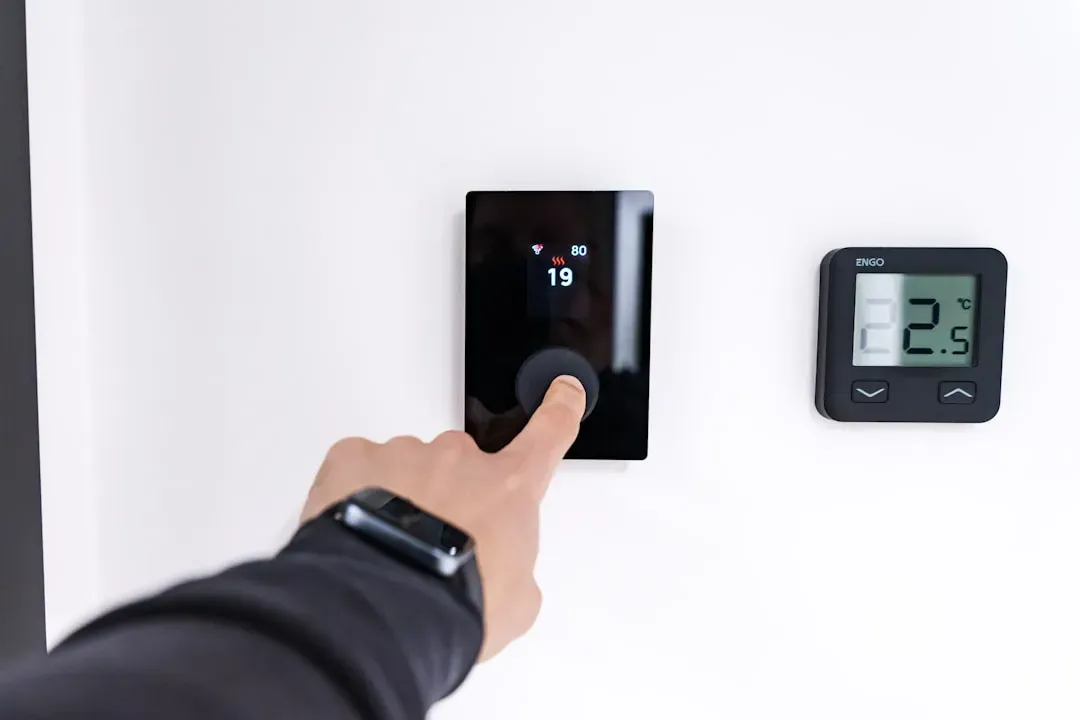
Beyond install, payments continue for participation. Some programs pay $50 to $200 yearly via demand response. Google Nest, Ecobee, and Honeywell models qualify widely.[1]
National Grid’s thermostat program gives $100 upfront plus summer incentives. Monthly credits add up over time. Users control opt-out anytime for peace of mind.[2]
Energy Bill Savings

Homeowners trim usage by 10-15% on average with smart scheduling. Pair that with utility perks, and returns stack fast. Cooling costs drop most in peak seasons.
Rebates from NIPSCO or PSE cover $50 to $100 per unit. Focus on Energy adds $50 for 2026 buys. Long-term, these habits pay dividends quietly.[5][6]
Grid-Wide Stability

Thousands of homes shifting load together mimic a virtual power plant effect. No huge batteries needed, just coordinated thermostats. This scales cheaply for utilities facing growth spurts.[1]
Programs run through 2026 and beyond in states like Wisconsin and Washington. Utilities avoid costly peaker plants. Everyone benefits from fewer outages.
Easy Home Integration
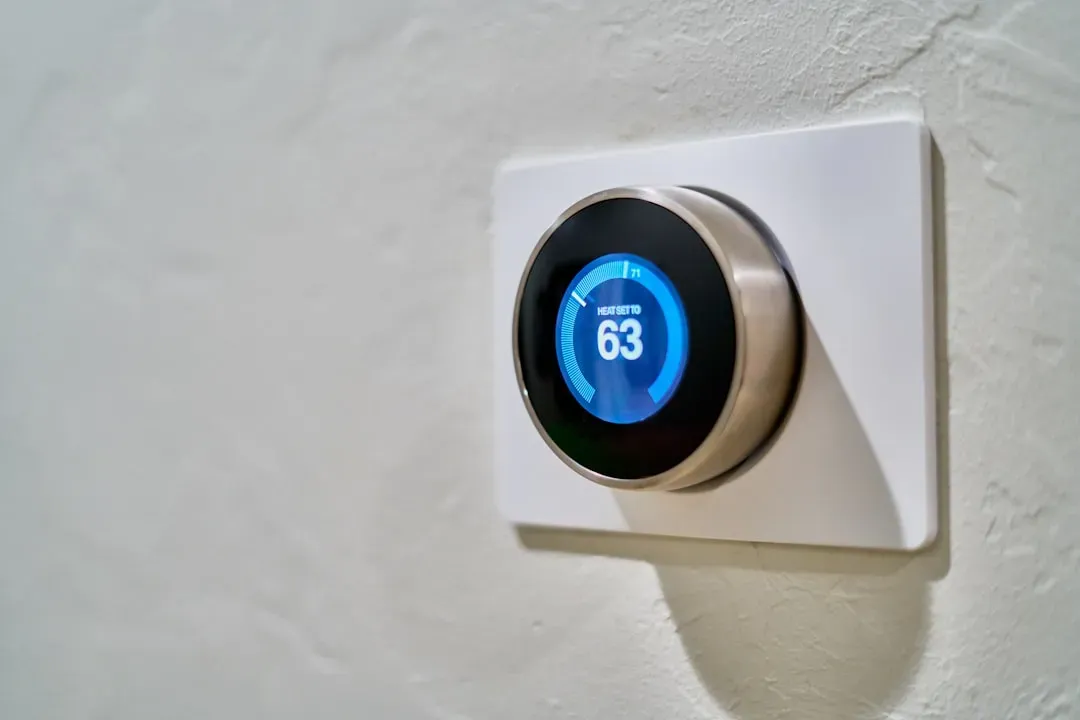
Install takes under 30 minutes for most DIYers. Wi-Fi connects to apps for remote tweaks. Works with existing HVAC systems seamlessly.[7]
Pro install comes free in many offers, no hassle. Ecobee and Nest lead compatibility lists. Families adapt quick without tech headaches.[8]
Boost for Renewables
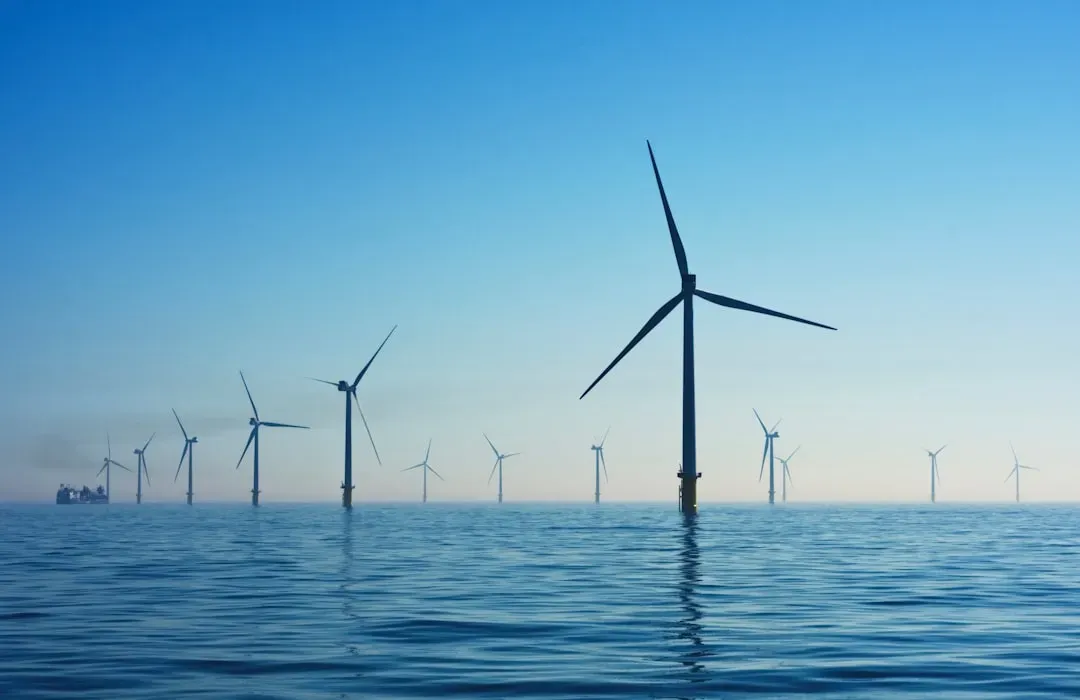
Solar and wind vary, so thermostats smooth the ride. Utilities balance intermittent supply better with home flexibility. Incentives tie into green pushes.[9]
Community programs reward cleaner shifts automatically. Ecobee’s eco+ links to local grids. This supports broader clean energy goals without mandates.
Low-Income Access

Some pilots target affordable housing with donated units. UCAIR places 400 thermostats in moderate-income spots. Bill credits help stretch budgets further.[10]
Rebates open to all, but pilots focus equity. GUC offers $50 enroll plus $5 monthly. Keeps energy affordable across incomes.
Proven Track Record
Programs mature since early 2020s, with millions enrolled. Tesla-like VPP success inspires thermostat scale. Payouts hit $10 million in related efforts by 2025.[11]
2026 sees expansions in Massachusetts and elsewhere. Mass Save limits three rebates per home. Steady growth shows trust in the model.[12]
Future-Proof Homes

Smart thermostats prep for EV chargers and heat pumps. Voice control and learning algorithms evolve. Utilities eye bigger roles ahead.[13]
Rebates extend through 2026 at minimum. Check local providers for fits. This simple step future-proofs against rate hikes.
Utilities invest in smart thermostats because they deliver immediate, scalable relief to aging grids. Homeowners gain savings and control in return. As demands rise, these partnerships point to a steadier energy tomorrow.