
The Surge in Side Hustles Among Young People

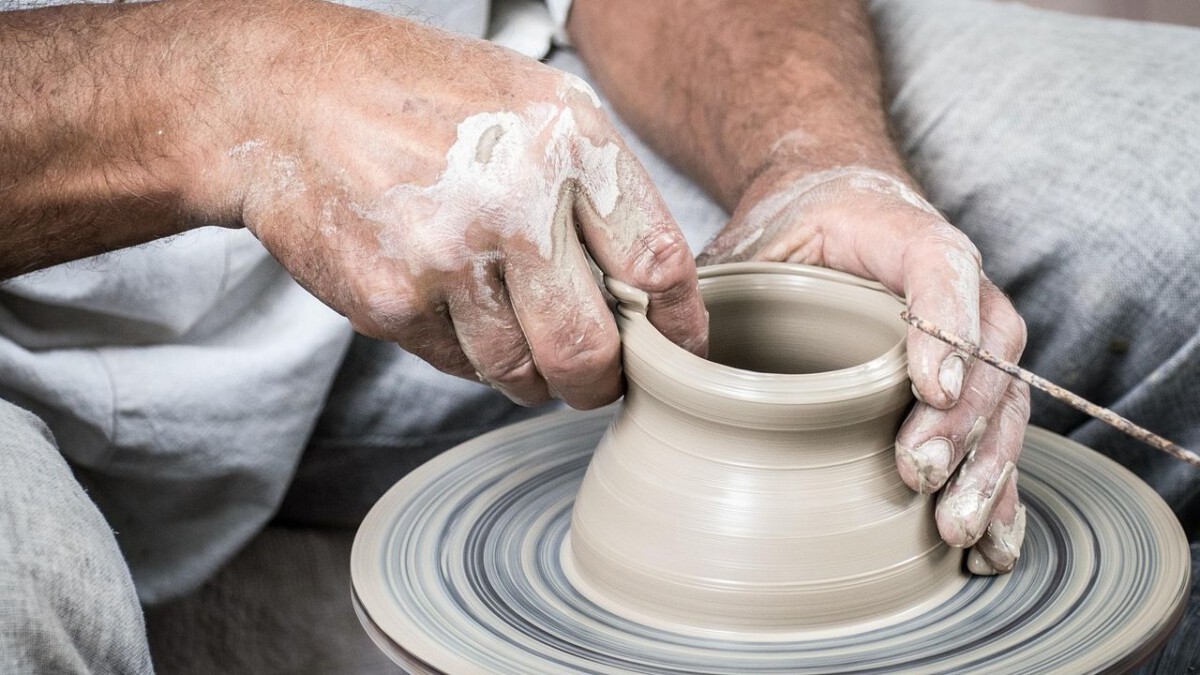
Over 60% of Gen Z and millennials have tried turning hobbies into side hustles lately. This shift started picking up steam around 2023 as economic pressures mounted. People who once knitted for fun now sell patterns online. Baking enthusiasts film tutorials hoping for sponsorships. Photography lovers chase gigs on freelance sites. The line between play and profit blurs quickly. Everyone shares success stories that make it seem essential. Yet this pursuit often steals the simple pleasure from what began as relaxation.
Young adults feel the weight of stagnant wages and rising costs. Turning a passion into income promises security. Still, many discover the joy fades under deadlines. Friends compare earnings on social feeds. This creates a cycle of expectation. Hobbies stop feeling optional. They become another job in disguise. Reclaiming them means resisting the trend toward constant output.
Gig Economy’s Explosive Growth

The global gig economy will surpass $450 billion by 2026. This boom pulls in personal skills once kept private. Crafters list items on apps without much effort. Musicians upload tracks for streaming pennies. Writers pitch newsletters for subscribers. Platforms handle payments seamlessly. What was weekend fun turns into revenue streams overnight. This accessibility fuels the hobby-to-hustle pipeline across nations.
Workers juggle full-time roles with these extras. Flexibility appeals at first. Schedules bend around passions turned profitable. Income supplements tight budgets effectively. However, the always-on mentality creeps in. Weekends fill with orders and edits. Pure enjoyment gets sidelined. Balancing this requires deliberate choices about what stays free.
Burnout from Constant Productivity Pressure

Over 70% of employees face burnout symptoms from productivity demands. This ties directly to hobbies morphing into work. Rest used to recharge through casual pursuits. Now even leisure carries metrics like views or sales. Minds never fully unplug. Stress builds from unmet goals in personal time. Relationships suffer as focus shifts to output. The body signals exhaustion through fatigue and irritability.
Daily routines extend into evenings with side projects. Sleep shortens to fit more tasks. Motivation wanes over time. Health dips with skipped self-care. Workouts become content for fitness influencers. Reading turns into book reviews for affiliate links. Recovery feels impossible. Stepping back restores energy but demands discipline against cultural norms.
Social Media’s Role in Pushing Monetization
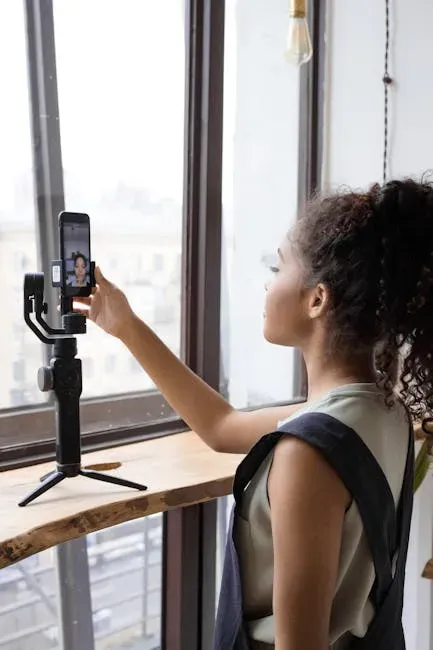
Platforms like TikTok and Instagram spotlight creator earnings. Algorithms reward consistent posting from hobbyists. A quick video of painting or cooking goes viral. Views translate to brand deals swiftly. Users see peers quit jobs for full-time content. Pressure mounts to professionalize personal interests. Casual shares evolve into branded series. The feed normalizes turning love into labor.
Visibility drives the shift across demographics. Beginners mimic successful formulas. Equipment upgrades follow initial wins. Communities form around monetized niches. Support feels genuine yet competitive. Burnout hits when trends change fast. Joy diminishes amid performance anxiety. Logging off periodically helps preserve original sparks.
Understanding the Overjustification Effect
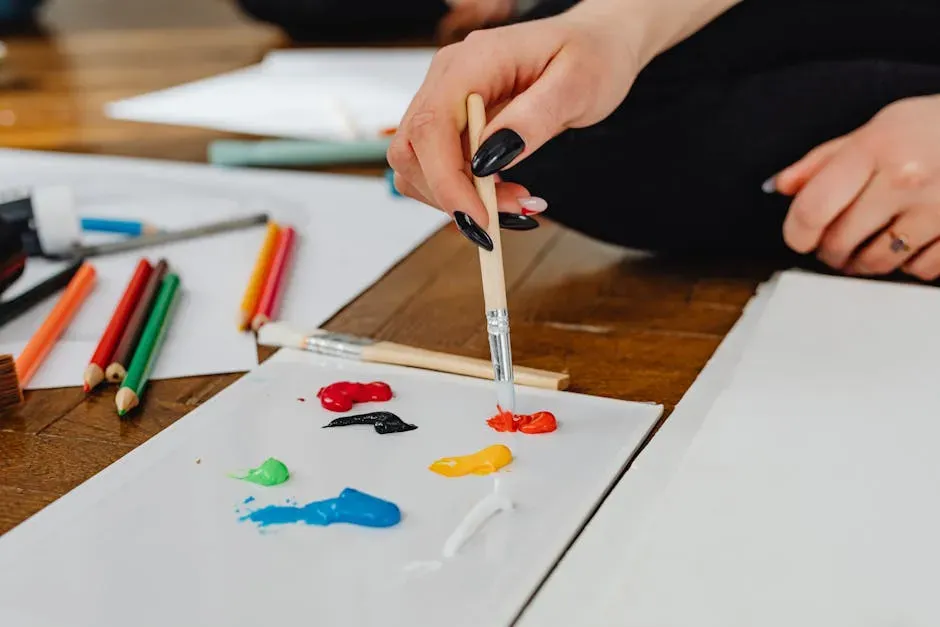
Paying for once-enjoyed activities often lowers intrinsic motivation. This overjustification effect plays out widely now. A hobbyist painter sells pieces and paints less freely. The reward shifts from creation to cash. Internal drive fades under external incentives. Experiments from recent years confirm this pattern. People question why they continue without profit. Pure passion requires space from money talks.
Psychological studies highlight long-term impacts. Enjoyment drops as stakes rise. Creators report less fulfillment post-monetization. Habits change to chase algorithms. Spontaneity vanishes from routines. Reflection reveals the hidden cost. Returning to unpaid practice reignites fire. Boundaries protect the heart of hobbies.
Pressure to Keep Producing Content

Nearly 40% of side hustlers feel forced to produce nonstop. Enjoyment plummets under this strain. Deadlines replace whimsy in creative flows. Audiences expect weekly drops. Breaks invite follower loss. Exhaustion sets in from rigid schedules. What started as fun feels obligatory. Many quietly scale back to survive.
Social proof amplifies the demand. Peers post relentlessly for validation. Comparison erodes personal pace. Income fluctuates with output volume. Rest days become rare luxuries. Mental health suffers in silence. Prioritizing joy means ignoring the grind. Selective sharing sustains without burnout.
Online Marketplaces Fueling the Craft Boom
Etsy and similar sites simplify selling handmade goods. Barriers dropped around 2023 with better tools. Knitters list scarves globally overnight. Jewelry makers reach thousands effortlessly. Tutorials pair with product sales. Inventory management apps track it all. This ease tempts casual creators into business mode. Hobbies scale up without traditional overhead.
Success stories inspire mass participation. Communities share tips on visibility. Pricing debates fill forums daily. Shipping logistics add hidden stress. Seasonal rushes overwhelm makers. Profit margins tighten over time. Stepping away preserves craftsmanship’s soul. Selective selling keeps delight alive.
Benefits of Pure Hobby Enjoyment

Those sticking to unpaid hobbies report higher life satisfaction. Stress levels drop without performance goals. Time flows freely in these pursuits. Gardens thrive without sales pitches. Journals fill with unshared thoughts. Laughter returns to guitar strums. Minds recharge fully from unstructured play. Well-being improves measurably in studies.
Relationships deepen through shared leisure. No metrics distract from presence. Energy sustains longer into evenings. Creativity blooms without commercial filters. Self-worth detaches from output. Simplicity restores balance. Communities form around mutual joy. This path counters the monetization wave effectively.
Hustle Culture’s Link to Rising Anxiety

Hustle culture correlates with higher anxiety in young adults. Constant productivity feels mandatory. Downtime seems wasteful amid peer pressure. Social feeds glorify nonstop grinding. Fears of falling behind intensify. Sleep disrupts from idea overloads. Therapy sessions note this pattern increasingly. Cultural shifts demand reevaluation.
Mental health resources address the toll now. Awareness grows through shared stories. Boundaries emerge as key defenses. Weekends reclaim for restful hobbies. Productivity myths face scrutiny. Joy prioritizes over endless earning. Calm returns with intentional pauses. Sustainable living favors depth over hustle.
Reclaiming Joy by Setting Boundaries

Uploaded by AlbertHerring, CC BY 2.0)
Psychologists stress separating work from leisure clearly. Many now add over 10 hours weekly to monetized hobbies. Schedules overflow with side commitments. Phones buzz during family time. Intentional limits restore flow states. No-sales zones protect pure fun. Trackers help monitor time creep. Discipline yields freer spirits.
Communities advocate hobby-only spaces online. Accountability partners enforce breaks. Mindsets shift from output to input. Gratitude practices highlight simple pleasures. Energy rebounds for daily life. Fulfillment deepens without dollar signs. This reclaiming spreads quietly. Personal peace defies the national trend toward monetizing love.