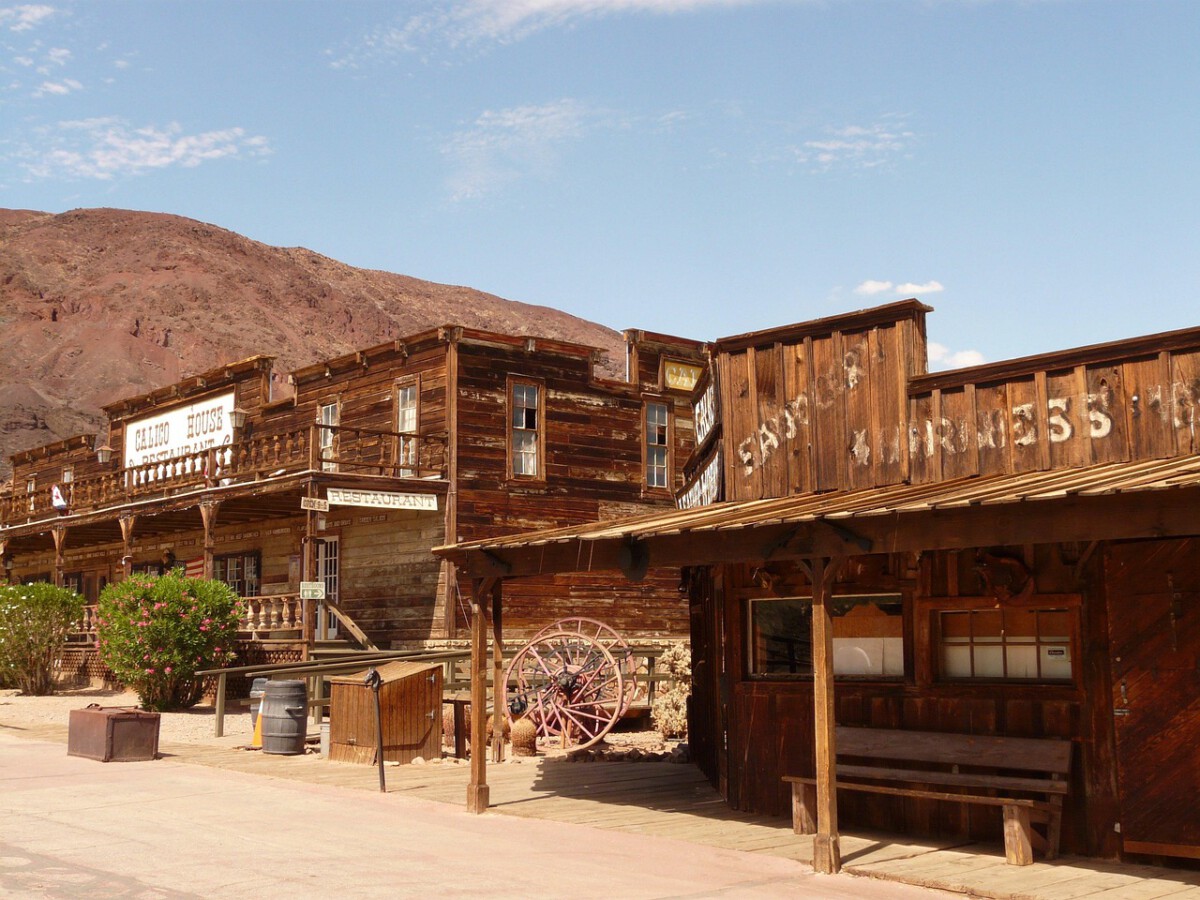

California’s home insurance market has hit a rough patch. Major carriers like State Farm are pulling back from certain neighborhoods, leaving thousands without coverage. Wildfire risks have surged, driving up claims and costs for insurers.
Non-renewals spiked in specific zip codes during 2024. State Farm alone dropped over 72,000 policies across the state.[1] Homeowners now scramble for options through the overburdened FAIR Plan. Regulators push carriers to write more policies in high-risk zones, but the pullout continues.
94563: Orinda, Contra Costa County

Orinda tops the list for State Farm non-renewals. The carrier discontinued 1,703 out of 3,115 policies here, nearly 55 percent.[1] Hilly terrain and dry brush make this East Bay suburb prime for wildfires. Past blazes nearby heightened insurer caution.
Reinsurance costs climbed amid catastrophe exposure. Inflation pushed rebuilding expenses higher. Residents face FAIR Plan rates that dwarf standard premiums.
94549: Lafayette, Contra Costa County

Next door to Orinda, Lafayette saw 956 State Farm policies cut.[1] Similar fire hazards plague these affluent hills. Vegetation density and wind patterns amplify threats.
State Farm cited outdated regulations and rising losses. Homeowners report scramble for alternatives. FAIR Plan enrollment doubled statewide by late 2024.
90272: Pacific Palisades, Los Angeles County

Pacific Palisades lost over 1,000 State Farm policies. Non-renewal rates hit high marks in this coastal enclave.[1][2] Recent fires scorched nearby canyons, signaling danger.
Insurers eye AI-driven risk maps zeroing in on zip-level perils. Wealthy homes here command steep FAIR replacements. Catastrophic exposure overwhelmed traditional models.
90049: Bel Air, Los Angeles County

Bel Air joined the hit list with more than 1,000 policies dropped by State Farm.[1] Exclusive estates sit amid brushy slopes vulnerable to embers. Wildfire history in the Hollywood Hills looms large.
Reinsurers hiked rates, squeezing carriers. State Farm paused new business statewide in 2023. Locals now pay premiums 10 times higher via last-resort options.
91302: Calabasas, Los Angeles County

Calabasas shed over 1,000 policies too.[1] Santa Monica Mountains fuel rapid fire spread here. Droughts dry out chaparral, priming the area.
Insurers face ballooning claims from past events. Regulatory moratoriums offer temporary shields post-fires. Yet pullbacks persist amid reinsurance crunch.
95033: Los Gatos, Santa Clara/Santa Cruz Counties
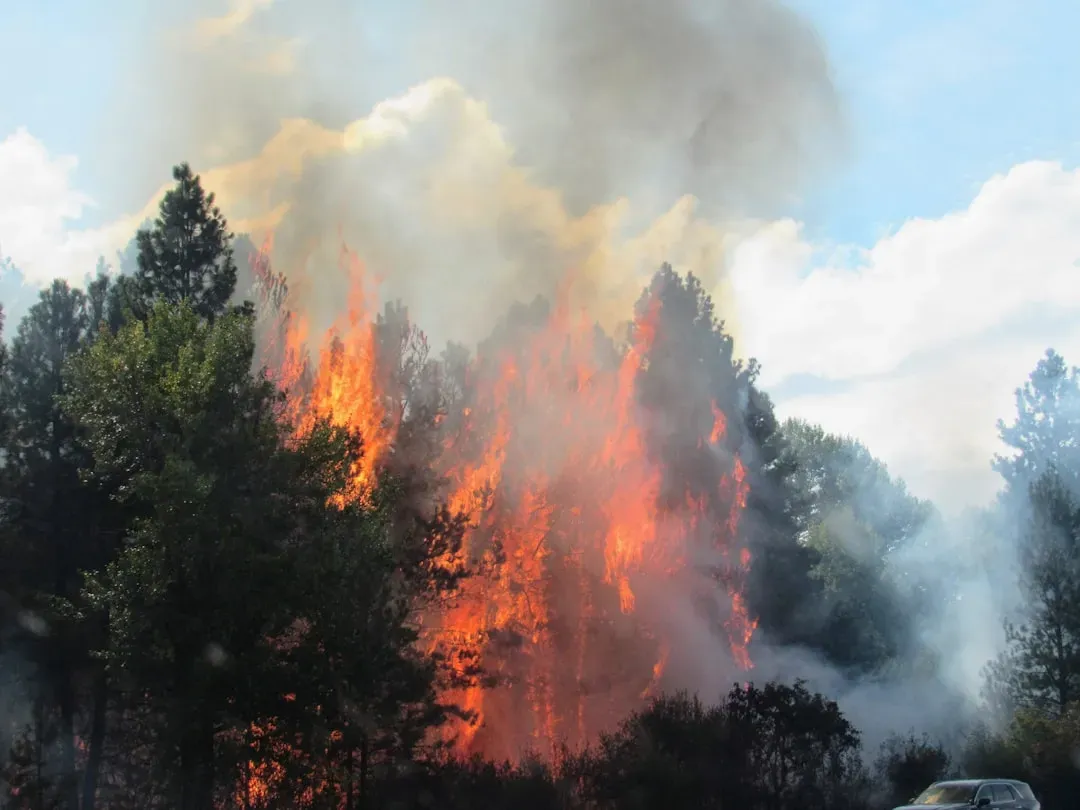
Over 1,000 policies ended in this Silicon Valley edge zip, more than 65 percent from State Farm.[1] Foothills harbor dense forests ripe for blazes. Proximity to urban wildland interface spikes risks.
Carriers blame inflation and catastrophe growth. FAIR Plan policies surged past 500,000 statewide. Home mitigation efforts lag behind escalating threats.
95409: Santa Rosa, Sonoma County
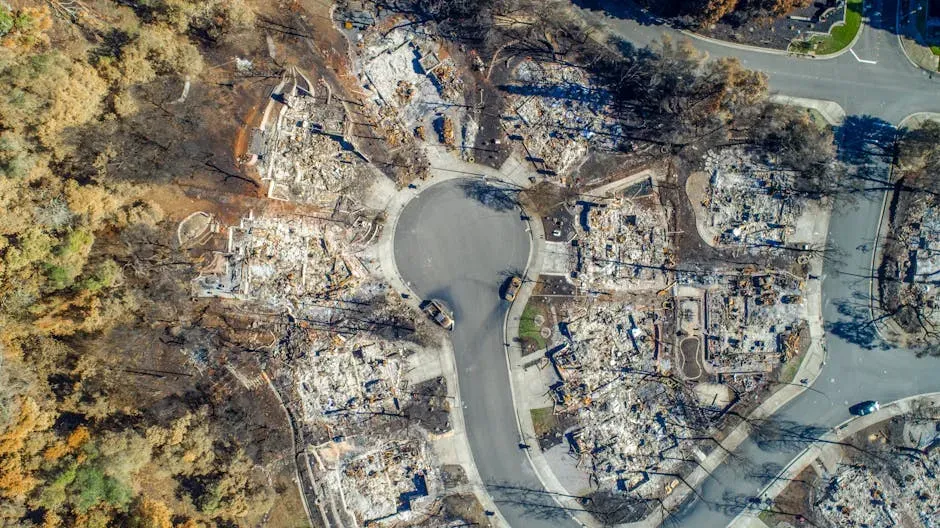
Nearly 48 percent of State Farm policies vanished here, part of 1,400 across nearby zips.[1] The 2017 Tubbs Fire scarred Sonoma, etching deep losses. Regrowth hasn’t eased insurer fears.
High-risk zoning draws scrutiny. State mandates aim to boost writing in such areas. Still, non-renewals signal broader retreat.
95404: Santa Rosa, Sonoma County

Santa Rosa’s core zip shared in the 1,400-policy drop.[1] Urban-wildland mix invites ember attacks. Historical claims burden balance sheets.
California’s FAIR Plan strains under influx. Premiums there often hit $30,000 annually. Insurers seek rate hikes tied to wildfire models.
What Lies Ahead
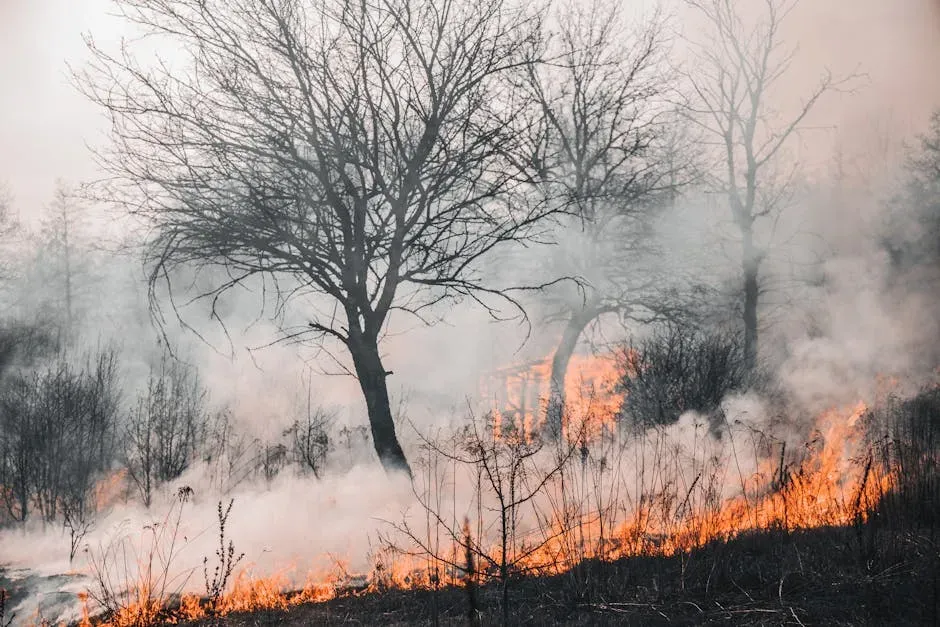
The crisis ripples beyond these zips. California regulators track undermarketed areas, many overlapping high-fire zones.[3] Nationwide, similar patterns emerge in hurricane belts, though zips stay less pinpointed.
Homeowners harden properties, yet climate shifts outpace fixes. Insurers redraw maps with precision, zip by zip. Coverage gaps warn of shifting livability in risk hotspots.