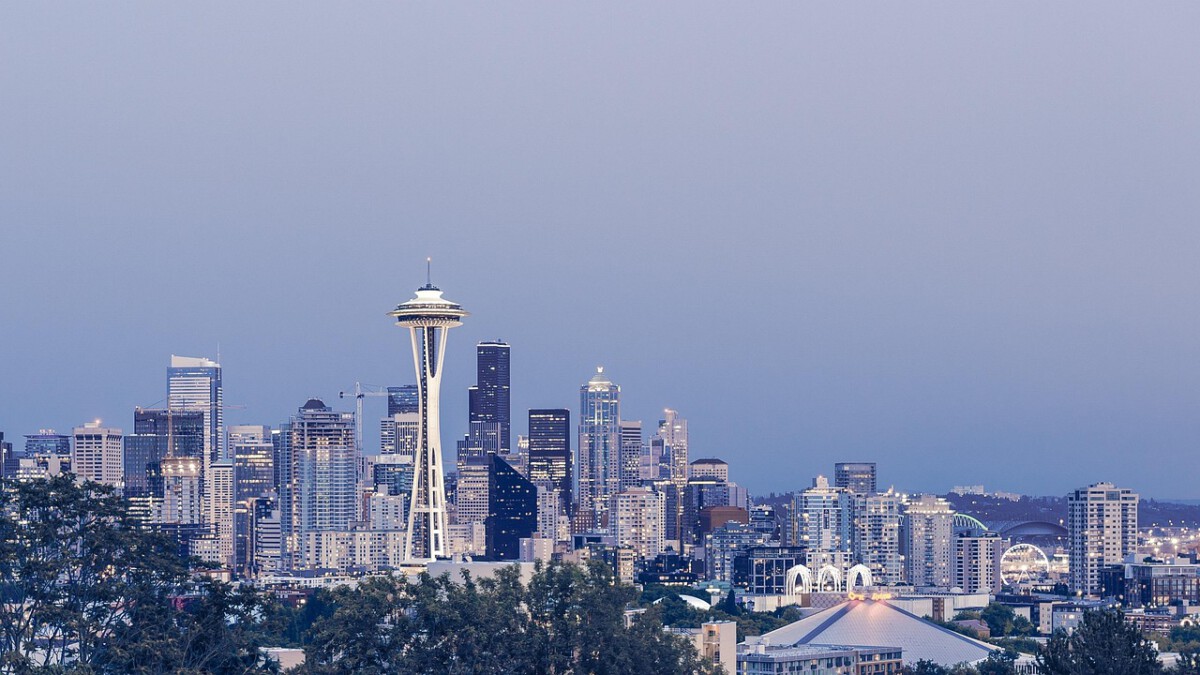

St. George, Utah

St. George stands out as the top small city for launching a business this year, thanks to its explosive growth in small businesses, up nearly 42 percent from 2017 to 2023. Startups pop up here at one of the highest rates per capita in the country, showing entrepreneurs flock to this spot for good reason. Office space rents for just about $10.73 per square foot annually, way below the $40-plus you’ll find in big cities. That keeps startup costs 30 to 50 percent lower overall, from rent to utilities and labor. Commutes average a quick 17 minutes, so workers spend less time stuck in traffic and more time being productive. Small businesses make up nearly all ventures nationwide, and places like this prove they drive local economies forward. High job growth rates add to the appeal, drawing talent without the chaos of urban areas.
Remote work trends help too, with over 25 percent of workers in advanced economies now doing it part-time, making a town like St. George perfect for online-focused startups. Broadband covers over 90 percent of Americans these days, so digital businesses thrive without city infrastructure. Population shifts since 2020 have sent millions from metros to smaller spots for affordability and lifestyle perks. States offer tax breaks and grants aimed right at rural entrepreneurs, easing the launch. Customer loyalty runs deep in communities this size, with repeat business building steady revenue. Survival rates for startups beat bigger markets, thanks to less competition and smarter costs. It’s no wonder Utah towns dominate recent rankings for business potential.
Fort Myers, Florida
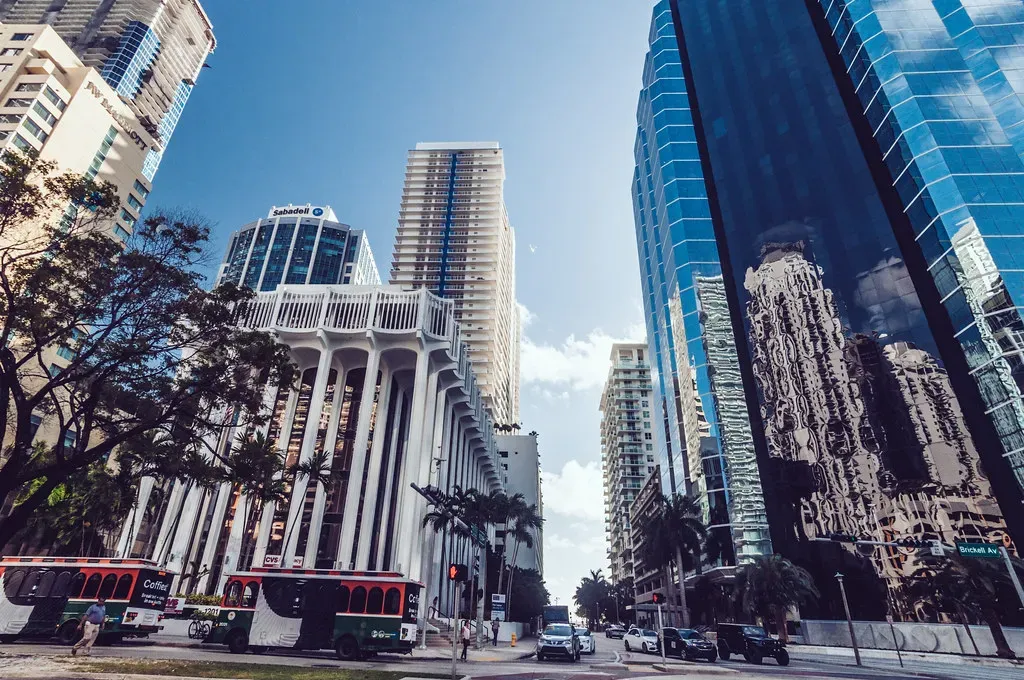
Fort Myers claims the number two spot for small-town business starts in 2026, fueled by one of the nation’s highest investor counts per capita. That funding access helps new ventures scale fast, especially with small business growth hitting nearly 21 percent over recent years. Office rents hover around $12.20 per square foot, keeping overhead low compared to urban averages. No state income tax in Florida sweetens the deal, alongside local incentives for small operations. About two-thirds of new jobs come from these businesses, and Fort Myers shows how they boost the economy. The area’s working-age population is expanding, providing a ready labor pool without sky-high wages. Thriving tourism and retiree influx create demand for services that startups can fill easily.
Commercial spaces cost far less here than in major hubs, often under $15 per square foot yearly. Migration patterns favor spots like this, as families seek cheaper living post-2020. High-speed internet reaches most residents, supporting remote teams and e-commerce plays. Community support shines through, with locals backing homegrown shops for loyalty over chains. Lower competition means higher survival odds for newcomers. Grants and funding programs target these areas specifically, cutting barriers to entry. Florida’s multiple top-ranked towns highlight a sunny environment for entrepreneurs ready to dive in.
Washington City, Utah
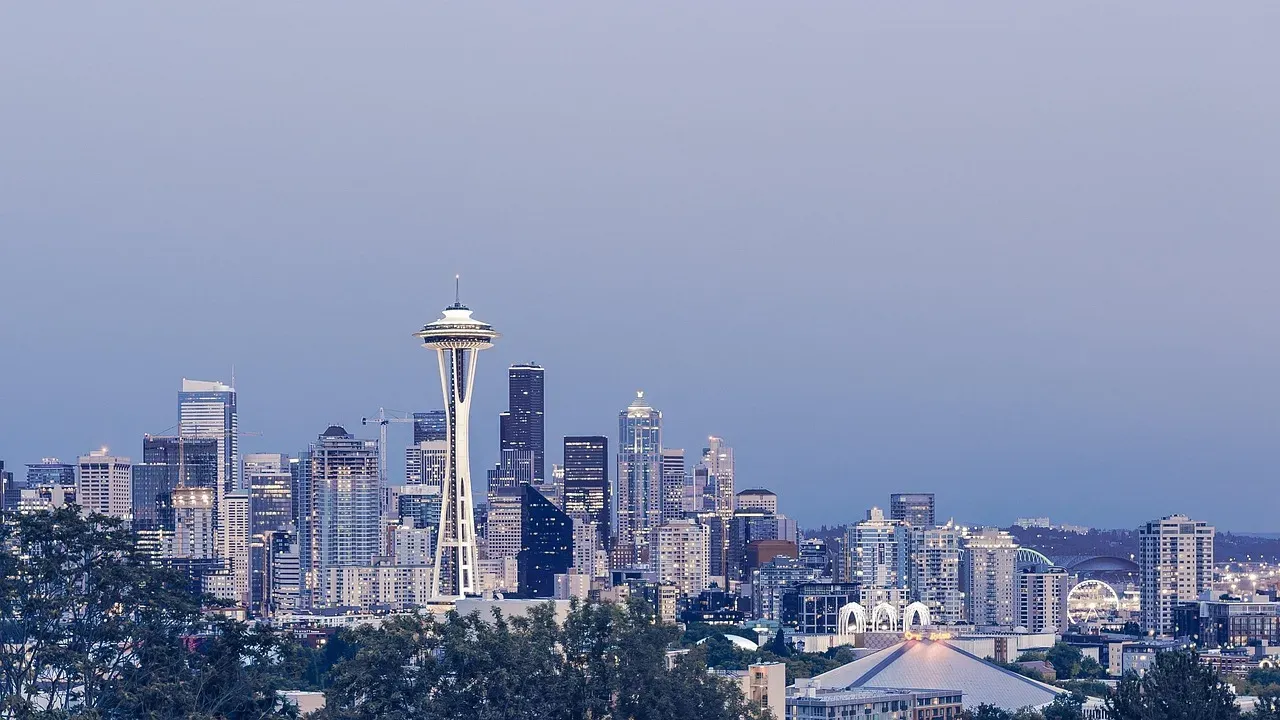
Washington City rounds out the top three, boasting sky-high startups per capita and the fourth-best small business growth at nearly 42 percent in recent years. With a population around 35,000, it offers big opportunities in a compact package. Average commutes clock in at 18 minutes, freeing up time for business owners. Employment and working-age growth rank in the top 100 nationwide, signaling a vibrant local scene. Costs stay manageable, aligning with the 30 to 50 percent savings small towns provide over cities. Small businesses form 99.9 percent of all U.S. firms, and this town’s metrics show why they flourish here. Utah’s pro-business climate, including incentives, pulls in founders from afar.
Broadband expansion ensures over 90 percent high-speed access, ideal for tech-savvy startups. Customer ties strengthen in tight-knit communities, leading to reliable repeat sales. Post-pandemic moves have boosted small-town populations, enhancing market potential. Lower labor and utility bills stretch startup capital further. Survival edges out urban rates due to focused competition. Investor interest grows as success stories spread. These factors make Washington City a smart 2026 pick for anyone eyeing sustainable growth.