
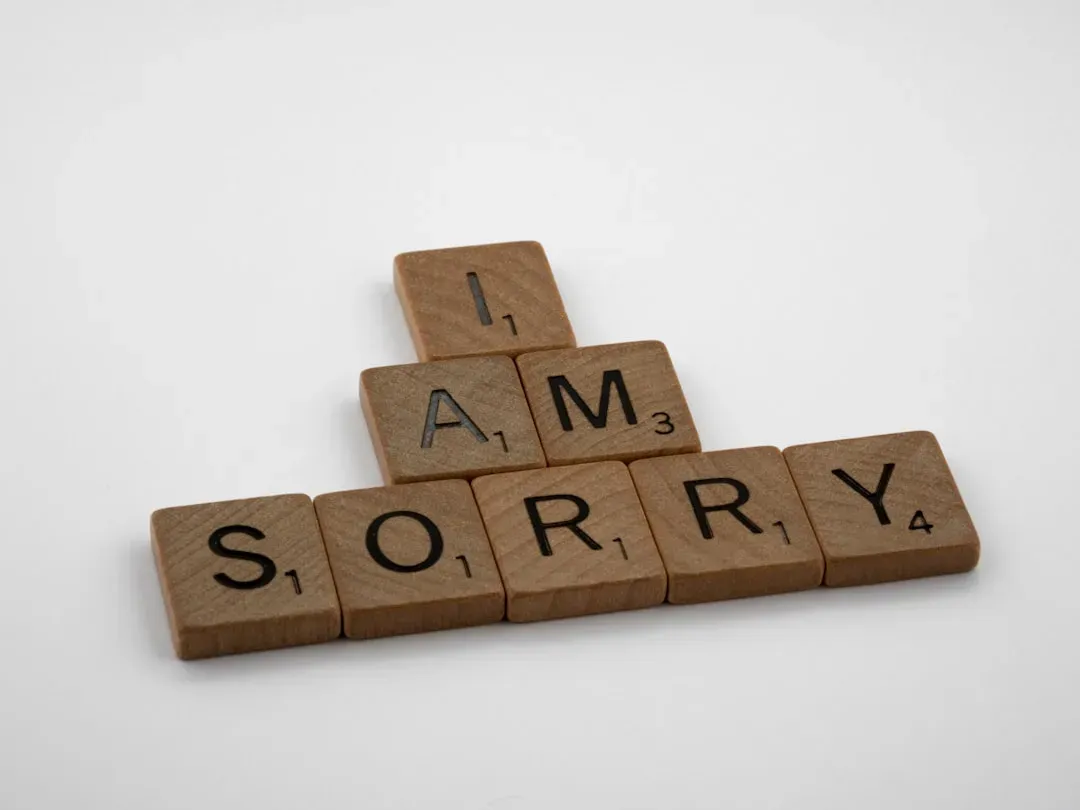
Americans toss out “sorry” like confetti, even for things beyond their control. A YouGov survey found that 24 percent apologize daily for stuff like bad weather or delays.[1] This habit shows up across states, with folks in Iowa, Utah, and Ohio averaging four or more apologies a day, per Preply research.[2]
Psychologists link it to deeper patterns, not just politeness. Over-apologizing often ties to low self-worth or anxiety, making people preempt conflict.[3][4] While not unique to the U.S., it feels amplified here amid fast-paced lives and social pressures.
Low Self-Esteem Fuels Constant Sorries
People with shaky self-esteem apologize to seek approval, even when blameless. This stems from feeling not good enough, so a quick “sorry” fills the gap.[5] Psychology Today notes it signals deeper wounds, like past criticism that lingers into adulthood.[3]
In the U.S., where individualism reigns, this can clash with the need to stand out. Yet surveys show nearly a quarter apologize daily for uncontrollable events, hinting at widespread insecurity.[1] Breaking it starts with building inner confidence, one unapologetic moment at a time.
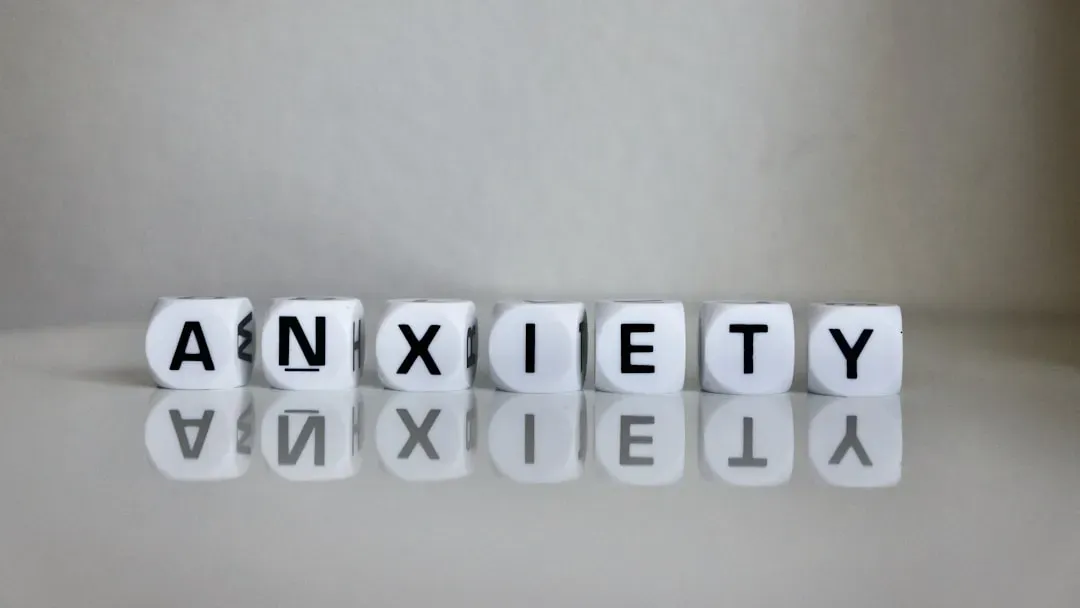
Anxiety Makes “Sorry” a Reflex
Anxiety amps up apologies as a shield against tension. Folks preempt perceived slights to keep peace, a control tactic in uncertain social scenes.[4] Recent pieces from 2025 highlight how it burdens relationships unnecessarily.[6]
For Americans, high-stress work cultures might intensify this. Studies link it to detecting social friction faster, turning “sorry” into autopilot.[7] Recognizing the pattern helps swap it for calmer responses.
Childhood often plants the seed for lifelong sorry-saying. Kids learn to apologize to dodge punishment or parental upset, wiring it as survival.[8] A 2024 Psychology Today post calls it a trauma echo, where blame-taking avoids gaslighting.[9]
People-Pleasing Roots Run Deep
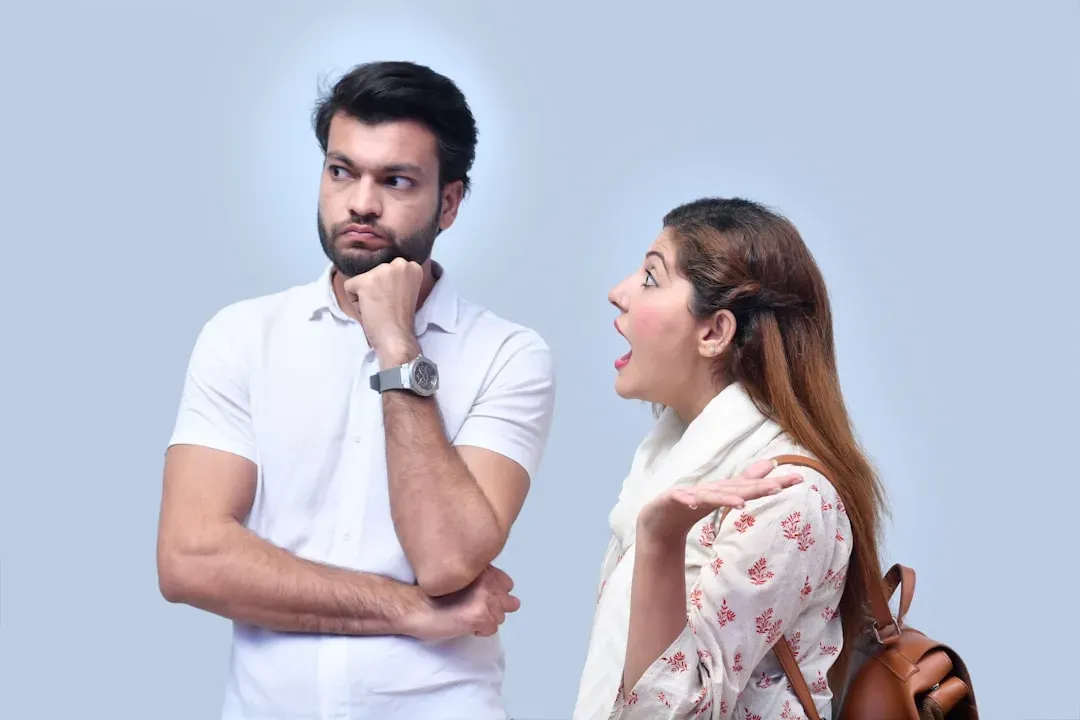
Chronic apologizers prioritize harmony over self-assertion. They absorb blame to smooth interactions, a hallmark of people-pleasers.[10] This shows in diary studies where some report higher offense rates, prompting more sorries.[11]
In American social norms, niceness gets rewarded short-term. Yet 62 percent believe overdoing it cheapens real apologies, per YouGov.[1] Balance comes from voicing needs directly.
Cultural Norms Shape the Habit
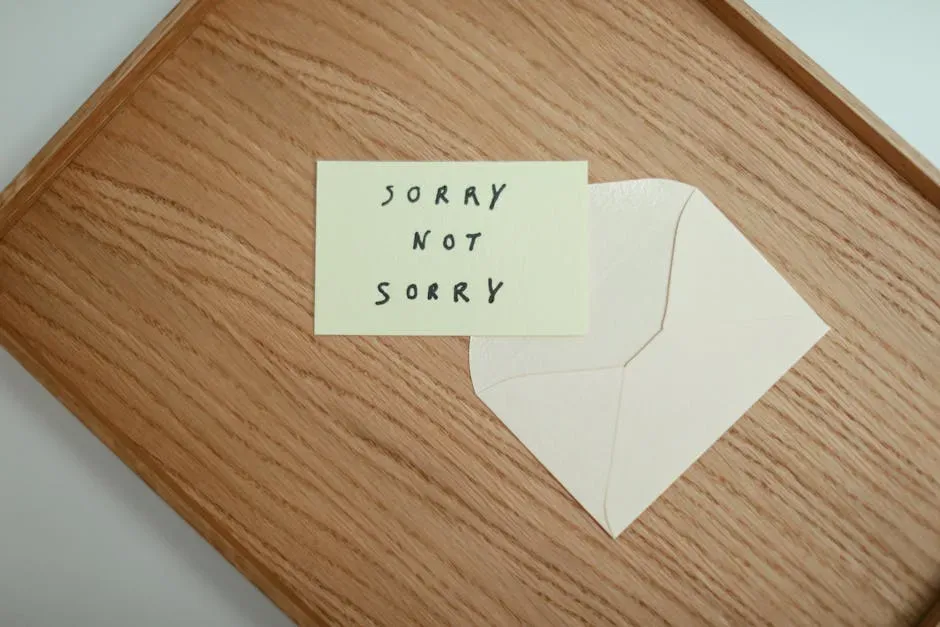
U.S. politeness encourages “sorry” for minor bumps, unlike some cultures. While Japanese apologize more overall, Americans tie it to blame.[12] Preply data pinpoints Midwest states leading daily tallies at four-plus.[2]
This blends Southern hospitality with urban hustle. It fosters empathy but risks insincerity when overused.
Women Apologize More Often
Research confirms women say sorry more in daily life. Diary tracking shows higher frequency, tied to offense perception gaps.[11] Psychological Science backs this with gender dynamics at play.[13]
Societal expectations nudge women toward deference. Men opting out appear more confident, per studies.[14] Awareness levels the field.
Superfluous Apologies Build Trust
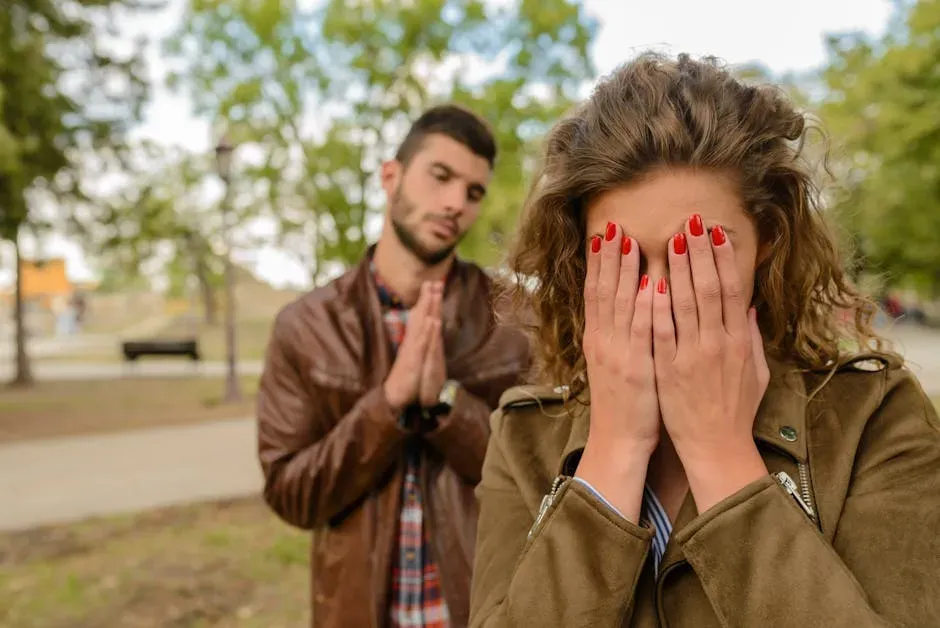
Saying sorry for nothing can boost likability. Harvard research found superfluous ones spark empathy, increasing trust.[15] People view frequent apologizers as warmer.[16]
In teams, this greases wheels. But baselines matter; constant use dilutes impact over time.
Fear of Conflict Keeps It Going

Aversion to friction prompts preemptive sorries. Psychologists in 2026 note childhood roots in managing emotions.[17] It acts as a ritual to calm nerves.[18]
American directness paradoxically heightens this in close quarters. Therapy helps reframe it as optional.
Perfectionism Amplifies the Urge
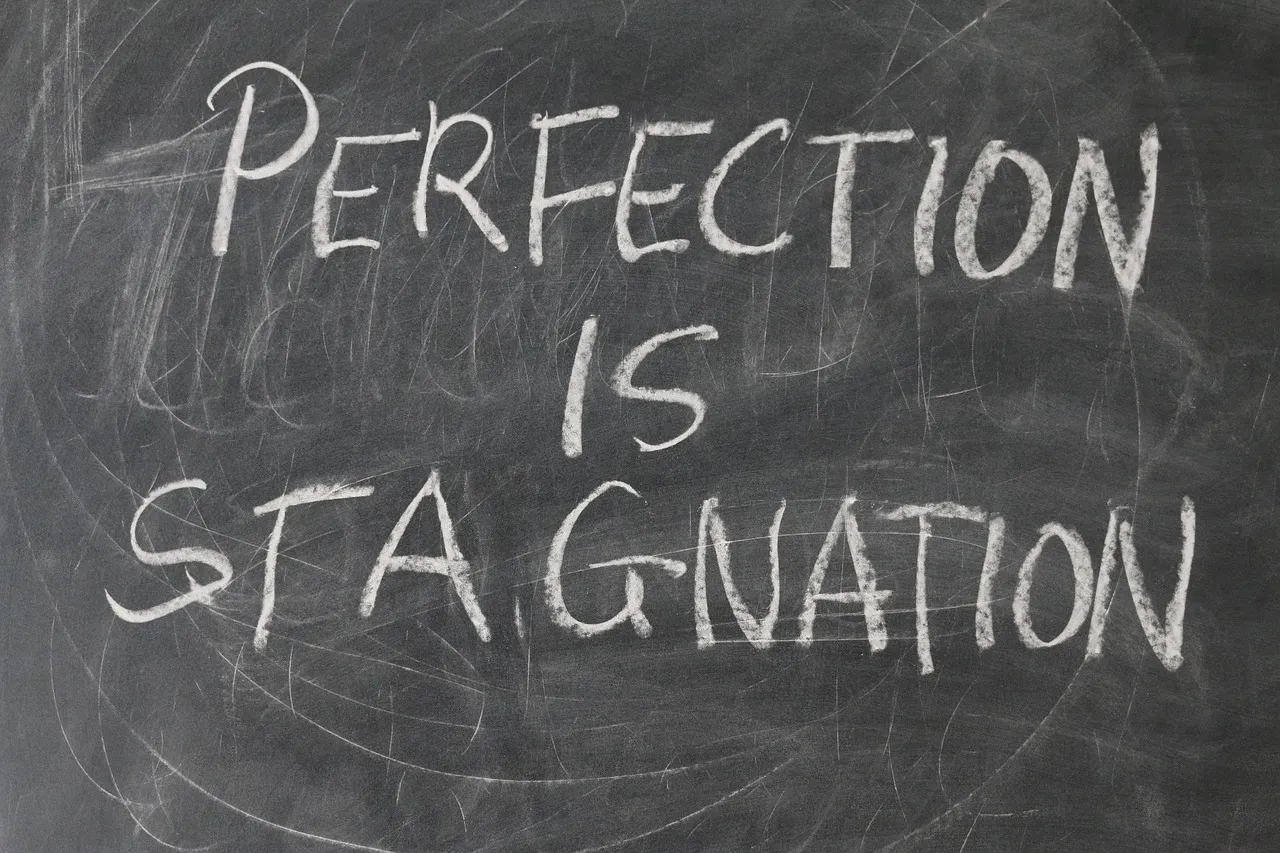
Perfectionists fear mistakes, so they apologize preemptively. This ties to control needs in high-achieving circles.[4] U.S. hustle culture feeds it relentlessly.
Reframing errors as growth curbs the habit. Studies show assertiveness training works wonders.[19]
When It Undermines Credibility
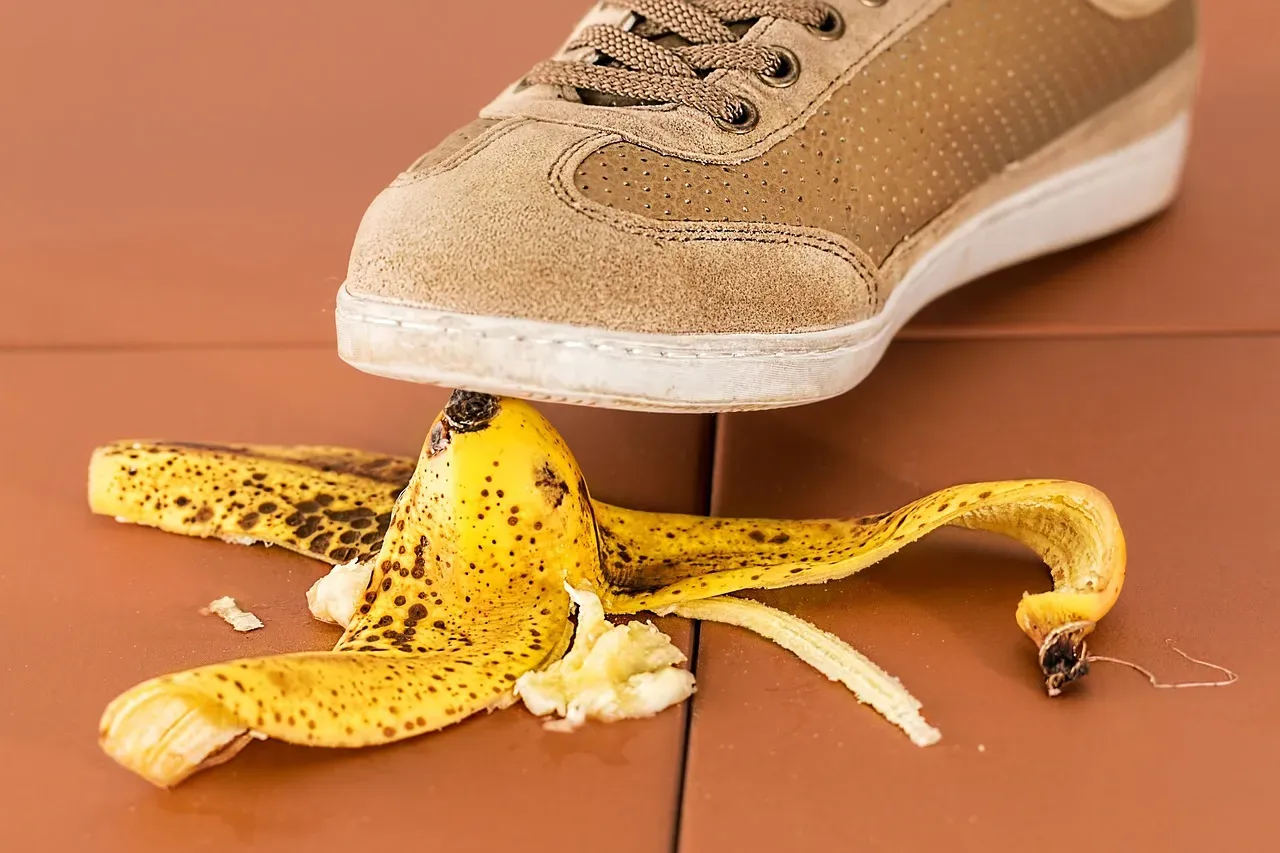
Too many sorries erode respect. CNBC cites research where over-apologizers seem less competent.[14] Sixty-two percent agree it weakens genuine ones.[1]
Leaders model restraint for impact. Selective use preserves power.
Breaking Free from the Sorry Cycle

Awareness is step one; track your slips. Replace with “thanks” or nothing, as habits shift slowly.[6] Therapy targets roots like anxiety effectively.
Embrace unapologetic space. Stronger bonds follow authentic exchanges.
The “American sorry” persists because it serves quick social glue, backed by stats and psych insights. Yet moderation unlocks clearer connections. Next time rain hits, skip the sorry, own your moment.