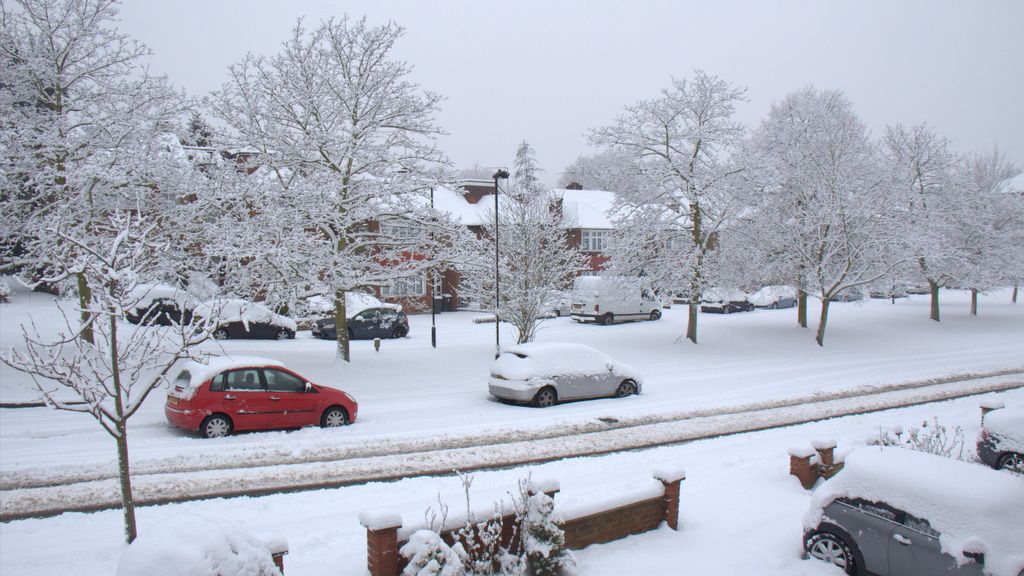
Map Shows Where Heavy Snow To Hit Wyoming, Colorado – Image for illustrative purposes only (Image credits: upload.wikimedia.org)
A winter storm is moving into position over the central Rockies, setting the stage for notable changes in weather patterns across Wyoming and Colorado. Residents and travelers in the region are preparing for the possibility of significant snow accumulation paired with strong winds that could reshape outdoor activities and commute routines in the coming days. The system is forecast to deliver up to 20 inches of snow in favored locations while gusts reach 60 miles per hour, with effects stretching through Monday.
Why the Timing Matters for the Region
Many communities in these states are entering a period when spring transitions often bring variable conditions, making this storm a reminder of how quickly mountain weather can shift. The combination of heavy snow and high winds stands out because it arrives when people may already be adjusting schedules for work, school, or weekend plans. Forecasters have highlighted the potential for rapid changes in visibility and road conditions, which adds urgency to monitoring updates over the next several days.
Local officials have begun reviewing contingency plans to address any strain on infrastructure. This approach reflects a broader pattern seen in past events where early coordination helps limit broader effects on daily operations. The storm’s path suggests it will influence both higher elevations and lower valleys, creating a wide area of concern.
Key Elements of the Expected Conditions
Snowfall totals are projected to vary by elevation and location, with the heaviest amounts likely in mountain passes and along the Continental Divide. Wind speeds could create blowing snow that reduces visibility on highways and rural roads, complicating travel for those heading to or from the affected areas. These factors together point to a period of heightened caution rather than isolated incidents.
Precipitation is expected to begin as snow in most spots, though some lower elevations might see a brief mix before temperatures drop further. The duration through Monday allows time for accumulations to build steadily, which could lead to the need for repeated clearing efforts in urban and rural settings alike.
Practical Steps for Residents and Visitors
Those planning travel are encouraged to check current road reports and consider flexible departure times. Stocking basic supplies at home can provide a buffer against any temporary delays in services. Checking in with neighbors or family members who live in more remote spots offers an additional layer of support during the event.
- Review vehicle preparedness, including tires and emergency kits.
- Monitor local alerts for any school or event adjustments.
- Limit unnecessary outdoor exposure during peak wind periods.
- Stay informed through official weather channels for the latest timing.
What Matters Now
Communities that stay ahead of the forecast can reduce the overall strain this system places on daily routines and infrastructure.
Attention now turns to how quickly conditions evolve and whether additional advisories will be issued. The focus remains on measured responses that keep everyone informed without unnecessary alarm.
Looking forward, the storm serves as a seasonal checkpoint for the region’s resilience in handling late-season weather swings. Once the system passes, attention will likely shift to assessing any lingering effects on roads and landscapes before normal patterns resume.