
Office workers face daily temptations to spend, from cafe runs to team drinks. Yet many quietly prioritize their finances in ways that echo loud budgeting, the trend of openly owning frugal choices to hit savings goals. These subtle habits help them save without fanfare, aligning spending with bigger priorities like debt payoff or vacations.
Even as return-to-office mandates grow, personal finance pressures persist amid rising costs. Workers adapt by embedding budget-friendly moves into routines, often unnoticed by colleagues. This quiet discipline builds wealth steadily.
Packing Lunch from Home
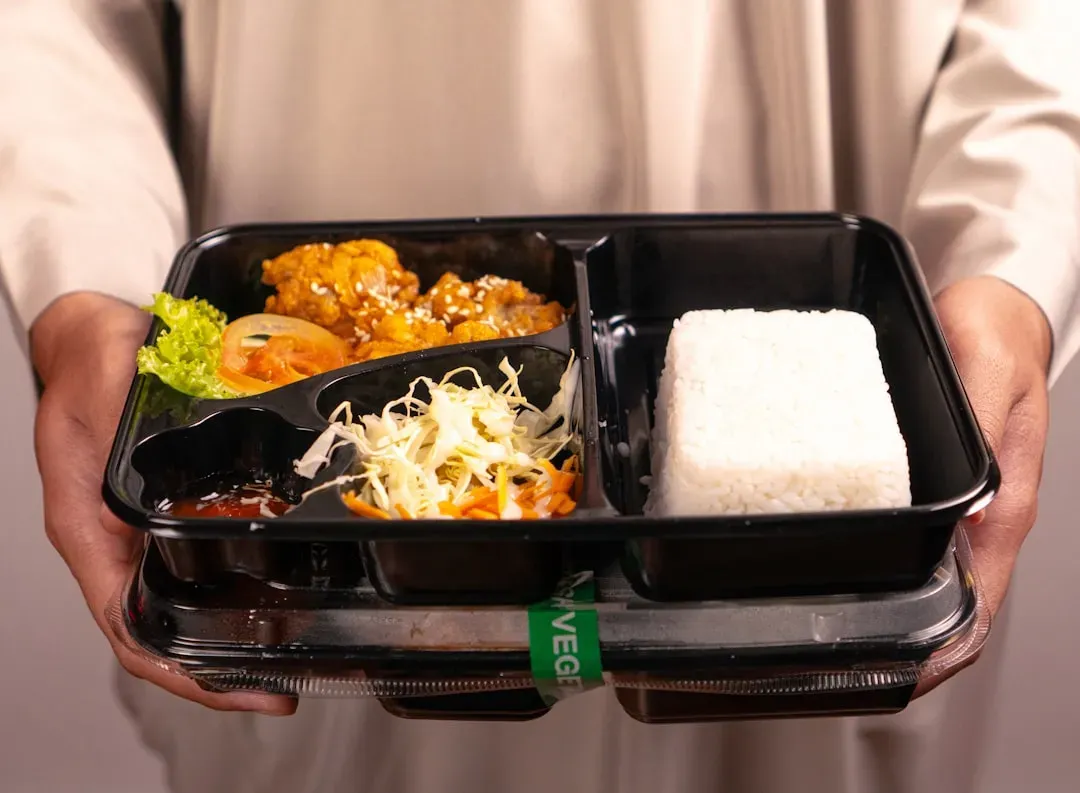
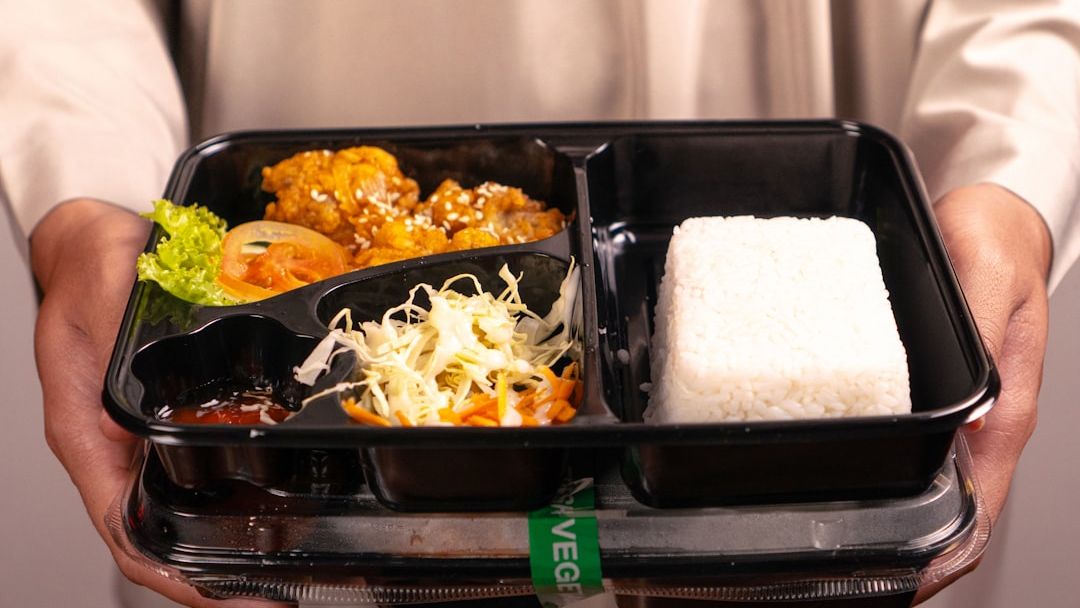
Around 62 percent of employed Americans now bring lunch from home on typical workdays, up amid inflation concerns.[1][2] This switch saves over $4,300 yearly compared to buying out, where meals average $10 or more.[3] It’s a classic loud budgeting play: prioritizing home-cooked savings over convenience.
Many cite “lunchflation” as the push, with 78 percent feeling price hikes on takeout.[4] Hybrid setups make prep easier, turning the habit into a seamless routine. Without announcing it, they redirect funds to emergency savings or investments.
Skipping After-Work Happy Hours

Happy hours have faded as a workplace staple, with workers opting out more since 2023.[5][6] Office folks quietly head home instead, dodging $20-plus tabs on drinks and apps. This embodies loud budgeting by valuing rest or family time over peer pressure spends.
Post-pandemic shifts like pet ownership and remote habits fuel the trend. Bars note drops in post-work crowds, signaling broader frugality. Savings add up fast, often $50 weekly or more.
Brewing Coffee at Home or Office
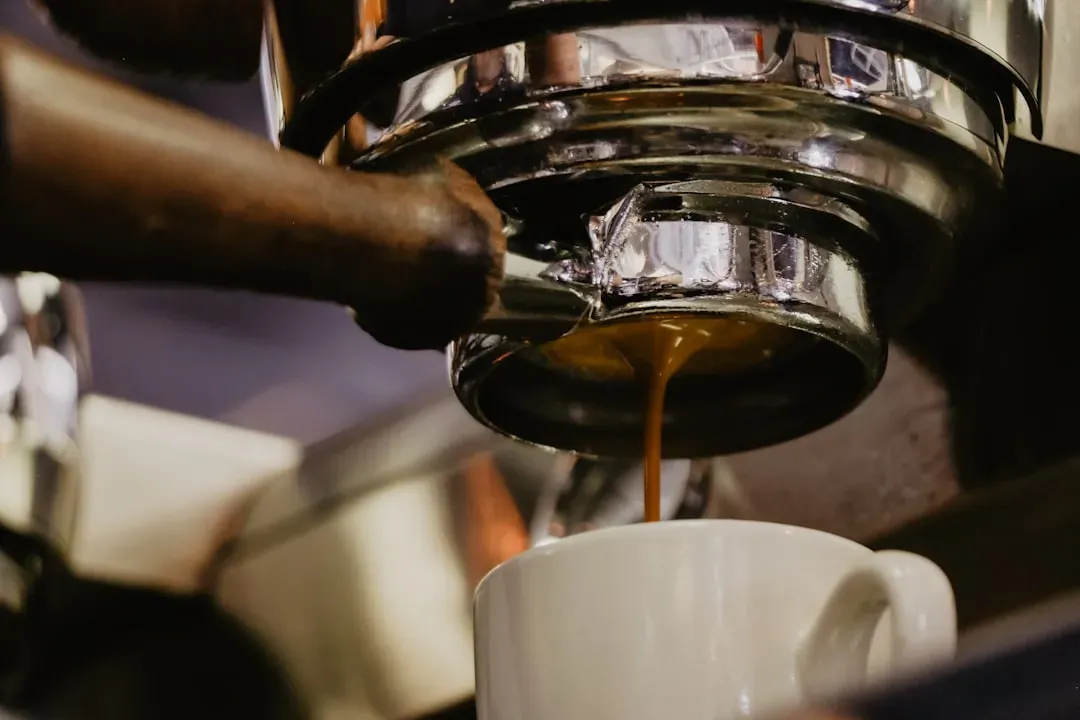
Home coffee drinking hit 85 percent among daily consumers in recent surveys, the highest in 14 years.[7] Office workers brew thermoses or use break room machines, skipping $5-7 cafe runs. Remote and hybrid flexibility boosts this, driven by price awareness.
Remote work and costs reversed cafe habits, per 2026 reports.[8] A daily save of $5 translates to $1,250 yearly. It’s subtle loud budgeting: owning the choice without apology.
Choosing Public Transit or Carpooling
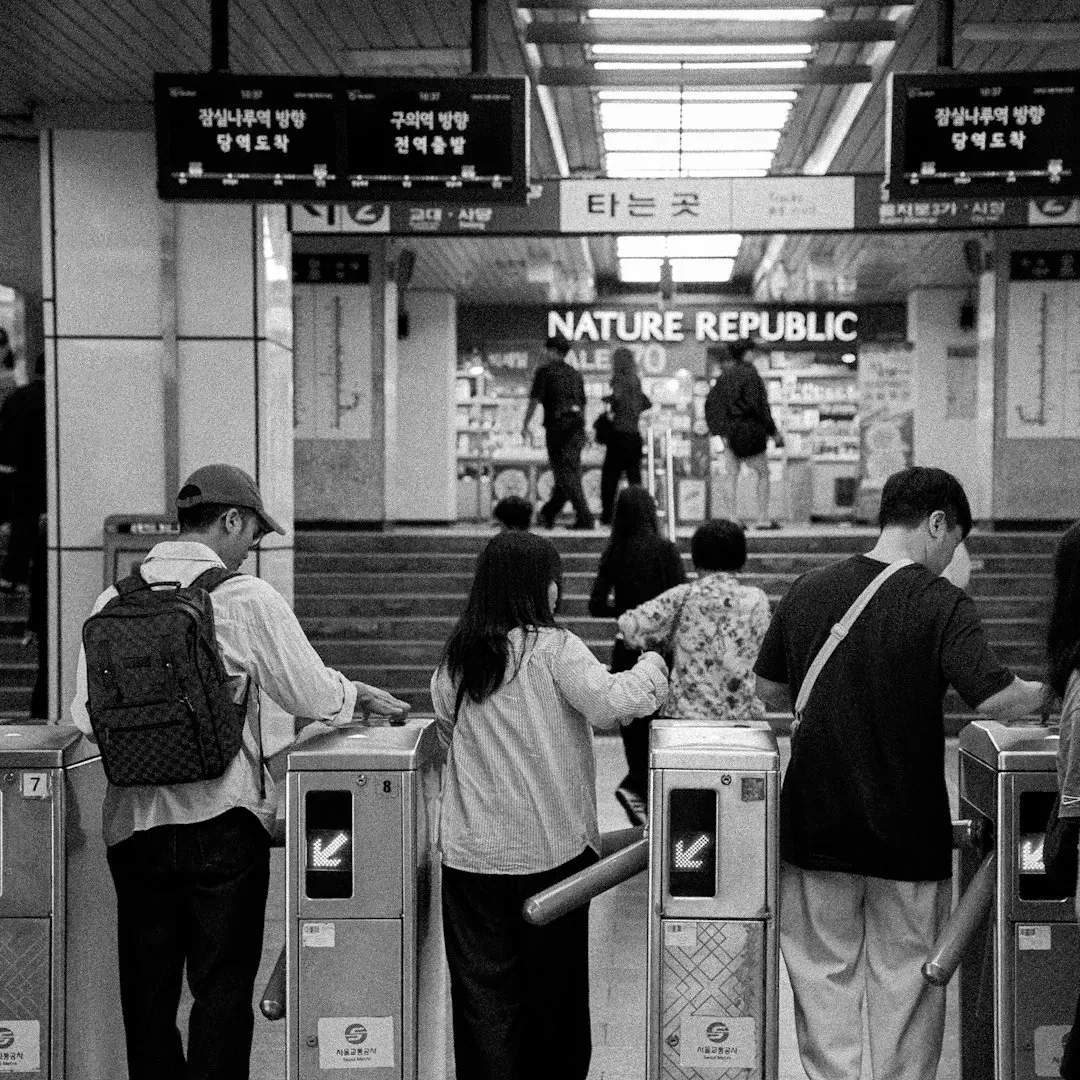
About 10 percent of private industry workers access subsidized commuting benefits, favoring buses or trains over solo drives.[9] Office commuters average $15 daily on transport, but shared rides cut that sharply.[10] Hybrid schedules amplify savings by limiting trips.
Trends show rising public transit use in urban hubs for cost control. Annual savings hit thousands for consistent users. Quietly, this funnels cash to priorities like retirement.
Suggesting Potlucks and Low-Cost Team Events
Workers propose shared meals or no-cost activities like walks, mirroring loud budgeting’s boundary-setting.[11] Instead of pricey outings, potlucks keep social ties alive cheaply. This avoids $20-30 per event spends.
Office culture adapts with lunch-and-learns or book clubs using free resources. It fosters connection without draining wallets. Over time, these choices compound into real financial freedom.
Final Thoughts

These habits reveal how office workers weave loud budgeting into daily life, often under the radar. Savings from lunches, drinks, and commutes stack up quietly. In a high-cost world, such discipline offers real control.