

Property taxes across the United States have climbed sharply in recent years. Nationally, the median bill rose nearly 25 percent from 2019 to 2024.[1][2] Homeowners in states with the highest rates face annual payments thousands above the average, pushing some to relocate.
Recent IRS data highlights net outmigration from several high-tax areas. While factors like housing costs and jobs play roles, elevated property taxes contribute to the exodus in places like the Northeast and Midwest.[3] These five states top lists for effective rates and show population shifts.
New Jersey

New Jersey leads with an effective property tax rate of 2.11 percent, the highest in WalletHub’s 2026 rankings. Homeowners there pay about $9,590 annually on a median home.[4] The state saw a net loss of 19,370 income tax filers between 2022 and 2023.
High bills strain fixed-income households, especially as rates hover near two percent. Moves to lower-tax neighbors like Pennsylvania reflect this pressure, though overall costs factor in too.[3]
Illinois
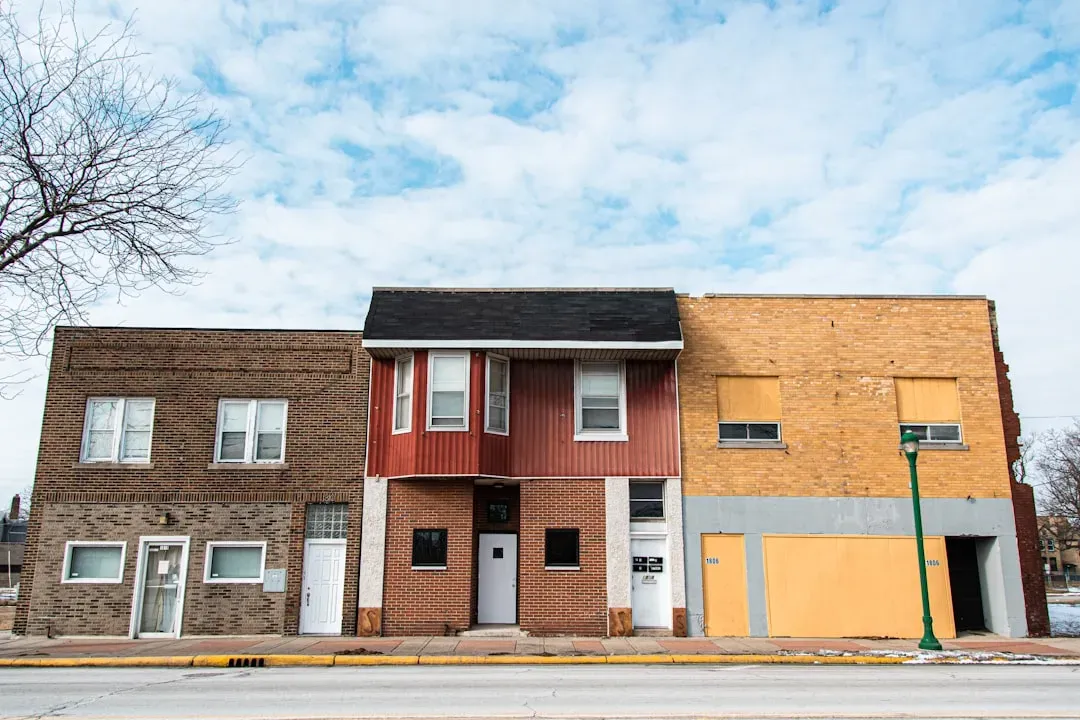
Illinois holds a close second with a 2.01 percent effective rate. Typical annual taxes reach $5,298 on median homes, fueling resident frustration.[4] Net outmigration hit 28,609 filers in recent IRS figures.
Pension obligations drive much of the levy, keeping rates elevated despite slight dips. Chicago-area counties often exceed national averages, prompting shifts southward.[5][3]
Families cite affordability when leaving for Indiana or Tennessee.
Connecticut

Connecticut’s rate stands at 1.81 percent, with median payments around $6,643. Counties near New York City amplify the burden for commuters.[4] Regional trends show outflows amid Northeast tax flight.
Rates dipped slightly to 1.54 percent per Tax Foundation data, yet remain top-tier. Proximity to lower-tax states encourages relocation.[5]
New York

New York carries a 1.55 percent rate, translating to $6,582 yearly on average homes. The state lost 71,987 filers net in 2022-2023, the second-worst.[4][3] Upstate and suburban areas feel the pinch alongside city dwellers.
Combined with income taxes, property levies accelerate moves to Florida and beyond. High earners departing carry significant adjusted gross income losses.[3]
New Hampshire

New Hampshire’s 1.66 percent rate yields $6,667 median bills, notable without income tax. It ranks high despite no sales tax offset.[4] Some outflow ties to property costs versus neighbors.
Rates eased to 1.50 percent recently, but homeowners still seek relief. Southern New England patterns suggest tax sensitivity.[5]
Why Property Taxes Surged

Home values rose post-pandemic, boosting assessed taxes everywhere. National medians jumped 30 percent from 2019 to 2024 in some reports.[2] Local governments rely heavily on this revenue for schools and services.
Fewer caps in Northeast states allowed sharper hikes. Inflation and spending needs compounded the effect.[1]
Popular Destinations for Movers

Florida and Texas top net gains, adding over 55,000 filers each. No-income-tax appeal draws from high-burden origins.[3] Lower property rates sweeten the deal.
South Carolina and Tennessee follow, with climates and costs aligning. These shifts represent billions in lost income for donor states.
Economic Ripples from Outmigration

Departing residents take spending power elsewhere. High earners amplify losses, as seen in New York’s $62,633 average AGI per filer.[3] Local tax bases shrink over time.
Real estate markets cool in exodus areas. Services face strains from fewer contributors.
Relief Efforts Underway

Several states explore caps or rebates amid revolts. North Dakota zeroed bills for thousands last year. Proposals in Florida and others aim to curb future hikes.[6]
Homeowner pushback grows, with 13 states considering big changes. Outcomes depend on legislatures balancing budgets.
Looking Ahead in 2026

Property taxes likely stay elevated without reforms. Migration patterns may persist if gaps widen.[3] Buyers weigh total ownership costs upfront.
Shoppers favor low-rate havens like Hawaii or Alabama. Savvy moves preserve equity amid uncertainty.
Shifting burdens highlight the need for balanced local funding. Homeowners adapt, but steady relief remains key to stemming flows.