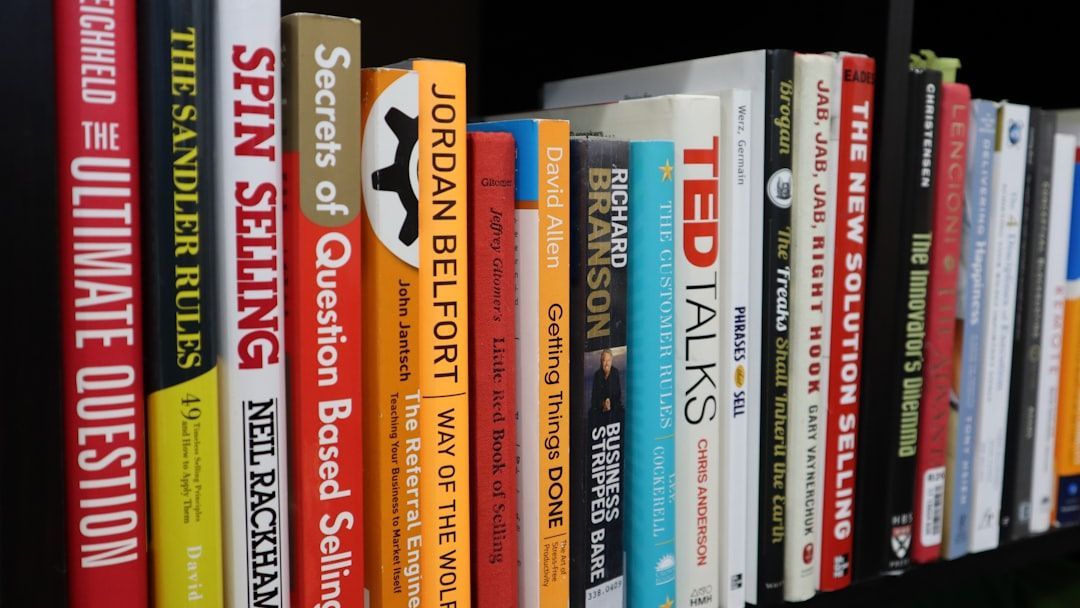
Love Reading? 8 Ways Bookworms Can Make Money – Image for illustrative purposes only (Image credits: Unsplash)
Avid readers often lose themselves in stories for hours, building sharp analytical skills along the way. Those same abilities open doors to paid opportunities in a gig economy that prizes clear thinking and precise language. From freelance critiques to hands-on book care, book lovers can channel their expertise into flexible income streams that feel more like extensions of their interests than traditional jobs.[1]
Crafting Paid Book Reviews
Publications and authors regularly seek detailed critiques to help refine their work. Freelance reviewers charge between $25 and $100 per piece, depending on the outlet’s prestige and the review’s depth. Trade journals or major sites offer even higher potential for consistent contributors, turning a stack of galleys into a viable side gig.[1][2]
Getting started requires building a portfolio of sample reviews. Platforms like Kirkus Reviews or Online Book Club provide entry points, often sending free advance copies after an application process. Honest, constructive feedback stands out, and many reviewers begin by sharing opinions on social media or personal blogs to attract initial assignments.[3]
Editing and Proofreading Manuscripts
Readers attuned to narrative flow excel at developmental editing, where they assess pacing, character development, and overall structure. Industry standards run from $0.03 to $0.06 per word, meaning an 80,000-word novel could yield thousands in fees. This service appeals to self-published authors polishing their drafts before launch.[1]
Proofreading takes it further, catching errors in technical documents like legal briefs or medical reports that software often misses. Professionals command $35 to $65 per hour, with demand steady across industries. Sites such as Upwork connect editors with clients, and specialized niches like young adult fiction or business nonfiction boost rates. Retirees or part-timers find this particularly flexible, working remotely on their schedules.[2][3]
Both roles sharpen with practice. Joining groups for freelance writers or the Editorial Freelancers Association offers rate guidance and job leads. Many transition from beta reading – providing early feedback for authors – to paid positions.
Narrating Audiobooks in a Home Studio
The audiobook market surges, creating demand for narrators who bring stories alive. Platforms like ACX let readers audition for projects, earning $150 to $400 per finished hour or royalties on sales. Non-union work suits beginners with decent recording setups.[1][3]
A quiet space and clear voice suffice for entry. Narrators often specialize in genres they devour, like mystery or romance. Success builds through positive ratings, leading to repeat offers from rights holders.
Curating, Scouting, and Restoring Collectibles
Knowledge of editions, conditions, and values positions readers as scouts at estate sales. Spotting first prints or rare genres for collectors brings a few hundred dollars monthly, scaling with networks. Related ventures include flipping thrift finds or hosting subscription boxes curated by theme.[1]
Subscription services thrive on wholesale buys packaged with extras, targeting 30% to 50% margins. A few hundred subscribers cover logistics and yield solid profits. Book repair adds another layer: fixing hinges or pages for heirlooms starts at $100 per job, climbing for intricate leather work. Collectors value these hands-on skills passed down through dedicated reading.
Logistics demand organization, much like managing a personal library. Starting small – perhaps with local sales or one-off boxes – tests viability before expansion.
Summarizing Nonfiction for Time-Strapped Pros
Busy executives crave distilled insights from business books without the full read. Skilled summarizers craft executive briefs, commanding premium hourly rates. This turns dense tomes into actionable assets for clients.[1]
Freelance platforms match summarizers with projects. Focus on high-demand areas like productivity or leadership maximizes earnings. Readers who enjoy nonfiction find this rewarding, blending consumption with creation.
These paths demand the discipline readers already possess – consistent engagement with text. Platforms abound for entry, and skills compound over time. What begins as extra cash often sustains growing libraries, proving passion pays when channeled strategically.