Something unusual is happening across America right now. Cornfields are becoming data centers. University campuses are turning into AI research hubs. And billions of dollars are flowing into states that are quietly positioning themselves as the tech powerhouses of tomorrow. The race is real, it is fast, and the stakes could not be higher.
Some states are winning this race by a massive margin. Others are surprising everyone by showing up out of nowhere and making bold moves that nobody saw coming. So if you want to understand where the future of American technology is actually being built, keep reading.
1. California: The Undisputed Tech Capital of the World
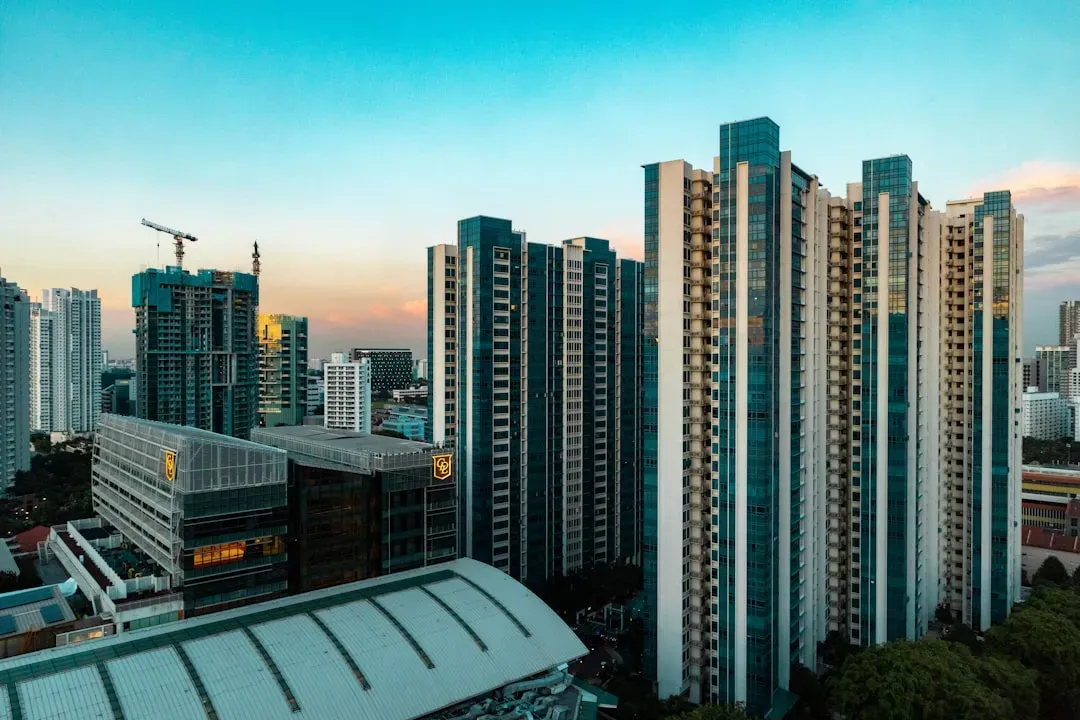
Let’s be real – California is in a league of its own. Startups headquartered in California collected nearly half of all U.S. venture capital raised in 2024, almost five times as much as any other state. That is not a slight edge. That is total dominance.
California tech startups raised an extraordinary $58.5 billion in just the first quarter of 2025 alone, up roughly a third from the previous quarter. Honestly, those numbers are hard to even wrap your head around. Think of it like a sports team that wins every single season and somehow keeps getting better.
Silicon Valley remains the world’s most powerful startup ecosystem, responsible for over a third of all U.S. venture funding in 2024, with more than $65 billion in investment across the Bay Area. The sheer concentration of talent, capital, and ambition in one geography continues to defy all predictions of its decline.
AI remains Silicon Valley’s beating heart, with OpenAI, Inflection AI, and Anthropic securing multi-billion-dollar rounds in 2024 alone, establishing the region as the global headquarters for foundational AI development. California is not just riding the AI wave. In many ways, it created it.
2. Texas: The Fastest-Growing Data Center Market on Earth
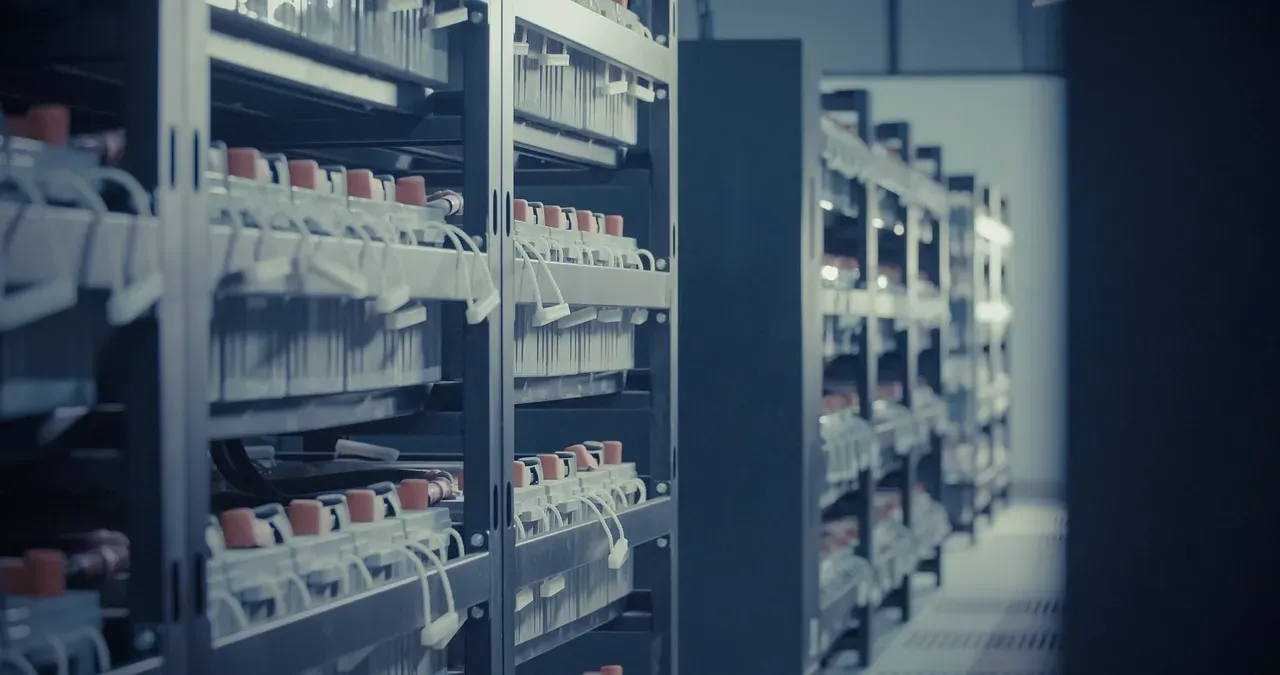
A recent JLL report suggests Texas could actually overtake Northern Virginia as the world’s largest data center market by 2030. That is a staggering claim, and the numbers behind it are equally staggering. Texas has gone from a supporting role to a starring one in the global AI infrastructure buildout, almost overnight.
The global AI revolution is accelerating, and Texas is emerging as its epicenter. In 2025, the state secured over $22 billion in private equity-backed funding for AI-enabled data center projects alone. Companies are flooding in from every direction, drawn by cheap land, deregulated energy, and an enormous available workforce.
Google’s announcement of a $40 billion investment in Texas data centers is the latest multi-billion dollar investment by tech companies racing to build infrastructure that can support advanced artificial intelligence. That single commitment alone makes Texas Google’s largest state investment anywhere in the country.
Even more ambitious is Fermi America’s planned $300 billion AI campus near Amarillo, Texas, called HyperGrid. If plans move forward, the 18-million-square-foot facility could generate 11 gigawatts of IT capacity, powered by a combination of natural gas, solar, wind, and nuclear energy. Whether or not that project reaches completion, it tells you everything about the scale of Texas ambition right now.
3. New York: The Quiet AI Powerhouse Rising in the East

In 2024, New York State established a first-in-nation $400 million public-private partnership to invest in AI research and development, led by the Empire AI consortium. AI job postings in the state surged past 25,000 in 2024, ranking first in the entire country. New York is not just a financial hub anymore. It wants to be an AI hub too.
New York’s EmpireAI consortium launched to provide computing power and expertise to AI research at a mix of private and state universities, including Columbia, Cornell, and the City University of New York. The initiative is currently funded by over $500 million in public and private investment, including up to $340 million in state capital grants.
Since 2019, more than a thousand AI-related companies in New York City have raised $27 billion in funding. The city is home to over 40,000 AI professionals. That kind of talent density is hard to replicate. New York is quietly building one of the most formidable AI ecosystems outside of California.
There are now over 200,000 jobs in New York City’s tech sector, up from around 161,000 in 2019, with the tech sector adding an average of 8,000 jobs per year across the five boroughs between 2014 and 2024. That is not hype. That is a decade of steady, structural change taking hold.
4. Massachusetts: Biotech, AI, and an Intellectual Powerhouse

Here is the thing about Massachusetts – it punches well above its weight. Massachusetts is home to several institutions that lead the nation in AI research funding. MIT, Harvard University, and Northeastern University are at the forefront, receiving significant AI-related R&D funding from the National Science Foundation, with those institutions alone securing a combined total of over $120 million in active NSF awards for AI research as of late 2024.
Massachusetts has fostered a strong innovation sector by mobilizing both private and public resources. In 2024, the state legislature passed the Mass Leads Act, which targets sectors of economic importance including AI and robotics as the focus of new infrastructure and grant programs. The Act also allocated $100 million to create the Massachusetts AI Hub.
Massachusetts aims to be a global leader in applied AI. Governor Maura Healey signed an executive order establishing an Artificial Intelligence Strategic Task Force, which advises public and private entities on how to implement AI. The governor also requested $100 million to create an Applied AI Hub to attract AI companies and encourage AI use in the state.
I think Massachusetts gets underestimated simply because it lacks the sheer scale of California or Texas. Yet its combination of world-class universities, deep biotech roots, and focused government investment makes it genuinely one of the most important innovation ecosystems in the country. The talent pipeline alone is a huge competitive advantage.
5. Indiana: The Dark Horse Nobody Saw Coming
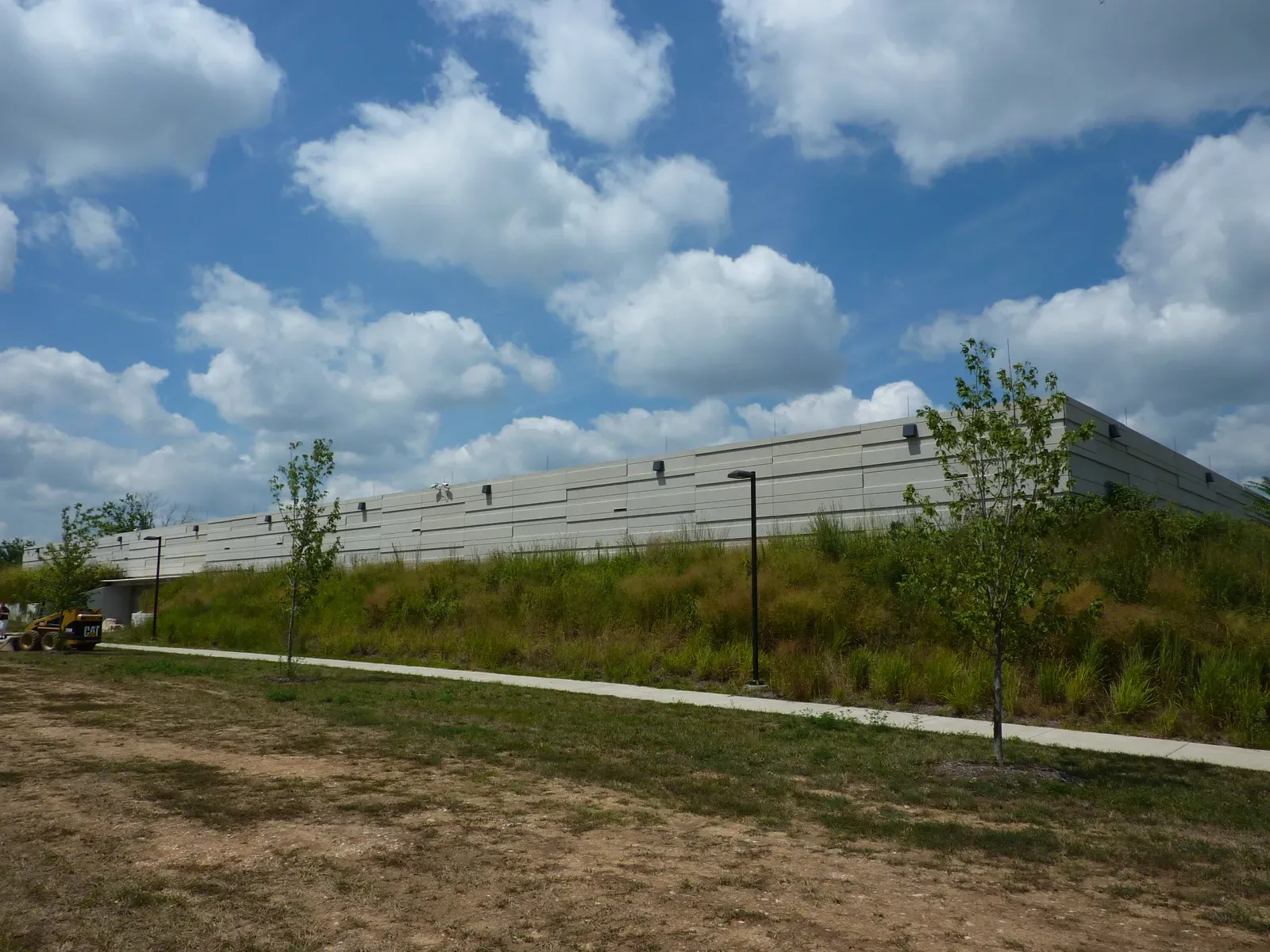
Nobody had Indiana on their future-tech bingo card a few years ago. Yet here we are. Amazon plans to invest an additional $15 billion in Northern Indiana to build data center campuses, creating 1,100 new high-skilled jobs and supporting thousands more in the data center supply chain. That announcement, made in late 2025, is on top of an already historic commitment.
Just a year ago, it was farmland. Now, a 1,200-acre site near Lake Michigan is home to one of the largest operational AI data centers in the world. It is called Project Rainier, and it is the spot where Amazon is training frontier artificial intelligence models entirely on its own chips. The transformation is so fast it almost defies belief.
The new investment will add 2.4 gigawatts of data center capacity in the region. Amazon also entered an energy agreement with NIPSCO that is expected to provide approximately $1 billion in cost savings to current Indiana residents and businesses over 15 years. That is a genuinely unusual deal, one that ties tech investment directly to community energy savings.
Since 2010, Amazon has invested more than $31.3 billion in Indiana and has created more than 24,500 direct jobs across the state. Indiana’s secret weapon turns out to be something simple: a business-friendly environment, available land, and a workforce that is ready to learn. Sometimes, that is all it takes.
The Bigger Picture: A National Race With Trillion-Dollar Stakes
According to a report from the American Edge Project, $560 billion in AI-related venture investment has flowed into all 50 states across nearly 27,000 deals from 2019 to the first eight months of 2025. The money is everywhere, but the concentration is extreme. A handful of states are capturing the lion’s share.
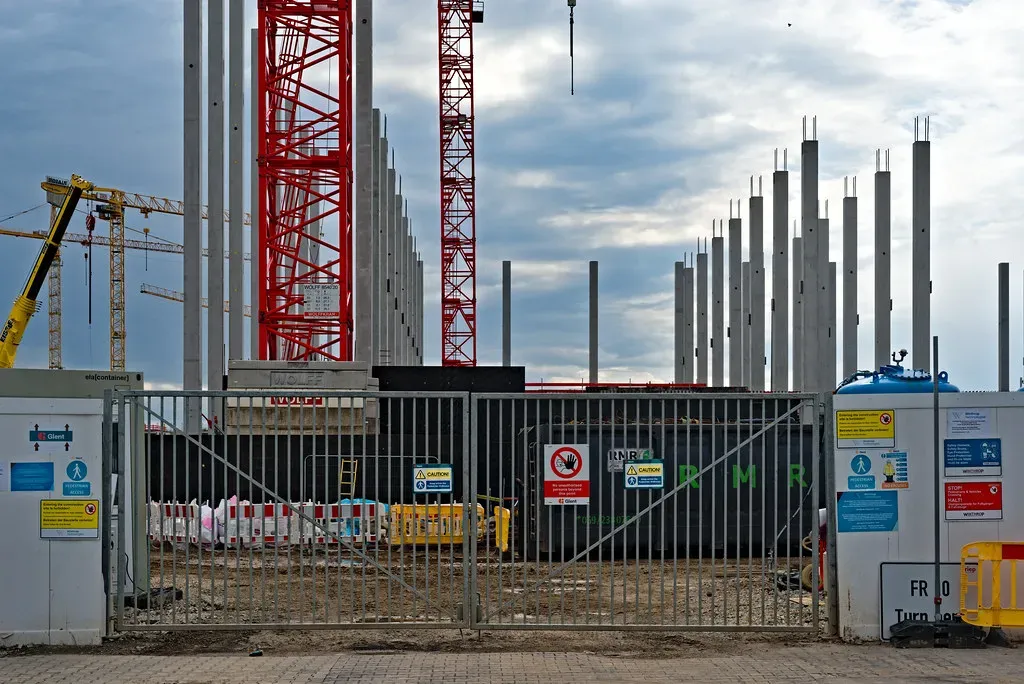
The U.S. now has 4,149 active data centers, with 2,788 more under construction or announced, a build-out projected to create 5.4 million temporary and permanent jobs while generating $27 billion in new state and local tax revenues over the next decade. That is a transformational economic event unfolding in slow motion across the country.
Private-sector AI data center construction spending grew nearly 70 percent from 2023 to 2024, far outpacing every other commercial category. No other sector comes close to this pace. It is, by almost any measure, the largest coordinated infrastructure buildout in modern American history.
Energy: The Hidden Bottleneck Nobody Is Talking About Enough
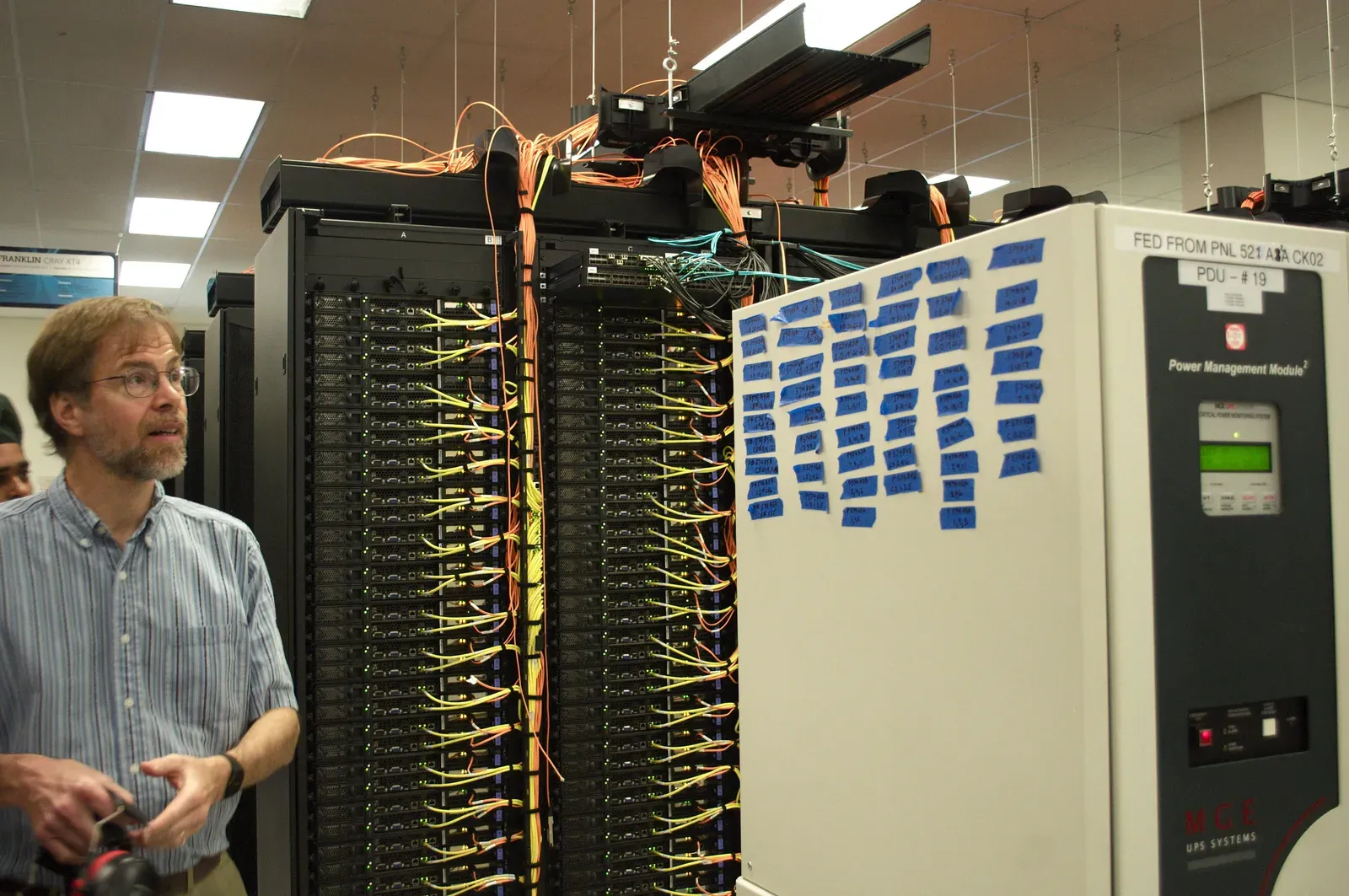
Here is something that often gets buried in the headlines about billions of dollars and shiny new campuses. Texas data centers used nearly 22 million megawatt-hours of electricity in 2023. The Electric Reliability Council of Texas projects that by 2031, the state grid will need to more than double its 2024 capacity, mainly due to the growth of data centers. That is an enormous strain on infrastructure.
Texas’s deregulated energy grid, abundant land, and proximity to renewable energy sources make it uniquely positioned to meet these needs. Still, the pressure is real. Building data centers is one thing. Powering them reliably at this scale is a genuine engineering and policy challenge that every competing state has to grapple with.
Average data center project costs have risen to $499 million, with per-square-foot costs up nearly half year-over-year, driven by increasing complexity and energy demands. The cost to build is climbing fast. States that get the energy piece right will attract investment. Those that do not may find tech companies quietly moving on.
Jobs, Workforce, and What These Investments Actually Mean for People
It is easy to get dazzled by the billion-dollar numbers and forget that behind each one of them are actual jobs and actual communities. Tech jobs are growing two-and-a-half times faster than the rest of the economy, with 33 states exceeding 10 percent tech job growth since 2019. That kind of momentum creates real opportunity for workers who get into the pipeline.
Amazon will bring training and education programs to Indiana communities, including data center technician programs, fiber optic fusion splicing workshops, and STEM awareness and learning opportunities for K-12 schools. That investment in human capital is arguably just as important as the data center infrastructure itself. You cannot run a gigawatt facility without skilled technicians.
The boom of data centers, coupled with rapid state growth, has led to projections that demand on the power grid could nearly double by 2030. Companies generally employ around 50 to 150 or more employees in each data center, in addition to an array of building and maintenance contractors. The permanent job numbers are often smaller than communities expect. That is a tension worth watching.
Regulation and Policy: The Invisible Force Shaping the Race
New York, Massachusetts, Texas, California, Illinois, and New Jersey have introduced the highest number of AI-related bills, creating significant uncertainty for innovators not just in their states, but for the entire country. It is a double-edged situation. The states investing the most in AI are also the ones passing the most laws around it. That tension is real.
More than 1,100 state-level AI bills were introduced in 2025, risking a slowdown by adding legal uncertainty, raising compliance costs, and discouraging capital investment. States embracing regulatory restraint, modern permitting, and stronger energy competitiveness are attracting more data centers, more tech jobs, and more AI companies.
Massachusetts has taken a more structured approach, with the legislature passing the Mass Leads Act in 2024, which lays out several sectors of economic importance, including AI and robotics, as targets of new infrastructure and grant programs. Getting the policy balance right could be what separates the long-term winners from the states that get left behind.
What the Global Picture Means for American States
OpenAI, Oracle, and SoftBank announced five new U.S. AI data center sites under Stargate, OpenAI’s overarching AI infrastructure platform. The combined capacity from these sites, along with their flagship site in Abilene, Texas, and ongoing projects with CoreWeave, brings Stargate to nearly 7 gigawatts of planned capacity and over $400 billion in investment over the next three years. The scale of that single project is almost impossible to contextualize.
Global venture capital investment in AI companies exceeded $100 billion in 2024, an increase of over 80 percent from the previous year. Nearly a third of all global venture funding was directed to AI companies, making artificial intelligence the leading sector for investments. The world is voting with its money, and American states are among the biggest beneficiaries.
Investment bank UBS estimated $375 billion would be spent globally on AI infrastructure in 2025. As much as $500 billion in data center investments are projected for 2026, with an estimated $3 trillion by 2028. States that move fast, stay business-friendly, and solve the energy puzzle now are the ones that will collect those trillions tomorrow.
Conclusion: The Map Is Being Redrawn Right Now
The five states explored here – California, Texas, New York, Massachusetts, and Indiana – represent very different paths to the same destination. Some got there through decades of accumulated talent and capital. Others got there by offering land, energy, and an open door to the biggest investment wave in modern American history.
What connects all of them is a recognition that future tech is not just a sector anymore. It is the economy. The data centers, the AI labs, the biotech campuses – these are the new factories, and the states that build them fastest will shape what American prosperity looks like for the next generation.
The redrawn map is forming right now. The billion-dollar question is simply this: which state surprises everyone next?