A TV Series Transforms the Sport (Image Credits: Compote.slate.com)
Milan-Cortina, Italy – The 2026 Winter Olympics delivered a historic hockey double gold for the United States, yet the triumph quickly divided fans along cultural lines.[1][2]
A TV Series Transforms the Sport
The HBO Max adaptation of Rachel Reid’s novel Heated Rivalry captured imaginations worldwide just before the Games. This gay romance between rival NHL players drew nearly 20 percent more viewers to league games and sparked merchandise crazes.[1]
Fans flocked to Olympic venues wearing show-inspired gear, blending queer representation with hockey’s traditional intensity. The series promised an inclusive future for the sport, attracting progressive audiences who previously overlooked it. NHL promotions amplified the buzz, positioning hockey as modern and diverse. Yet this enthusiasm set the stage for sharp contrasts during celebrations.
U.S. Teams Secure Rare Sweep
Both American squads claimed gold, marking the first such achievement in Olympic history. The men’s team triumphed in a tense final, while the women dominated with tournament-leading offense and defense.[1]
Shared training facilities fostered camaraderie, with players from each team cheering one another. The women’s program, despite far less investment, accelerated to dominance in a fraction of the time men took. This parallel success highlighted hockey’s potential across genders.
Men’s Celebrations Spark Outrage
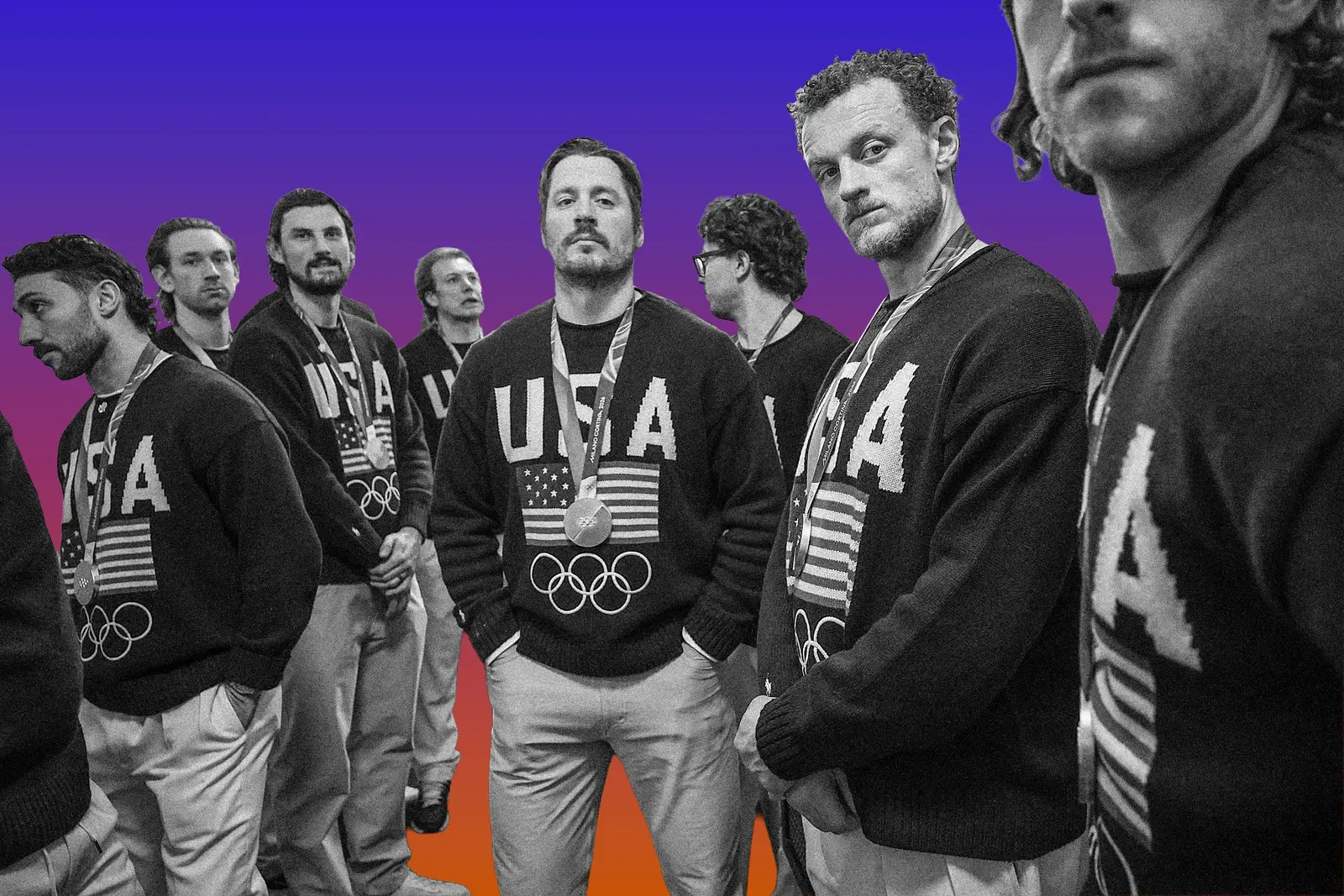
Victory joy soured rapidly for the U.S. men. A locker-room video showed players chugging beers alongside FBI Director Kash Patel. They then fielded a call from President Trump, who joked about inviting the women’s team to the White House amid impeachment quips, prompting laughter from the group.[1]
Trump later honored men’s goalie Connor Hellebuyck with the Presidential Medal of Freedom at the State of the Union address, calling him the top performer despite women’s goalie Aerin Frankel’s superior stats. Critics decried the episode as emblematic of entrenched toxicity, misogyny, and conservatism in men’s hockey. New fans from Heated Rivalry felt betrayed, voicing disappointment online.
- Locker-room revelry with political figures alienated inclusive newcomers.
- Public mockery of women’s achievements fueled sexism accusations.
- Alignment with polarizing rhetoric clashed with the sport’s fresh image.
- Selective awards overlooked women’s excellence.
Women’s Hockey Builds Momentum
In contrast, the U.S. women earned widespread praise for their merit-based run. Captain Hilary Knight expressed regret over diminished inter-team respect amid the uproar. Their gold followed a pattern of rapid ascent, bolstered by genuine unity.[1]
Off the ice, stories like engaged rivals Anna Kjellbin of Sweden and Ronja Savolainen of Finland echoed Heated Rivalry‘s themes, underscoring queer visibility in women’s hockey – 22 openly LGBTQ+ athletes competed there alone.[3] Post-gold searches for Professional Women’s Hockey League tickets surged 50 percent, signaling investment shifts.
Key Takeaways:
- Women’s leagues see booming interest amid men’s controversies.
- Inclusive narratives thrive in women’s hockey culture.
- Olympic success accelerates funding and fan growth for women.
The Milan Games exposed hockey’s cultural fault lines, but women’s teams skated ahead unscathed. Their poise amid drama positions them for sustained expansion. What do you think of hockey’s shifting dynamics? Tell us in the comments.