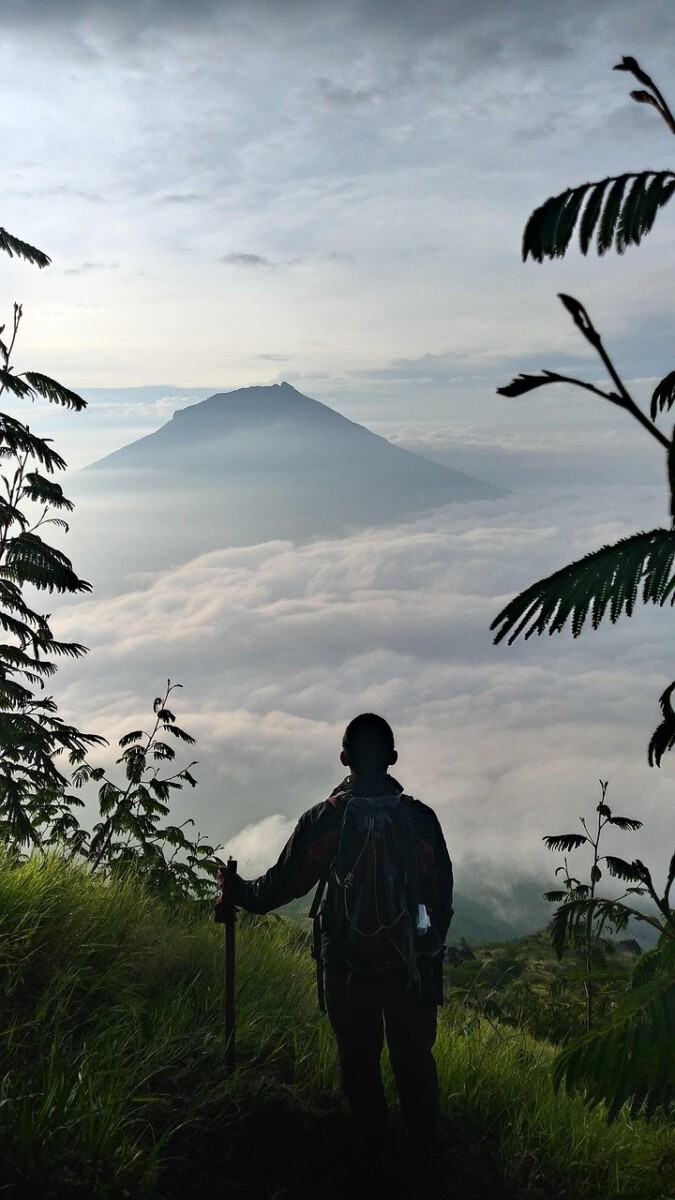

The Surprising Boom: Solo Travel Is Everywhere
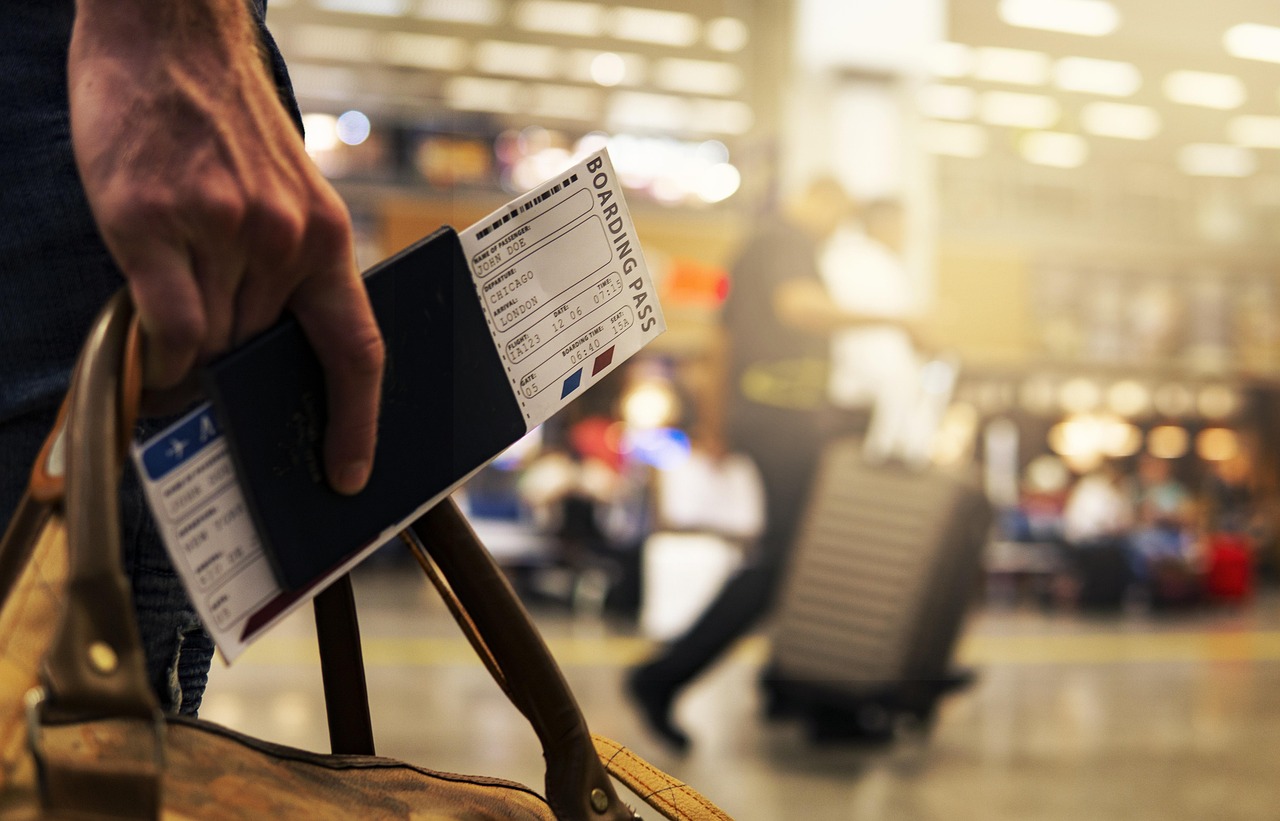
There’s something electric in the air these days—everyone seems to be hitting the road by themselves. A 2023 survey from the Adventure Travel Trade Association found that 60% of travelers were itching to try solo travel at least once. That’s not just a passing trend; it’s a tidal wave. What’s driving this? Millennials and Gen Z are leading the charge, but people of all ages are drawn in by the promise of freedom and self-discovery. Social media is full of stories—sunsets on empty beaches, laughter with strangers-turned-friends, and quiet, reflective moments. The numbers don’t lie: solo trips booked through major travel platforms jumped by 36% between 2023 and 2025, showing just how mainstream this movement has become. It’s not about escaping your life, but about diving deeper into it, one city—or one challenge—at a time.
Finding Strength: The Power of Choosing Your Own Path

Traveling solo hands you the steering wheel in a way nothing else does. A 2024 study in the Journal of Travel Research showed that people who set out on their own reported feeling more accomplished and satisfied than those who stuck with groups. Why? Every decision is yours, from what time to wake up to where to eat dinner. There are no compromises, no waiting on anyone. For many, this is an empowering revelation. It’s like learning to ride a bike for the first time: a little shaky at first, but suddenly, you’re flying. Making mistakes, navigating unfamiliar cities, even missing a bus—it all builds confidence. Each little victory, like finding your way or negotiating in a new language, becomes a story you’ll tell for years.
Meeting People: Friendships You Never Expected

You’d think solo travel would be lonely, but the opposite is true. According to a 2025 Global Tourism Organization report, people traveling alone actually connect more with locals and other travelers. Hostels, walking tours, and travel apps make it easy to strike up a conversation. I once met a retired teacher from New Zealand at a guesthouse in Vietnam, and we spent the afternoon swapping stories about our lives on opposite sides of the globe. These kinds of chance meetings often turn into lifelong friendships. Being alone makes you approachable; people invite you in, ask questions, and share their worlds with you. That’s a kind of magic you rarely get when you’re surrounded by friends from home.
Staying Safe: Smart Strategies That Work
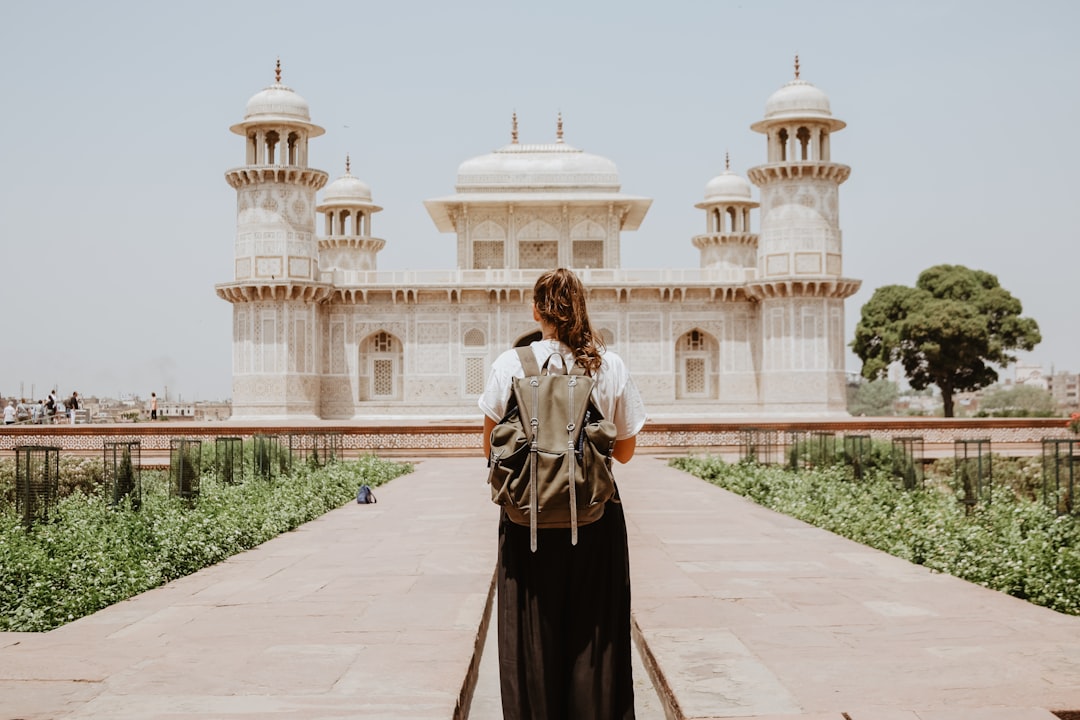
Safety is always a hot topic for solo travelers, but recent evidence tells a reassuring story. The International Travel Safety Association’s 2024 report found that solo travelers in popular destinations actually experienced fewer incidents of crime than groups. Why is that? Experts suggest that individuals tend to stay more alert, avoid risky areas, and choose well-reviewed accommodations. Solo travelers are also more likely to keep their plans flexible, changing course if a situation doesn’t feel right. Key tips include keeping valuables close, using ride-hailing apps, and always letting someone back home know your itinerary. With technology and a bit of common sense, solo travel is safer than ever.
The Gift of Solitude: Quiet Moments That Change You
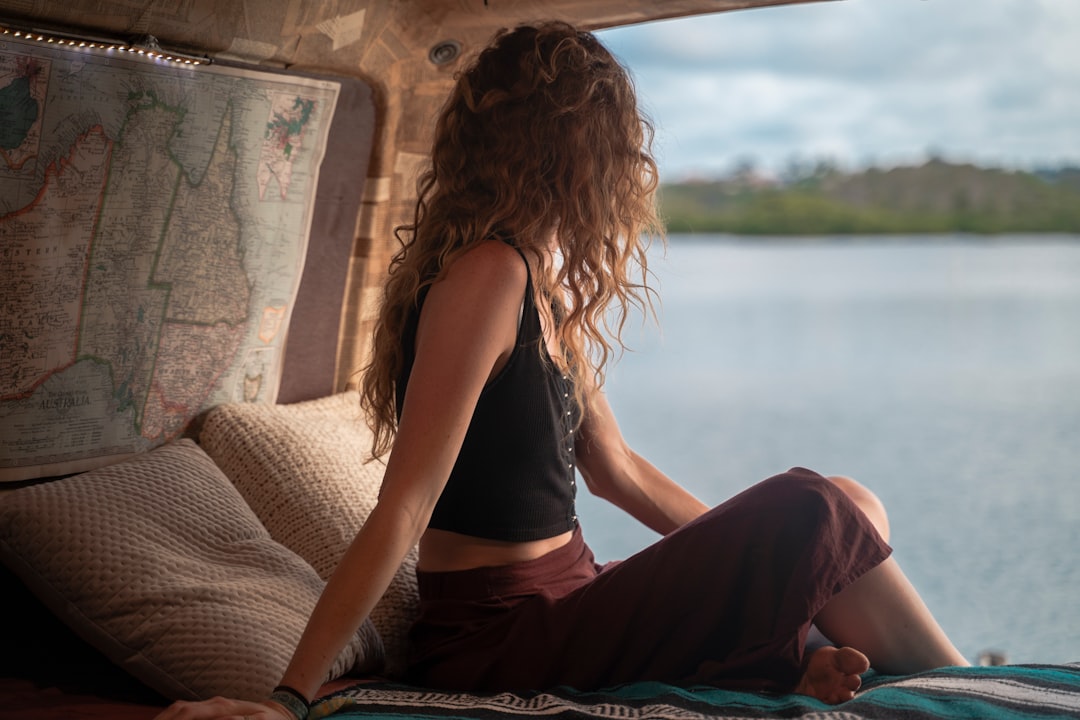
There’s an unexpected treasure in traveling alone: time to think. The Institute of Travel Psychology published a 2023 study showing that solo travelers engage in more introspection, often journaling or practicing mindfulness. Without the constant buzz of conversation, you start to notice things—a bird’s call at sunrise, the feel of cobblestones underfoot, your own heartbeat as you try something new. These quiet moments can lead to profound personal insight. People often come home with a clearer sense of purpose or a new perspective on life. For many, it’s a way to process big changes or simply recharge from the noise of daily routines.
Unmatched Freedom: Go Where the Wind Takes You
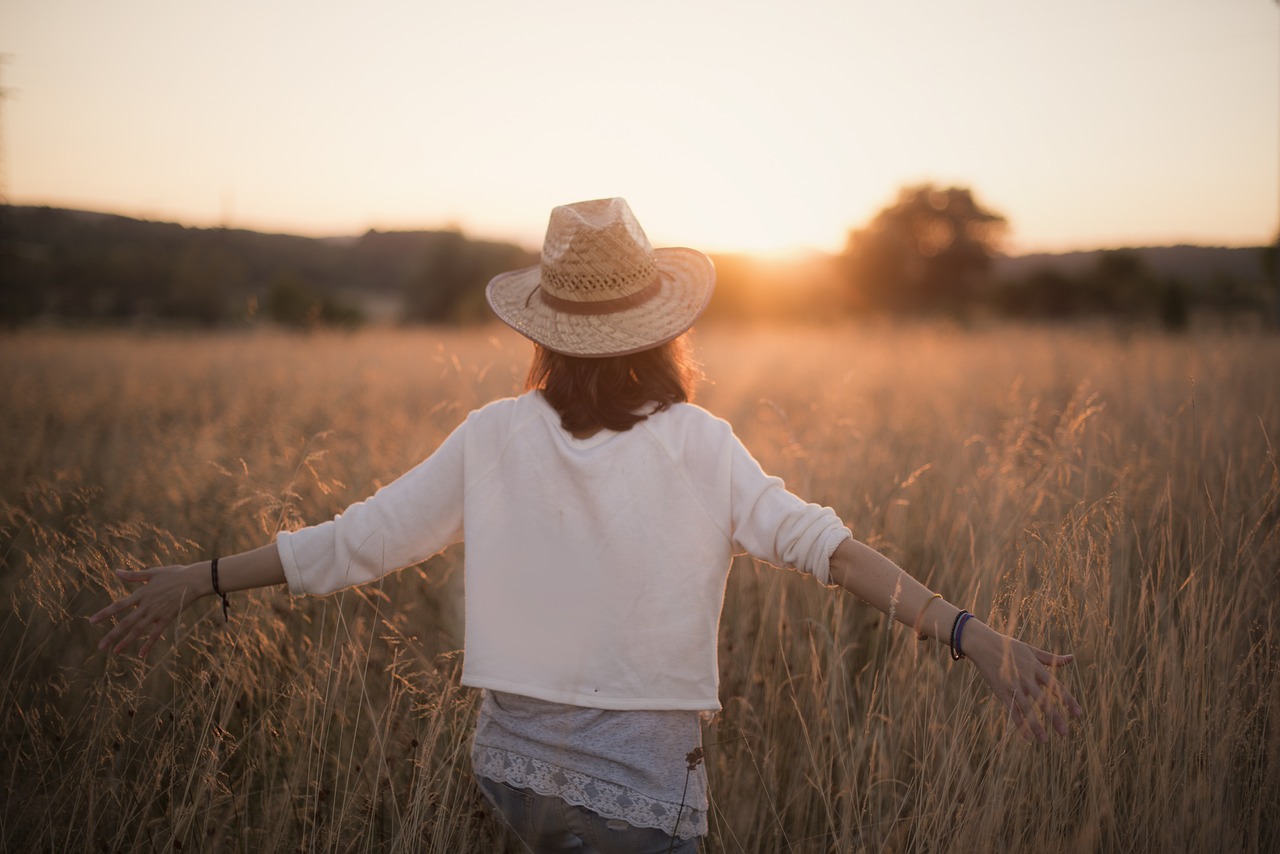
Nothing beats the sheer flexibility of solo travel. Imagine waking up and deciding to spend the day lost in a city market, or booking a last-minute train to a town you’ve never heard of. The 2025 Travel Trends Report found that 75% of solo travelers cherished this freedom most of all. No one’s negotiating over dinner spots or rushing you through a museum. Spontaneity rules, and some of the best adventures happen when plans change at the last minute. I once ended up at a local festival in Spain simply because I wandered down the right street at sunset—a memory I wouldn’t trade for anything.
Money Matters: Why Solo Travel Can Be Cheaper
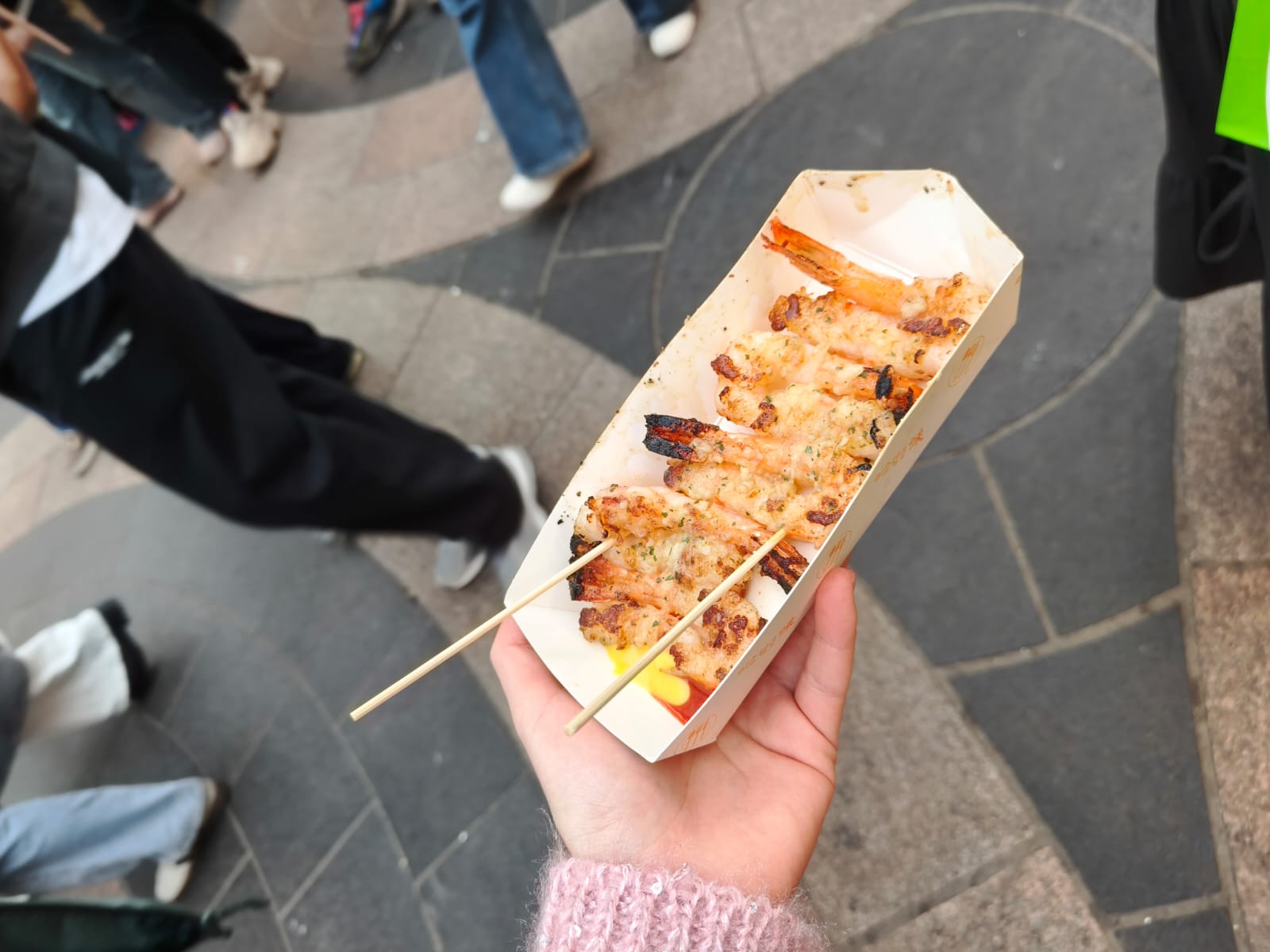
Traveling alone isn’t just freeing; it can be friendlier on your wallet. The Travel Budget Institute’s 2024 analysis revealed that solo travelers often spend less by avoiding expensive group packages and picking budget-friendly stays. You can eat street food, take public transport, or splurge on that one special experience without worrying about group consensus. There are even discounts for single tickets at some attractions. It’s all about control—over your spending, your choices, and your experience. If you’re clever with apps and last-minute deals, you might even travel farther for less.
Tech-Savvy Adventures: How Apps Make It Easier
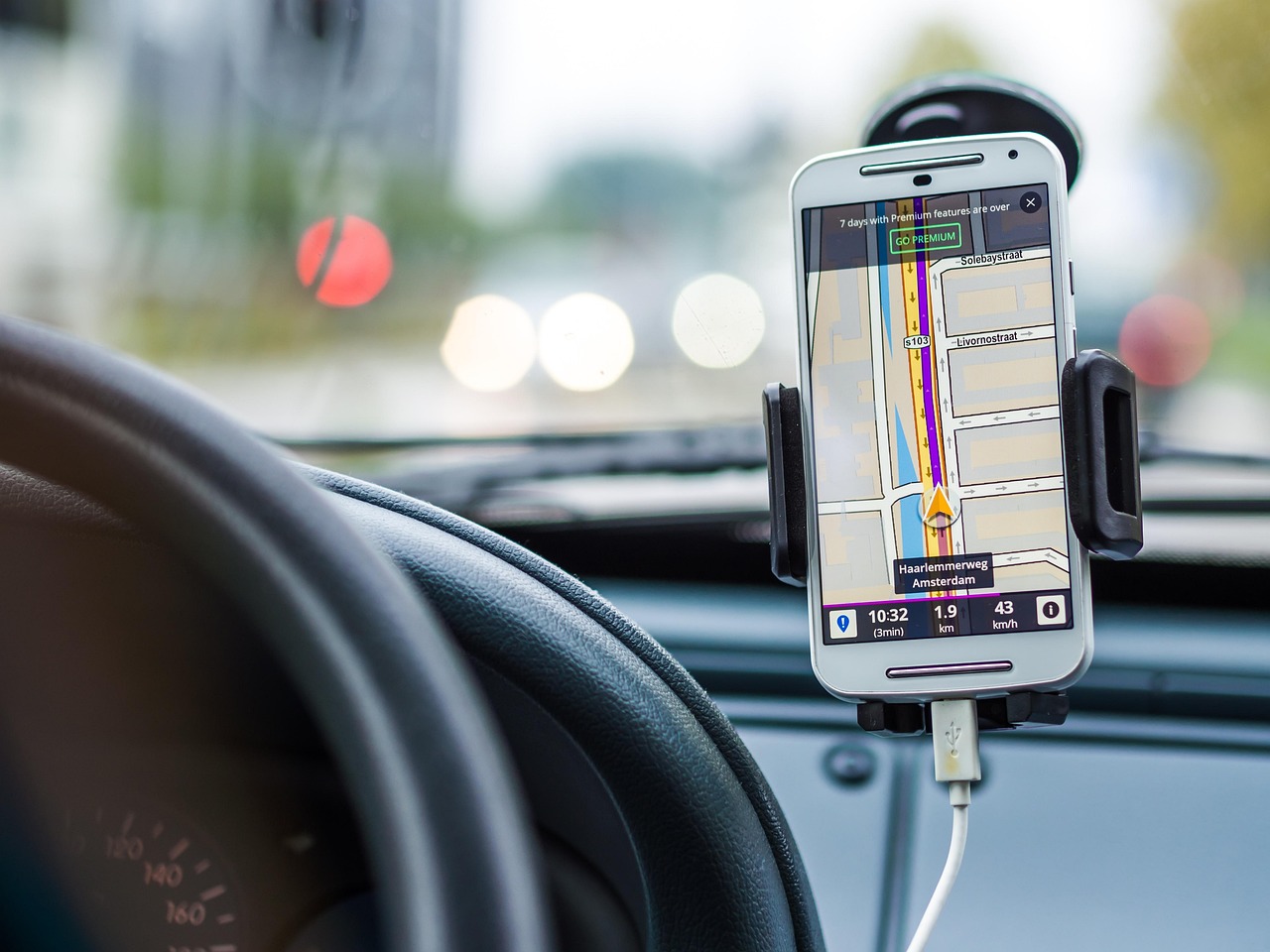
Traveling solo in 2025 is nothing like it was a decade ago, thanks to technology. According to a 2023 Tech in Travel survey, 85% of solo travelers rely on their smartphones for everything from translation to booking last-minute rooms. Navigation apps prevent you from getting lost, ride-hailing keeps you safe, and local guides help you discover hidden gems. There are even apps for meeting other travelers nearby. Technology acts like a digital safety net, giving you the confidence to explore further and deeper. Even if you get stuck, help is just a tap away.
Facing Your Fears: Growth on the Other Side
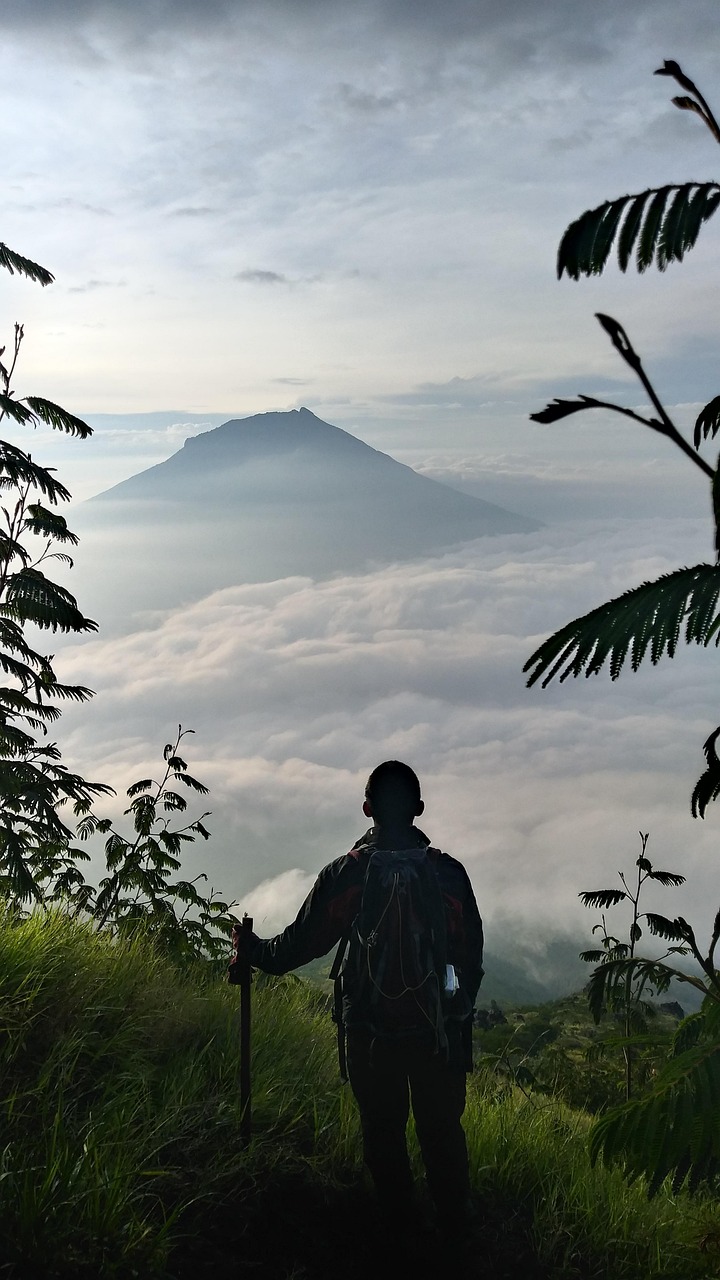
It’s normal to feel nervous before your first solo trip. But a 2024 study by the Anxiety and Travel Institute found that travelers who faced their fears and went solo came back with higher self-esteem and less anxiety. The process of overcoming language barriers, navigating airports, and solving problems builds resilience. Each challenge conquered is proof that you’re more capable than you thought. There’s something deeply satisfying about realizing you can rely on yourself, even in a strange place. That confidence doesn’t just stay on the road—it follows you home.
Breaking Out of the Routine: Rediscovering Wonder
For many, solo travel is the antidote to the everyday grind. The monotony of work, chores, and predictable schedules can drain your sense of wonder. When you travel alone, every day is a blank slate. You choose the pace, the place, and the story. You’re forced out of autopilot, and suddenly the world feels big again. Many solo travelers report feeling more creative and inspired, both during and after their trips. It’s like hitting a mental reset button, reminding you that adventure is always possible—sometimes, you just have to go find it.
Learning to Listen: Tuning In to Yourself—and the World

One overlooked benefit of solo travel is learning to listen—really listen—to yourself and your surroundings. Without friends or family around, your senses sharpen. You notice the rhythms of a city, the kindnesses of strangers, and the small details that make each place unique. Many solo travelers develop new hobbies—photography, sketching, writing—simply because they have the space to slow down and observe. It’s a different kind of education, one no classroom can provide. Over time, you become more attuned to your own needs and desires, which can shape not only your travels but your life back home.
Making Memories: Stories That Are Yours Alone
There’s a special kind of pride in collecting memories that belong only to you. Every solo traveler comes home with a handful of stories—some hilarious, some poignant, all uniquely their own. Whether it’s getting lost in a maze of alleys or sharing a meal with strangers, these moments are souvenirs that can’t be bought. They become part of your identity, little sparks of joy you can revisit any time life feels dull. In a world obsessed with sharing every moment, sometimes the best memories are the ones you keep just for yourself.