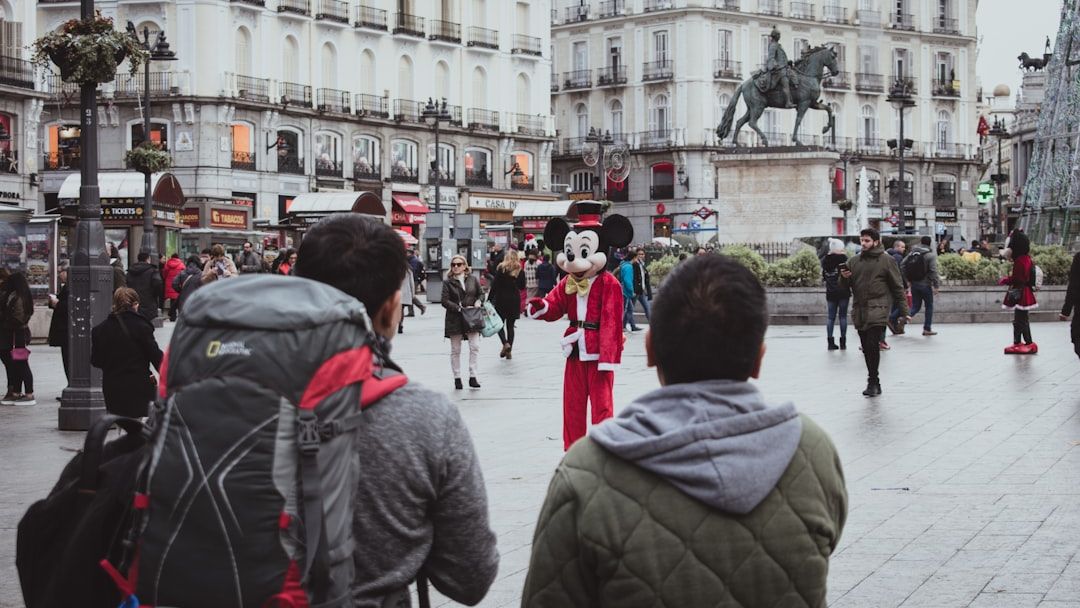

Imagine driving thousands of miles across America’s vast landscapes, chasing those bucket-list spots everyone’s raving about. You arrive pumped, camera ready, only to feel a nagging letdown amid the crowds and commercial chaos. I’ve crisscrossed every state, from Alaska’s wilds to Florida’s keys, and spotted patterns in the hype.
These three cities top my overrated list, packed with tourist traps that promise magic but deliver meh. Stick around as I break down why, backed by fellow travelers’ takes, and point you to real winners nearby.[1][2] Let’s uncover the better paths.
Decoding the Overrated Label
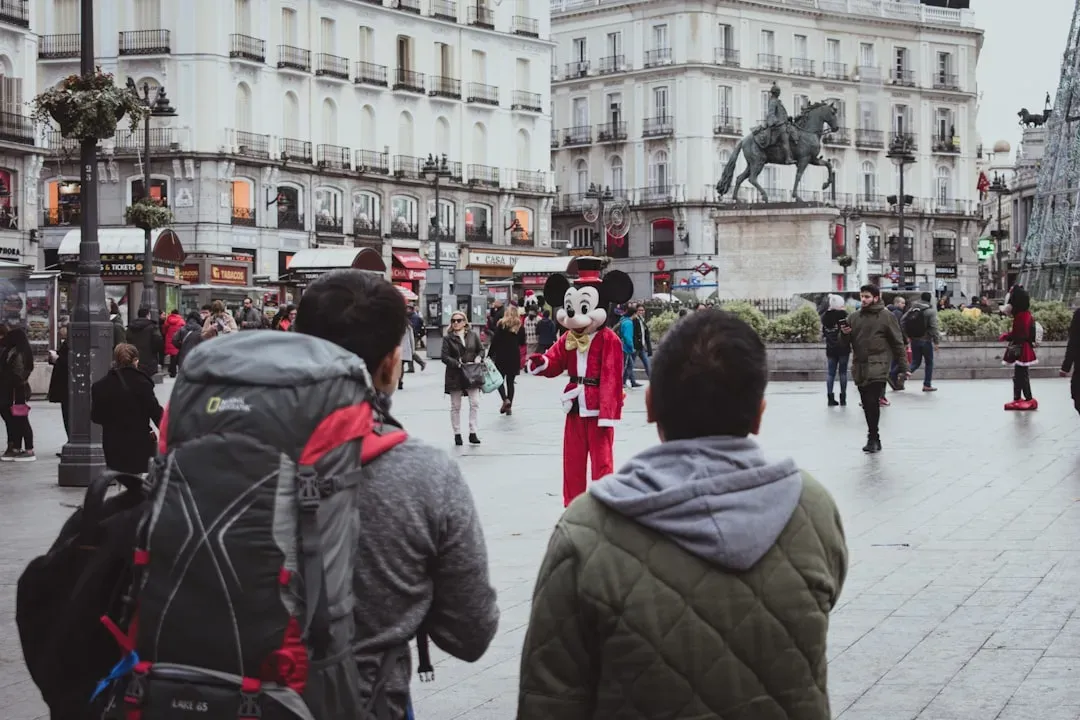
Overrated hits when expectations crash into reality. Think endless lines, sky-high prices, and vibes that feel staged for Instagram. After all 50 states, I judge by authenticity, crowd levels, and lasting memories.
Places shine when locals mix with visitors, not when chains dominate. Here’s the thing: hype from movies and TikTok often skips the soul.[1]
Tourism Trends Shaking Things Up
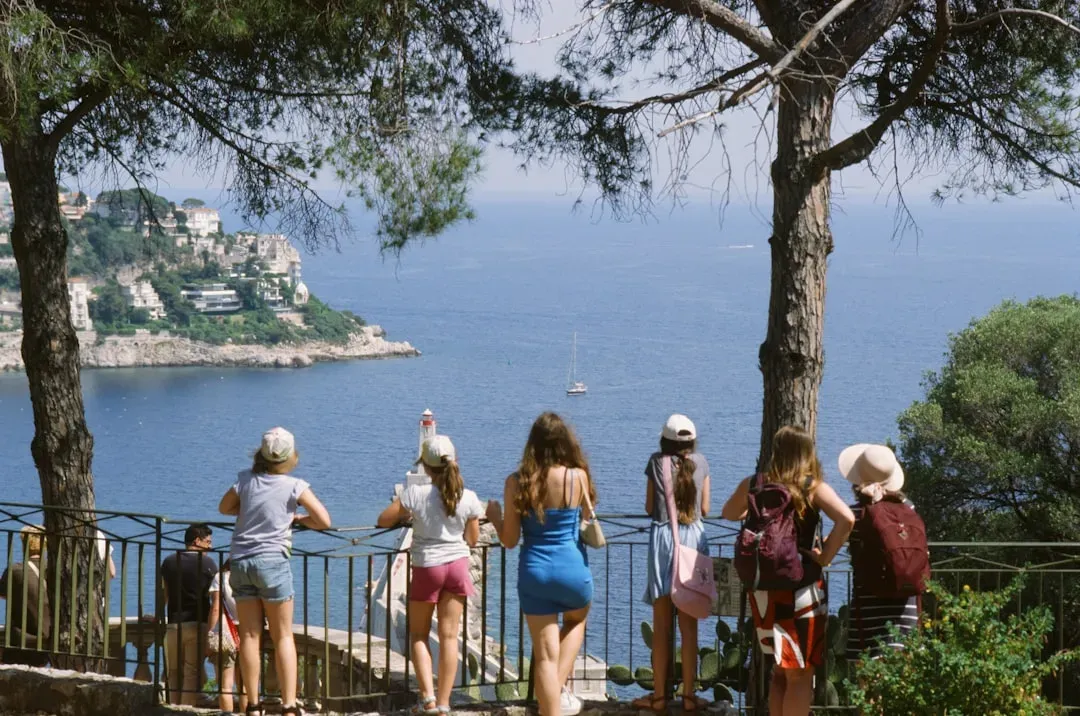
Las Vegas saw the biggest drop in international visitors among major gateways in 2025, down sharply from prior years. Miami and Honolulu followed with slumps tied to weaker Canadian and European travel. These shifts highlight growing fatigue with flash-over-substance spots.
Surveys echo this: travelers now crave uncrowded escapes over neon overload. It’s no shock when satisfaction dips amid rising costs.[3]
Number 3 Most Overrated: New York City
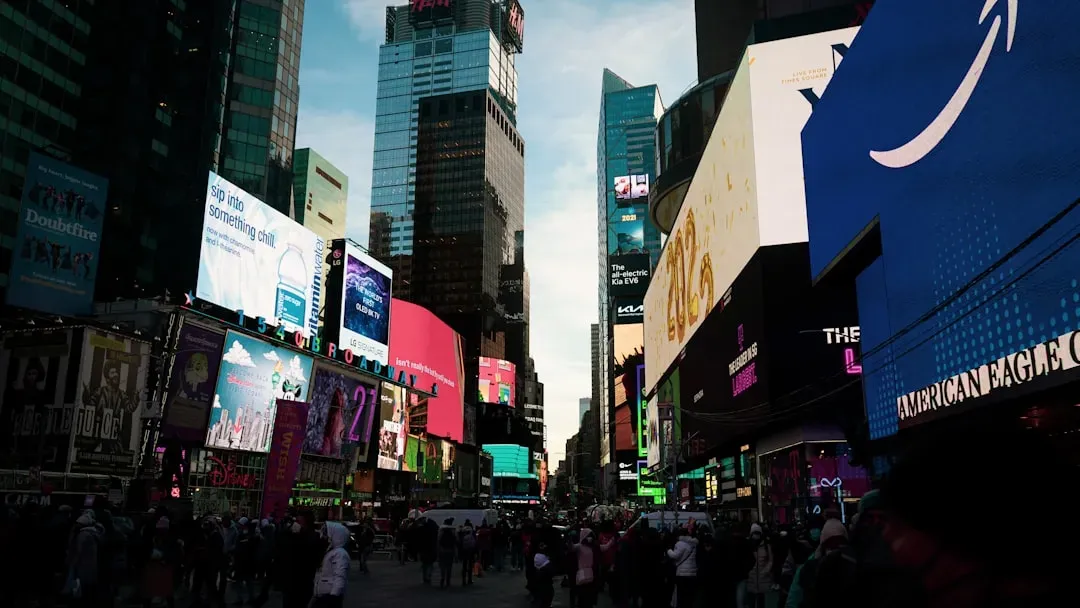
Times Square dazzles in photos, but up close it’s a sensory assault of blaring ads and pushy vendors. I’ve wandered it multiple times, yet it never captures the city’s true pulse. Crowds swallow any charm, leaving you drained rather than delighted.
Fellow all-50-states traveler Emily Hart calls it profoundly overrated, just chain stores and chaos. Honestly, one visit suffices; repeat trips waste precious hours.[1]
NYC Swap: The High Line and Little Island
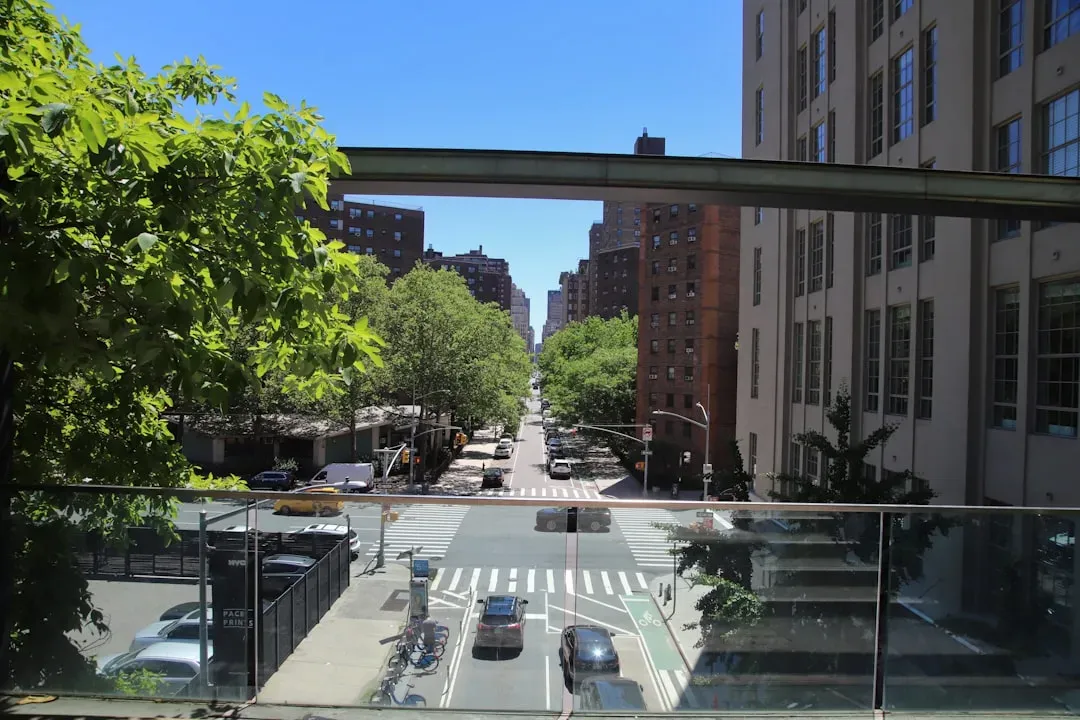
Ditch the square for the High Line, an elevated park weaving through Chelsea with skyline views minus the mobs. Little Island floats in the Hudson, offering quirky art and green space that feels inventive. These spots let Manhattan breathe, blending urban edge with calm.
They’re free or cheap, perfect for a half-day reset. I think this shift reveals New York’s real magic in quieter corners.[1]
Number 2 Most Overrated: Las Vegas
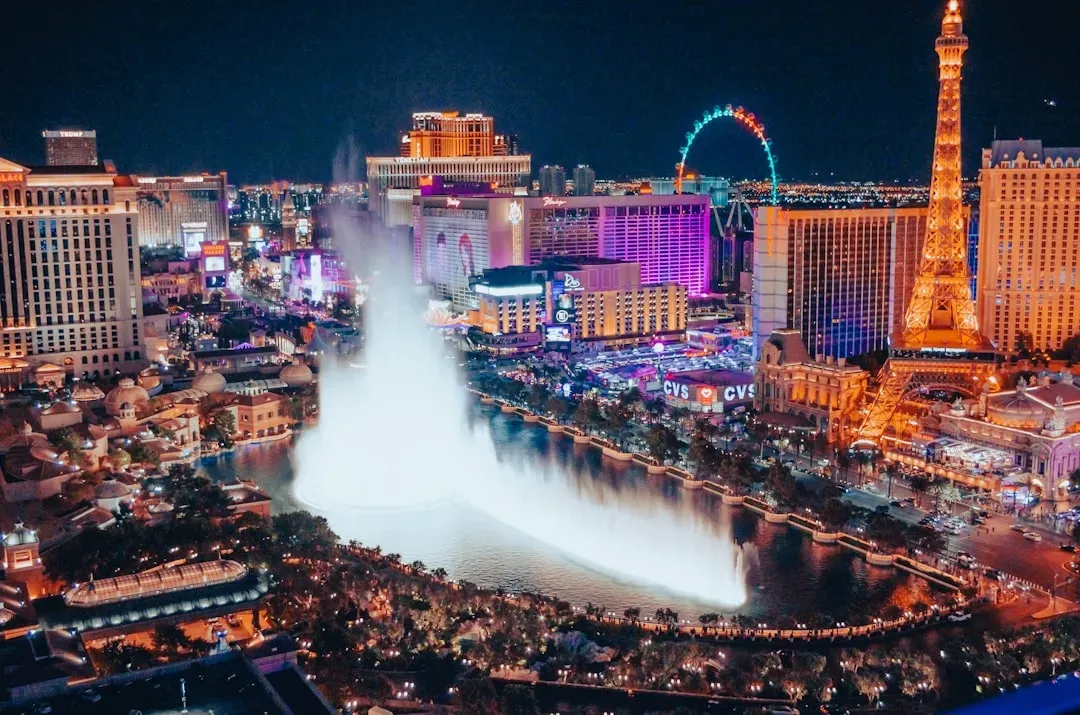
The Strip screams excess with fountains and lights, but its fakeness hits hard after dark. Hot, packed sidewalks lead to casinos sucking in cash without soul. Travelers rant about it feeling like a capitalist trap, dirty and overpriced.
Emily Hart ranks the Strip high on letdowns for that artificial sheen. Recent data shows Vegas tourism cratering, confirming the fade.[1][3][2]
Vegas Better Pick: Red Rock Canyon
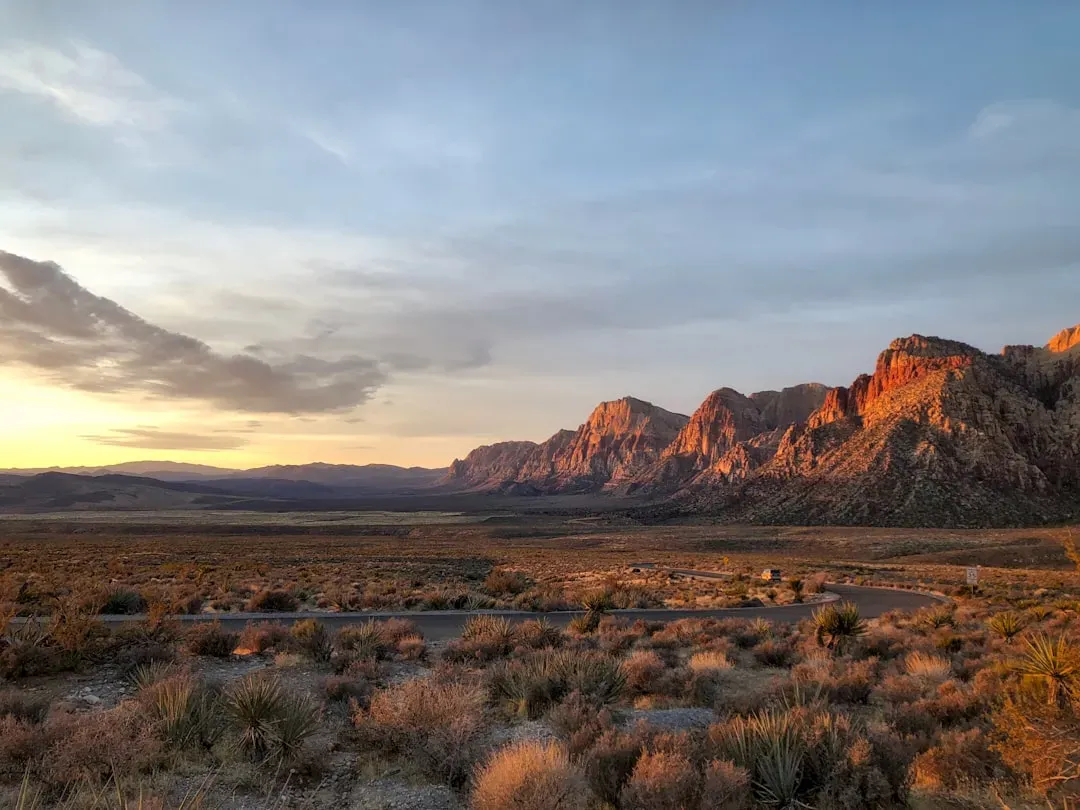
Just minutes away, Red Rock Canyon trades neon for red sandstone cliffs and hiking trails. Sunrise hikes reveal dramatic vistas without the hangover crowds. It’s nature’s casino, with loops for all levels and picnic spots galore.
Fremont Street offers old-school lights if you crave neon lite. This combo gives Vegas’s thrill minus the burnout. Trust me, the silence out there sticks longer.[1]
Number 1 Most Overrated: New Orleans
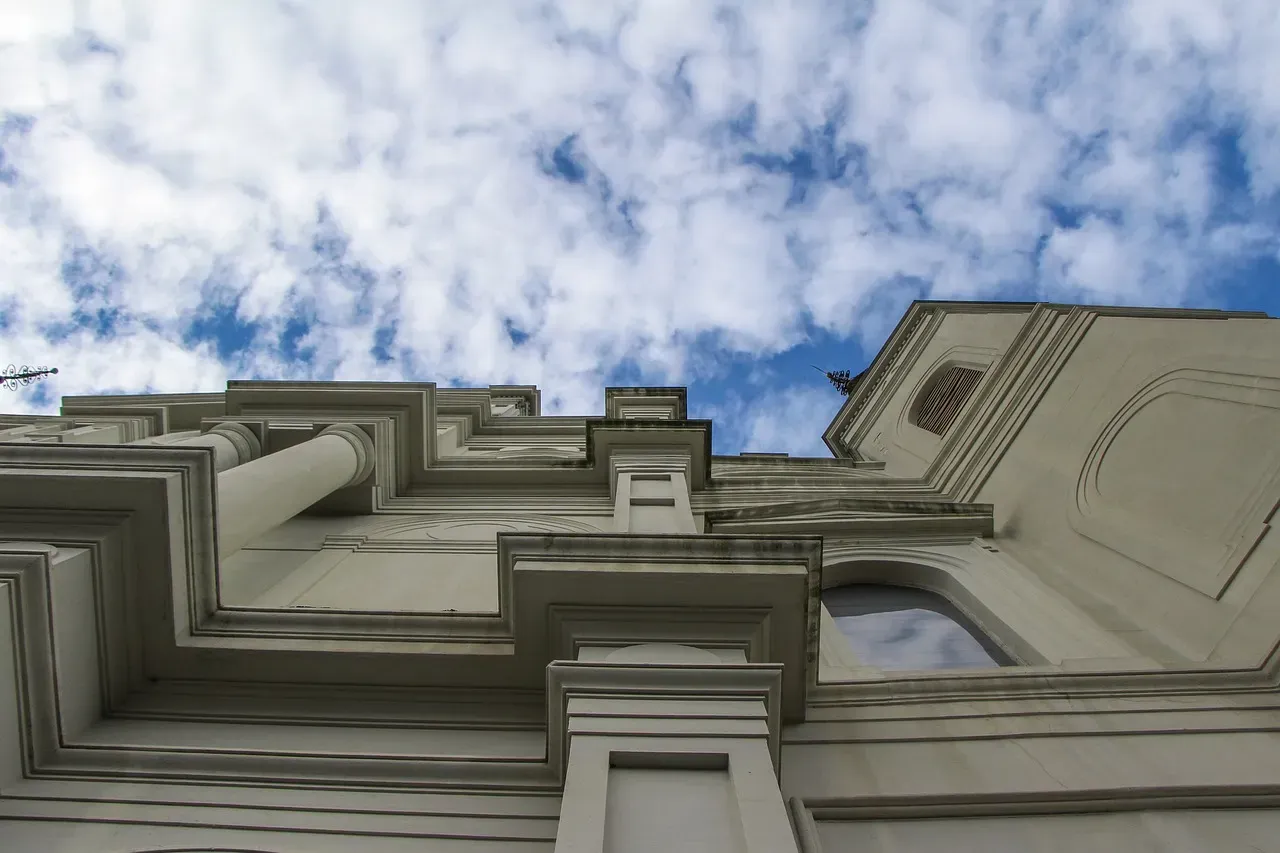
Bourbon Street defines party central, yet daytime it’s sticky trash heaps, nighttime a drunken blur. It barely scratches NOLA’s jazz soul or food scene. Overrun tourists miss the depth, turning icons into caricatures.
Hart nails it: crowds overwhelm, not representing true culture. Reddit threads pile on, calling it a one-note letdown.[1][2]
NOLA Upgrade: Frenchmen Street
Frenchmen Street pulses with live brass bands in intimate clubs, locals dancing alongside fans. Dive into po’boys at hidden joints without the frat-party vibe. It’s gritty, genuine, and free-flowing till dawn.
This strip captures NOLA’s heart, far from Bourbon’s excess. Evenings here feel like stumbling into a family jam session. You’ll leave humming real tunes.[1]
Echoes from Fellow Road Warriors
Americans on Reddit and BuzzFeed slam Vegas as hot drunk-tourist hell, LA as tourist-unfriendly sprawl. Austin and Miami get shade for hype without payoff. Patterns scream overtourism fatigue across lists.
Even in 2026, opinions hold: authenticity trumps billboards. These voices mirror my miles logged.[4][2]
Smarter Paths Forward
Skip the scripts, chase locals’ favorites for trips that linger. Pair big names with nearby escapes for balance. My all-states odyssey proves underrated spots spark the best stories.
Next road trip, reroute to these alts. What overrated spot burned you? Share below.[1]