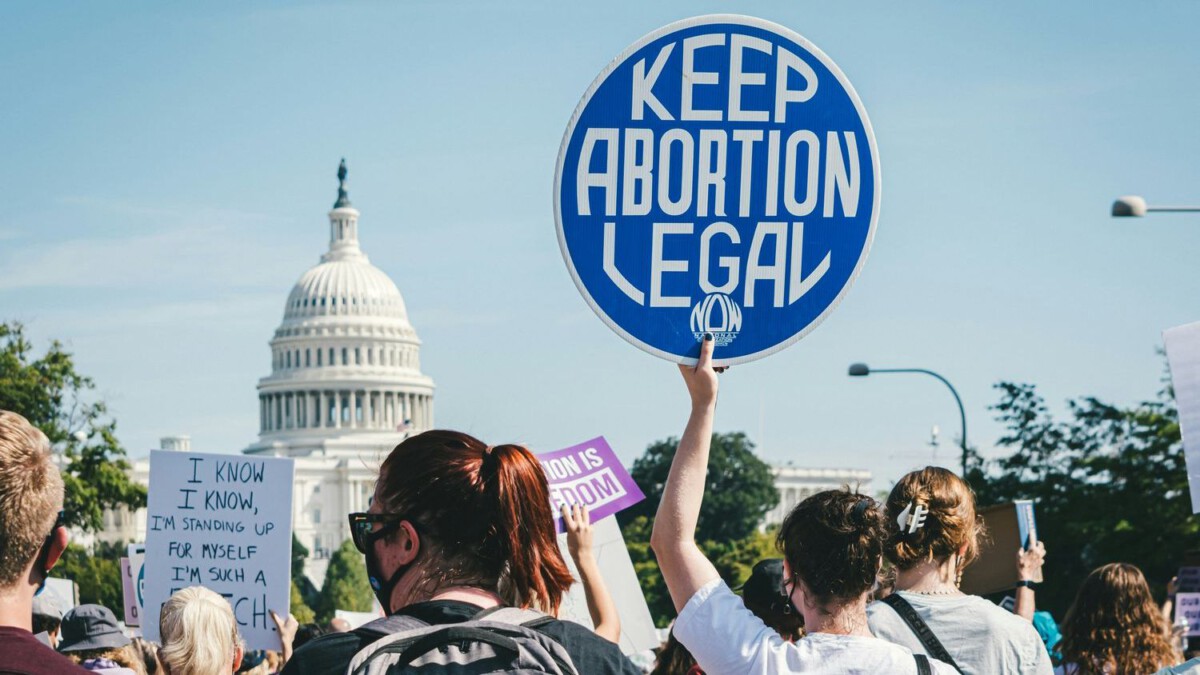
Court ruling prohibits a quarter of all abortions in the US – Image for illustrative purposes only (Image credits: Unsplash)
For millions of American women, obtaining abortion medication just became far more complicated. A federal appeals court decision now blocks the mailing of mifepristone, the most widely used drug for ending pregnancies, requiring patients to pick it up in person instead. This change strikes at a key workaround that emerged after the Supreme Court’s 2022 ruling overturned Roe v. Wade, affecting roughly a quarter of all abortions nationwide that relied on telehealth prescriptions shipped across state lines.
Details of the Sweeping Decision
The Fifth Circuit Court of Appeals, based in New Orleans, delivered the ruling through a three-judge panel. All three judges had been appointed by Republican presidents. The decision imposes a nationwide prohibition on sending mifepristone prescriptions through the mail, overturning previous practices that allowed delivery after telehealth consultations.
Mifepristone, once known as RU-486, works in combination with another drug, misoprostol, to terminate early pregnancies. It has long been the leading method for medication abortions in the United States. Prior to this, women in states with strict abortion laws could consult doctors remotely and receive the pills discreetly by mail, bypassing local restrictions.
Human Impact in a Divided Landscape
Abortion remains illegal or heavily restricted in much of the country, particularly across the Southeast, with narrow exceptions for cases like medical emergencies. Women in rural areas or those without easy access to clinics now face significant hurdles. A patient in rural Washington, for instance, might need to take time off work, arrange childcare, and drive hours just to collect a pill she could previously receive at home safely.
Democratic Senator Patty Murray highlighted this burden, noting that even women managing miscarriages could endure added trauma from mandatory travel during vulnerable moments. The shift disrupts not only elective procedures but also essential care, amplifying logistical and emotional strains for those already navigating limited options.
Sharp Divide in Political Reactions
Critics swiftly condemned the ruling as an overreach. Democratic Senator Elizabeth Warren called it a move by a “conservative court packed with Trump-appointed judges,” straight from an anti-abortion agenda. She emphasized the drug’s established safety and effectiveness profile.
On the other side, supporters praised it as protective. Republican Senator James Lankford argued the Biden administration had weakened safeguards, endangering women, and viewed the decision as a corrective step. Louisiana Attorney General Liz Murrill labeled it a “victory for life,” claiming it halted what she described as unchecked mail-order distribution.
- Democrats: Focus on access barriers and patient rights.
- Republicans: Stress safety concerns and regulatory restoration.
Next Steps and Nationwide Reach
Though the case originated in Louisiana, the ban applies across the entire United States. This broad scope ensures uniform enforcement, regardless of state laws. Legal experts anticipate an appeal to the Supreme Court, where the issue could reshape medication abortion protocols once more.
Clinics and telehealth providers must now adapt quickly, potentially overwhelming in-person services in permissive states. Patients in restrictive regions may travel farther or delay care altogether. The ruling underscores ongoing tensions in reproductive health policy, with practical consequences rippling through everyday lives.
As challenges mount in courts ahead, women weigh new realities: longer journeys for care, heightened privacy risks, and uncertain futures for a medication central to modern abortion access. The decision leaves many bracing for prolonged uncertainty in a landscape already fractured by state-by-state divides.