
The Texas economy, a powerhouse in the United States, now stands at a crossroads, grappling with an unexpected challenge. New tariffs on Mexican goods have been introduced, sending ripples of concern through businesses and consumers alike. The relationship between Texas and Mexico has long been a cornerstone of the state’s economic success, making this development particularly alarming. As we delve into the intricacies of this issue, the implications become clearer, demanding attention and action.
Overview of Texas-Mexico Trade Relations

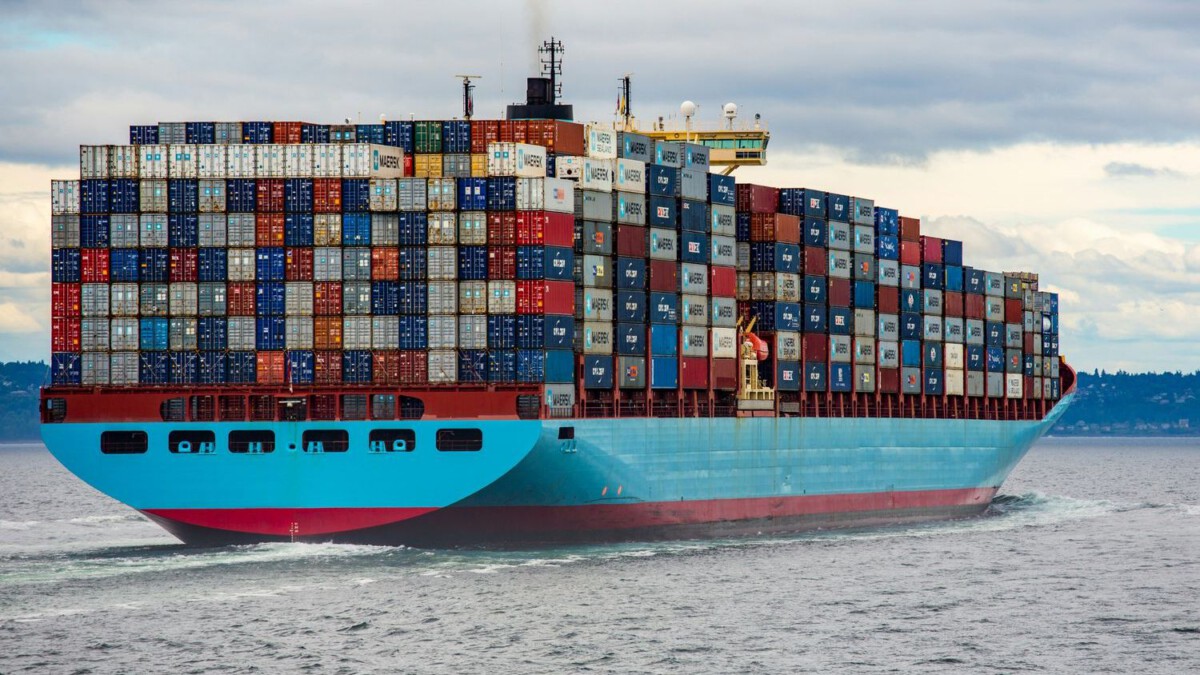
Texas and Mexico have enjoyed a symbiotic trade relationship, exchanging billions of dollars’ worth of goods every year. In 2022 alone, Texas exported around $112 billion in goods to Mexico, solidifying its position as Texas’s largest trading partner. The products exchanged span a wide range, from machinery and electronics to agricultural produce. This trade not only supports businesses but also provides employment to countless Texans. However, the imposition of tariffs threatens to disrupt this harmonious exchange. With increased costs looming, businesses and consumers may soon feel the pinch.
Impact of Tariffs on Texas Businesses

For many Texas businesses, the new tariffs could be a game-changer, and not in a good way. Companies across various sectors, including manufacturing, construction, and retail, may find themselves grappling with higher costs for imported goods. Raw materials and finished products sourced from Mexico could see price hikes, squeezing profit margins. Small businesses, in particular, may bear the brunt, struggling to absorb these added expenses. The ripple effect could lead to layoffs, closures, and a significant re-evaluation of business strategies.
Consumer Prices on the Rise
As businesses face increased costs, it’s the consumers who ultimately foot the bill. Texans may soon find themselves paying more for everyday items like electronics, clothing, and food. This inflationary pressure can stretch household budgets, forcing families to make difficult choices. Reduced consumer spending could impact local economies, creating a vicious cycle of economic slowdown. The question remains: how will Texans adapt to these changes in their daily lives?
Agricultural Sector at Risk

Texas’s agricultural sector is a vital component of its economy, and it’s particularly vulnerable to these new tariffs. Many farmers rely heavily on exports to Mexico for their livelihoods. Should Mexico retaliate with its own tariffs, the export of Texas staples like beef, cotton, and corn could face severe challenges. The repercussions would extend beyond the farms, affecting rural communities dependent on agriculture for jobs and income. The stakes are high, and the future uncertain.
Potential Job Losses

The looming uncertainty of tariffs casts a shadow over Texas’s job market. Industries deeply intertwined with Mexican trade might be forced to downsize or even relocate, driven by increased costs and dwindling demand. The Texas Workforce Commission has already voiced concerns about potential job losses if these tariffs persist. For regions already struggling with employment issues, this could exacerbate an already challenging situation, leading to a more competitive job market.
Government Response and Policy Measures

In response to the economic turmoil, Texas lawmakers are exploring various policy measures to cushion the blow. Potential solutions include tax relief for affected industries and support programs for workers displaced by these changes. However, the effectiveness of these measures remains to be seen, as the situation is still unfolding. Policymakers must act swiftly and decisively to protect Texas’s economic interests and its citizens’ livelihoods.
The Role of NAFTA and USMCA

The North American Free Trade Agreement (NAFTA) and its successor, the United States-Mexico-Canada Agreement (USMCA), have played crucial roles in shaping Texas’s trade landscape. These agreements were designed to facilitate trade and reduce barriers among North American countries. The introduction of new tariffs could undermine these benefits, potentially leading to increased tensions and calls for renegotiations. The stability and future of these agreements are now under scrutiny.
Long-term Economic Outlook
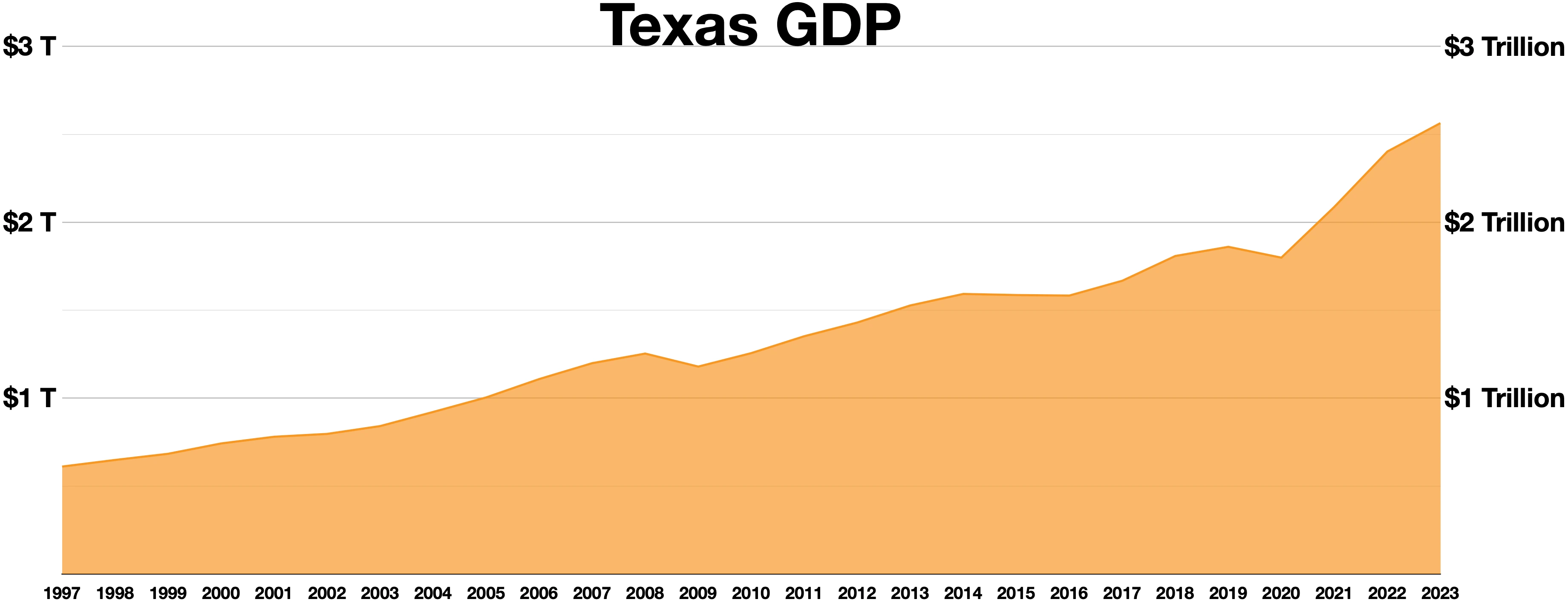
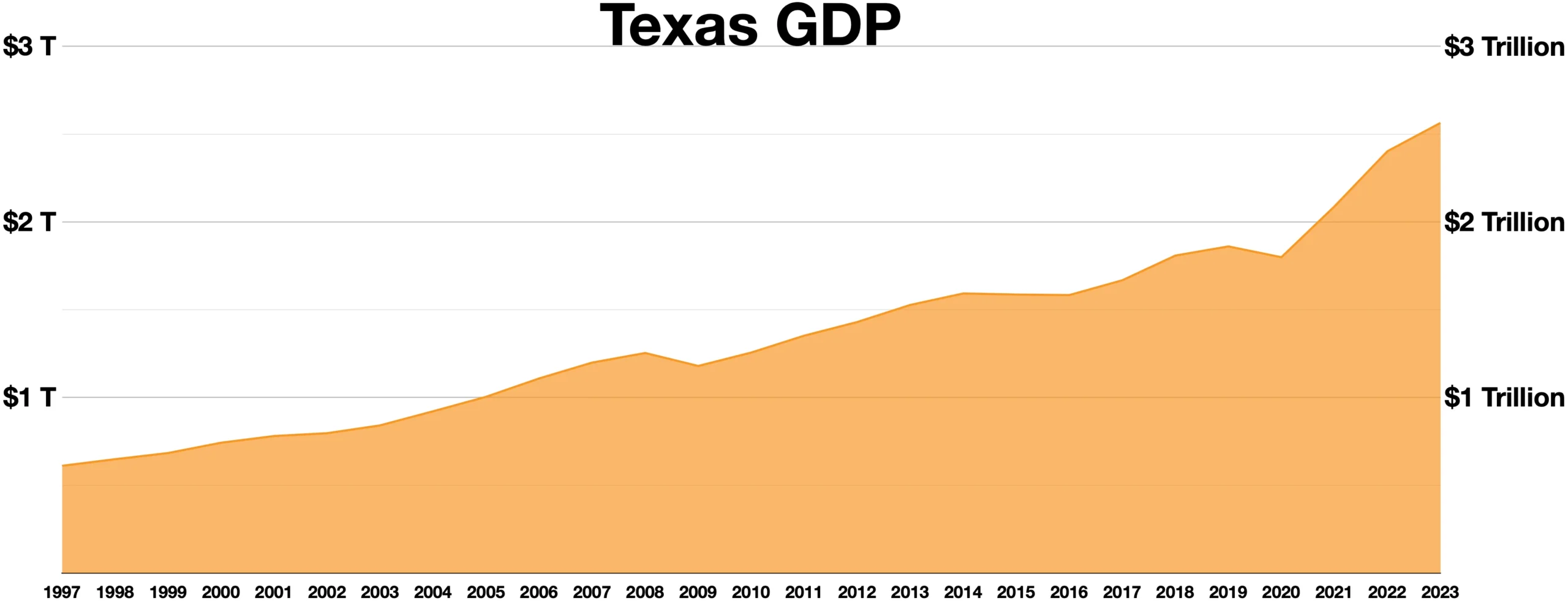
The long-term outlook for Texas’s economy amid these new tariffs is shrouded in uncertainty. While some analysts believe the economy will eventually adjust, others warn of lasting repercussions on growth and employment. The state’s ability to adapt will hinge on several factors, including business resilience and government intervention. As Texas navigates these uncharted waters, the path forward remains uncertain, with potential challenges and opportunities alike.
Conclusion

The implementation of new tariffs on Mexican goods presents a formidable challenge for the Texas economy. From rising consumer prices to potential job losses, the implications are profound and far-reaching. As businesses and policymakers grapple with this new reality, the importance of vigilance and proactive measures cannot be overstated. The future of Texas’s economic prosperity depends on how effectively the state can respond to these evolving trade dynamics.