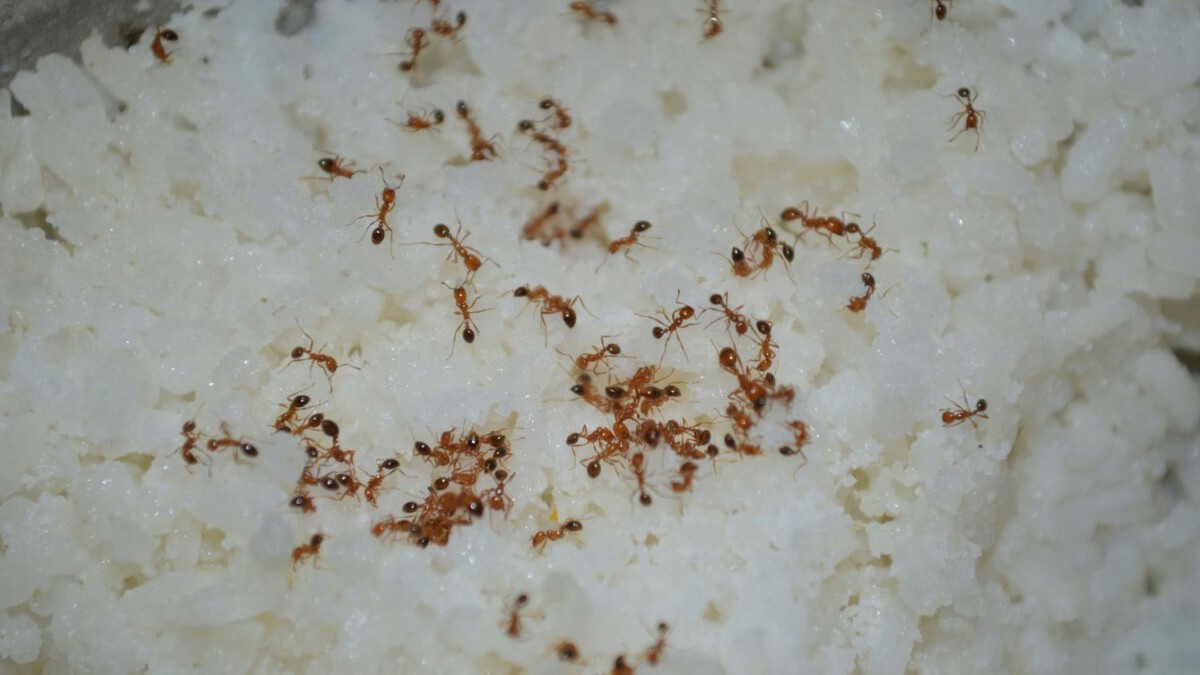
The Unsettling Unboxing (Image Credits: Unsplash)
A San Francisco woman expected a routine addition to her pantry when she received two bags of brown rice from Amazon. What she uncovered instead prompted immediate revulsion: live insects crawling amid the grains. “There were things wiggling in it!” she exclaimed upon making the discovery. Such incidents underscore vulnerabilities in online food supply chains, where consumers rely on distant fulfillment centers for everyday staples.
The Unsettling Unboxing
The woman had placed a standard order for brown rice, a popular choice for its nutritional profile and versatility in meals. Upon arrival, the sealed bags appeared normal from the outside. She proceeded to open them for storage, only to notice unusual movement within the rice itself.
Details emerged quickly as she inspected closer. The insects, described as small and active, had infiltrated the product before it reached her door. This case mirrors reports from other shoppers who have encountered similar issues with bulk grains purchased online.[1][2]
Identifying the Likely Culprits
Rice weevils rank among the most frequent invaders in stored grains. These tiny beetles, smaller than a grain of rice, feature a distinctive snout and dark reddish-brown bodies. Females lay eggs directly inside individual kernels during processing or storage, allowing larvae to develop undetected.[3][4]
Once hatched, the larvae consume the grain from within, emerging as adults ready to spread. Brown rice proves particularly susceptible due to its bran layer, which offers more nourishment than polished white varieties. Shoppers often spot the adults only after unpacking, as eggs remain invisible to the naked eye.[5]
How Pests Enter the Supply Chain
Infestations typically originate far from the consumer’s kitchen. During harvesting, milling, or warehousing, a single female weevil can compromise an entire batch by depositing eggs in grains. Even sealed packaging fails to provide foolproof protection, as adults chew through thin plastic or cardboard.[3]
Online retailers like Amazon aggregate products from multiple suppliers, increasing exposure risks. Bulk shipments stored in humid warehouses accelerate egg hatching and larval growth. The San Francisco incident highlights how these factors converge, turning a simple delivery into a potential health concern.[6]
Prevention Strategies for Home Pantries
Consumers can take proactive measures to safeguard their purchases. Freezing newly arrived rice for 48 hours kills eggs and larvae effectively, a step recommended by pest experts. Transfer grains to airtight glass or metal containers immediately after thawing to block adult entry.[7][3]
Regular pantry inspections reveal early signs like webbing or powdery residue. Placing bay leaves or diatomaceous earth near storage areas deters weevils naturally, as they avoid these scents and textures. Opting for smaller packages reduces waste if contamination occurs.
- Inspect bags for holes or damage before purchase.
- Freeze all bulk grains upon receipt.
- Use sealed containers, avoiding thin plastics.
- Store in cool, dry locations away from heat sources.
- Check nearby items if one product shows signs of pests.
Immediate Actions and Broader Implications
Anyone finding insects should discard the affected rice without hesitation to prevent spread. Document the issue with photos and contact the retailer for a refund or replacement – Amazon’s policy typically covers such defects. Cleaning the pantry thoroughly follows, using vinegar solutions on shelves to eliminate residues.[1]
While not typically harmful if ingested accidentally, these pests compromise food quality and signal lapses in supplier hygiene. For families relying on affordable online groceries, this serves as a call to vigilance. Enhanced scrutiny from buyers may push platforms toward stricter vendor standards, benefiting millions of households nationwide.
As e-commerce dominates grocery shopping, stories like the San Francisco woman’s remind us that pantry invaders lurk in unexpected places. Simple habits now can spare future headaches, ensuring meals remain safe and enjoyable.