

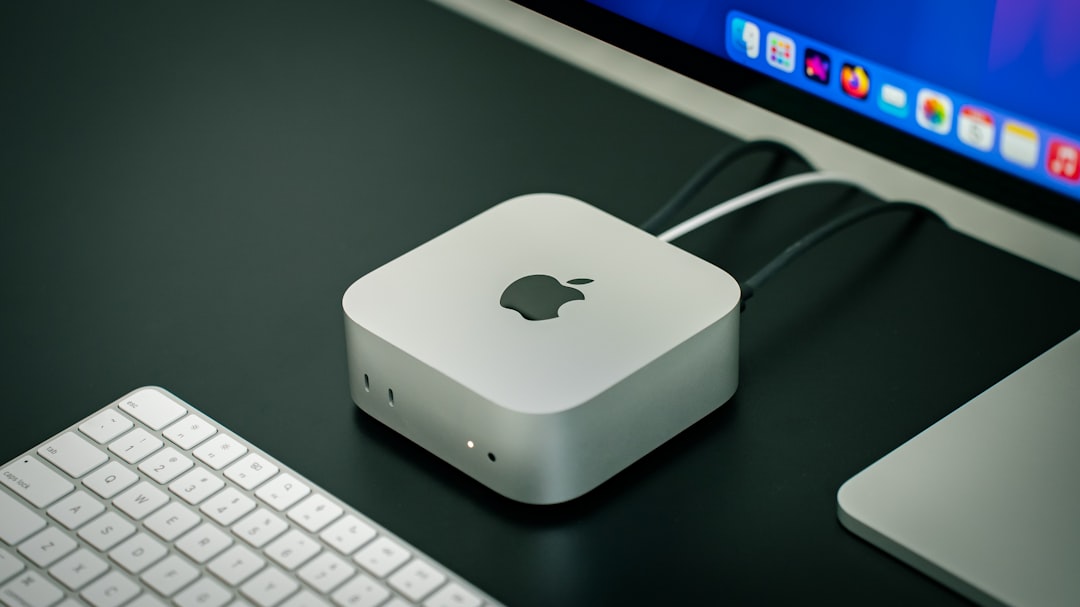
OpenClaw Captures the Imagination of Tech Builders (Image Credits: Unsplash)
Apple’s unassuming Mac mini has surged back into the spotlight. Longtime fans and newcomers alike have driven demand for the compact $599 desktop sky-high. Developers and AI enthusiasts favor it for running sophisticated autonomous agents such as OpenClaw, leading to delivery estimates that stretch as long as 10 weeks for popular configurations.[1][2]
OpenClaw Captures the Imagination of Tech Builders
A new open-source project called OpenClaw has ignited widespread interest among programmers and hobbyists. This self-hosted AI assistant operates as an autonomous agent capable of handling tasks like file management, coding assistance, and even proactive updates. Users deploy it to create personal AI helpers that run continuously without relying on expensive cloud subscriptions.[3]
The tool’s appeal lies in its flexibility. It orchestrates interactions with various AI models while storing conversations locally for unlimited recall. Developers reported setting up dedicated machines to let OpenClaw manage workflows around the clock, from sorting design files to automating backups. This hands-off capability has turned heads in tech communities.[4]
Mac Mini Emerges as the Ideal Platform
Apple’s Mac mini stands out for this surge due to its potent Apple silicon chips. The M4 models deliver efficient performance for AI workloads, with unified memory configurations that suit memory-intensive agents. At a starting price of $599, the base unit with 16GB RAM proves sufficient for many OpenClaw users, though upgraded versions see the heaviest demand.[5]
Enthusiasts praise the desktop’s compact form factor and low power draw, making it perfect for always-on setups. Setup guides proliferated online, detailing how to configure a Mac mini with dedicated accounts for seamless integration into daily tasks. One common approach involved linking it to iCloud for access to native apps like Notes and Calendar. Reliability emerged as a key factor, with the hardware handling 24/7 operations without excessive heat or noise.[6]
Supply Strains Reveal Unexpected Bottlenecks
Higher-memory Mac minis bore the brunt of the frenzy first. Configurations with 24GB or 32GB unified memory faced waits of two to three weeks by mid-February. Demand escalated further, pushing some models to six weeks and beyond, particularly those with 48GB RAM.[1][7]
A broader memory chip shortage compounded the issue later in the spring. U.S. Apple Store listings showed estimates up to four or five months for select Mac mini and Mac Studio builds. Base models shipped faster, often within days, but upgrades triggered the longest delays. Analysts noted the pattern favored AI-optimized specs, underscoring the trend’s origins.[8][9]
| Configuration | Typical Wait Time |
|---|---|
| Base M4, 16GB RAM | 1-2 weeks |
| M4, 24-32GB RAM | 2-6 weeks |
| M4 Pro, 48GB+ RAM | 10-12 weeks |
What Fuels the Mac Mini’s AI Renaissance?
Several factors explain the model’s popularity in this niche. Privacy concerns drive users away from cloud-dependent services, favoring local execution where possible. Cost savings add appeal, as OpenClaw eliminates recurring API fees after the initial hardware purchase.
- Powerful GPU cores in M4 chips accelerate AI inference.
- Compact design suits home offices or dedicated agent stations.
- Seamless macOS integration enables automation across apps.
- Energy efficiency supports round-the-clock use.
- Strong community support with tailored setup tutorials.
Tech forums buzzed with success stories, from developers replacing virtual assistants to creators streamlining content pipelines. The Mac mini’s longevity – dating back two decades – contrasts sharply with its sudden star status.
Key Takeaways
- OpenClaw’s autonomous features demand reliable, memory-rich hardware like upgraded Mac minis.
- Shipping delays highlight vulnerabilities in Apple’s component supply amid niche booms.
- Affordable entry point positions the Mac mini as a gateway for AI experimentation.
Apple’s veteran desktop has transformed into an essential tool for the AI era. As demand persists, potential buyers weigh patience against alternatives. What do you think about this surge – will it reshape Apple’s lineup? Tell us in the comments.