

U.S. population growth has hit a snag lately. Between 2024 and 2025, the national rate dipped to just 0.5 percent, down sharply from the year before. Much of this stems from a plunge in international migration, which dropped by more than half, leaving many areas that relied on newcomers scrambling.
Suburbs once seen as safe havens are feeling the pinch too. Net domestic outmigration means more folks packing up for cheaper spots in the South, while high costs and shifting work patterns empty out others. Recent Census Bureau estimates paint a stark picture of five suburban counties shedding residents at paces not seen in years.
Pinellas County, Florida

(Original source: This image is from the FEMA Photo Library (obsolete as of 2019).An archived copy may be found at the Wayback Machine (note: link may be permanently dead, as not all photos were backed up in this way).If the FEMA link is permanently dead, the photo can be found at NARA Access to Archival Databases (only works if photo was taken between 1989 and October 2004), or at City-data.com.), Public domain)
This Tampa Bay suburb lost nearly 12,000 residents from mid-2024 to mid-2025, one of the biggest numeric drops nationwide. Hurricanes Helene and Milton battered the area, speeding up an outflow already underway from rising insurance costs and flood risks. Local leaders note empty homes lining once-bustling streets, with families heading inland or out of state for stability.
Domestic migration turned negative here, as younger workers chase jobs elsewhere amid a cooling real estate market. The county’s growth stalled completely, reversing years of steady gains from retirees. Schools report lighter enrollments, and businesses worry about sustaining services as the population thins.
Orange County, California

Orange County suburbs shed over 8,500 people in the latest year, bucking the metro area’s past boom. Sky-high housing prices, now averaging well into seven figures for homes, push families toward more affordable Sun Belt spots. Remote work has untethered residents, letting them flee traffic and taxes without losing jobs.
Census data shows net domestic losses compounding reduced international arrivals. Neighborhoods once packed with young professionals now see for-sale signs linger longer. Community centers and shops feel the quiet, with some chaining doors earlier as foot traffic fades.
Ventura County, California

Northwest of Los Angeles, Ventura County dropped 2,580 residents between 2024 and 2025. Commuter fatigue from long drives to LA jobs has many rethinking the suburban dream. Escalating rents and home values, coupled with wildfire threats, accelerate the exodus to places like Idaho or Texas.
The area grapples with negative natural increase too, as births lag deaths in an aging population. Local real estate agents report more listings than buyers, stalling development. Parks and malls that defined family life sit underused, signaling a shift in daily rhythms.
San Diego County, California

This sprawling suburb lost more than 5,000 residents in the past year, hitting coastal enclaves hardest. Military dependents rotate out, while tech workers lured by lower costs elsewhere thin the ranks. Border dynamics and a dip in international migration hit service sectors reliant on newcomers.
High living expenses squeeze middle-class families, prompting moves to inland valleys or beyond. Enrollment dips strain schools, and traffic eases on freeways once clogged at rush hour. The vibe feels less vibrant, with some neighborhoods echoing quieter times.
Dallas County, Texas
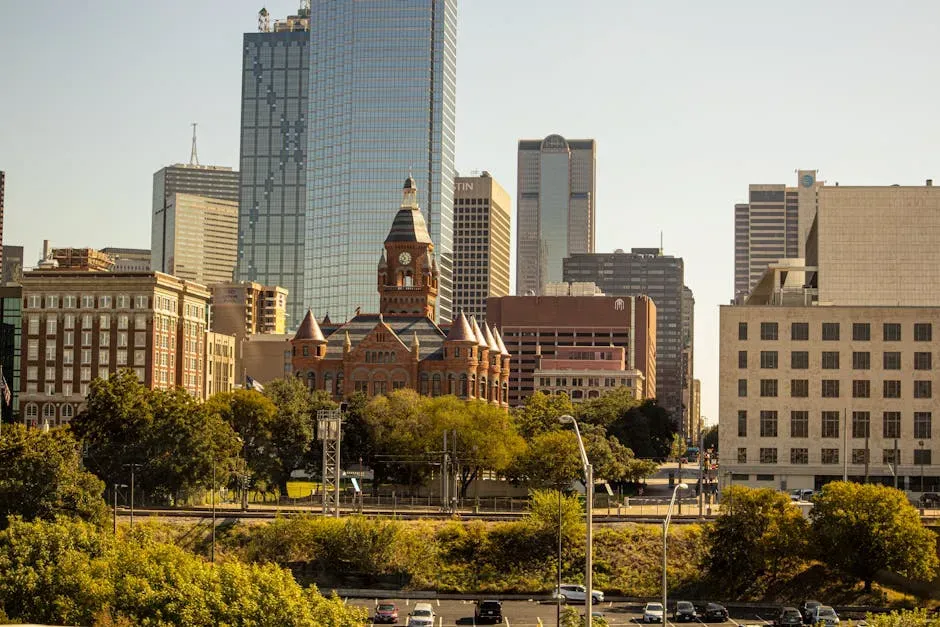
Central Dallas suburbs in the county shed about 2,600 people from 2024 to 2025, even as outer rings boom. Urban core appeal wanes against cheaper exurban housing, drawing young families away. Job shifts favor remote setups, reducing the pull of proximity to downtown offices.
County officials highlight a mismatch between outflows and lagging inflows from abroad. Historic districts see vacancies rise, impacting local eateries and shops. While the metro thrives overall, this pocket underscores uneven growth patterns reshaping the region.
These trends signal broader shifts in where Americans choose to live. Affordability, climate risks, and work flexibility drive the changes, hitting once-thriving suburbs hard. As migration patterns evolve, communities must adapt to sustain what drew people there first.