
1. Alaska Handles Over 50% of All U.S. Earthquakes
Alaska experiences more earthquakes than any other state in the union, grabbing over half of all seismic events recorded across the country each year. California comes in second but only manages about 10 to 15 percent of the total. This stark difference stems from Alaska’s vast size and position right on major tectonic boundaries. In 2024 alone, Alaska logged more than 2,200 earthquakes of magnitude 3 or larger, dwarfing California’s numbers. Even smaller shakes add up quickly in the Last Frontier, with tens of thousands detected annually. Remote sensors pick up these constant rumbles that most folks never feel. California’s quakes grab headlines due to crowded cities, yet Alaska’s sheer volume tells a different story. The U.S. Geological Survey tracks this dominance year after year.
Frequency plays a huge role here, as Alaska’s geology keeps the ground moving non-stop. California’s San Andreas Fault gets all the fame, but Alaska’s multiple zones crank out quakes around the clock. In 2025, Alaska notched over 420 events of magnitude 4 and up, more than six times the next state’s tally. This isn’t just about numbers; it’s the relentless pace that defines the state. Population density hides California’s lower count, while Alaska’s wilderness absorbs the brunt silently. Tectonic plates grind harder up north, fueling this earthquake supremacy. No other state comes close to this level of activity. The data from recent years seals Alaska’s top spot firmly.
2. The 1964 Magnitude 9.2 Behemoth Dwarfs California’s Records
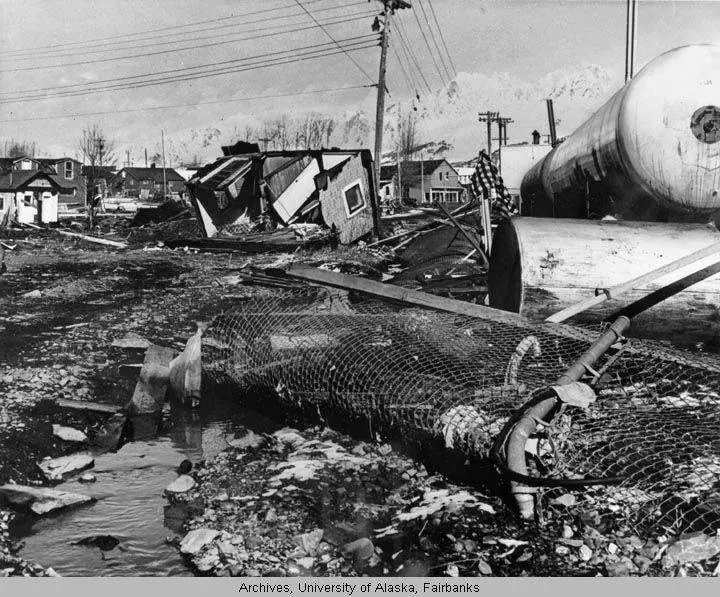
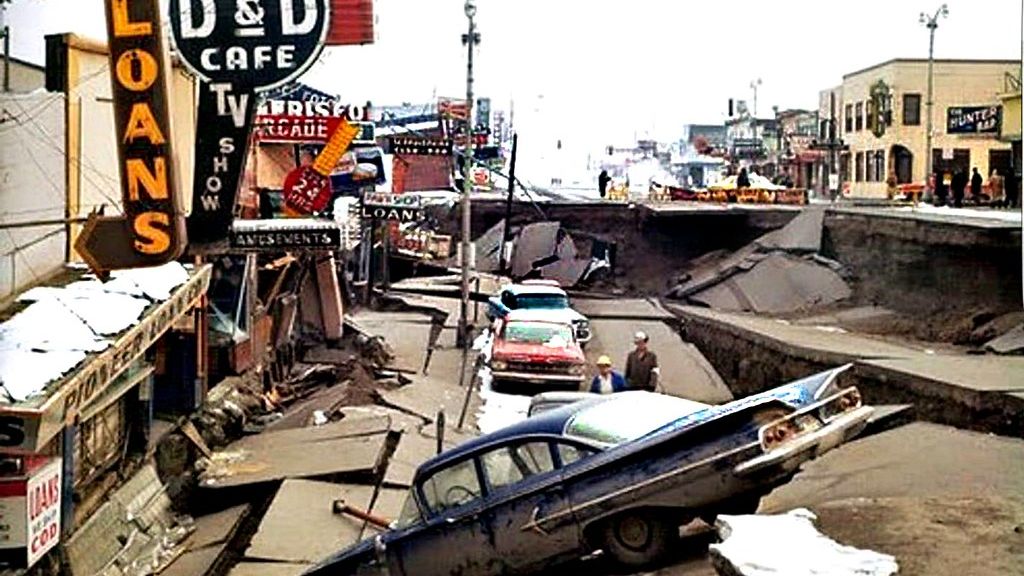
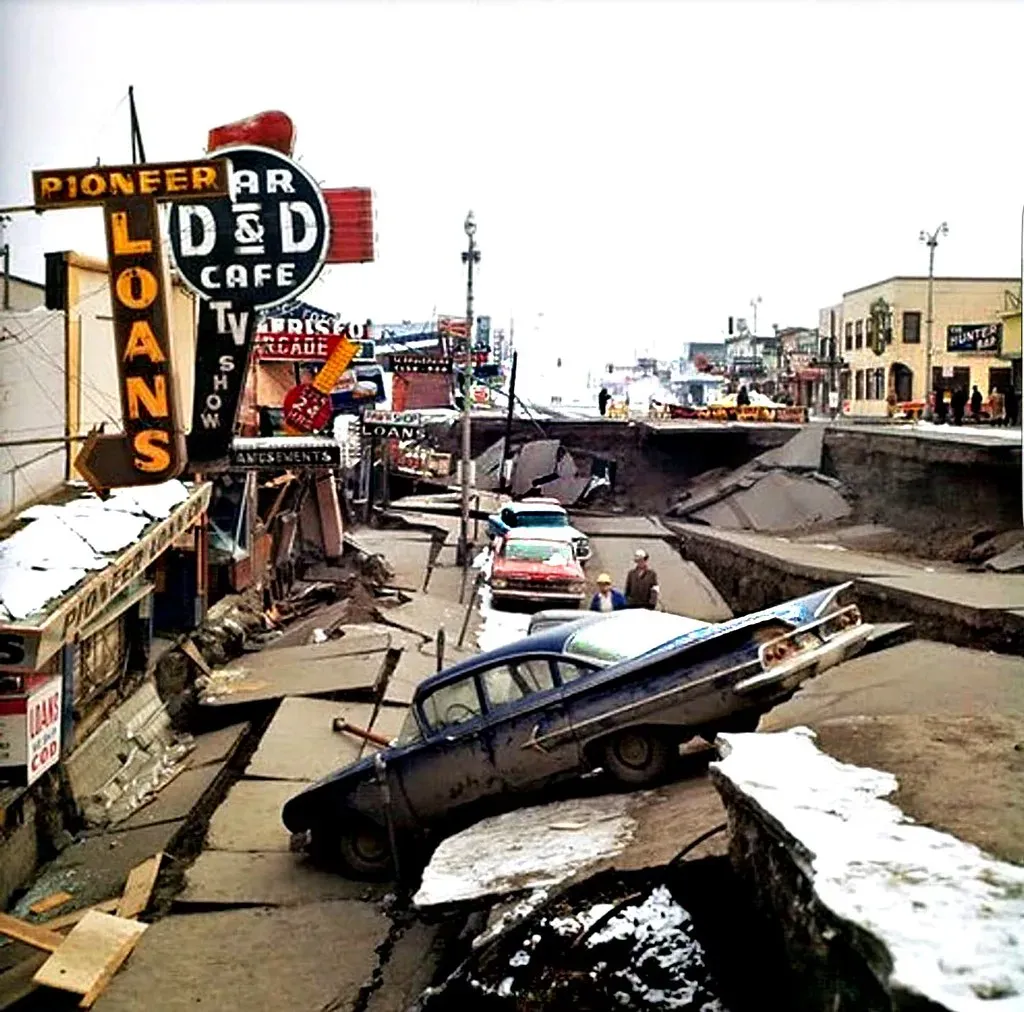
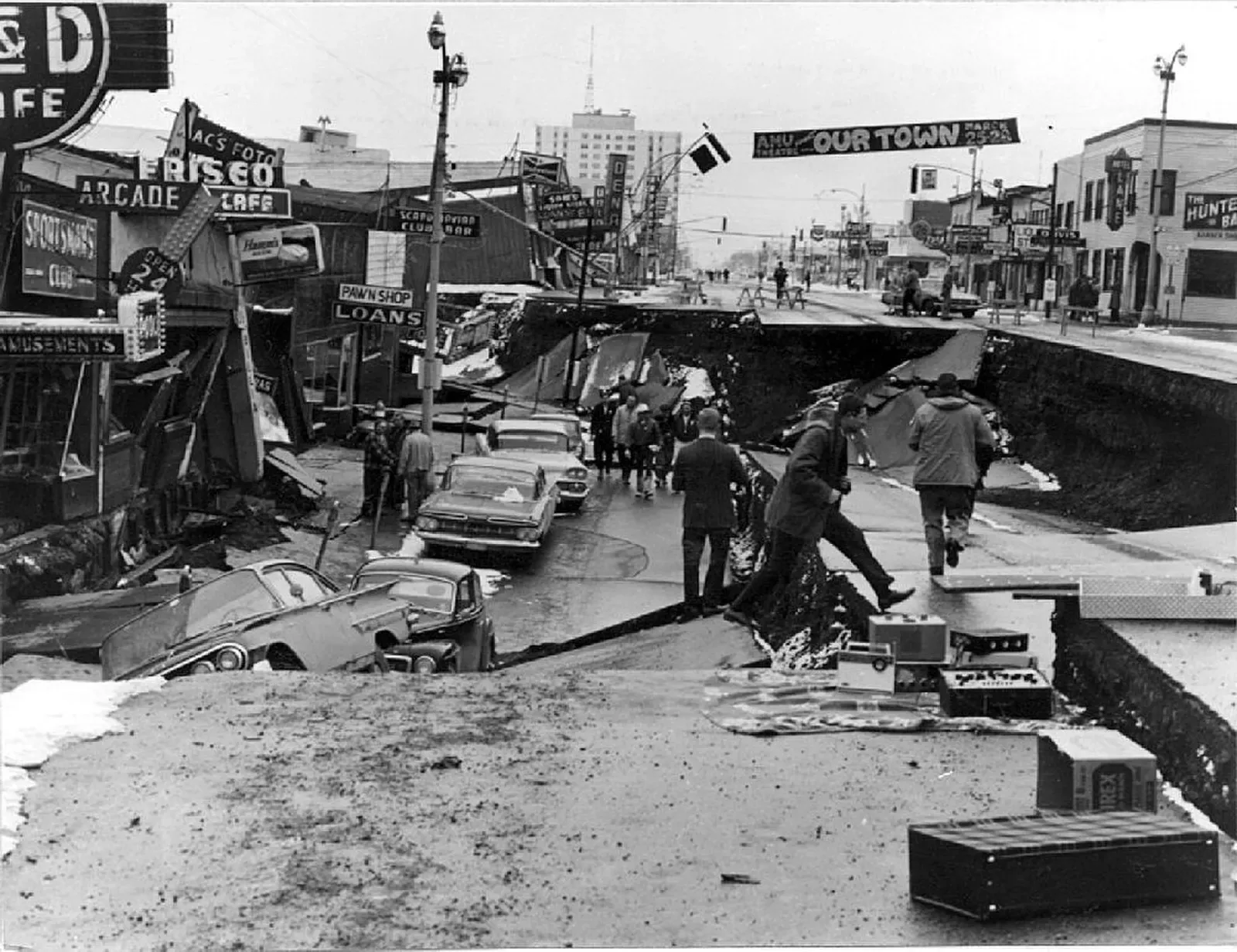
The Great Alaska Earthquake of 1964 hit 9.2 on the scale, making it the strongest ever recorded in North America by far. California’s biggest, like the 1906 San Francisco shaker at 7.9, pales in comparison. This monster event unleashed energy equivalent to thousands of Hiroshima bombs, reshaping coastlines permanently. Tsunamis from it reached Hawaii, over 2,000 miles away. Alaska’s subduction zones allow for these colossal ruptures, unlike California’s strike-slip faults. Recent models from 2023 confirm no California fault could produce anything near that power. Alaska’s history includes three of the top five U.S. quakes ever. The ground literally dropped 10 feet in spots during that 1964 beast.
Modern data reinforces Alaska’s edge in mega-events, with the 2023 National Seismic Hazard Model highlighting higher risks there. California’s faults slip sideways, capping their potential size, while Alaska’s plates dive under each other. In 2025, Alaska saw quakes up to 7.3, reminders of its capacity for giants. The 1964 event killed 139 but could have been worse without sparse population. Engineering lessons from it improved codes nationwide, yet Alaska still leads in raw power. No California quake has matched that scale since records began. Geological surveys note Alaska’s faults store more stress for bigger releases. This single event underscores why Alaska tops the prone list.
3. Alaska Sits Squarely on the Pacific Ring of Fire
The Pacific Ring of Fire circles the ocean, spawning 90 percent of the world’s quakes, and Alaska anchors its northern tip. California’s slice is notable but far smaller than Alaska’s exposure. Volcanic arcs and trenches define this zone, with Alaska’s southern edge fully immersed. Plates converge violently here, unlike California’s more linear fault path. In 2023-2025 data, this positioning drove Alaska’s quake surge past California’s steady but lesser output. The Ring’s energy funnels through Alaska’s Aleutians relentlessly. California’s faults branch off but don’t match the Ring’s full fury. Seismic maps from USGS show Alaska lit up like no other U.S. state.
Subduction dominates Alaska’s Ring segment, crushing plates into oblivion daily. California’s transform boundary slides past, producing fewer but felt events. Recent 2025 stats show Alaska’s Ring-driven activity outpacing California by wide margins. This global hotspot status means constant monitoring for Alaskans. The Ring’s plate interactions create deeper, stronger quakes up north. California’s fame overshadows its relatively tame spot on the Ring. Alaska’s full embrace explains the overwhelming stats. No escaping the fire’s grip there.
4. A Sprawling Network of Faults Beats California’s Single Star
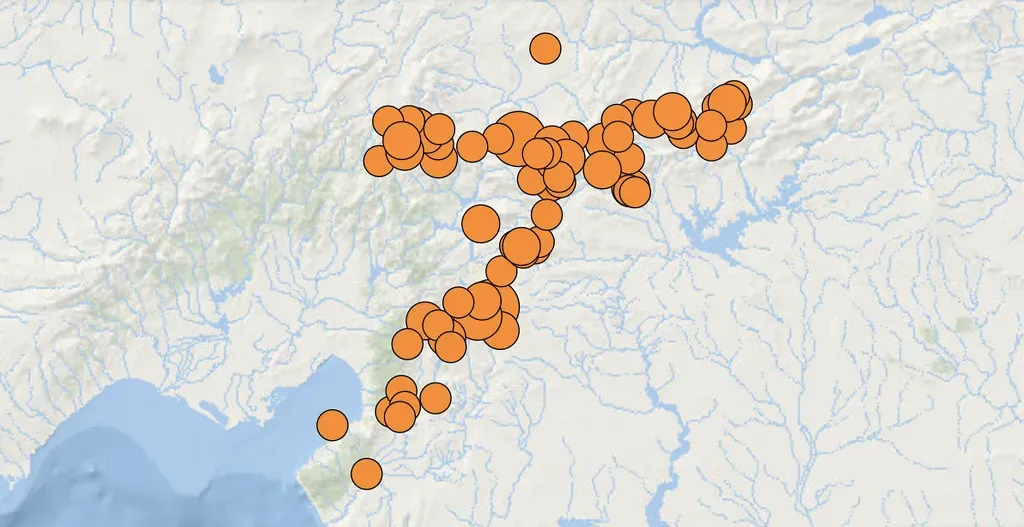
Alaska boasts dozens of active fault systems crisscrossing its massive territory, while California relies mostly on the iconic San Andreas. This web allows quakes to pop up statewide, not just one corridor. Faults like the Denali and Fairweather add variety and volume. California’s quakes cluster along predictable lines, limiting spread. In 2024, Alaska’s diverse faults produced over 40,000 detected events total. The San Andreas gets press, but Alaska’s multiplicity amps the prone factor. Geological surveys map hundreds of miles of Alaskan faults versus California’s focused ones. This distribution keeps Alaska shaking everywhere.
Strike-slip in California contrasts with Alaska’s mix of thrust and normal faults too. More fault types mean more slip opportunities daily. 2025 data highlighted faults in remote areas firing off big ones. California’s single fault superstar can’t compete with Alaska’s ensemble cast. Stress builds across broader zones up north, releasing in clusters. Recent USGS models factor in Alaska’s fault density for higher hazard ratings. Variety ensures no quiet corners in Alaska. The network’s reach solidifies its lead.
5. Over 20,000 Detectable Quakes Shake Alaska Yearly
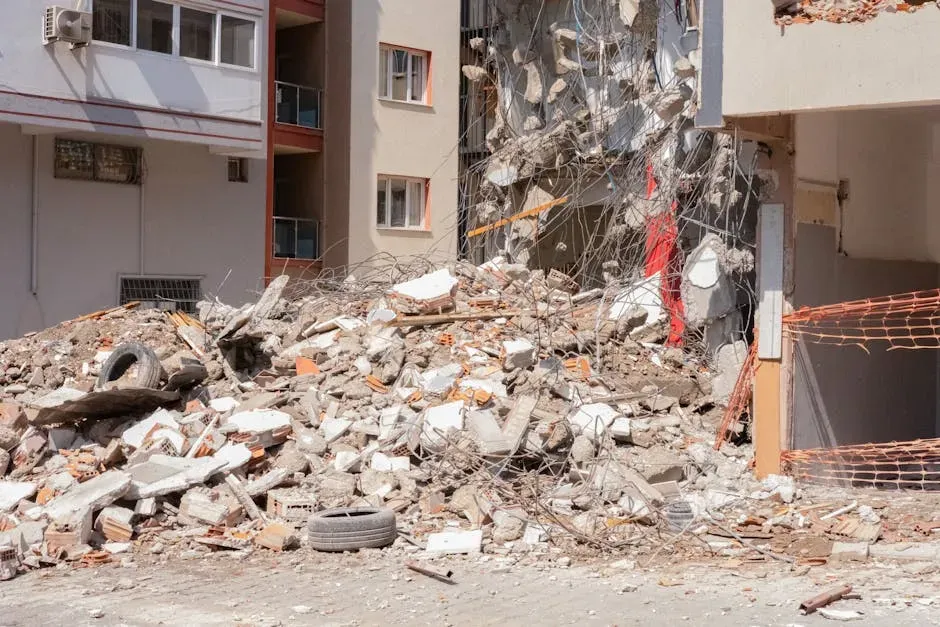
Alaska detects more than 20,000 earthquakes annually, with peaks hitting 40,000 in busy years like recent records. California logs far fewer, around 14,000 in comparable tallies. Sensitive networks catch tiny tremors in Alaska’s vast empty spaces. 2024 saw 42,990 events, averaging 120 daily. California’s urban focus misses many micros. This volume reflects constant tectonic chatter unique to Alaska. Swarms in the Aleutians boost counts sky-high. No other state approaches this barrage.
Magnitude thresholds reveal Alaska’s edge even more clearly. Thousands exceed magnitude 3 yearly, versus California’s hundreds. Remote stations in 2025 captured endless aftershocks from big ones. Population sparsity lets Alaska tally pure activity without bias. California’s numbers rise with felt events near cities. The raw count cements Alaska’s top billing. Daily life there means subtle shakes often. Unmatched frequency defines it.
6. The Aleutian Trench Fuels Endless Subduction Power
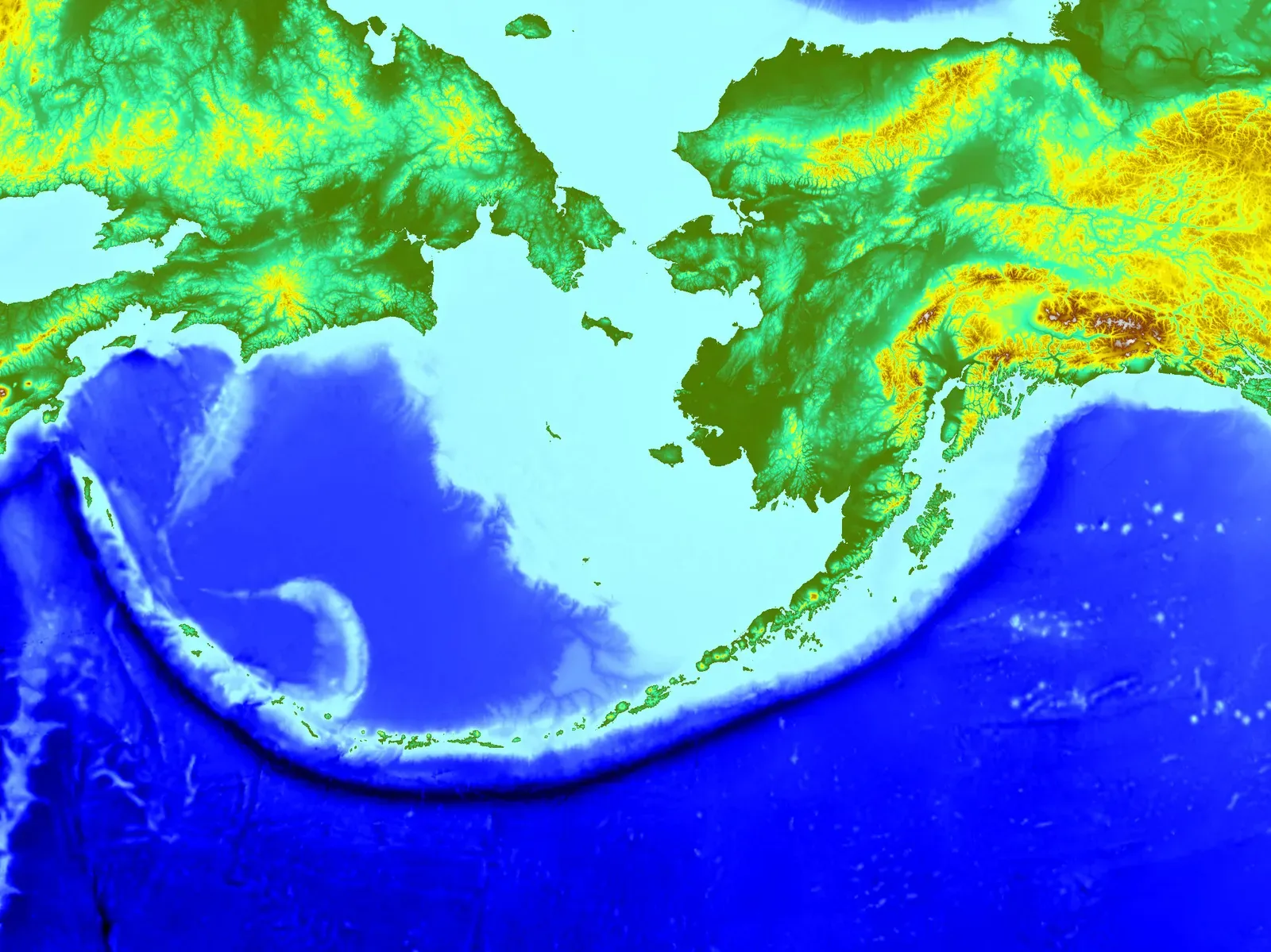
Off Alaska’s south coast, the Aleutian Trench swallows the Pacific Plate under North America, birthing frequent mega-quakes. California’s offshore faults don’t match this subduction intensity. Plates grind hundreds of miles deep here, storing massive energy. The trench spans thousands of miles, amplifying activity statewide. In 2023-2025, it drove many of Alaska’s top events. California’s Cascadia joins partially, but Aleutians dominate solo. Deep focus quakes from here outnumber shallow California rumbles. This zone’s collision keeps Alaska primed.
Subduction megathrusts enable vast ruptures, unlike California’s limited slips. Tsunami risks soar from trench displacements too. 2025 quakes traced directly to Aleutian stress. California’s Hayward and others pale beside this beast. Plate speed accelerates at the trench, upping quake odds. USGS monitors show trench-linked events yearly. Alaska’s trench trumps all U.S. equivalents. Pure power source unmatched.
7. Alaska Averages Magnitude 7+ Quakes Nearly Every Year
Alaska logs a magnitude 7 or greater quake almost annually, far outstripping California’s pace. Recent years confirm this: 2025 brought 7.3 and 7.0 events alone. California sees them sporadically, maybe once a decade. USGS data pegs Alaska’s average at one biggie per year. Remote hits minimize notice, unlike urban California shocks. More M7+ historically too, cementing the prone label. 2024 added to the tally with strong contenders. Frequency of heavies sets Alaska apart.
Geology favors large releases in Alaska’s convergent margins. California’s max sticks below 8.0 reliably. 2023 hazard updates raised Alaska’s big-quake probabilities. Aftershocks from these giants extend seasons of activity. California’s big ones devastate due to people, but Alaska has more raw events. Sustained high-magnitude output proves the case. No denying the stats. Alaska reigns supreme.