A Booming Sector Demands New Expertise (Image Credits: Unsplash)
Over 25,000 workers required industry-recognized safety training to support the installation of 9.1 gigawatts of U.S. offshore wind capacity by 2025.[1] That figure underscored the urgent need for ramped-up training as the sector surged forward. Today, with projects advancing along the East Coast and beyond, workforce development efforts continue to evolve, bridging skill gaps and preparing thousands for high-demand roles in construction, operations, and maintenance. These initiatives not only address immediate labor shortages but also position the industry for sustained growth amid rising clean energy goals.
A Booming Sector Demands New Expertise
The U.S. offshore wind industry projected the creation of more than 77,000 jobs nationwide, many directed toward union workers in key areas like manufacturing and maritime operations.[2] Wind energy already supported over 100,000 jobs across the country, with turbine technicians ranking among the fastest-growing occupations according to federal data.[3] In New York alone, nearly 185,000 people worked in clean energy fields, spanning 117 occupations tied to offshore wind supply chains.[4]
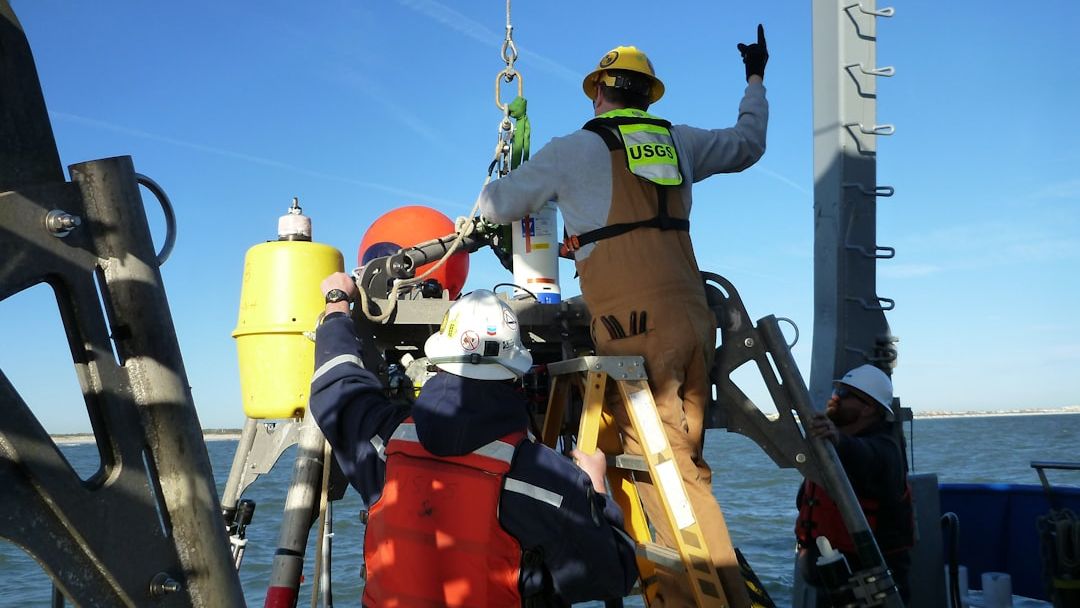
Existing workers brought transferable skills from related sectors, yet the unique challenges of offshore environments – such as working at heights over water and handling massive turbines – demanded targeted preparation. Federal reports highlighted persistent hiring hurdles for wind-specific graduates, prompting calls for expanded apprenticeships and outreach to educational institutions. Industry leaders emphasized domestic workforce building, particularly in manufacturing, to match deployment timelines.
Flagship Programs Building Safety and Skills
Developers and states rolled out comprehensive training to meet these needs. Ørsted invested $10 million in the National Offshore Wind Training Center, partnering with Long Island unions and colleges to deliver critical safety credentials for local transitions into offshore roles.[2] The center focused on Global Wind Organization standards, including modules on first aid, fire awareness, and sea survival.
Other efforts included pre-apprenticeships targeting underrepresented groups, such as women and communities of color, through collaborations like Building Futures Rhode Island. Stony Brook University provided programs for aspiring wind professionals and project managers, while Farmingdale State College offered certificates in wind turbine technology.[5] These initiatives combined hands-on instruction with academic pathways, often tuition-free, to equip participants for entry-level and advanced positions.
- Global Wind Organization Basic Safety Training at centers like the one in Rhode Island, the state’s first such program.
- Virtual simulators for navigation training developed with maritime institutes.
- K-12 educator programs like KidWind’s REcharge Academy to spark early interest.
Strategic Partnerships Fuel Progress
Collaboration defined the push forward. Ørsted’s 2022 National Offshore Wind Agreement with North America’s Building Trades Unions marked a milestone, committing all its U.S. projects to union labor and pre-hire agreements for family-sustaining wages.[2] NYSERDA coordinated with labor groups, academics, and agencies to invest in local training for skilled jobs.[4]
Nearly 100 North American institutions pursued GWO certification, drawing lessons from Europe’s mature market to streamline safety protocols and cut redundancies.[1] Federal support, including nearly $2 million for training, bolstered apprenticeships and hiring from adjacent industries. New York City Economic Development Corporation allocated $10 million to CUNY for facilities to train the next generation of talent.
| Program | Focus | Key Partner |
|---|---|---|
| National Offshore Wind Training Center | Safety credentials | Ørsted, unions |
| Offshore Wind Workforce Reports | Research and pathways | NYSERDA |
| Wind Career Map | Career skills overview | DOE |
Overcoming Hurdles for Long-Term Success
Challenges persisted, including awareness gaps and the need for scaled-up capacity. Reports urged pipelines from education to jobs, with federal agencies like the Department of Education stepping in for targeted programs.[3] As installations accelerated, training emphasized not just technical prowess but also equity, ensuring diverse communities accessed opportunities.
Ørsted pledged $15 million more for U.S.-wide development, signaling sustained investment.[2] These efforts promised a robust pipeline, turning projections into reality and securing offshore renewables as a cornerstone of energy transition. The question remains: will training scale fast enough to match ambition?