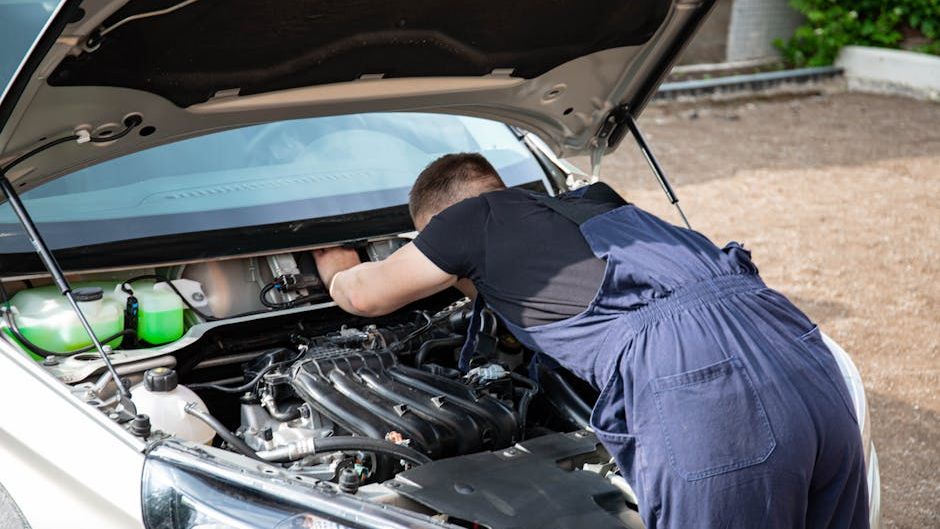

During a routine tune-up, mechanics get a close look under the hood that most drivers never see. They drain fluids, inspect belts and hoses, and check components hidden from daily view. These moments reveal neglect that could spell trouble down the road.
Yet drivers often roll in unaware, focused only on the scheduled service. Recent data shows about 41 percent of vehicles nationwide are overdue for critical maintenance, setting the stage for bigger issues.[1][2] Spotting these signs early keeps costs low and keeps you safe.
Red Flag 1: Engine Sludge Buildup in the Oil
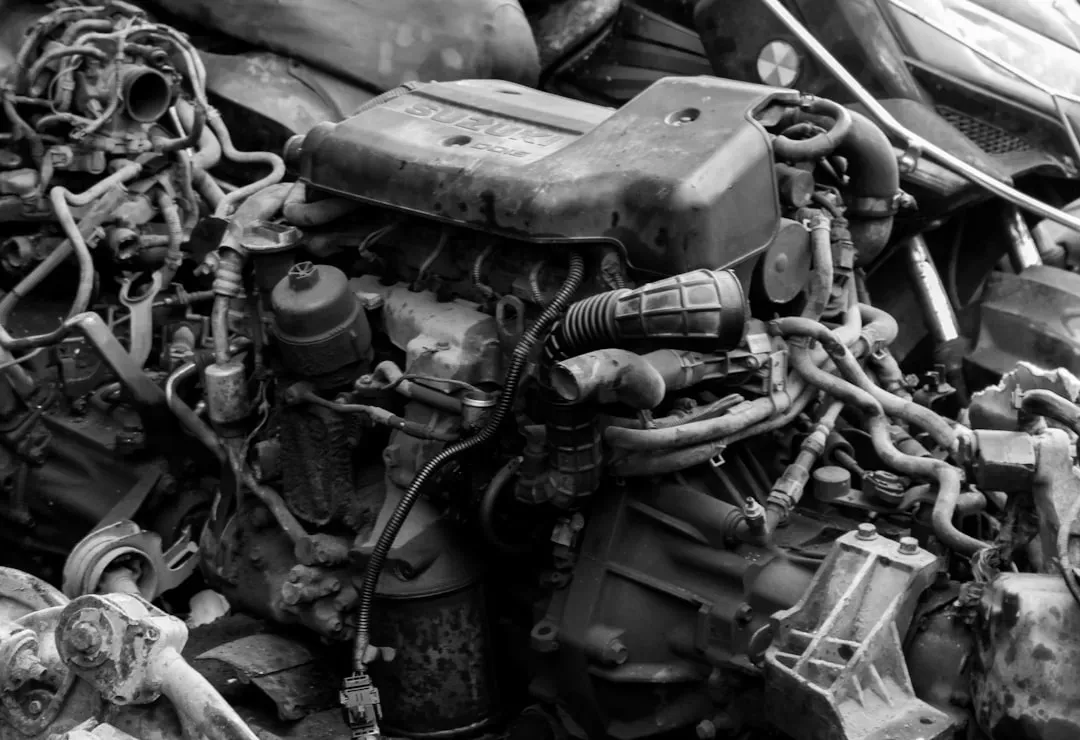
When mechanics drain the oil during a tune-up, thick sludge often pours out instead of clean fluid. This gooey mess signals skipped oil changes or poor quality oil over time, which starves the engine of lubrication. Left unchecked, it accelerates wear on bearings and pistons, leading to costly rebuilds.[3]
Mechanics note this frequently in neglected cars, where combustion byproducts mix with old oil to form the sludge. Nearly 20 percent of vehicles are overdue even for basic oil changes, per recent reports.[4] A quick peek under the oil cap beforehand can show early signs, like heavy deposits on the underside.
Red Flag 2: Cracked or Glazing Serpentine Belt

Tune-ups include belt inspections, where mechanics spot cracks, fraying, or shiny glazing on the serpentine belt that drives alternator, power steering, and more. Drivers miss these because the belt sits tucked away, only visible up close. A failing belt snaps without warning, stranding you with a dead battery or no steering assist.[5]
Good techs flag this during routine checks, as worn belts contribute to breakdowns. With daily U.S. breakdowns topping 200,000, overlooked accessories like this play a role.[6] Replacing it preventively costs far less than a tow and roadside fixes.
Red Flag 3: Milky Oil or Coolant Contamination
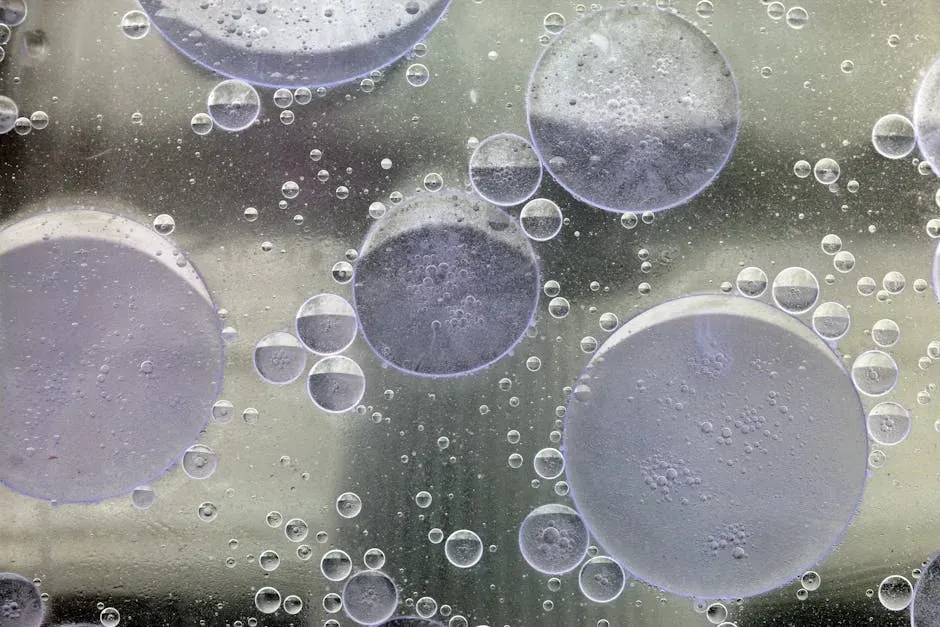
Mechanics drain oil and check for milky, frothy residue mixed with coolant, a dead giveaway for a blown head gasket or cracked block. This happens from overheating or age, but drivers rarely notice until the engine seizes. During tune-up fluid swaps, it’s obvious, yet often upsold as urgent.[7]
Oil leaks rank among top 2024 repairs, tying into contamination issues from poor upkeep.[8] Catching it here avoids total engine failure, which spikes repair bills dramatically. Regular top-offs and color checks at home help spot it sooner.
Stay Ahead of the Curve
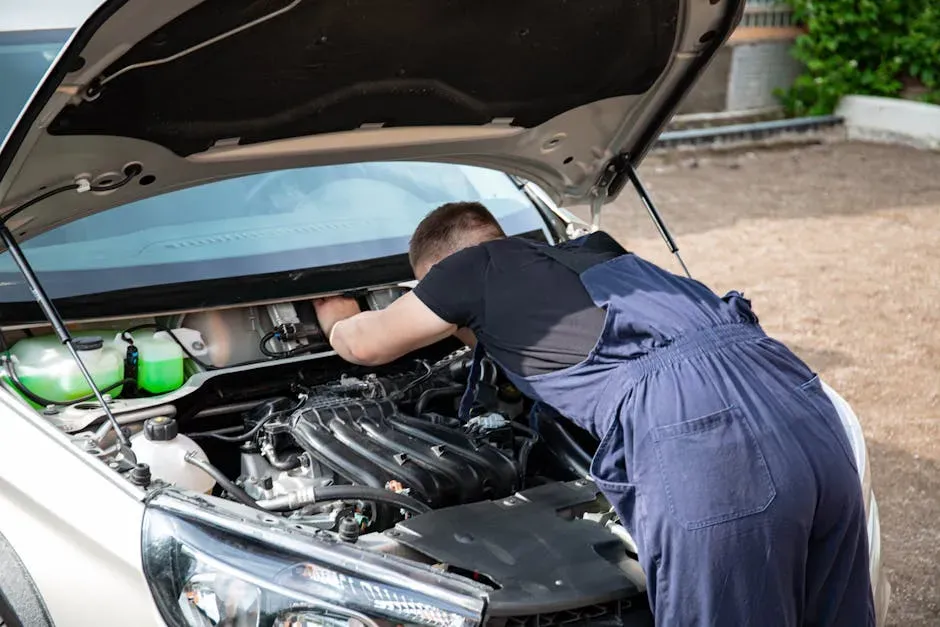
Tune-ups uncover these red flags before they turn into emergencies. With maintenance neglect fueling breakdowns, proactive owners save time and money. Keep records of services and ask to see drained fluids next time.
Simple habits like monthly under-hood walks pay off. Your car runs better when you pay attention to what mechanics quietly spot.