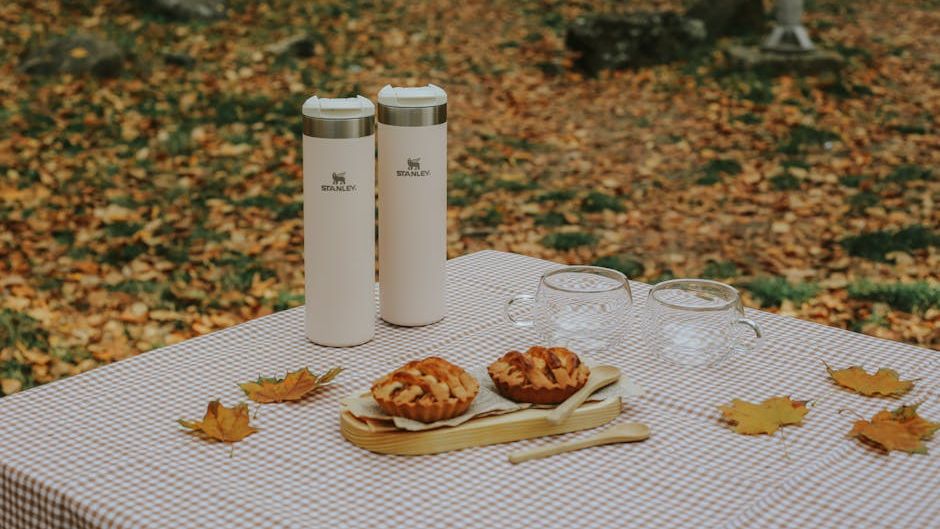

A simple insulated tumbler, once favored by construction workers and campers, exploded into a must-have accessory around 2020. Stanley’s Quencher model caught fire on TikTok, where videos racked up billions of views and sparked lines at stores like Target.[1][2] By 2023, the brand’s annual sales had surged from about 70 million dollars to 750 million dollars, turning a practical item into a cultural phenomenon.[3][4]
This “Stanley Cup” effect reveals deeper patterns in American consumer culture. Everyday utilities like water bottles or tote bags morph into status symbols through social media and scarcity tactics. As trends evolve into 2026, similar shifts appear with brands like Owala gaining ground while Stanley’s peak hype cools.[5]
The Viral Ignition on TikTok
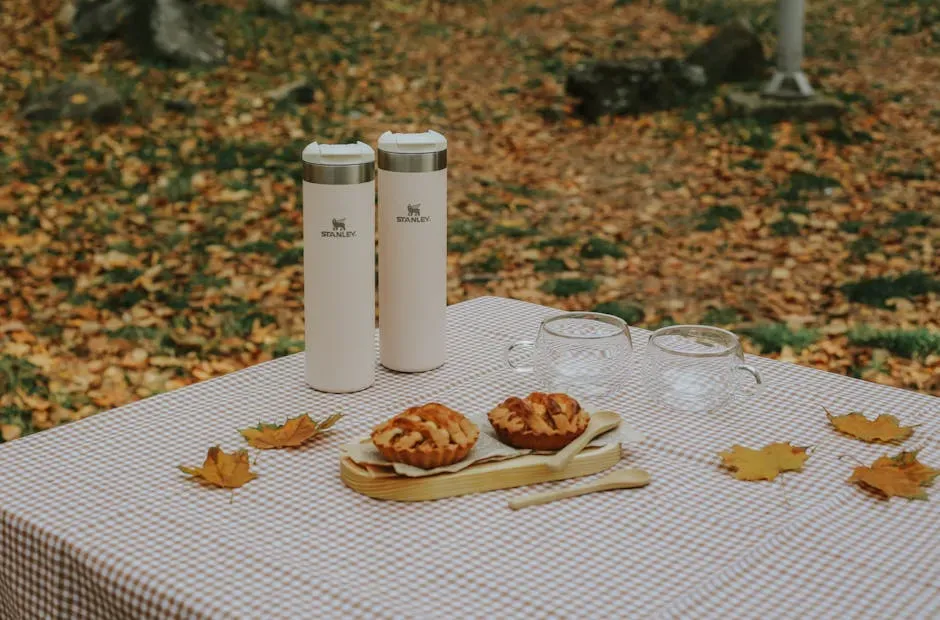
In late 2019, a small group of influencers shared their love for the 40-ounce Stanley Quencher, praising its durability after surviving a car fire. Videos spread rapidly, amassing millions of views and drawing in a new audience of mostly women who saw it as both functional and stylish. This organic buzz transformed the tumbler from obscurity to obsession, with TikTok searches exploding into the billions by 2024.[6][7] Stanley leaned into the momentum without heavy ad spends, letting user-generated content fuel the fire. The platform’s algorithm rewarded unboxings and hauls, making the cup a staple in aspirational daily routines.
Scarcity Tactics Fuel FOMO
Limited-edition colors and collaborations with retailers like Starbucks created artificial shortages, prompting people to camp overnight for drops. Resale prices on sites like eBay soared to hundreds of dollars per cup, amplifying the fear of missing out. This scarcity mirrored luxury drops, turning a 45-dollar item into a collector’s chase.[1][8] By 2024, the tactic had boosted sales dramatically, though it drew criticism for encouraging overbuying. Demand outpaced supply for months, solidifying its elite status.
Psychologists note how such tactics tap into basic human instincts for exclusivity. Shoppers felt a rush from securing rare shades like rose quartz. Even as production ramped up, the thrill lingered in limited releases.
Shift from Blue-Collar to Pink-Collar Appeal
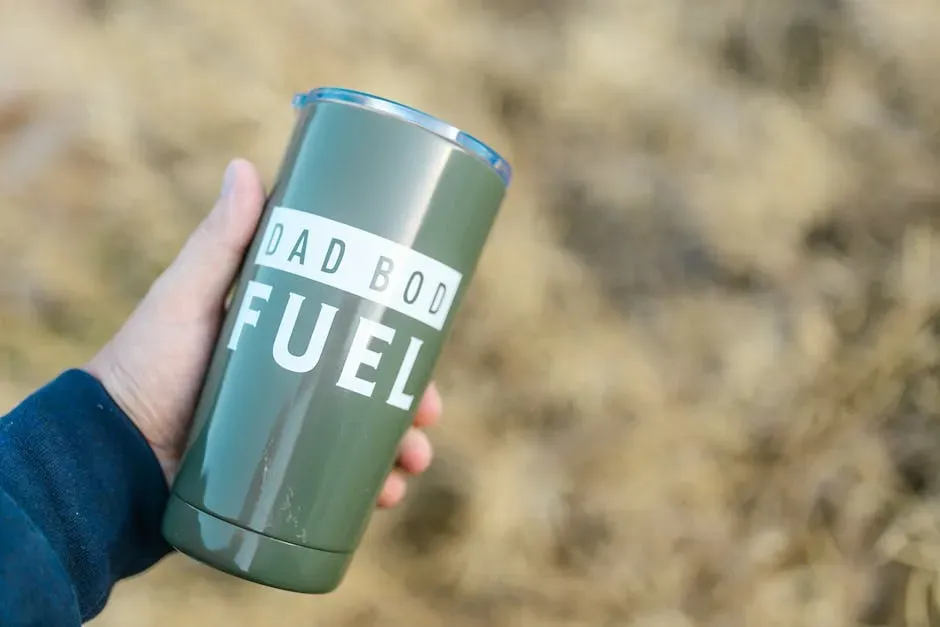
Originally marketed to outdoorsmen since 1913, Stanley pivoted after influencers rebranded it for moms and office workers. Pastel hues and straw lids softened its rugged image, appealing to a female demographic that drove most purchases. Sales reflected this, with Quencher accounting for the bulk of growth.[9][10] This gender flip expanded the market beyond traditional users. Women shared routines around the cup, embedding it in wellness lifestyles.
Hydration Culture’s Perfect Vessel
America’s obsession with staying hydrated provided fertile ground, as apps and influencers pushed daily water goals. The large capacity and leak-proof design made Stanley ideal for all-day sipping, aligning with health trends. It became more than a holder; it signaled commitment to self-care.[11] Gym-goers and remote workers flaunted theirs in photos. This practical edge elevated it above flimsier alternatives.
By 2023, tumbler sales in the category jumped sharply, with Stanley leading. Competitors followed with bigger bottles. Yet the emotional attachment set it apart.
Influencer Endorsements as Catalysts
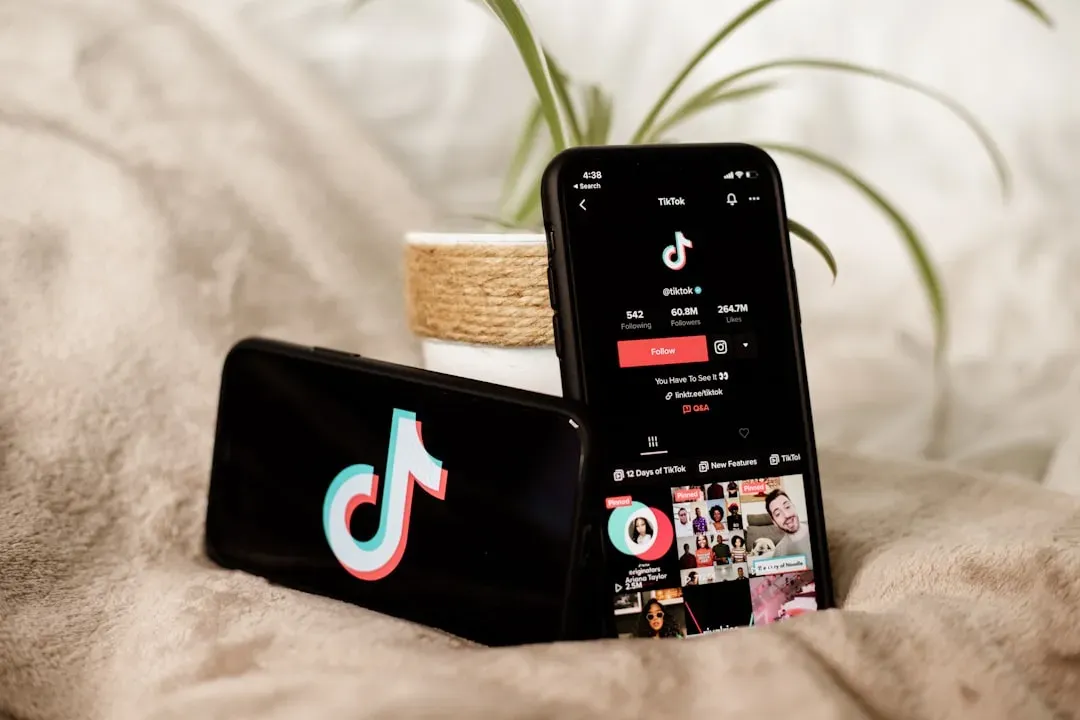
Key moments, like a tumbler surviving extreme tests, went viral and built trust in its quality. Influencers customized theirs with stickers, inspiring followers to do the same. This personalization turned buyers into advocates, sharing their versions online.[6] The brand engaged directly, sending freebies to creators. Such interactions deepened loyalty without traditional ads.
Middle-Class Status in Affordable Form

At around 45 dollars, Stanley offered luxury vibes without designer prices, perfect for middle-class signaling. It joined items like Lululemon leggings as accessible flexes. Teens ranked it among top trends in surveys through 2025.[12][13] Carrying one conveyed trendiness and practicality. This democratized status appealed broadly.
Unlike high-end bags, it fit everyday life. Shoppers collected multiples for variety. The effect rippled to similar drinkware.
Collectibility and Customization Craze
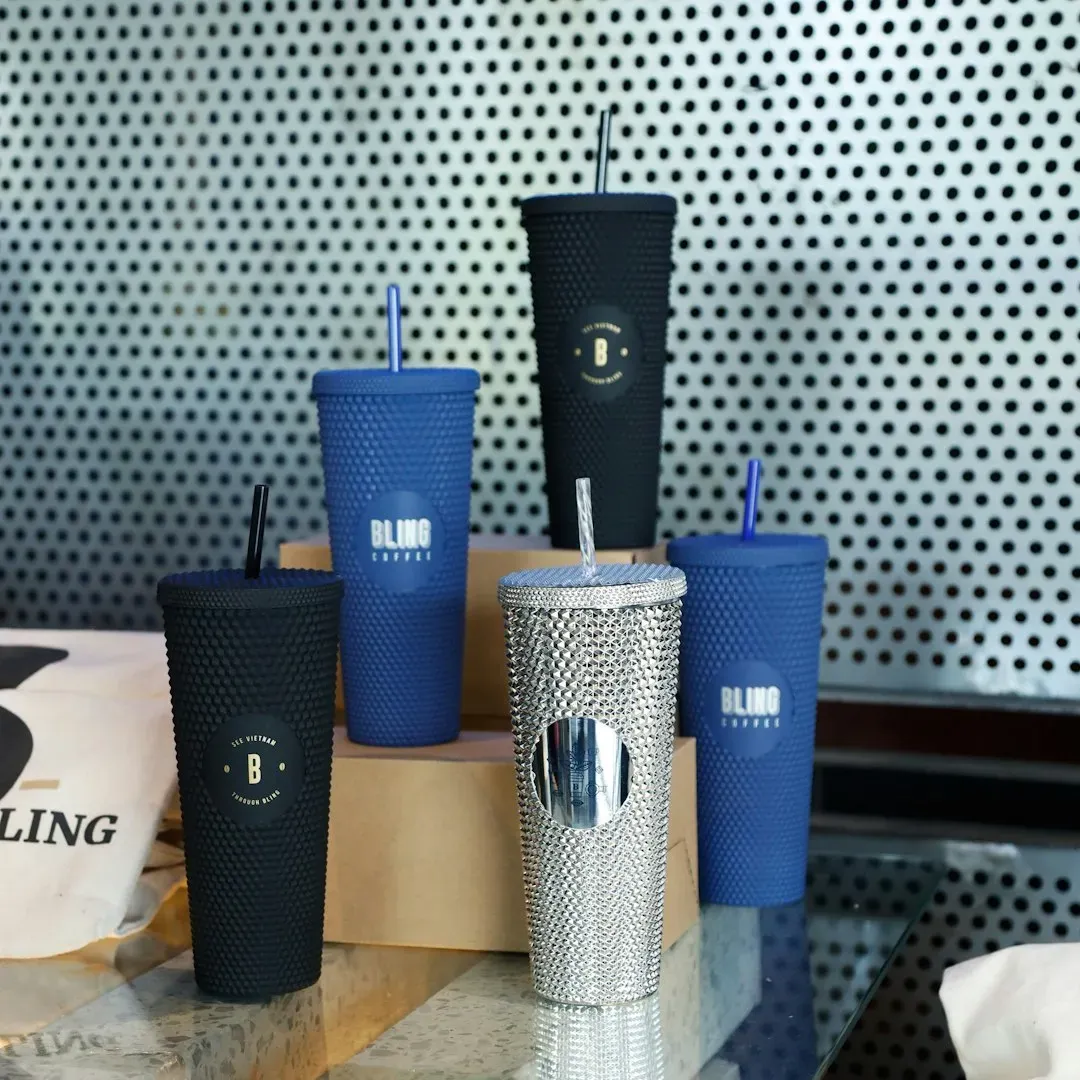
Owners treated them like handbags, swapping colors seasonally and adding charms. Limited runs encouraged hoarding, with some owning dozens. This shifted mindset from utility to hobby.[1] Social media showcased collections, boosting resale markets. Durability supported long-term collecting.
Social Proof and Belonging Drive

Seeing friends and celebrities with matching cups created pressure to join in. It fostered community around shared aesthetics and routines. Psychologists link this to tribal instincts, where items signal group membership.[14] Posts of “Stanley dupes” showed the pull even for budget versions. The trend bonded users online and off.
FOMO intensified as drops sold out fast. Group chats coordinated buys. This collective energy sustained hype.
The Sustainability Irony Exposed
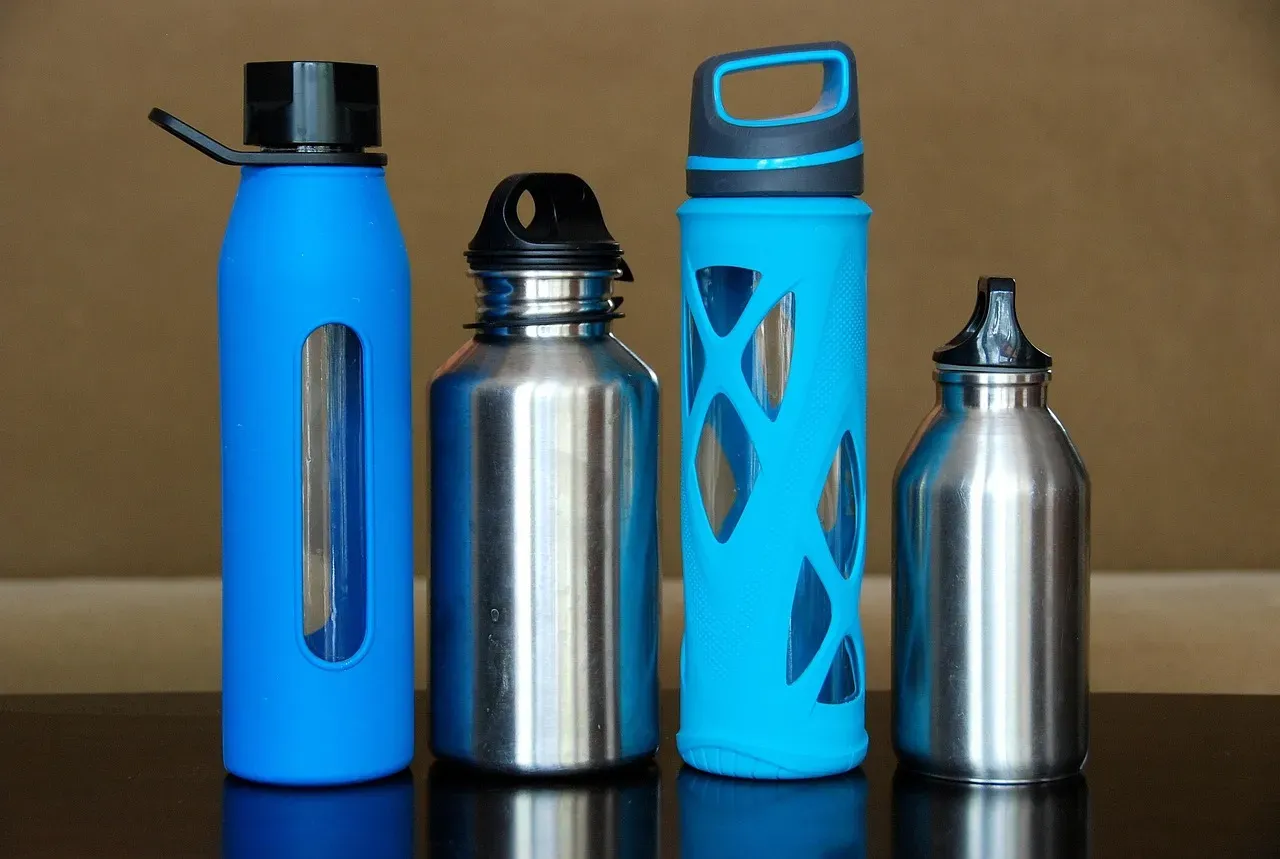
Marketed as reusable, the craze led to multiple purchases per person, undermining eco-claims. Critics highlighted lead in seals and plastic waste from extras. Debates grew by 2024, questioning green credentials.[15][16] Still, it nudged some from single-use plastics. Balance remained tricky.
Decline and New Contenders Emerge
By 2025, searches dropped about half, with Owala surging as the hot alternative. Category growth slowed to 14 percent after 38 percent peaks. Stanley adapted with innovations amid backlash over mold and leaks.[5][17][18] Trends cycle quickly now. The effect persists in rising brands.
Into 2026, drinkware stays fashion-forward. Lessons from Stanley shape strategies. Utility meets desire in endless loops.
Lessons for the Next Wave
The Stanley story shows how social dynamics elevate basics to icons, but peaks fade fast. Americans crave signals of taste in affordable packages, from cups to totes. As 2026 unfolds, watch for the next everyday hero.[19] Sustainability and authenticity will matter more. Cycles remind us trends serve deeper needs for connection and identity.