The Night of the Crash (Image Credits: Unsplash)
Oldmans Township, New Jersey — A routine family bike ride turned deadly in August 2024 when Sean M. Higgins struck NHL star Johnny Gaudreau and his brother Matthew from behind. The collision left both brothers dead at the scene and ignited a protracted legal fight over Higgins’ level of responsibility. Prosecutors maintain that his actions demonstrated extreme indifference to human life, regardless of debates surrounding his blood alcohol level.
The Night of the Crash
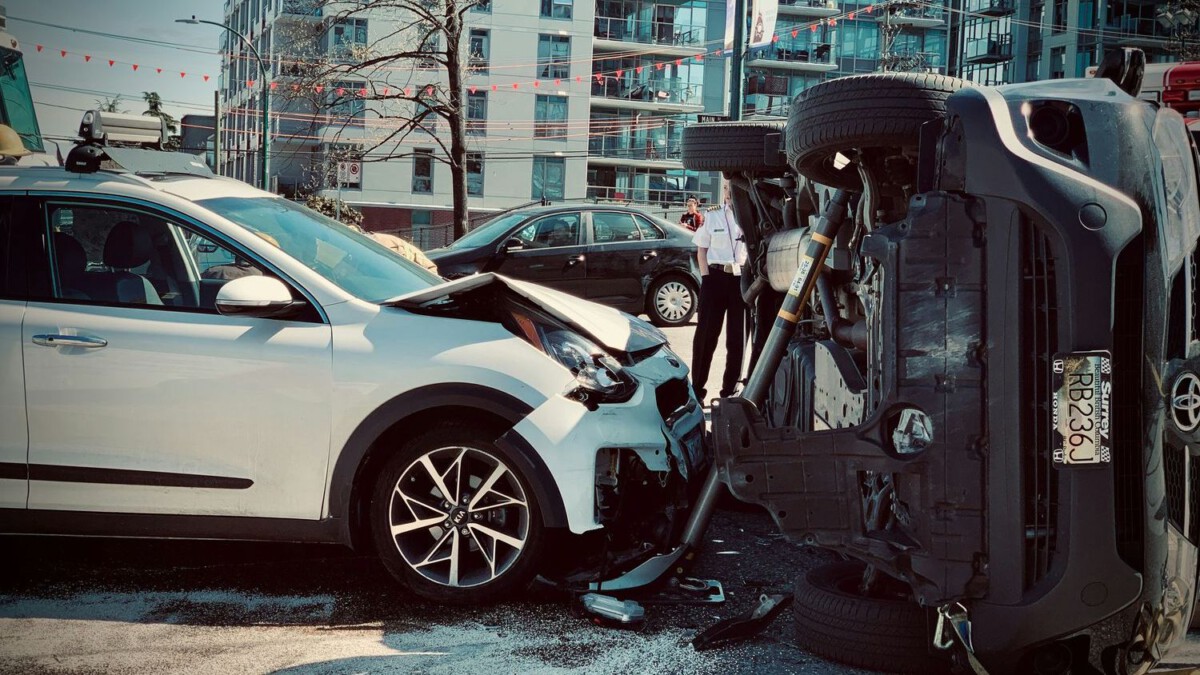
Higgins drove northbound on Route 551 in his Jeep around 8:15 p.m. on August 29, 2024. Witnesses observed erratic behavior as he attempted to pass an SUV on the right shoulder, veering into the path of the Gaudreau brothers, who rode single-file along the road’s edge. The impact caused severe damage to Higgins’ vehicle, which stalled about 1,500 feet away.[1][2]
Police arrived quickly. Higgins admitted to consuming five or six beers earlier that day, with his last drink about two hours before the crash. Officers noted the smell of alcohol on his breath, and he failed a field sobriety test administered at the scene.
Defense Targets Blood Alcohol Evidence
Authorities initially reported Higgins’ blood alcohol concentration at 0.087%, exceeding New Jersey’s legal limit of 0.08%. This figure stemmed from a test on his blood plasma. In February 2026, however, defense attorney Richard Klineburger III revealed an expert analysis of whole blood samples, which yielded a reading of 0.075% — below the threshold.[1]
The defense filed a motion to dismiss the indictment, arguing that prosecutors presented incomplete evidence to the grand jury. They contended this undermined the case for intoxication-related charges. Higgins, who worked at a substance abuse treatment center, has rejected a plea offer of 35 years in prison and remains in custody.
Prosecutors Emphasize Recklessness Over DUI Threshold
Assistant Prosecutor Michael Mestern responded during a hearing by requesting time to review the defense expert’s findings alongside state testing experts. Even if the blood alcohol level falls short of the legal limit, the prosecution insists the charges hold firm. Aggravated manslaughter requires proof of recklessness manifesting extreme indifference to human life, a standard they argue Higgins clearly met through his driving.[1][2]
Key evidence bolsters this position. Higgins’ own statements to police detailed his impatience with slower traffic ahead. A preceding driver reported his aggressive maneuvers, including speeding up to pass on the right. Superior Court Judge Michael Silvanio permitted the state to potentially re-present aspects of the case to a grand jury if needed, signaling the motion’s limited impact.[3]
Earlier rulings have also favored prosecutors. In January 2026, an appellate judge upheld the admissibility of Higgins’ post-crash statements, rejecting defense claims of improper Miranda warnings. These admissions, combined with witness accounts and physical evidence, paint a picture of disregard far beyond any single metric.
Facing Serious Charges
Higgins faces a formidable array of counts from a December 2024 grand jury indictment:
- Two counts of first-degree aggravated manslaughter
- Two counts of second-degree reckless vehicular homicide
- Second-degree leaving the scene of a fatal accident
- Fourth-degree tampering with physical evidence
Conviction on all could result in up to 70 years behind bars. The case has seen multiple pretrial motions, including failed attempts to suppress evidence and dismiss charges.
A Case That Lingers
As pretrial conferences continue, with one set for April 2026, the focus shifts from technical blood test disputes to the broader question of accountability on the road. The Gaudreau family’s grief underscores the human cost, while prosecutors prepare to demonstrate that reckless impatience equates to extreme indifference. The proceedings serve as a stark reminder of how split-second decisions devastate lives.